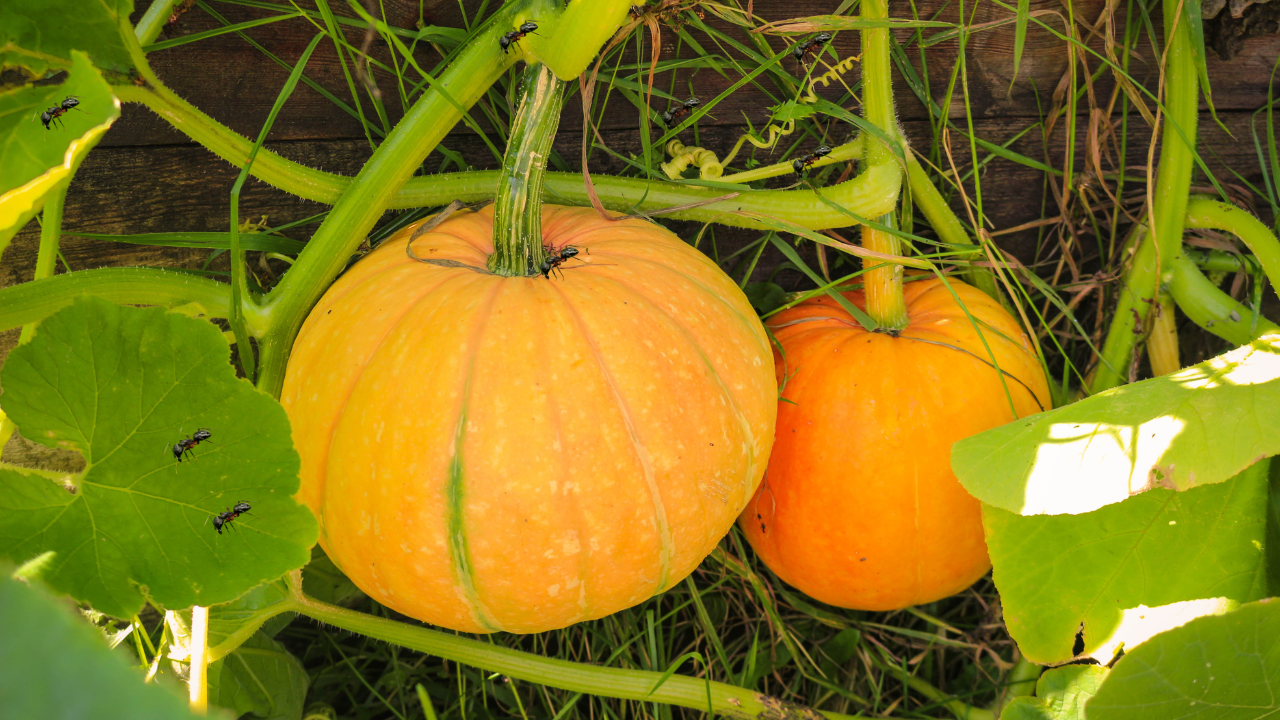
Ants on Pumpkin Plant. Because of their vivid colors and mouthwatering fruit, pumpkin plants are a popular choice for backyard gardeners. Nonetheless, ants are frequently observed crawling on pumpkin plants. Although ants are frequently regarded as pests, their presence on pumpkin plants can have both positive and negative effects. This essay will examine the connection between ants and pumpkin plants, explain why ants frequent them, and go over effective ant management techniques.
Understanding the Relationship Between Ants and Pumpkin Plants
Ants are sociable insects distinguished by their intricately planned colonies and a wide range of behaviors. Ants have a complicated function to play in the growth of pumpkin plants. Despite the fact that they can be a pain, they have a number of advantages for the general health of the plant.
Why Do Ants Visit Pumpkin Plants?
Pumpkin plants are attractive to ants for a variety of reasons. The sweet nectar that the plant’s blossoms produce is one such incentive. This nectar is consumed by ants as a source of fuel. The plant’s fruits and seeds may also attract ants, especially if they are ripe or damaged.
Ants as Beneficial Insects in the Garden
Not all ants are harmful to garden plants, despite what the general public thinks. Certain species, like the black garden ant, can benefit the ecosystem of the garden. By moving pollen from one bloom to another, they aid in pollination and the reproduction of pumpkin plants.
Ants and Aphids: A Mutualistic Relationship
Ants’ association with the tiny sap-sucking insects known as aphids is a crucial factor in why ants are frequently found on pumpkin plants. Ants are drawn to the sticky fluid called honeydew that aphids create. Ants carry aphids to new feeding locations and defend them from predators in exchange for this sweet reward. Aphid populations may rise as a result of this mutually beneficial association, which could eventually harm the pumpkin plant.
The Role of Ants in Protecting Pumpkin Plants
Ants perform a protective role for pumpkin plants, even if they might unintentionally injure them by increasing aphid numbers. Ants can prevent larger pests, such as caterpillars and beetles, from feasting on the plant’s leaves and fruits because they are aggressively territorial. The pumpkin plant’s general health can be preserved with the use of this defense mechanism.
Signs of Ant Infestation on Pumpkin Plants
You can tell if your pumpkin plants are ant-infested by looking for a few specific symptoms. Start by checking to see whether there are any ants on the leaves, stems, or fruits. Also, keep an eye out for aphids because ants and aphids frequently coexist. Finally, keep an eye on the plant’s general health. Ants can be causing the problem if it seems frail or exhibits damage.
Natural Methods to Control Ants on Pumpkin Plants
It’s crucial to choose ecologically friendly ways when dealing with ant infestations on pumpkin plants. Here are a few all-natural ways to properly get rid of ants:
- Diatomaceous Earth: Sprinkle food-grade diatomaceous earth around the base of the pumpkin plant. The tiny particles will stick to the ants’ bodies, dehydrating and killing them.
- Cinnamon: Sprinkle the cinnamon powder around the plant to create a barrier that ants dislike. This can deter them from reaching the pumpkin plant.
- Citrus Peel: Place citrus peels near the plant. The strong scent will repel ants without causing harm to the pumpkin plant.
- Vinegar Spray: Create a solution of equal parts vinegar and water. Spray it directly on ants to repel them. Take care not to spray the mixture directly on the pumpkin plant.
Prevention and Management Tips
To prevent ant infestations on pumpkin plants, consider the following tips:
- Keep the Garden Clean: Remove fallen leaves, overripe fruits, and other debris that may attract ants.
- Create Physical Barriers: Place a layer of mulch around the plant to create a barrier that ants will find difficult to cross.
- Regularly Inspect Plants: Regularly check your pumpkin plants for signs of pests or diseases. Early detection can help prevent infestations from worsening.
Conclusion
With pumpkin vines, ants can be both a blessing and a curse. Although they have some advantages, they can also make pest issues worse. It’s essential to comprehend the connection between ants and pumpkin plants if you want to handle pests in your garden effectively. You may achieve a balance that supports the health and productivity of your pumpkin plants by putting natural control techniques and preventive measures into practice.
FAQs
- Are ants harmful to pumpkin plants? No, ants can be both beneficial and harmful to pumpkin plants. While they may protect the plants from certain pests, they can also contribute to the growth of aphid populations.
- How can I differentiate between beneficial and harmful ants? Beneficial ants, such as black garden ants, play a positive role in the garden ecosystem. Harmful ants may cause damage or promote pests. Consult with a local expert to identify the species and their potential impact.
- Should I use chemical pesticides to control ants on my pumpkin plants? It is advisable to avoid chemical pesticides as they can have negative impacts on the environment and beneficial insects. Opt for natural methods first and consider chemical options only as a last resort.
- Can ants damage the pumpkin fruits? While ants may not directly damage pumpkin fruits, their presence can attract other pests that can harm the fruits. Monitoring and controlling ant populations is important for overall plant health.
- How often should I inspect my pumpkin plants for ant infestations? Regularly inspect your pumpkin plants for signs of ant activity, especially during warmer months when ants are more active. Early detection and intervention can prevent infestations from escalating.