
Indeed, hibiscus plants can benefit from coffee grounds. They are an excellent supplier of nitrogen, a crucial nutrient for the development of plants. Moreover, coffee grounds can help the soil drain better and contribute organic matter, both of which are crucial for hibiscus plants.
But, it’s crucial to use coffee grounds sparingly because an excess of nitrogen might actually hurt hibiscus plants. As a general guideline, apply 1 cup of coffee grounds for every 10 square feet of soil. Coffee grounds can also be added to your compost bin since they will aid in the decomposition of organic materials and produce a fertilizer for your plants that is rich in nutrients.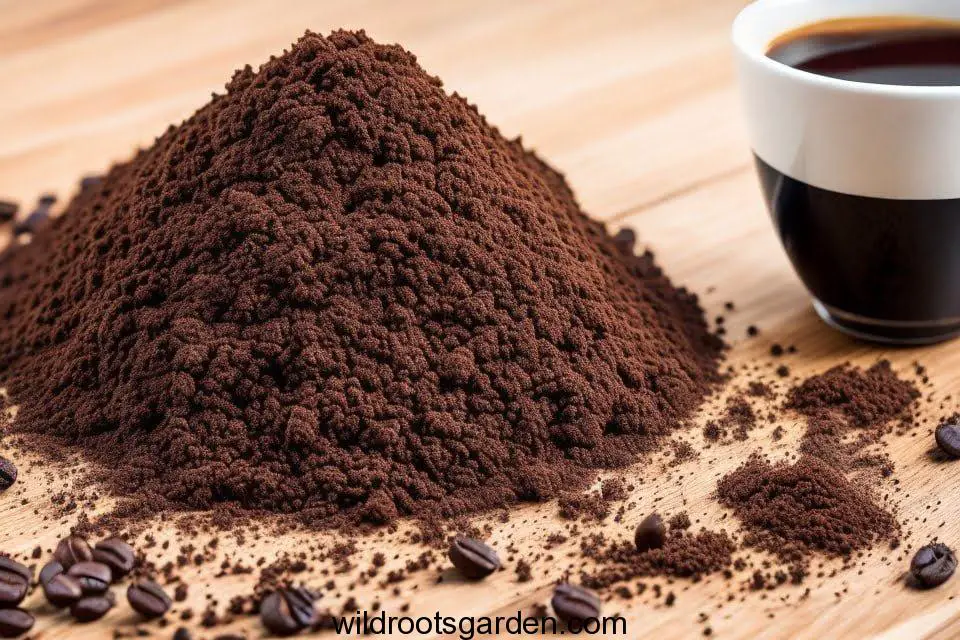
Introduction
Hibiscus plants are popular among gardeners and flower lovers because of their alluring flowers and luxuriant foliage. Although conventional fertilizers are frequently utilized, many gardeners are switching to organic substitutes to feed their plants. The use of coffee grounds as a convenient and natural fertilizer has grown in favor. Let’s examine the world of hibiscus in more detail and see if coffee grounds are good for these lovely plants.
Nutritional Needs of Hibiscus
Hibiscus plants need a balanced supply of vital nutrients in order to flourish and produce colorful blossoms. They consist of trace elements, nitrogen, phosphorus, potassium, iron, and magnesium. For healthy growth, strong root development, and an abundance of flowers, proper nourishment is essential. Although commercial fertilizers are frequently used, many gardeners look for organic substitutes that are accessible and friendly to the environment.
Coffee Grounds as Fertilizer
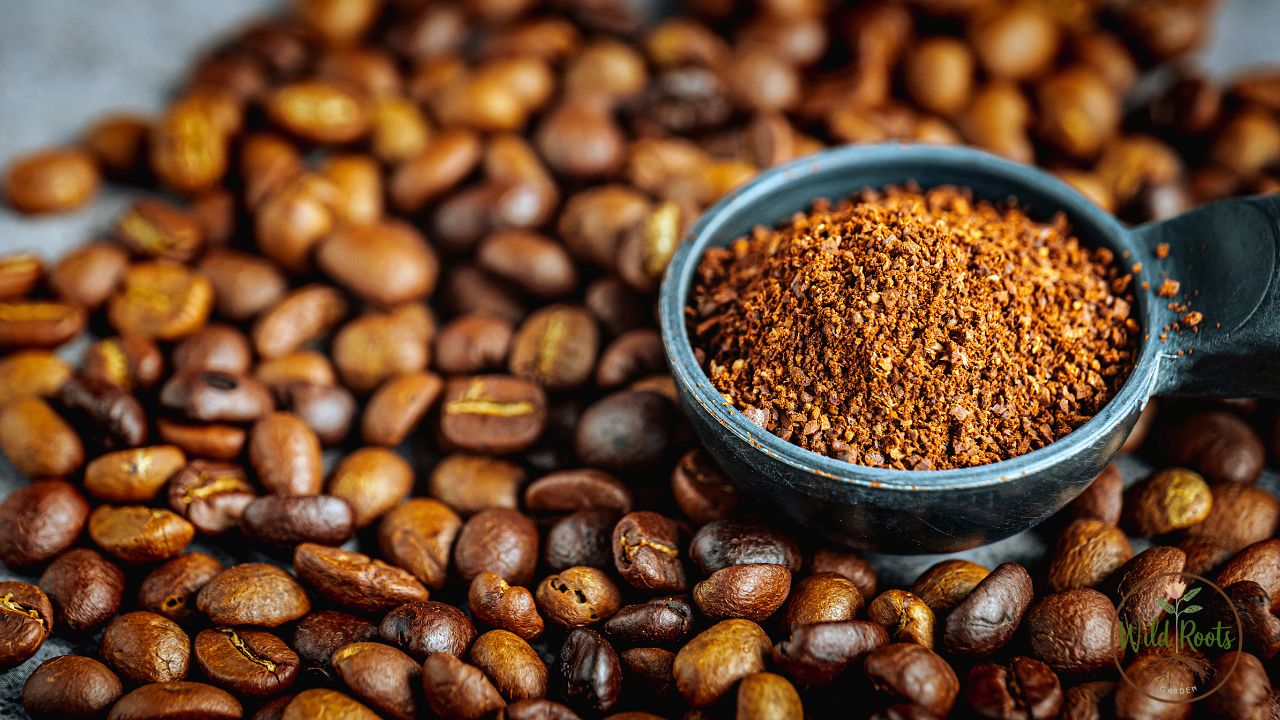
Coffee grinds are the byproduct of the coffee-brewing process. They contain nitrogen, phosphorous, and potassium as well as organic matter and different nutrients. Coffee grounds make a great addition to compost or can be used directly to plants as fertilizer. Before inserting them into your regimen for caring for hibiscus, it is crucial to comprehend their possible advantages and restrictions.
Benefits of Coffee Grounds for Hibiscus
- Enhanced Soil Fertility: Coffee grounds contribute to soil fertility by adding organic matter and nutrients. They improve soil structure and promote microbial activity, creating a healthy environment for hibiscus plants to thrive.
- Slow-release Nitrogen: Nitrogen is a vital nutrient for plant growth, and coffee grounds provide a slow-release source of nitrogen. This steady supply can support the development of lush foliage and vibrant blooms in hibiscus plants.
- Acidification of Soil: Hibiscus plants prefer slightly acidic soil. Coffee grounds, being acidic in nature, can help maintain the optimal pH level for hibiscus growth. However, it is crucial to monitor the pH level regularly to prevent over-acidification.
- Pest Deterrent: Coffee grounds contain compounds that can repel certain pests, such as slugs and snails. By incorporating coffee grounds around the base of hibiscus plants, you may deter these pests and protect your plants from potential damage.
Precautions and Usage Guidelines
While coffee grounds can offer benefits to hibiscus plants, it’s essential to follow some precautions and guidelines:
- Moderation: Use coffee grounds in moderation. Excessive amounts can disrupt the pH balance of the soil, leading to adverse effects on plant health.
- Composting: To maximize the benefits, consider composting coffee grounds before using them as fertilizer. This allows for better decomposition and nutrient release.
- Avoid Fresh Grounds: Avoid using fresh coffee grounds directly on hibiscus plants. Fresh coffee grounds may contain high levels of caffeine, which can be harmful to plants. Let them decompose or compost them first.
- Balance with Other Nutrients: Coffee grounds should be part of a well-rounded fertilization approach. Supplement their usage with other organic fertilizers or natural soil amendments to provide a comprehensive nutrient profile.
Other Organic Alternatives for Hibiscus
Apart from coffee grounds, several other organic options can help nourish hibiscus plants:
- Compost: A well-balanced compost mixture enriches the soil and provides essential nutrients over time.
- Epsom Salt: Epsom salt is rich in magnesium, which promotes healthy foliage and vibrant blooms. Use it sparingly and dilute it with water before applying.
- Banana Peels: Banana peels are a great source of potassium and other trace elements. Blend them into a paste and apply them around the base of hibiscus plants.
- Fish Emulsion: Fish emulsion is a natural fertilizer derived from fish waste. It is rich in nitrogen, phosphorus, and trace elements, making it beneficial for hibiscus growth.
Frequently Asked Questions (FAQs)
1. Can I use coffee grounds directly on my hibiscus plants? It is advisable to compost or decompose coffee grounds before using them on hibiscus plants. Fresh coffee grounds can be harmful due to their caffeine content.
2. How often should I apply coffee grounds to my hibiscus plants? Apply coffee grounds as a fertilizer every few weeks or once a month during the growing season. Monitor the soil pH and plant health to determine the optimal frequency.
3. Are there any plants that should avoid coffee grounds? Plants that prefer alkaline soil, such as some succulents, may not benefit from coffee grounds. It’s best to research the specific needs of each plant before using coffee grounds as a fertilizer.
4. Can coffee grounds attract pests to hibiscus plants? While coffee grounds can repel certain pests like slugs and snails, they may attract other insects like ants. Monitor your plants regularly and take necessary pest control measures.
5. Can I use instant coffee as a substitute for coffee grounds? Instant coffee does not provide the same benefits as coffee grounds. It is recommended to use brewed coffee grounds or composted coffee residue for optimal results.
Conclusion
Coffee grinds can be a useful addition to your hibiscus maintenance regimen since they provide organic matter, nutrients that release slowly, and they control the soil’s acidity. Coffee grinds can help your hibiscus plants grow healthily and produce beautiful blooms when used sparingly and in conjunction with other organic fertilizers. For best results, compost the grinds prior to application and routinely check the soil pH and plant health.