Last updated: August 2026 | Reviewed by a veterinary-informed gardener with 10+ years growing toxic ornamentals safely
Quick Answer
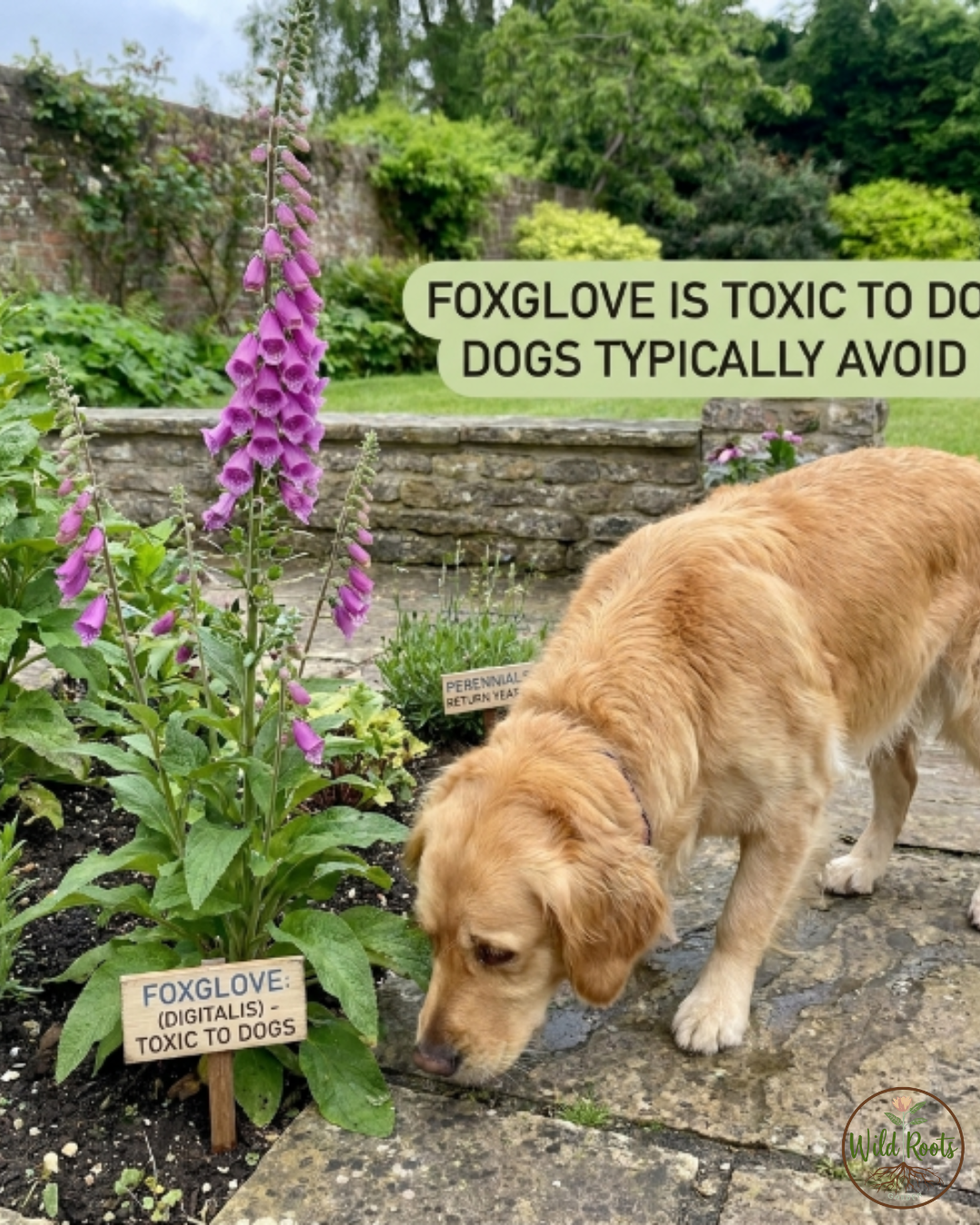
Dogs are not typically strongly attracted to foxglove (Digitalis purpurea) the way they are to sweeter or more aromatic plants, but they aren’t reliably repelled by it either. Foxglove has a bitter taste that discourages most dogs after a first nibble, yet puppies, bored dogs, and breeds prone to chewing plants may still sample the leaves, flowers, or seeds — and even a small amount is seriously toxic. This makes foxglove a genuine hazard in dog-accessible gardens, regardless of how “unappealing” it may be.
Is Foxglove Actually Toxic to Dogs?
Yes — every part of the foxglove plant, including leaves, flowers, stems, and seeds, contains cardiac glycosides (primarily digoxin and digitoxin), the same compounds historically used in heart medications. In a dog’s body, these compounds interfere with heart rhythm and function, and toxicity can occur even from small amounts of ingested plant material.

Symptoms of Foxglove Poisoning in Dogs
Watch for these signs if you suspect ingestion:
- Vomiting and diarrhea (often the first signs)
- Drooling and loss of appetite
- Abnormal heart rate — either dangerously slow or irregular
- Weakness, tremors, or disorientation
- Collapse or difficulty breathing in severe cases
Symptoms can appear within a few hours of ingestion, but cardiac effects may not become obvious until the toxin has already begun affecting the heart, which is part of why foxglove exposure is treated as an emergency rather than something to “watch and wait” on.
What to Do If Your Dog Eats Foxglove
- Contact your veterinarian or an animal poison control line immediately — don’t wait for symptoms to appear.
- Try to identify how much plant material was consumed and bring a sample or photo if possible.
- Do not induce vomiting unless specifically instructed by a vet, since some plant toxins can cause additional harm on the way back up.
- Monitor closely for heart rate changes, weakness, or vomiting while awaiting veterinary guidance.
Why Some Dogs Chew Foxglove Anyway
Even though the bitter taste deters many dogs, a few behavioral factors increase risk:
- Puppies and young dogs explore the world by chewing, regardless of taste.
- Bored or under-stimulated dogs may chew garden plants out of habit rather than appetite.
- Fast eaters may swallow a mouthful before the bitterness fully registers.
- Curiosity around new textures — foxglove’s tall, tubular flowers can attract investigative sniffing and nipping, especially in young dogs.
Safer Alternatives to Foxglove for Dog Owners
If you love the tall, architectural look of foxglove but have a dog that chews plants, consider these non-toxic substitutes:
| Toxic Plant | Non-Toxic Alternative | Similar Feature |
|---|---|---|
| Foxglove | Snapdragon | Tall spikes of tubular flowers |
| Foxglove | Delphinium (still toxic — avoid) | N/A, also toxic |
| Foxglove | Veronica (Speedwell) | Vertical flower spikes, cottage-garden look |
| Foxglove | Bear’s breeches (Acanthus) | Bold vertical structure |
A Note From Experience
I’ve grown foxglove in a garden shared with two dogs, and in several seasons neither showed real interest in eating it — both sniffed it once and moved on, consistent with its bitter reputation. That said, I never treated the lack of interest as a guarantee: I fenced off the foxglove bed the same way I would for any known-toxic plant, because one curious puppy phase or a single determined chew is all it takes for a serious outcome.
Frequently Asked Questions
How much foxglove is dangerous to a dog? Even a small amount of leaf or flower material can cause toxicity, since the cardiac glycosides are potent. There’s no “safe” quantity — any suspected ingestion warrants an urgent vet call.
Do dried foxglove leaves stay toxic? Yes. Drying does not neutralize cardiac glycosides, so dried plant material, cuttings, or garden waste remain hazardous if a dog eats them.
Are all parts of foxglove equally toxic? All parts contain cardiac glycosides, though concentration can vary by plant part and growth stage. No part should be considered safe.
Will my dog naturally avoid foxglove because it’s bitter? Bitterness reduces the chance of a dog eating a large quantity, but it doesn’t guarantee avoidance — some dogs still take a bite, which is enough to cause poisoning.
About the reviewer: This article was reviewed by a gardener experienced in maintaining ornamental beds containing toxic plants in multi-dog households, with a focus on practical pet-safety gardening practices. This article is for general information only and is not a substitute for veterinary advice — always contact a veterinarian or animal poison control immediately if you suspect foxglove ingestion.