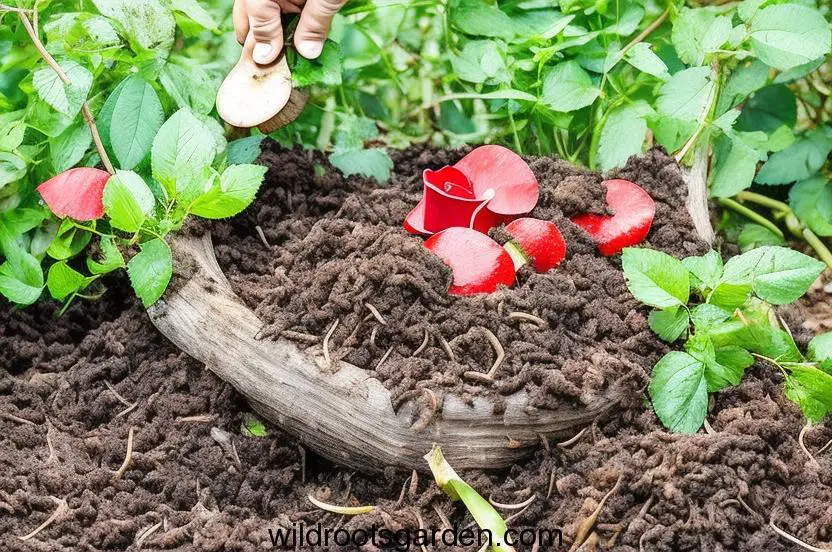
Can You Take a Cutting from a Desert Rose? Do you want to know if it’s possible to cut a desert rose? Find out how to effectively reproduce these lovely plants. Learn practical advice and ideas to help your desert rose cuttings flourish.
Adenium obesum, sometimes known as the desert rose, is a stunning and hardy succulent plant that has gained popularity among gardeners and lovers of indoor plants. You’re in luck if you’ve ever admired a desert rose’s beauty and wondered whether you could grow it from a cutting. This detailed tutorial will go over the processes, advice, and frequently asked questions associated with “propagating” desert roses, often known as taking cuttings from them.
Can You Take a Cutting from a Desert Rose?
Absolutely, you are permitted to take a clipping from a desert rose. Cutting-based propagation is an excellent approach to growing new desert rose plants and spreading the word of their beauty. For desert roses, taking cuttings is a popular and effective way of propagation that enables you to create plants that are genetically identical to the parent plant.
The Process of Taking a Cutting from a Desert Rose
To successfully take a cutting from a desert rose, follow these steps:
1. Choose a Healthy Parent Plant
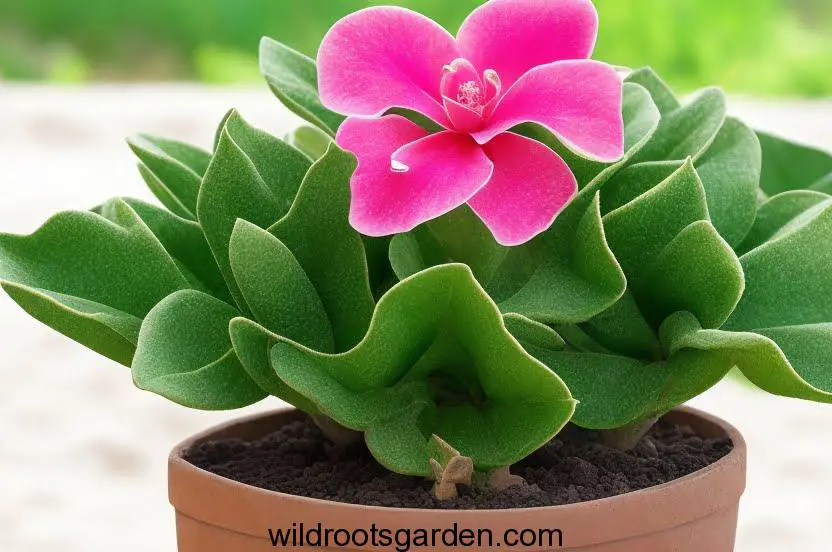
Use a mature, robust desert rose plant as the parent for effective replication. Choose a plant with healthy-looking leaves, sturdy stems, and no evidence of disease or pests.
2. Prepare the Cutting
Using a clean, sharp knife or pruning shears, make a clean cut about 6 to 8 inches from the tip of a healthy stem. Ensure that the cutting has at least two sets of leaves.
3. Allow the Cutting to Callus
After cutting the stem, store the cutting somewhere warm and dry that’s out of the sun. It will be possible to avoid rot and infection throughout the propagation phase by giving the cut end a few days to callus.
4. Choose the Right Potting Mix

Use a well-draining potting mix specifically designed for cacti and succulents. A mix containing sand, perlite, and peat moss will provide the ideal conditions for rooting.
5. Plant the Cutting
Making sure at least one pair of leaves is above the soil line, insert the calloused end of the cutting into the potting soil. To add stability, gently press the earth close to the incision.
6. Watering the Cutting
Be cautious not to overwater the cutting, as desert roses are susceptible to root rot. Water the cutting sparingly, allowing the soil to dry out between watering sessions.
7. Provide Adequate Light
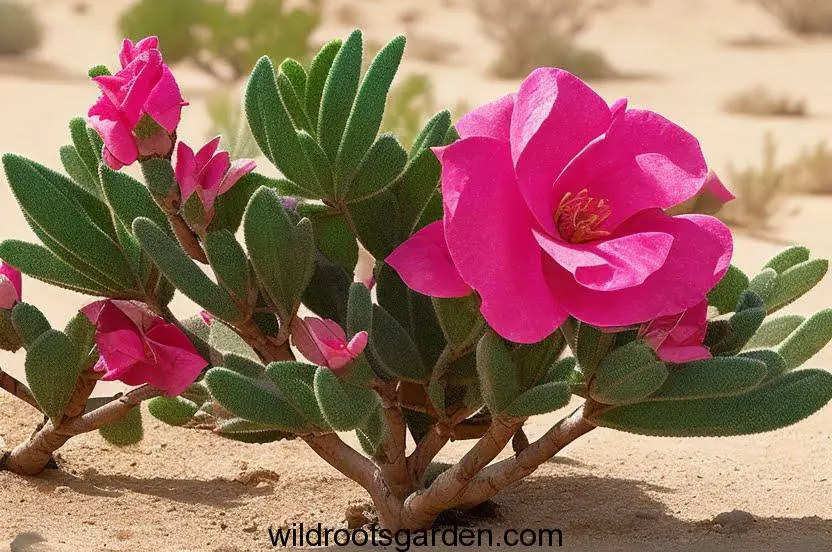
Put the potted cutting somewhere that gets plenty of bright, indirect light. Avoid exposing it to harsh, direct sunlight because doing so could cause the cutting to burn.
8. Monitor and Wait
Throughout the propagation phase, patience is essential. Keep an eye on the cutting and track its development. For roots to form, several weeks to months may pass.
9. Transplanting the Rooted Cutting
If the weather is right, you can transplant the cutting into a larger container once it has developed a strong root system, or you can place it directly in the garden.
Expert Tips for Successful Desert Rose Propagation
- Timing Matters: The best time to take cuttings from a desert rose is during the active growing season, which is typically in the spring and early summer.
- Use Rooting Hormone: Applying a rooting hormone to the cut end of the stem can significantly increase the chances of successful rooting.
- Warmth and Humidity: Desert roses thrive in warm and humid environments, so consider using a propagation tray with a transparent lid to create a mini greenhouse effect.
- Avoid Excess Watering: Overwatering is one of the most common mistakes in desert rose propagation. Remember that these plants are adapted to arid conditions and prefer infrequent watering.
- Pruning for Bushier Growth: If you want a bushier and more compact desert rose, pinch back the tips of the plant during its active growth phase.
Frequently Asked Questions (FAQs)
Q: How long does it take for a desert rose cutting to root?
A: The time it takes for a desert rose cutting to root can vary, but it usually takes anywhere from 2 to 8 weeks. Be patient and provide the right conditions for successful rooting.
Q: Can I propagate a desert rose from a single leaf?
A: No, desert roses cannot be propagated from single leaves. To successfully propagate them, you need a stem cutting with at least two sets of leaves.
Q: What type of container is best for rooting desert rose cuttings?
A: Choose a small pot or propagation tray with drainage holes. This will prevent waterlogging and allow for better root development.
Q: Can I propagate a desert rose cutting in water?
A: While some plants can be propagated in water, desert roses are best propagated in a well-draining potting mix to prevent root rot.
Q: Is it possible to propagate a desert rose from seeds?
A: Yes, desert roses can be grown from seeds, but this method takes longer and may not produce identical plants to the parent.
Q: How often should I fertilize a newly rooted desert rose cutting?
A: Wait at least 4 to 6 weeks before fertilizing a newly rooted cutting. Use a balanced fertilizer diluted to half-strength.
In conclusion, Any plant enthusiast will find growing a desert rose from cuttings to be satisfying and delightful. You may produce new plants that highlight the beauty of these magnificent succulents with the appropriate procedures and maintenance. Keep in mind to pick a robust parent plant, offer ideal circumstances for growth, and be patient while roots. You’ll have a thriving assortment of desert rose plants soon to appreciate and show off to others.
With your newfound knowledge about desert rose propagation, go ahead and give it a go! See as your cuttings develop into colorful, blooming plants that add light to any area while you experience nature’s wonder.