
If you’re gardening in Florida, September is a key month to set yourself up for a bountiful harvest. But what are the best vegetables and fruits to plant right now?
Choosing the right crops can make all the difference between a thriving garden and a disappointing one. You want plants that can handle Florida’s unique climate as it shifts from summer heat toward milder fall days. In this guide, you’ll discover the top fruits and vegetables that flourish when planted in September, helping you grow fresh, delicious produce with less hassle.
Ready to transform your garden and enjoy homegrown goodness? Let’s dive into the best choices for your September planting in Florida.
Warm-season Vegetables
September in Florida offers ideal conditions for growing warm-season vegetables. These crops thrive in the state’s heat and sunlight. Planting them now ensures a fruitful harvest through fall and early winter. Choose varieties that handle Florida’s unique climate well.
Tomatoes
Tomatoes love Florida’s warm days and mild nights. Plant heat-tolerant varieties like ‘Heatmaster’ or ‘Solar Fire.’ Space plants well for air circulation. Water consistently to avoid blossom end rot. Mulch to keep soil moist and cool.
Peppers
Peppers grow best in warm soil and full sun. Choose bell or hot pepper types suited for Florida. Start with healthy seedlings for faster growth. Keep soil rich with organic matter. Watch for pests like aphids and manage early.
Eggplants
Eggplants thrive in warm, sunny spots with well-drained soil. Pick varieties such as ‘Black Beauty’ or ‘Florida High Bush.’ Maintain even watering and avoid wetting leaves. Fertilize regularly to support fruit development.
Beans
Beans are fast-growing and productive in Florida’s warm weather. Plant bush, pole, or lima beans. Provide support for pole beans to climb. Sow seeds directly into the soil. Keep soil moist but not soggy for best results.
Cucumbers
Cucumbers prefer warm soil and plenty of sun. Plant varieties like ‘Marketmore’ or ‘Straight Eight.’ Use trellises to save space and improve air flow. Water at the base to reduce disease risk. Harvest often to encourage more fruit.
Summer Squash
Summer squash grows quickly in warm Florida weather. Choose types like zucchini or yellow squash. Space plants wide to allow air circulation. Water deeply and mulch to keep soil cool. Pick squash early for tender flavor.
Credit: www.gardeningknowhow.com
Cool-season Vegetables
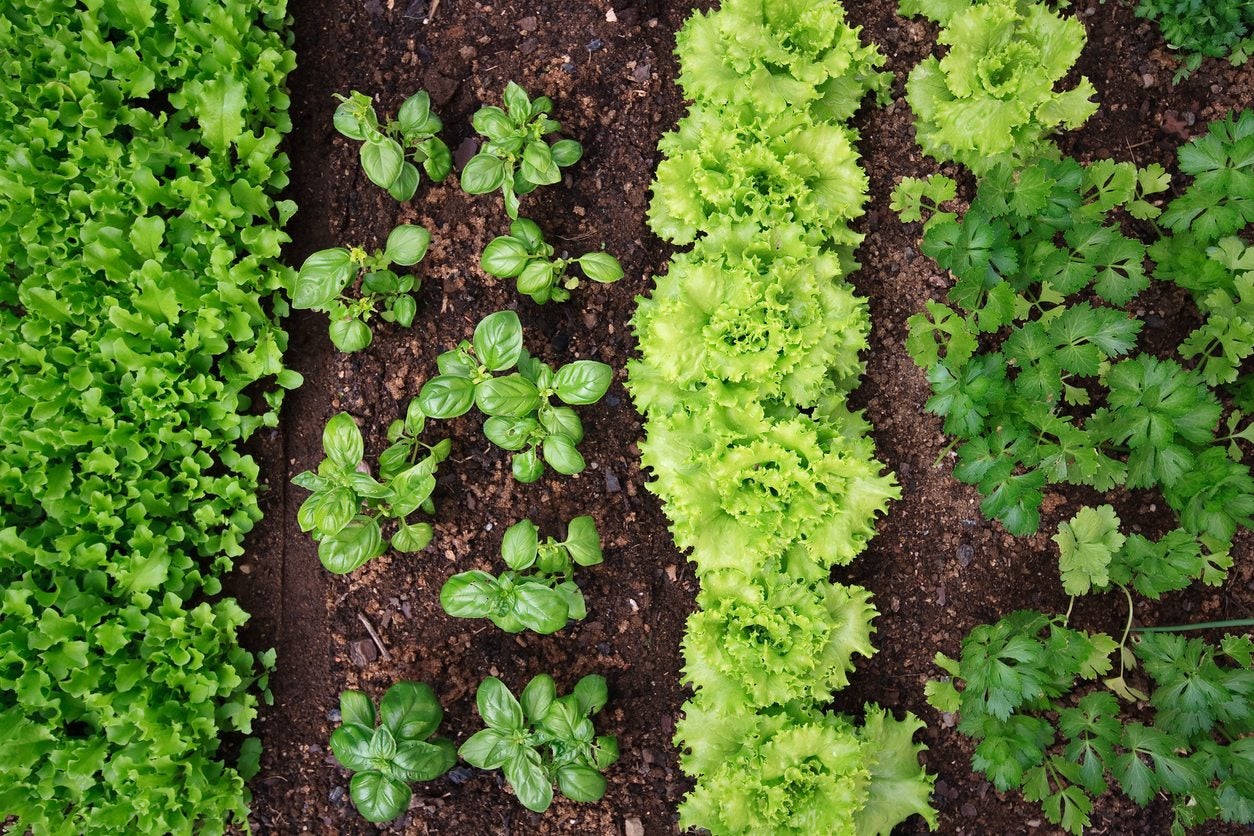
September marks the start of cooler weather in Florida, ideal for planting cool-season vegetables. These plants thrive in milder temperatures and shorter days. They grow well through fall and early winter, giving fresh produce for months.
Planting cool-season vegetables in September helps avoid Florida’s intense summer heat. Gardens become lush with leafy greens and root crops. These vegetables add variety and nutrients to meals.
Lettuce
Lettuce grows quickly in cool weather. Choose loose-leaf or butterhead varieties. Plant seeds directly in the soil for best results. Keep soil moist for tender leaves.
Spinach
Spinach prefers cooler temperatures and rich soil. It germinates fast and can be harvested young. Plant seeds in rows with good spacing. Water regularly to keep leaves fresh.
Carrots
Carrots develop sweet roots in cool soil. Use sandy, loose soil for easy root growth. Sow seeds thinly to avoid crowding. Thin seedlings to improve size and shape.
Broccoli
Broccoli thrives in cool weather and full sun. Start with seedlings for quicker harvests. Space plants to allow good airflow. Keep soil moist and fertilized for healthy heads.
Cauliflower
Cauliflower needs steady cool temperatures. Use transplants for best success. Protect heads from sun to prevent yellowing. Consistent watering supports large, firm curds.
Cabbage
Cabbage grows well in September’s cooler climate. Plant seedlings spaced to allow head development. Fertilize regularly for firm, dense heads. Watch for pests like cabbage worms.
Radishes
Radishes mature quickly, perfect for early harvests. Sow seeds directly in rows. Thin seedlings to avoid crowding. Radishes prefer loose soil and regular watering.
Beets
Beets grow best in cool, moist soil. Sow seeds in well-drained soil. Thin seedlings to give roots room. Both roots and greens are edible and nutritious.
Kale
Kale is hardy and grows well in cooler months. Plant seeds or seedlings in fertile soil. It tolerates light frost, which improves flavor. Harvest leaves regularly for continuous growth.
Onions
Onions need a long growing season and cool weather. Plant sets or seedlings in loose soil. Keep soil moist but not waterlogged. Onions develop bulbs as days shorten.
Celery
Celery requires consistent moisture and cool temperatures. Start with transplants for best results. Provide rich soil and full sun. Regular watering keeps stalks crisp and tender.
Fruits To Plant
September marks a great time to plant fruits in Florida’s warm climate. The weather starts to cool just enough for many fruit plants to thrive. Choosing the right fruits ensures a healthy and fruitful garden as the months progress. Planting in September gives these fruits time to establish before the cooler winter months arrive.
Strawberries
Strawberries grow very well in Florida’s fall climate. Planting them in September allows roots to develop deeply. Choose day-neutral or short-day varieties for best results. They need full sun and well-drained soil to produce sweet berries. Water them regularly but avoid waterlogging the soil. Mulching helps keep the fruit clean and protects roots from temperature swings. Expect fruiting to begin in late winter or early spring. This makes strawberries a rewarding fruit to plant in September.

Credit: www.almanac.com
Planting Tips For September
September is a great time for planting vegetables and fruits in Florida. The weather starts to cool slightly, but the sun remains strong. This month calls for careful preparation to help plants grow healthy and strong. Follow these simple tips to get your garden ready for a successful season.
Starting Seeds Indoors
Begin seeds inside to protect them from harsh sun and heat. Use seed trays or small pots filled with light, well-draining soil. Keep the soil moist but not soaked. Place the trays in a warm, bright spot away from direct sunlight. Transplant seedlings outdoors once they have grown strong leaves and the weather cools down.
Protecting From Heat And Sunlight
Young plants need protection from Florida’s intense sun. Use shade cloths or garden fabric to reduce sunlight exposure. Water plants early in the morning or late in the afternoon to avoid evaporation. Mulch around plants to keep soil cool and retain moisture. These steps help prevent stress and promote steady growth during September’s heat.
Applying The Rule Of Three
Applying the rule of three in your Florida garden helps create balance and visual interest. This simple design trick makes your planting areas look fuller and more appealing. Grouping plants in threes is easy and effective for both beginners and experienced gardeners.
Grouping Plants In Threes
Planting vegetables and fruits in groups of three creates a natural, relaxed look. For example, three tomato plants together form a small cluster that draws attention. This grouping also helps with spacing and air flow, reducing disease risks. Try planting three pepper plants near three eggplants for variety.
Mixing Varieties And Textures
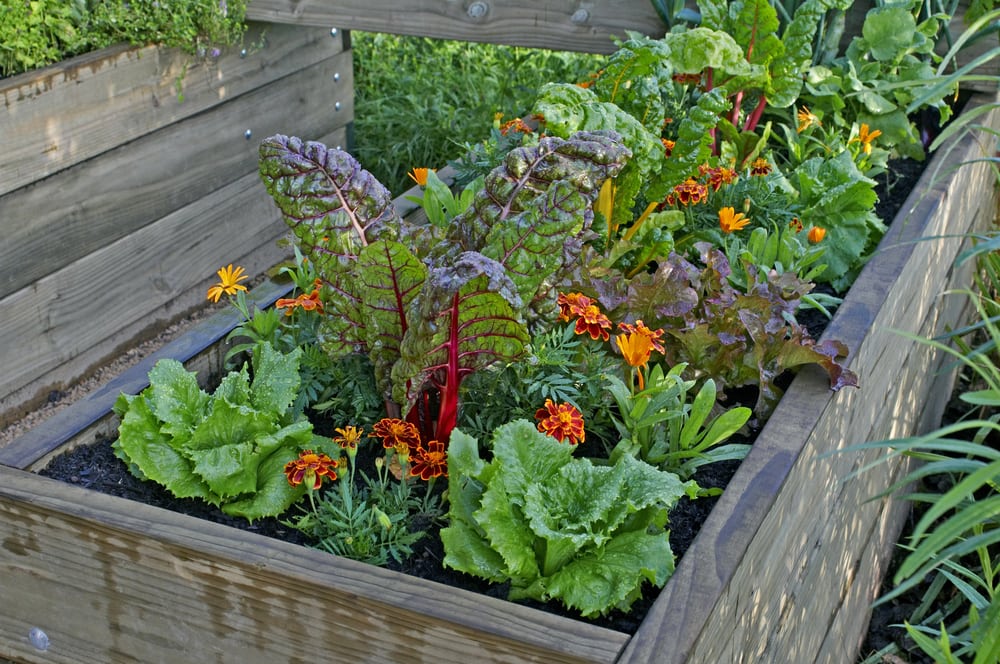
Combine different leaf shapes and colors within your groups of three. Mix smooth cucumber leaves with the rough texture of kale. This contrast adds excitement to your garden beds. Use three types of lettuce with varying leaf colors for a fresh salad patch.
Creating Depth With Height
Arrange plants in threes by height to build layers in your garden. Place tall broccoli at the back, medium carrots in the middle, and low-growing radishes in front. This layering makes your garden look deep and full. It also helps plants get enough sunlight.
Repeating Trios For Cohesion
Repeat groups of three throughout your garden to tie the space together. Plant three bean vines on one side and three squash plants on the other. This repetition creates a rhythm that is easy on the eyes. It also guides visitors through your garden.
Using The Rule For Garden Elements
Apply the rule of three to garden decorations and structures too. Place three garden stakes or three small trellises near your climbing beans. Group three pots of herbs like basil, cilantro, and parsley on a garden bench. This keeps your garden organized and charming.
Credit: www.aces.edu
Frequently Asked Questions
What To Plant In Florida In September?
Plant warm-season crops like tomatoes, peppers, beans, cucumbers, and summer squash. Also, sow cool-season crops such as lettuce, broccoli, carrots, kale, and strawberries for a productive September garden in Florida.
What Is The Rule Of 3 In Gardening?
The rule of 3 in gardening groups plants or elements in threes. This creates natural, balanced, and visually appealing garden designs. It enhances focal points and adds cohesion by repeating triads throughout the garden.
What Vegetables Can You Plant In The Fall In Florida?
Plant cool-season vegetables like lettuce, broccoli, carrots, kale, and cabbage in Florida’s fall. Warm-season crops include tomatoes, peppers, beans, cucumbers, and summer squash. Start seeds in shaded areas to protect from heat. This mix ensures a productive fall garden in Florida’s climate.
What Fruits And Vegetables Can You Plant In September?
Plant tomatoes, peppers, eggplants, beans, cucumbers, and summer squash in September. Also sow lettuce, spinach, carrots, broccoli, cauliflower, cabbage, radishes, beets, kale, onions, celery, and strawberries for cool-season harvests.
Conclusion
September offers a great chance to grow many vegetables and fruits in Florida. Warm-season crops like tomatoes and peppers thrive alongside cool-season plants such as lettuce and broccoli. Starting seeds in protected areas helps young plants avoid harsh sunlight. By choosing the right crops for this month, gardeners can enjoy fresh, homegrown produce soon.
Keep your garden simple and varied for the best results. Happy planting!