Are you eager to grow fresh, nutritious kale right in your own Central Florida garden? Knowing the best time to plant kale seeds can make all the difference between a bountiful harvest and struggling plants.
Kale loves cooler weather, so planting at the right moment helps you avoid pests, boost flavor, and enjoy your greens for months. You’ll discover exactly when to start planting kale seeds in Central Florida, plus simple tips to grow healthy, vibrant plants.
Keep reading to unlock the secrets to a thriving kale garden that will keep your kitchen stocked with delicious, homegrown greens!
Planting Window In Central Florida
Kale grows best in Central Florida’s cooler months. Timing your planting is key for healthy, tasty leaves. Knowing the right planting window helps avoid heat stress and pests. Planting kale seeds too late may cause poor growth. Starting at the best time ensures a longer harvest period.
Ideal Months For Planting
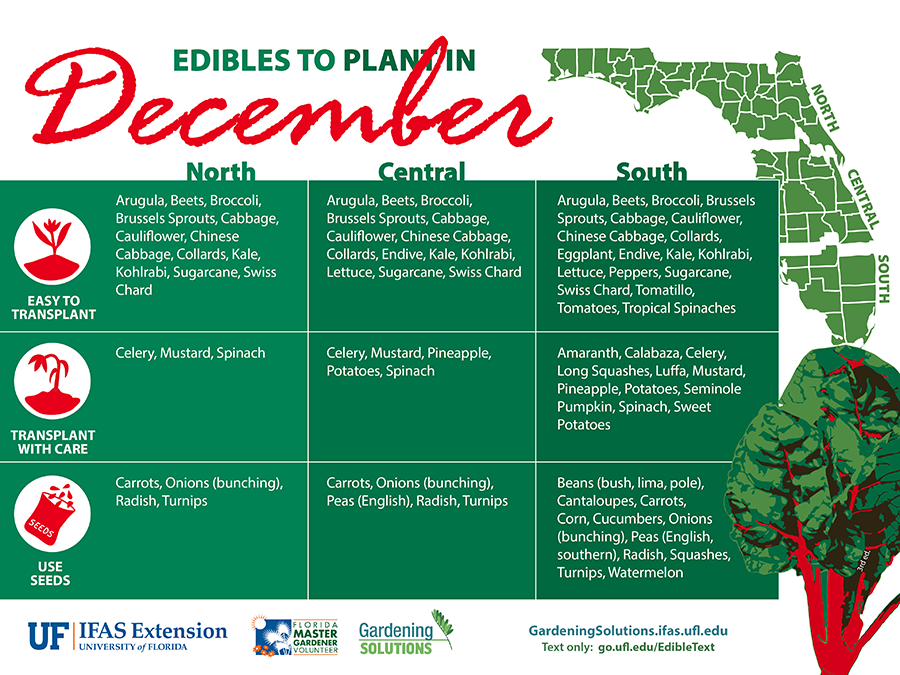
Plant kale seeds from September through February in Central Florida. These months offer cooler temperatures ideal for kale growth. September marks the start of the planting season. February is usually the last month to plant for good results. You can also plant in early March if weather stays mild. Cooler weather helps kale develop rich flavor and tender leaves. Avoid planting during hot summer months, as kale struggles in heat.
Fall To Early Spring Harvest
Planting from fall to early spring gives you fresh kale for many months. Leaves are ready to harvest in about 55 to 75 days after planting. Starting in fall means you enjoy kale throughout winter. Spring planting extends your harvest into early spring. Frosts improve kale’s taste by making leaves sweeter. This season also has fewer pests attacking your plants. Regular harvesting encourages new leaf growth, giving you continuous fresh kale.
Choosing Kale Varieties
Choosing the right kale variety is key for success in Central Florida gardens. Different types handle heat, pests, and soil conditions uniquely. Selecting varieties suited to local climates improves growth and yield. This guide highlights kale types that thrive well in Central Florida’s warm, humid environment.
Florida-friendly Kale Types
Not all kale grows well in Central Florida’s climate. Florida-friendly kale types resist heat and pests better. They also tolerate the region’s humidity and occasional frost. Choosing these types reduces plant stress and improves harvest quality. These varieties produce tender leaves with rich flavor despite challenging weather.
Lacinato And Dwarf Blue Curled Vates
Lacinato kale, also called Dinosaur kale, grows well in Central Florida. It has dark, narrow leaves and a mild taste. Lacinato handles heat better than many other kale types. Dwarf Blue Curled Vates is another excellent choice. It has tightly curled leaves and a compact shape. This variety stays healthy under Florida’s sun and humidity. Both types mature quickly and resist common pests. They fit well into home gardens and small farms alike.
Soil And Site Preparation
Preparing the soil and site is crucial for growing healthy kale in Central Florida. Good preparation helps kale roots grow strong and absorb nutrients well. Start early to improve soil conditions for better plant growth. Focus on soil fertility, drainage, and sunlight to create the best environment for kale seeds.
Soil Fertility And Drainage
Kale prefers rich, well-drained soil to grow well. Clay or heavy soils can hold too much water and harm the roots. Sandy soils need organic matter to hold nutrients and moisture. Test the soil before planting to check nutrient levels and pH. Aim for a soil pH between 6.0 and 7.0 for the best kale growth. Good drainage prevents root rot and supports healthy plants.
Adding Compost
Adding compost improves soil fertility and texture. Use well-rotted compost to add nutrients and organic matter. Spread a 2 to 3-inch layer of compost over the planting area. Mix it into the top 6 inches of soil. Compost helps the soil hold moisture and nutrients longer. It also feeds beneficial microbes that support plant health.
Sunlight Requirements
Kale grows best in full sun with at least 6 hours of direct light daily. Some afternoon shade can protect plants from the hottest sun in Central Florida. Too little sun causes weak growth and poor leaf color. Choose a site with good air circulation to reduce disease risk. Proper sunlight helps kale develop strong, tender leaves.

Credit: www.revivalgardening.com
Planting Methods
Choosing the right planting method affects kale growth and harvest time. Central Florida gardeners have two main options: starting from seeds or using transplants. Each method has advantages and suits different gardener needs. Understanding both helps you decide the best way to grow healthy kale plants.
Starting From Seeds
Plant kale seeds directly in the garden soil from September to February. Use well-drained, fertile soil mixed with compost. Sow seeds about ¼ inch deep and keep the soil moist until germination. Seeds usually sprout in 5 to 10 days. Thin seedlings to 8-12 inches apart for proper growth. Starting from seeds is cost-effective and gives you more control over plant spacing.
Using Transplants
Transplants are young kale plants started indoors or bought from nurseries. Plant transplants in the garden from September through February. Space transplants 12 to 18 inches apart to allow room for leaves to grow. Transplants reduce the time to harvest since plants are already established. They also have a higher survival rate in Central Florida’s warm climate. Water transplants well after planting to help them settle in.
Watering And Maintenance
Proper watering and maintenance are key to growing healthy kale in Central Florida. Kale needs steady moisture and care to develop strong leaves and resist pests. Keeping the soil just right helps your plants thrive through the cooler seasons.
Consistent Moisture
Kale prefers soil that stays evenly moist. Too much water can cause root problems. Too little water makes leaves tough and bitter. Water your kale deeply about once or twice a week. Adjust based on rainfall and soil type. Mulch around plants to keep soil moist longer. This also helps reduce weeds.
Managing Dry Periods
Central Florida can have dry spells during fall and winter. Check your kale daily during dry times. Water early in the morning to reduce evaporation. Use a soaker hose or drip irrigation to water at the base. Avoid wetting the leaves to prevent disease. If leaves show signs of wilting, increase watering frequency. Consistent care keeps kale fresh and flavorful.
Credit: rockledgegardens.com
Pest Management In Cooler Seasons
Managing pests during cooler seasons is key for a healthy kale crop in Central Florida. Pests tend to be less active in fall and winter. This natural slowdown helps protect your plants from damage. Still, some pests remain a threat and need attention. Understanding these pests and how fall planting helps can improve your kale harvest.
Common Pests To Watch
Aphids are small insects that suck sap from kale leaves. They cause curling and yellowing of leaves. Cabbage loopers are green caterpillars that eat large holes in leaves. Flea beetles leave tiny holes and can stunt plant growth. Whiteflies feed on the underside of leaves and spread diseases. Keep an eye on these pests to spot problems early.
Benefits Of Fall Planting For Pest Control
Planting kale in fall lowers pest pressure naturally. Cooler temperatures slow down pest reproduction and feeding. Many pests do not survive the mild cold, reducing their numbers. Healthy kale plants grow stronger and resist pests better. Fall planting also allows for easier use of organic pest controls. This season supports a more balanced garden ecosystem.
Frost And Flavor Benefits
Frost plays a key role in growing kale in Central Florida. It not only protects the plant but also enhances its flavor. Understanding how frost affects kale helps gardeners plan their planting schedule. This knowledge ensures a tastier and longer-lasting harvest.
Impact Of Frost On Taste
Frost causes kale leaves to become sweeter. Cold temperatures break down starches into sugars. This natural process reduces bitterness in the leaves. The result is a mild, pleasant taste that many prefer. Planting kale to mature during cooler months maximizes this benefit.
Extended Harvest Period
Frost also slows kale’s growth, extending the harvest time. Plants stay fresh longer and continue producing leaves. Gardeners can pick kale over several weeks instead of days. This steady supply means less waste and more enjoyment. Timing planting before the first frost helps achieve this advantage.
Tips For Successful Growth
Growing kale successfully in Central Florida requires careful attention to several key factors. Preparing your soil properly, protecting young seedlings, and keeping the soil moist are essential steps. These tips help your kale plants develop strong roots and healthy leaves. Follow these simple guidelines to improve your kale harvest in the cooler months.
Soil Preparation Steps
Start with well-drained soil rich in organic matter. Mix compost or aged manure into the top 6 to 8 inches. This improves soil fertility and texture. Avoid heavy clay or sandy soils without amendments. Test soil pH and keep it between 6.0 and 7.5 for optimal growth. Remove weeds and debris before planting. Loosen the soil to allow roots to spread easily.
Seedling Protection Techniques
Protect young kale seedlings from pests and harsh sun. Use row covers or light fabric to shield from insects. Water seedlings gently to avoid damage. Plant in a spot with morning sun and afternoon shade. This reduces heat stress during Central Florida’s warm days. Check seedlings daily for signs of pests or disease. Remove damaged leaves to keep plants healthy.
Maintaining Soil Moisture
Keep the soil consistently moist but not waterlogged. Water deeply once or twice a week depending on rainfall. Mulch around plants to retain moisture and reduce weeds. Avoid overhead watering to prevent fungal diseases. Use drip irrigation or soaker hoses for best results. Check soil moisture by feeling the soil about an inch deep. Water again when it starts to dry out.
Credit: gardeningsolutions.ifas.ufl.edu
Frequently Asked Questions
When To Plant Kale In Central Florida?
Plant kale in Central Florida from September through February for best growth. Start seeds or transplants early fall to enjoy cooler weather benefits. Choose well-drained soil and provide consistent watering. Planting during this window reduces pests and improves flavor.
Can Kale Be Planted In September?
Yes, plant kale in September for a fall or winter harvest. It thrives in cooler temperatures and reduces pest issues.
Can I Plant Kale Seeds In August?
You can plant kale seeds in August in cooler climates. In warmer areas like Central Florida, start planting from September for best growth. Kale thrives in cooler temperatures, so planting in late summer or early fall ensures a healthy harvest and fewer pests.
How Long Does Kale Take To Grow From Seed?
Kale takes about 55 to 75 days to grow from seed to harvest. Seedlings emerge in 5 to 10 days.
Conclusion
Plant kale seeds in Central Florida from September to February. This timing helps kale grow well in cooler weather. Choose sunny or partly shaded spots with good soil. Keep the soil moist for healthy plants. Frost can improve kale’s flavor.
Select Florida-friendly kale varieties for best results. Starting early ensures a fresh, tasty harvest through winter and spring. Follow these simple steps for a successful kale garden. Enjoy growing nutritious kale all season long.