If you’ve ever dreamed of biting into fresh, juicy fruit straight from your own backyard in Florida, knowing the best time to plant your fruit tree is key. Planting at the right moment gives your tree the strongest start, helping it grow healthy roots and produce delicious fruit year after year.
Whether you’re in sunny South Florida or cooler North Florida, timing can make all the difference between a thriving tree and a struggling one. Keep reading to discover exactly when and how to plant your fruit tree so you can enjoy nature’s sweet rewards sooner than you think!
Credit: floridafruitgeek.com
Planting Seasons In Florida
Florida’s warm climate allows fruit trees to be planted almost year-round. Still, choosing the right season helps trees grow strong. Understanding the best planting seasons improves success rates. Each season offers unique benefits and challenges for fruit trees.
Winter Planting Benefits
Winter is the ideal time to plant many fruit trees in Florida. The soil is cooler and moist, helping roots establish well. Trees enter spring with strong roots and get ready for growth. Planting in winter avoids the harsh summer heat stress. Dormant trees planted now face less shock and recover faster.
Spring Planting Tips
Spring planting works well but requires care. Start early before temperatures rise too much. Water young trees often to keep roots moist. Use mulch to keep soil cool and retain moisture. Watch for pests, which become more active in spring. Choose disease-resistant tree varieties for better results.
Avoiding Summer Heat Stress
Summer planting is not common due to Florida’s intense heat. High temperatures can dry out roots quickly. Young trees may struggle to survive without extra care. Provide shade and water frequently during hot months. Use drip irrigation to deliver water directly to roots. Avoid planting during peak summer heat for best growth.
Choosing Fruit Trees By Region
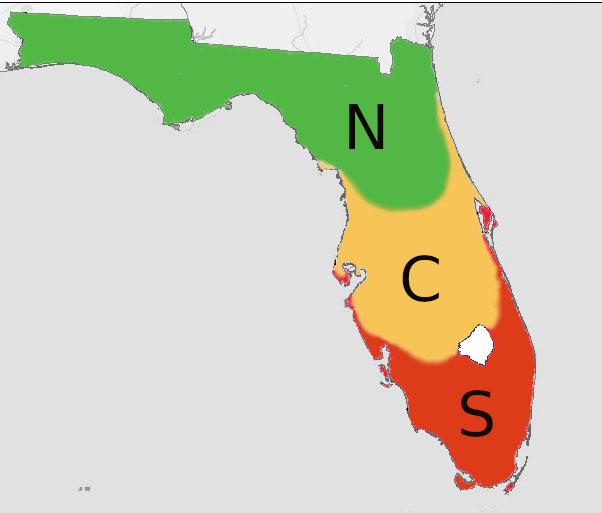
Choosing the right fruit trees depends largely on Florida’s diverse climate zones. Each region has unique weather patterns that affect tree growth and fruit production. Selecting trees suited to your local environment ensures healthier plants and better harvests.
South Florida’s warm, humid climate supports tropical and subtropical fruit trees. Central Florida offers a moderate climate ideal for a wider variety of fruit trees. North Florida experiences cooler winters, requiring fruit trees that tolerate mild cold.
Best Trees For South Florida
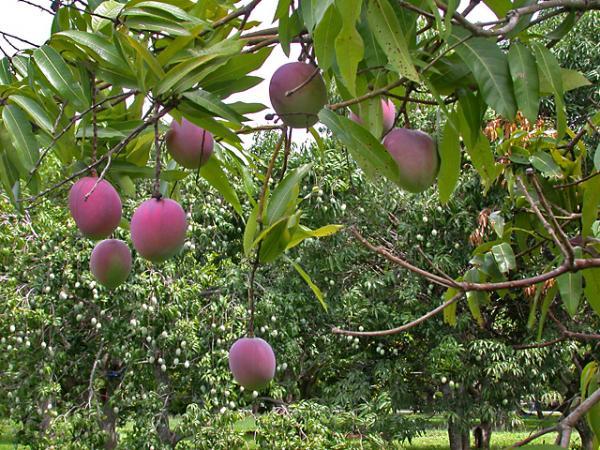
Mango trees thrive in South Florida’s heat and humidity. Choose dwarf varieties for smaller spaces. Avocado trees grow well and adapt to the region’s conditions. Guava plants are low-maintenance and flourish in humid climates. Papaya trees produce fruit quickly and suit South Florida’s environment. Starfruit, also called carambola, adds tropical flavor and visual interest. Sapodilla offers sweet fruit that grows well here. Lychee trees provide fragrant, tasty fruit favored in the area. Jaboticaba trees bear fruit on their trunks, making them unique and popular.
Ideal Varieties For Central Florida
Central Florida supports many tropical and subtropical fruit trees. Mango and avocado trees grow well with proper care. Guava and papaya also adapt nicely to this region. Blueberry bushes perform better here, especially with the right soil pH. Starfruit and sapodilla trees can thrive with adequate protection. Lychee trees may require some frost protection during cold snaps. Jaboticaba trees do well if protected from occasional freezes. This region’s mild winters allow for diverse fruit tree options.
Fruit Trees Suited To North Florida
North Florida’s cooler winters suit fruit trees tolerant of mild cold. Peaches and nectarines adapted for Florida perform well. Lemon and lime trees handle the cooler climate better than other citrus. Plum trees grow successfully with proper care. Cherry trees may fruit if winter temperatures are mild. Mulberry trees are hardy and produce abundant fruit. Guava can survive if shielded from frost. Choose varieties bred for cooler weather to ensure success in North Florida.
Top Fruit Tree Varieties
Choosing the right fruit tree variety makes a big difference in Florida’s climate. Different trees suit different regions and care levels. Some thrive in heat while others prefer milder winters. The best varieties provide tasty fruit and grow well with less effort.
Explore these top fruit tree options to find what fits your garden and lifestyle best.
Citrus Options
Citrus trees are a Florida favorite. Oranges, lemons, and limes do well across the state. They handle heat and humidity with ease. Navel oranges offer sweet, seedless fruit. Key limes are smaller but packed with flavor. Grapefruit trees produce juicy, tangy fruit perfect for fresh juice. Citrus trees usually start fruiting within a few years. They need full sun and well-drained soil to thrive.
Tropical Favorites
Tropical fruit trees shine in South and Central Florida. Mango trees love the warm weather but can grow large. Dwarf varieties suit smaller yards well. Avocado trees grow in many areas and adapt easily. Guava trees require little care and produce sweet fruit. Papaya grows quickly and bears fruit in one to two years. Starfruit, jaboticaba, and lychee trees add exotic flair and unique flavors. These trees prefer warmer climates and plenty of sunlight.
Low-maintenance Choices
Some fruit trees need less attention and still produce well. Mulberry trees grow fast and tolerate various soils. Guava also fits this category with minimal care needs. Blueberry bushes can thrive in Florida with proper soil pH. Sapodilla trees offer sweet fruit and resist pests. These options suit gardeners who want fruit without much work. Planting them in good soil and watering regularly ensures success.
Soil And Site Preparation
Preparing the soil and site is key to growing healthy fruit trees in Florida. Good preparation helps trees establish roots and grow strong. It also improves fruit production and tree health. Follow these steps before planting to give your fruit tree the best start.
Soil Testing And Amendments
Test the soil before planting. This shows the pH and nutrient levels. Florida soils can be sandy and low in nutrients. Adjust the soil by adding organic matter or fertilizers. Use lime to raise pH if soil is too acidic. Proper soil balance helps fruit trees absorb nutrients well.
Selecting A Planting Location
Choose a spot with space for the tree to grow. Avoid areas near buildings or large trees. Fruit trees need room for roots and branches. Pick a location away from strong winds. This protects young trees from damage. Make sure the spot is easy to water and care for.
Drainage And Sunlight Needs
Good drainage is vital. Fruit trees dislike standing water around roots. Plant on a slight slope or raised bed if needed. Check soil drains well after watering. Fruit trees need full sun for at least six hours daily. Sunlight helps fruit develop flavor and size. Avoid shaded or low-light areas.
Planting Techniques
Planting a fruit tree in Florida requires careful techniques to ensure healthy growth. Proper planting helps the tree adjust to the soil and climate. Follow these simple steps for the best start.
Bare-root Tree Handling
Handle bare-root trees with care. Keep the roots moist before planting. Avoid letting them dry out. Trim any broken or damaged roots gently. Soak the roots in water for a few hours before planting. This helps the tree absorb water and nutrients quickly.
Digging The Perfect Hole
Dig a hole twice as wide as the root system. Make it deep enough so the tree sits level with the ground. Loosen the soil around the edges to help roots grow. Avoid adding fertilizer in the hole. Use the original soil for backfilling to avoid root burn.
Watering And Mulching
Water the tree deeply right after planting. This settles the soil and removes air pockets. Keep the soil moist but not soggy during the first few weeks. Apply a 2-3 inch layer of mulch around the tree base. Mulch keeps moisture, reduces weeds, and protects roots from heat.
Tree Care After Planting
Proper care after planting a fruit tree is vital for healthy growth in Florida’s climate. Newly planted trees need attention to irrigation, nutrition, and shaping. Each of these elements supports root development and prepares the tree to produce fruit.
Irrigation Strategies
Young fruit trees require consistent moisture to establish roots. Water deeply once or twice a week, depending on rainfall. Avoid overwatering, which can cause root rot. Mulch around the base to retain soil moisture and reduce weeds. Check soil moisture regularly to adjust watering needs. Drip irrigation systems work well for efficient watering.
Fertilizing Schedules
Start fertilizing about six weeks after planting. Use a balanced fertilizer with nitrogen, phosphorus, and potassium. Apply fertilizer every two to three months during the growing season. Follow package instructions for quantity to avoid overfeeding. Organic options like compost or well-rotted manure also improve soil health. Proper feeding encourages strong growth and fruit production.
Pruning Basics
Prune young trees to shape them and remove damaged branches. Cut back about one-third of new growth in early spring. Remove any crossing or rubbing branches to prevent injury. Keep the center open to allow sunlight and air circulation. Regular pruning helps maintain tree health and improves fruit quality. Use clean, sharp tools to make precise cuts.
Pest And Disease Management
Managing pests and diseases is crucial for growing healthy fruit trees in Florida. The warm climate encourages many pests and pathogens. Early action can protect your trees and improve fruit yield. Understanding common threats helps in effective management.
Common Pests In Florida
Florida fruit trees face pests like aphids, scale insects, and whiteflies. Citrus trees often attract citrus leafminers and psyllids. Fruit flies target mangoes and guavas. Spider mites and mealybugs also cause damage. Identifying pests early stops severe infestations.
Preventative Measures
Plant trees in well-drained soil to reduce disease risk. Prune regularly to increase air flow and sunlight. Remove fallen leaves and fruit to limit pest breeding sites. Use pest-resistant tree varieties suitable for Florida’s climate. Monitor trees weekly to catch problems early.
Organic Control Methods
Neem oil works well against many insects without harming beneficial bugs. Insecticidal soaps can control soft-bodied pests like aphids. Introduce natural predators like ladybugs and lacewings to reduce pest numbers. Use sticky traps to catch flying insects. Compost teas boost tree health and resistance.
Credit: www.edisonfordwinterestates.org
Harvesting And Yield Tips
Harvesting fruit at the right time and using good care methods can boost your tree’s yield. Proper harvesting and storage protect the fruit’s quality and increase the amount you can enjoy. Learning the best practices helps you get the most from your Florida fruit trees.
When To Harvest
Harvest fruit when it reaches full color and size. Taste tests help decide if the fruit is ripe. Pick fruit in the cool morning to avoid damage. Avoid leaving fruit on the tree too long; it may spoil or attract pests.
Maximizing Fruit Production
Prune trees yearly to let sunlight reach all branches. Use mulch to keep soil moist and reduce weeds. Water fruit trees deeply but less often to encourage strong roots. Fertilize trees in early spring with balanced nutrients. Remove small or damaged fruit early to help the tree focus on quality fruit.
Storage And Preservation
Store fruit in a cool, dry place to extend freshness. Use breathable containers to prevent mold growth. Some fruits do well in the refrigerator, while others should stay at room temperature. Preserve excess fruit by freezing, drying, or making jams. Check stored fruit regularly and remove spoiled pieces to protect the rest.
Credit: www.fourwindsgrowers.com
Frequently Asked Questions
When Should You Plant Fruit Trees In Florida?
Plant fruit trees in Florida during late winter to early spring, ideally January to March. This timing helps roots establish before the heat. Choose varieties suited to your region’s climate for best growth and fruit production.
What Is The Best Fruit Tree To Plant In Florida?
The best fruit trees for Florida vary by region. South Florida favors mango, avocado, guava, and papaya. North Florida grows peaches, nectarines, lemons, and limes well. Mulberry and jaboticaba suit many areas and require low maintenance. Choose trees based on climate and space.
Is October Too Late To Plant Fruit Trees?
October can be late for planting fruit trees in colder regions. In warm climates like Florida, it’s still suitable if done early. Planting before dormancy helps roots establish. Avoid planting too close to winter freezes to ensure healthy growth and fruit production.
What Can I Plant In October In Florida?
Plant cool-season vegetables like lettuce, spinach, carrots, and broccoli in Florida during October. Start citrus trees, mango, avocado, guava, and papaya for fruit. October’s mild weather supports planting herbs such as basil and cilantro. Prepare soil well and water regularly for best growth results.
Conclusion
Planting fruit trees at the right time helps them grow strong. In Florida, late winter or early spring works best. This timing lets roots settle before the heat arrives. Choose trees that match your local climate for better results. Regular watering and care support healthy growth.
Start now to enjoy fresh fruit in your own yard. Patience and proper planting bring long-term rewards. Happy gardening!