Are you ready to transform your yard into a lush, green paradise? Knowing the best time to plant grass in Central Florida can make all the difference between a patchy lawn and a vibrant, healthy one.
If you plant too early or too late, your grass may struggle to grow or even fail to take root. But don’t worry—you’re about to discover the perfect planting window that gives your grass the best start possible. Keep reading to learn when and how to plant grass so your lawn thrives all year long in Central Florida’s unique climate.
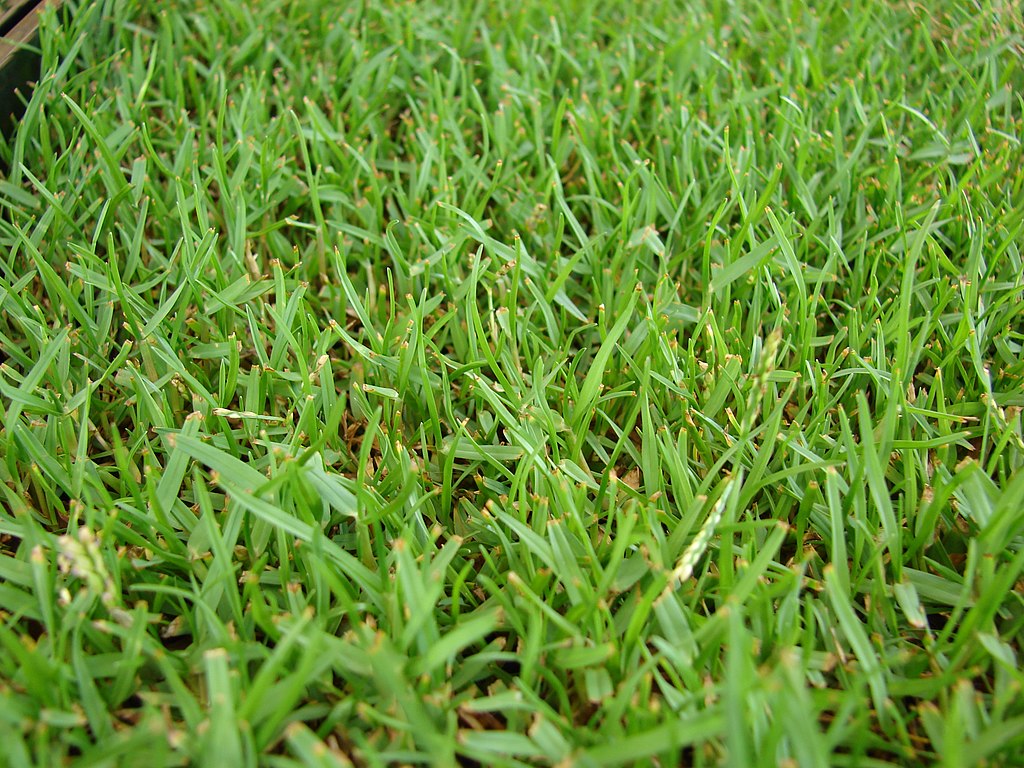
Credit: www.groundsource.pro
Warm-season Grass Timing
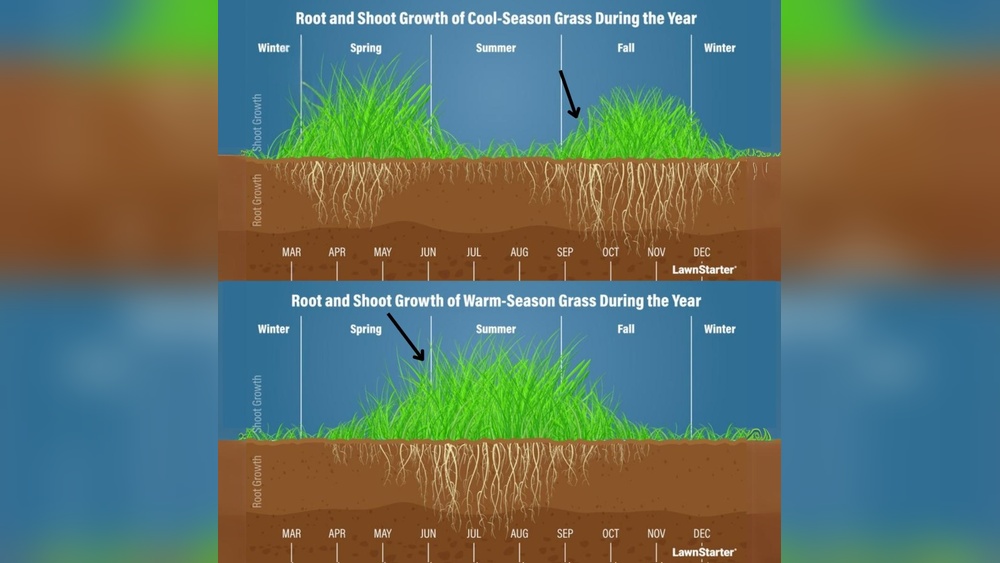
Warm-season grasses thrive in Central Florida’s hot and humid climate. Timing your planting correctly is key to a healthy lawn. Planting during the right months ensures strong root growth and lush grass coverage. Warm-season grasses grow best when soil temperatures stay above 65°F. This allows seeds or sod to establish quickly before the intense summer heat arrives.
Best Months For Planting
The ideal time to plant warm-season grass is from late spring to early summer. This usually means April through July in Central Florida. Soil temperatures rise steadily during these months. Warm and moist soil helps seeds germinate fast. Rainfall is also more consistent, reducing the need for extra watering. Planting during this window gives grass several months to grow before cooler weather comes.
Benefits Of Late Spring To Early Summer
Planting warm-season grass in late spring or early summer offers several advantages. Grass roots develop deeply, making the lawn more drought-resistant. The warmer weather speeds up seed germination and shoot growth. This timing also aligns with Central Florida’s rainy season. Natural rainfall helps keep the soil moist without overwatering. Early planting helps the grass fill in quickly, crowding out weeds later in the year.
Popular Warm-season Varieties
Bermuda grass is a favorite for its toughness and quick growth. It handles heat and heavy foot traffic well. Zoysia grass is another popular choice. It grows slower but creates a dense, soft lawn. Centipede grass is low maintenance and does well in sandy soils. These varieties perform best when planted during the warm-season window. Choose the type that matches your lawn’s sunlight and maintenance needs.

Credit: www.pennington.com
Cool-season Grass Timing
Cool-season grasses in Central Florida require careful timing for planting. These grasses grow best during the cooler months. Planting at the right time helps the grass develop strong roots. This prepares it to survive Florida’s hot summers. Understanding the best time to plant cool-season grass is key for a healthy lawn.
Ideal Planting Window
The best time to plant cool-season grass is late winter to early spring. This period usually runs from March to May. Soil temperatures start to warm, encouraging seed germination. Planting during this window allows grass to establish before summer heat. Early planting leads to a thick, green lawn that resists drought.
Advantages Of Early Spring Planting
Planting cool-season grass in early spring gives several benefits. Seeds have time to sprout and grow before heat stress begins. Young grass roots grow deeper and stronger. Early growth reduces the chance of weeds taking over. The lawn looks greener and healthier throughout spring and fall.
Common Cool-season Types
Fescue is the most common cool-season grass in Central Florida. It tolerates shade and cooler temperatures well. Ryegrass is another popular option for quick germination. Both types need more water during hot months. They work best in lawns with some shade and regular care.
Soil Temperature And Preparation
Understanding soil temperature and preparation is crucial for planting grass in Central Florida. The right soil conditions help seeds germinate quickly and roots grow strong. Preparing the soil properly ensures your lawn will thrive in the warm climate.
Soil temperature affects seed sprouting and root development. Warm soil encourages faster germination. Cold or overly wet soil can slow growth and increase seed failure. Preparing soil before planting improves drainage and nutrient availability.
Optimal Soil Conditions
Soil temperature should be between 65°F and 85°F for most warm-season grasses. This range supports rapid seed germination and healthy root growth. Avoid planting when soil is cooler than 60°F. Soil should be loose and well-drained to prevent waterlogging.
Loosen the soil to a depth of 4 to 6 inches. Remove rocks, roots, and debris that block grass roots. Adding organic matter, like compost, improves soil texture and moisture retention. Well-prepared soil creates an ideal environment for grass seedlings.
Soil Testing And Amendment Tips
Test soil pH before planting to know its acidity or alkalinity. Most grasses prefer a pH between 6.0 and 7.0. Soil testing kits are easy to use and available at garden stores. Testing helps identify nutrient deficiencies or imbalances.
Add lime to raise pH if the soil is too acidic. Use sulfur to lower pH if the soil is too alkaline. Apply fertilizers based on test results to provide essential nutrients. Balanced soil nutrition supports healthy grass growth and color.
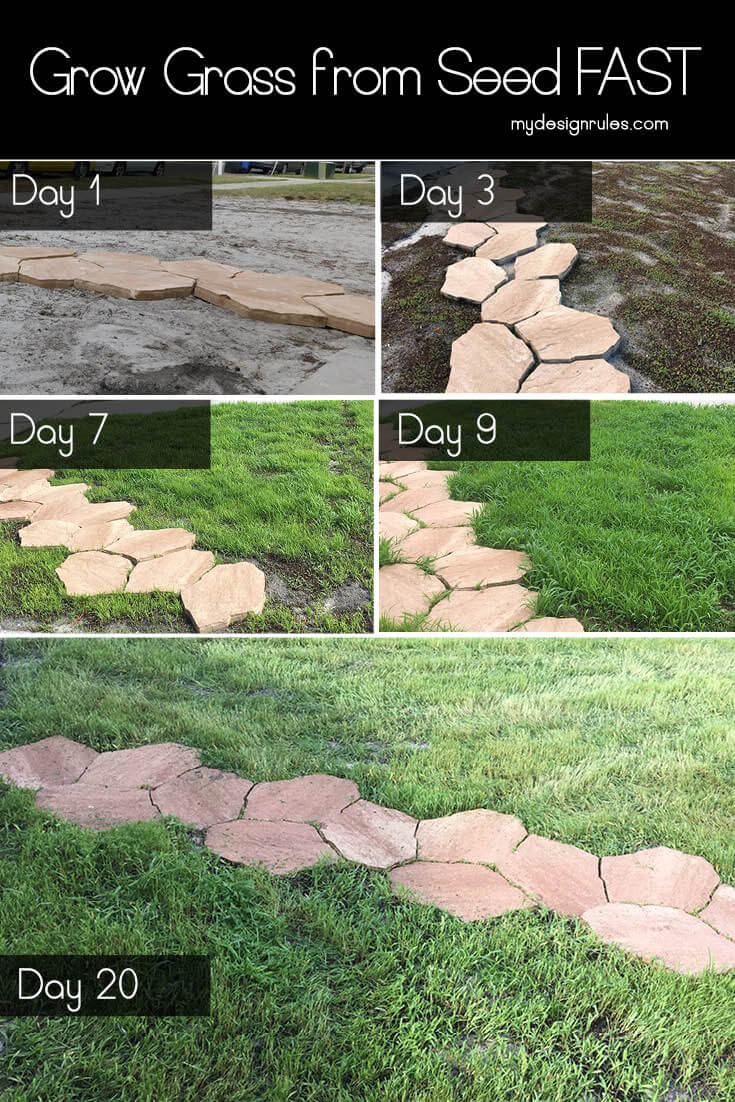
Credit: mydesignrules.com
Watering Strategies
Watering plays a crucial role in establishing a healthy lawn in Central Florida. Proper watering helps grass seeds sprout and develop strong roots. It also prevents the soil from drying out, which can harm new seedlings. Adjusting your watering routine to the weather and soil needs ensures the best results for your grass.
Maintaining Moisture For Germination
Keep the soil consistently moist during the first two to three weeks after planting. Water lightly but often to avoid washing away seeds. Early morning watering helps reduce evaporation and gives seeds enough moisture to start growing. Avoid soaking the soil too much, which can cause seeds to rot or move away.
Using Rainfall To Your Advantage
Central Florida’s rainy season usually begins in late spring, which helps reduce watering needs. Monitor weather forecasts to adjust your watering schedule. Use rainfall to keep the soil moist but never rely on it alone during dry spells. Collecting rainwater can be a great way to water your lawn naturally and save water.
Weed Control Practices
Effective weed control is essential for a healthy lawn in Central Florida. Weeds compete with grass for nutrients, water, and sunlight. Controlling weeds early helps young grass grow strong and thick. Using the right methods protects your new grass and reduces the need for chemicals later. Understanding when and how to manage weeds can save time and effort in lawn care.
Avoiding Pre-emergent Herbicides
Pre-emergent herbicides stop weed seeds from sprouting. These chemicals also block grass seeds from growing. Avoid using them when planting new grass seed. Applying pre-emergents too early can kill your grass seedlings. Wait until your lawn is fully grown before using these herbicides. This prevents damage and allows your grass to establish well.
Timing For Herbicide Application
Apply herbicides carefully and at the right time. For warm-season grasses, wait until the grass is at least three months old. This ensures the grass is strong enough to handle chemicals. Use post-emergent herbicides to target existing weeds without harming grass. Early spring and fall are good times for herbicide use. Always follow product instructions to protect your lawn and environment.
Seasonal Challenges
Planting grass in Central Florida comes with unique seasonal challenges. The state’s climate changes affect grass growth and health. Understanding these challenges helps in choosing the best planting time. It also guides in maintaining a healthy lawn throughout the year.
Seasonal shifts bring heat stress in summer and dormancy in cooler months. Each phase requires different care and attention. Knowing how to manage these can improve grass survival and appearance.
Heat Stress Risks In Summer
Summer in Central Florida is hot and humid. High temperatures can damage young grass. Heat stress causes grass blades to wilt and turn brown. It also slows down growth and root development.
Watering early in the morning helps reduce heat damage. Providing shade for newly planted areas can protect tender grass. Using mulch around seedlings keeps soil moist and cooler. Avoid planting grass too late in summer to prevent heat stress.
Managing Dormancy In Cooler Months
Cooler months in Central Florida bring dormancy for many warm-season grasses. Grass stops growing and may turn brown. This is a natural survival response to lower temperatures.
Water less frequently but deeply to keep roots alive. Avoid heavy fertilizing during dormancy to prevent stress. Plan planting so grass roots are strong before cooler months. This helps grass bounce back quickly when warm weather returns.
Regional Climate Considerations
Choosing the right time to plant grass in Central Florida depends greatly on understanding the region’s climate. The area’s unique weather patterns influence soil temperature, rainfall, and sunlight. These factors affect seed germination and grass growth. Proper timing helps the grass establish strong roots and thrive.
Knowing local climate details helps gardeners decide the best planting window. It also guides care practices after planting. This knowledge reduces the risk of seed failure and promotes a healthy lawn.
Central Florida Weather Patterns
Central Florida has a warm, humid climate. Summers are hot with frequent afternoon thunderstorms. Winters are mild and short with little frost. Rainfall peaks in late spring and summer, supporting grass growth. Soil warms early in the year, ideal for planting warm-season grasses. Dry spells can occur in late winter and fall, requiring irrigation. Understanding these patterns helps pick the best planting time for grass.
Adjusting Planting Based On Local Conditions
Microclimates exist within Central Florida. Coastal areas may be more humid and windy. Inland zones often experience higher temperatures and less humidity. Shade from trees or buildings affects soil warmth and moisture. Sandy soils drain quickly, needing more water. Clay soils hold moisture longer but can compact. Adjust planting schedules to local soil type and sunlight. Monitor weather trends and water needs to support new grass.
Common Mistakes To Avoid
Planting grass in Central Florida requires careful timing and attention. Many gardeners make mistakes that slow down growth or kill new grass. Avoiding common errors helps grass thrive quickly. Learn what to watch out for to get a healthy lawn.
Planting Too Early Or Late
Starting too early means soil is too cold for seeds to sprout. Grass may rot or fail to grow. Planting too late misses the best growing season. Grass struggles with heat and drought. Choose planting time based on grass type and local climate. Warm-season grasses do best from April to July. Cool-season grasses need planting from March to May. Planting within these windows ensures strong roots and good growth.
Improper Watering And Soil Care
Watering too much or too little harms new grass. Overwatering causes root rot and weak plants. Underwatering dries out seeds and stops growth. Keep soil moist but not soaked during germination. Use light, frequent watering until grass is established. Soil quality also matters. Poor soil slows growth and reduces root strength. Test soil and add nutrients or organic matter if needed. Proper watering and soil care give grass the best start.
Expert Tips For Success
Planting grass in Central Florida requires attention and care for the best results. Expert tips can guide you through the process with ease. These tips help ensure your lawn grows healthy and strong. Following expert advice boosts your chances of success.
Maximizing Growth During Growing Season
Plant grass during the warm months from April to July. These months have warm soil and regular rain. Warm soil helps seeds sprout quickly. Rain keeps the soil moist, which grass needs to grow. Avoid planting during dry spells or extreme heat. Water new grass lightly and often to keep soil damp. Remove weeds that compete for nutrients and water. Mow your grass carefully once it grows to a few inches tall. This encourages thicker growth and prevents damage.
Long-term Lawn Maintenance Advice
Maintain your lawn with regular watering, especially in dry times. Water early in the morning to reduce evaporation. Fertilize your grass with the right nutrients in spring and summer. Use fertilizers suited for warm-season grasses like Bermuda or Zoysia. Aerate the soil once a year to help roots breathe and absorb nutrients. Control pests and diseases quickly to avoid spreading. Avoid heavy foot traffic on new grass until it is strong. Keep mowing at the right height to protect grass blades and roots. A healthy lawn needs consistent care throughout the year.
Frequently Asked Questions
What Is The Best Month To Plant Grass Seed In Florida?
The best months to plant grass seed in Florida are April through July for warm-season grasses. Plant cool-season grasses from March to May. This timing ensures warm soil and consistent moisture for strong root growth before summer heat arrives.
What Is The Easiest Grass To Grow In Central Florida?
Bermuda grass is the easiest to grow in Central Florida. It thrives in warm temperatures and requires minimal care. Its drought tolerance and rapid growth make it ideal for the region’s climate. Plant from April to July for best results.
Is October 1 Too Late To Plant Grass Seed?
October 1 may be too late for planting grass seed in many regions. Cooler soil and shorter days slow germination. Early fall or spring usually works best.
Can You Just Throw Grass Seed On The Ground And It Will Grow?
You cannot just throw grass seed on the ground and expect it to grow well. Prepare the soil, remove weeds, spread seeds evenly, and water consistently for best results. Proper care ensures strong germination and healthy grass growth.
Conclusion
Planting grass at the right time helps ensure a healthy lawn. In Central Florida, warm-season grasses do best when planted from April to July. This period offers warm soil and good rainfall for strong growth. Cool-season grasses should be planted earlier, from March to May, to avoid summer heat stress.
Keep the soil moist and avoid weed killers until the grass is well established. Following these simple steps will help your grass grow thick and green all year. Start planting at the right time for a beautiful lawn that lasts.