
If you want to attract beautiful monarch butterflies and support local wildlife, planting milkweed is a great choice. But did you know that the timing of when you plant milkweed in Florida can make a big difference in how well your seeds grow?
You might wonder, “When is the best time to plant milkweed here? ” Planting too early or too late can hurt your chances of success. You’ll discover the perfect time to plant milkweed in Florida, along with simple tips to help your seeds sprout strong and healthy.
Keep reading to learn how to turn your garden into a thriving butterfly haven!
Credit: hydrangeasblue.com
Milkweed Varieties For Florida
Choosing the right milkweed variety is key to a thriving butterfly garden in Florida. Milkweed plants support monarch butterflies and other pollinators. Florida’s climate suits many types of milkweed, both native and non-native. Understanding these varieties helps gardeners pick the best plants for their location and season.
Native Species
Native milkweed species adapt well to Florida’s environment. They provide the best habitat and food for local butterflies. Common native species include:
- Asclepias tuberosa (Butterfly Weed) – Bright orange flowers attract many pollinators.
- Asclepias incarnata (Swamp Milkweed) – Prefers moist soils and blooms pink flowers.
- Asclepias perennis (Aquatic Milkweed) – Grows well in wet areas.
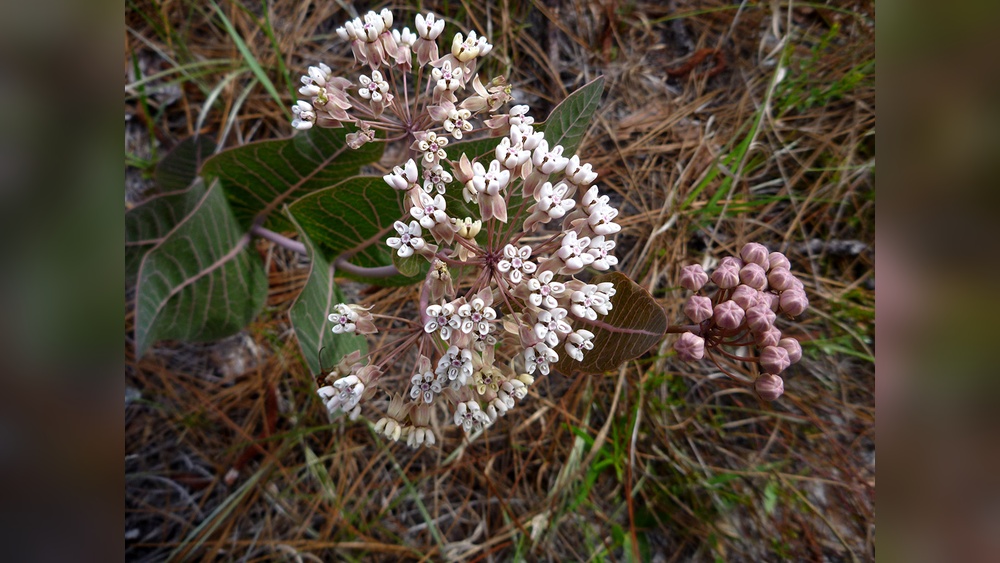
- Asclepias humistrata (Sandhill Milkweed) – Thrives in sandy soils and dry conditions.
These species support monarch caterpillars and help maintain local ecosystems. Planting native milkweed promotes biodiversity and butterfly survival.
Non-native Options
Some gardeners choose non-native milkweed for variety and year-round blooms. These plants may grow faster or bloom longer. Popular non-native options are:
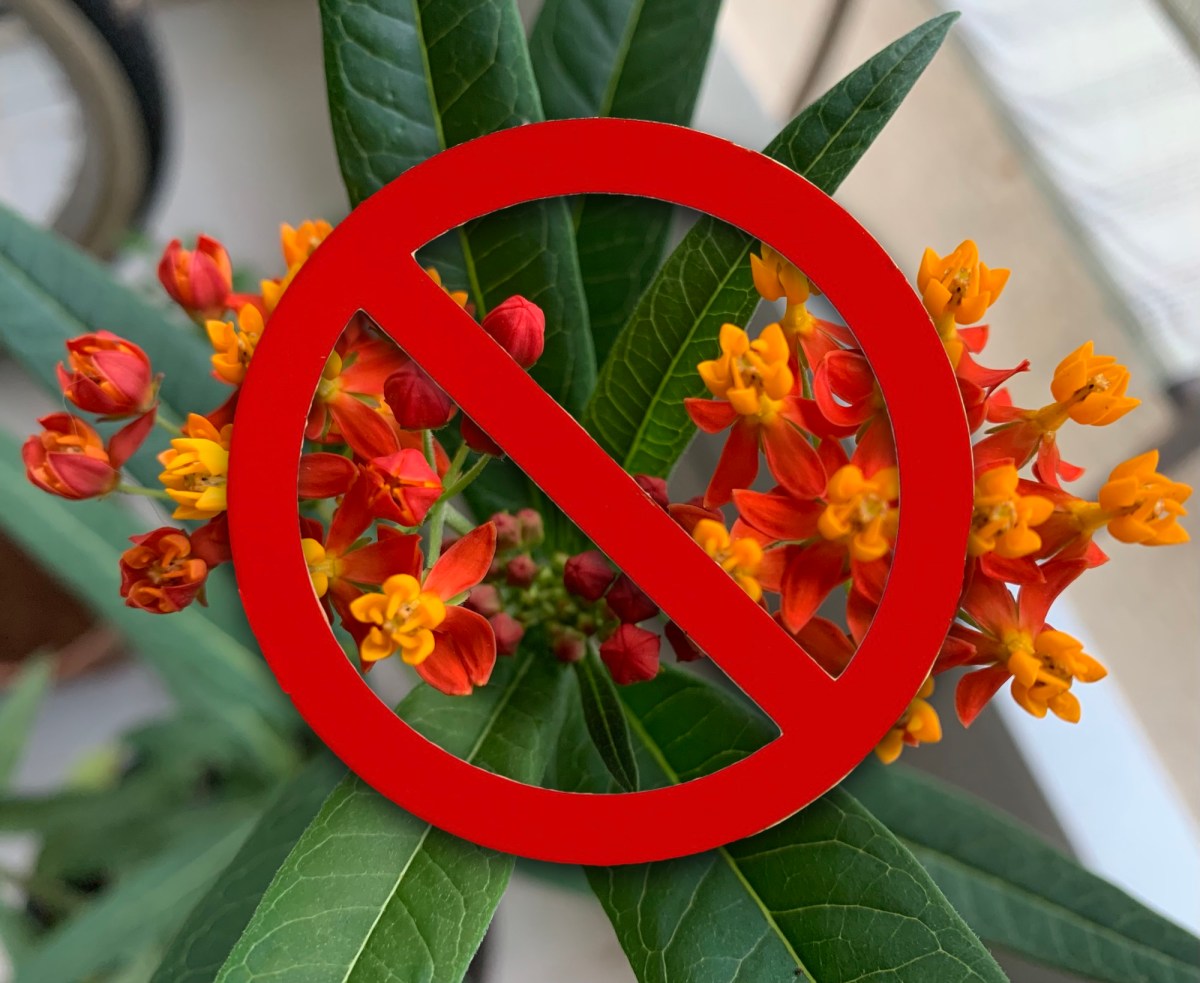
- Asclepias curassavica (Tropical Milkweed) – Bright red and orange flowers that bloom most of the year.
- Asclepias physocarpa (Swan Plant) – Known for its unique seed pods and fast growth.
Non-native milkweed can attract monarchs but may also affect their migration. Tropical milkweed sometimes disrupts natural breeding cycles. Cut back tropical milkweed in winter to avoid problems.
Choosing the right variety helps your garden flourish and supports monarch butterflies effectively.
Ideal Planting Seasons
Choosing the right season to plant milkweed in Florida ensures strong growth and healthy plants. The timing affects seed germination and plant survival. Florida’s climate allows planting in both fall and spring with distinct benefits. Understanding these seasons helps gardeners plan for success.
Fall Planting Benefits
Planting milkweed in fall takes advantage of natural cold stratification. Seeds experience cool, moist conditions during winter, which helps break dormancy. This process leads to better and faster germination in spring. Fall planting also allows roots to establish before hot weather arrives. The soil is still warm enough to encourage root growth. Fall planting reduces competition from weeds, which slows down in cooler months. Overall, fall gives milkweed a strong start for the growing season.
Spring Planting Considerations
Spring planting is common but needs careful timing in Florida. Seeds should be planted after the last frost date. Soil temperature must be warm enough for seeds to sprout, usually above 60°F. Spring planting may require extra watering as temperatures rise quickly. Germination can be slower without prior cold stratification unless seeds are pre-chilled. Starting seeds indoors before transplanting can improve success. Spring planting works well if fall planting was missed or delayed.
Seed Preparation Techniques
Preparing milkweed seeds properly increases germination success in Florida’s warm climate. Seeds need specific care to break dormancy and sprout strong. Following simple seed preparation techniques helps you grow healthy milkweed plants that attract butterflies and support local ecosystems.
Cold Stratification Process
Cold stratification mimics winter conditions to wake up milkweed seeds. Place seeds between damp paper towels or in a moist sand mix. Seal them in a plastic bag to keep moisture. Store the bag in the refrigerator for 30 to 45 days. This cold period triggers the seed’s natural growth cycle. Without stratification, many milkweed seeds will not sprout well or at all.
Moisture And Temperature Tips
Keep the seeds damp but not soaking wet during stratification. Too much water can cause mold or seed rot. Use room temperature water to moisten the paper towel or medium before refrigerating. After stratification, plant seeds in warm soil between 70°F and 85°F for best results. Warm soil encourages faster germination and strong seedlings. Monitor soil moisture and avoid letting it dry out while seeds start to grow.
Site Selection And Soil
Selecting the right site and soil is key for planting milkweed in Florida. Milkweed thrives best in spots where the soil and sunlight meet its needs. Choosing the proper location helps plants grow strong and supports local butterfly populations.
Sunlight Requirements
Milkweed needs full sun to grow well. It should get at least six hours of direct sunlight each day. Sunlight helps the plant make food and bloom. Avoid shady areas as they slow growth and reduce flower production.
Soil Type And Drainage
Milkweed prefers well-drained soil that is not too rich. Sandy or loamy soil works best in Florida’s climate. Good drainage stops water from pooling around roots, which can cause rot. Test soil by digging a small hole and filling it with water. If water drains within a few hours, the site is suitable.
Avoid heavy clay soils or spots where water stands after rain. These conditions harm milkweed roots and stunt growth. Adding organic matter can improve soil texture and drainage if needed.
Planting Methods
Choosing the right planting method improves milkweed growth in Florida. Proper techniques help seeds sprout strong and healthy. Understanding how to plant seeds increases your success and supports butterfly habitats.
Direct Seeding Vs. Starting Indoors
Direct seeding means planting seeds straight in the ground. It works well in fall for natural cold stratification. Seeds get moisture and cold to wake up in spring. Starting indoors allows better control of temperature and moisture. You can transplant seedlings after they grow stronger. Both methods have pros and cons. Direct seeding is easier but slower. Starting indoors needs more care but may produce faster growth.
Proper Seed Placement
Plant milkweed seeds on the soil surface or just below it. Press seeds lightly into the soil for good contact. Avoid burying seeds too deep, as they may not sprout. Choose a sunny spot with well-drained soil. Clear away weeds and debris before planting. Proper placement helps seeds absorb moisture and oxygen for germination.
Covering And Protecting Seeds
Cover seeds with a thin layer of soil or mulch, about 1/8 inch thick. This keeps seeds moist and safe from birds and pests. Mulch also helps regulate soil temperature. Avoid thick layers that block light or prevent seedlings from emerging. Water gently after planting to settle the soil. Protecting seeds ensures better germination and stronger plants.

Credit: environmentamerica.org
Increasing Germination Success
Increasing the germination success of milkweed seeds in Florida requires careful steps. Milkweed seeds need specific conditions to sprout well. Preparing the seeds and planting area properly boosts growth chances. Protecting seeds from pests and avoiding careless scattering are key. Follow these tips to grow healthy milkweed plants.
Avoiding Seed Scatter Pitfalls
Scattering milkweed seeds directly on the ground lowers germination rates. Seeds may not touch soil well, causing poor sprouting. Seeds left on the surface become easy targets for birds and rodents. Many milkweed types need cold and moist conditions to sprout. Simply scattering seeds does not provide this cold stratification. Instead, plant seeds in prepared soil or start them indoors. Lightly cover seeds with soil or mulch for better soil contact. This protects seeds and helps keep moisture.
Pest Protection Strategies
Milkweed seeds and seedlings attract pests like snails, slugs, and rodents. These pests can eat seeds before they sprout. Use natural barriers such as mesh or garden fabric to protect planting areas. Handpick pests regularly to reduce damage. Avoid overwatering, which attracts slugs and snails. Starting seeds in pots indoors reduces pest risks. Transplant seedlings when strong enough. Healthy plants resist pests better and grow faster.
Watering And Maintenance
Proper watering and maintenance are essential for healthy milkweed growth in Florida. Milkweed plants need the right moisture levels to thrive, especially during their early stages. Regular care keeps plants strong and supports butterfly populations.
Watering should be balanced to avoid both dryness and waterlogging. Consistent attention helps seedlings develop deep roots. Maintenance also includes managing weeds that compete for nutrients and space.
Irrigation Tips For Seedlings
Keep soil moist but not soaked during the first few weeks. Water seedlings gently to avoid washing away seeds or damaging roots. Early morning watering reduces evaporation and fungal risks. Use a spray bottle or drip irrigation for controlled watering. Check soil moisture daily, especially during dry spells.
Weed Control Approaches
Remove weeds regularly to prevent competition for water and nutrients. Mulching around plants helps suppress weed growth and retains soil moisture. Hand-pulling is effective for small weed patches. Avoid herbicides that may harm milkweed or butterflies. Clear weeds carefully to protect young plants’ roots.
Transplanting Seedlings
Transplanting milkweed seedlings is a key step in growing healthy plants. Moving seedlings outdoors at the right time helps them adapt well to their new environment. Proper handling during transplanting reduces stress and supports strong growth. This section explains how to transplant milkweed seedlings effectively in Florida.
Timing For Moving Outdoors
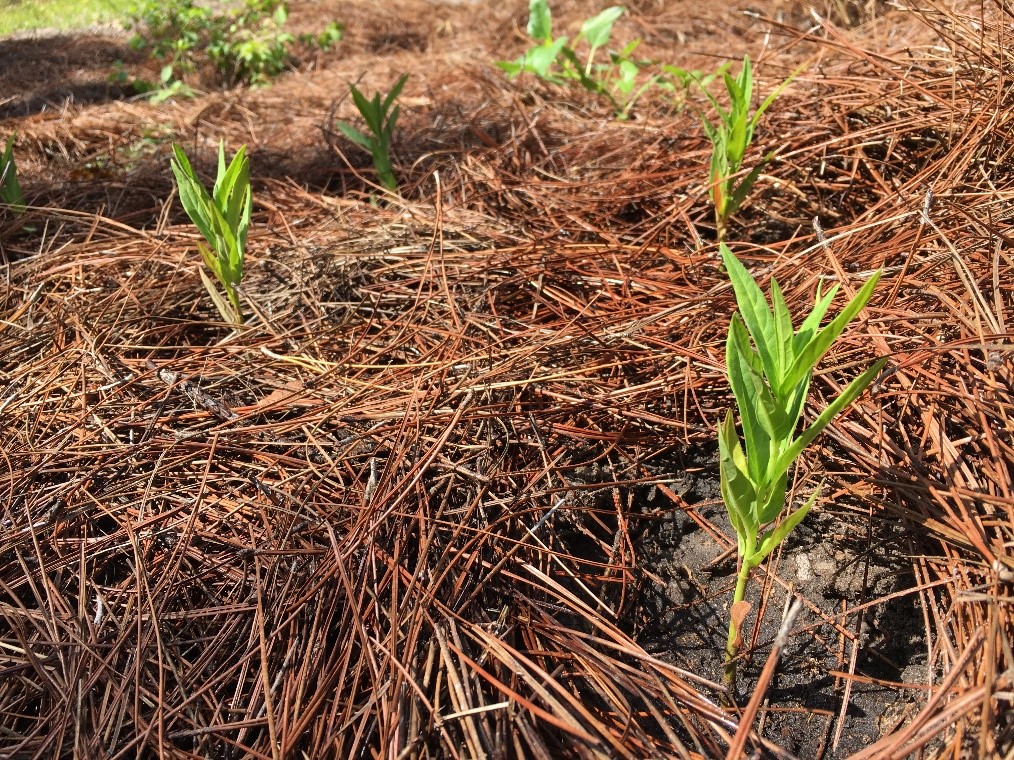
Move milkweed seedlings outside after the last frost date in your area. In Florida, this is usually in late February to early March. Seedlings should have at least two sets of true leaves before transplanting. Transplanting too early can expose seedlings to cold damage. Wait until the soil warms up to about 60°F for best results. Morning or late afternoon transplanting helps avoid heat stress on young plants.
Handling Seedlings Safely
Handle milkweed seedlings gently to avoid damaging roots or stems. Use a small tool or your fingers to lift seedlings from pots. Keep the soil around roots intact during transplanting. Avoid pulling seedlings by their stems. Water seedlings well before and after transplanting to reduce transplant shock. Plant seedlings at the same soil depth they grew in pots. Mulch around the base to keep soil moist and protect roots.
Common Challenges
Planting milkweed in Florida offers many benefits for butterflies and the environment. Yet, gardeners often face common challenges that affect growth and survival. Understanding these issues helps improve your planting success and supports healthy milkweed development.
Dealing With Pests
Pests such as aphids, caterpillars, and beetles often attack milkweed. These insects feed on leaves and stems, weakening the plants. Regularly check your milkweed for signs of pest damage. Use natural methods like handpicking or insecticidal soap to control pests. Avoid harsh chemicals that harm beneficial insects like monarch butterflies.
Managing Soil Issues
Florida’s soil varies widely, sometimes posing problems for milkweed. Poor drainage or heavy clay soil can cause root rot. Sandy soils may dry out quickly, stressing young plants. Improve soil by mixing in organic matter like compost. Ensure the planting site has good drainage and receives plenty of sunlight. Testing soil pH helps maintain the slightly acidic to neutral range milkweed prefers.
Credit: www.naplesgarden.org
Supporting Monarch Butterflies
Supporting Monarch Butterflies is a vital reason to plant milkweed in Florida. Monarchs depend on milkweed plants for survival. These plants provide food and habitat for their larvae. By planting milkweed at the right time, you help protect this important species. Florida’s climate allows planting milkweed mostly in fall and spring. This timing supports monarchs’ breeding and migration cycles.
Milkweed’s Role In Lifecycle
Milkweed is the only plant monarch caterpillars eat. Female monarchs lay eggs on milkweed leaves. Once hatched, caterpillars feed on these leaves to grow. Without milkweed, caterpillars cannot survive. The plant also supplies nectar for adult monarchs. Milkweed’s presence supports the entire monarch lifecycle from egg to butterfly.
Creating A Pollinator-friendly Habitat
Planting milkweed helps create a safe home for pollinators. Monarchs are key pollinators that help many plants grow. Milkweed attracts other pollinators like bees and butterflies. Choose sunny spots with well-drained soil for planting. Avoid using pesticides around milkweed to keep pollinators safe. A pollinator-friendly habitat boosts biodiversity and supports healthy ecosystems.
Frequently Asked Questions
Can I Plant Milkweed In September?
Yes, you can plant milkweed in September. Fall planting allows natural cold stratification, improving spring germination rates. Ensure seeds have good soil contact and cover them lightly with soil or mulch for best results.
Can I Just Scatter Milkweed Seeds?
Scattering milkweed seeds alone lowers germination rates and increases pest loss. Cold stratify seeds and ensure good soil contact for best results. Plant in fall, cover lightly with soil or mulch, or start indoors for higher success.
Where Should You Not Plant Milkweed?
Avoid planting milkweed in shady, poorly drained areas or where invasive species dominate. Also, steer clear of locations with heavy foot traffic or frequent mowing.
What Is The Best Milkweed To Grow In Florida?
The best milkweed for Florida is Tropical Milkweed (Asclepias curassavica). It thrives in warm climates and supports monarch butterflies year-round.
Conclusion
Plant milkweed in Florida during fall for best growth results. Fall planting lets seeds experience natural cold and moisture. This helps seeds sprout strong in spring. Avoid just scattering seeds; they need good soil contact. Cover seeds lightly to protect from pests and dry conditions.
Starting seeds in pots indoors also improves success. Choose a sunny spot with well-drained soil for planting. Taking these simple steps helps milkweed thrive. Watch your garden bloom with healthy milkweed plants soon.