Are you ready to grow a thriving vegetable garden right here in Central Florida? Knowing the best time to plant your vegetables can make all the difference between a bountiful harvest and a disappointing crop.
Central Florida’s unique climate means your planting schedule isn’t the same as in other regions. If you plant too early or too late, your plants might struggle with the intense heat or unexpected cold snaps. You’ll discover the perfect windows for planting both cool-season and warm-season vegetables.
You’ll also get simple tips to protect your garden from the weather’s surprises. Keep reading to learn exactly when and what to plant so your garden can flourish year-round!
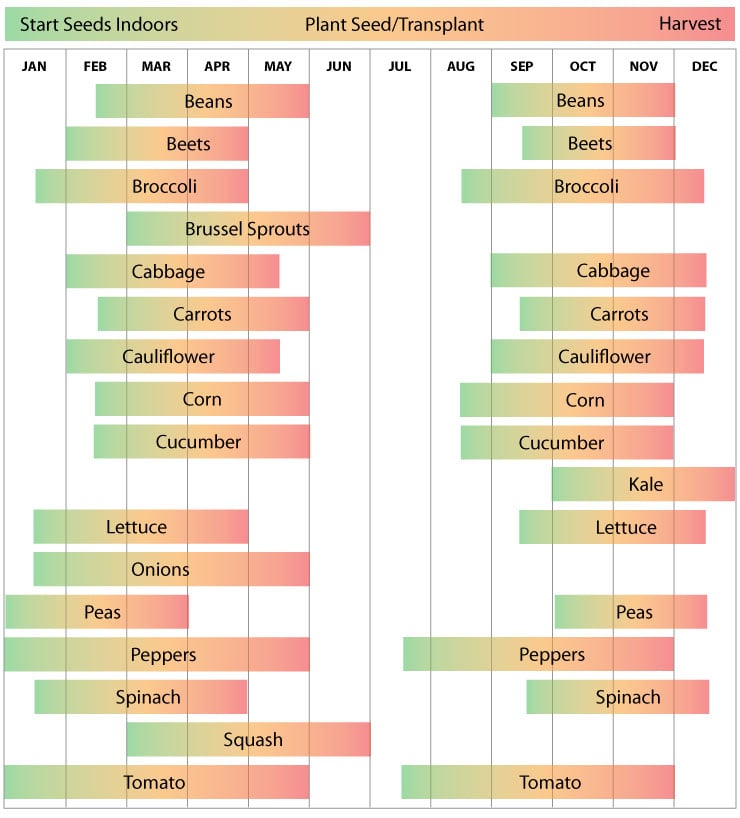
Credit: www.ufseeds.com
Fall And Winter Planting
Fall and winter bring cooler temperatures to Central Florida, creating perfect conditions for growing many vegetables. These seasons allow gardeners to grow crops that struggle in summer heat. Planting during fall and winter helps avoid pests and diseases common in warmer months.
Many cool-season vegetables thrive in Central Florida’s mild winters. Starting seeds indoors gives young plants a head start before transplanting outdoors. This approach improves growth and yields during these seasons.
Ideal Planting Window
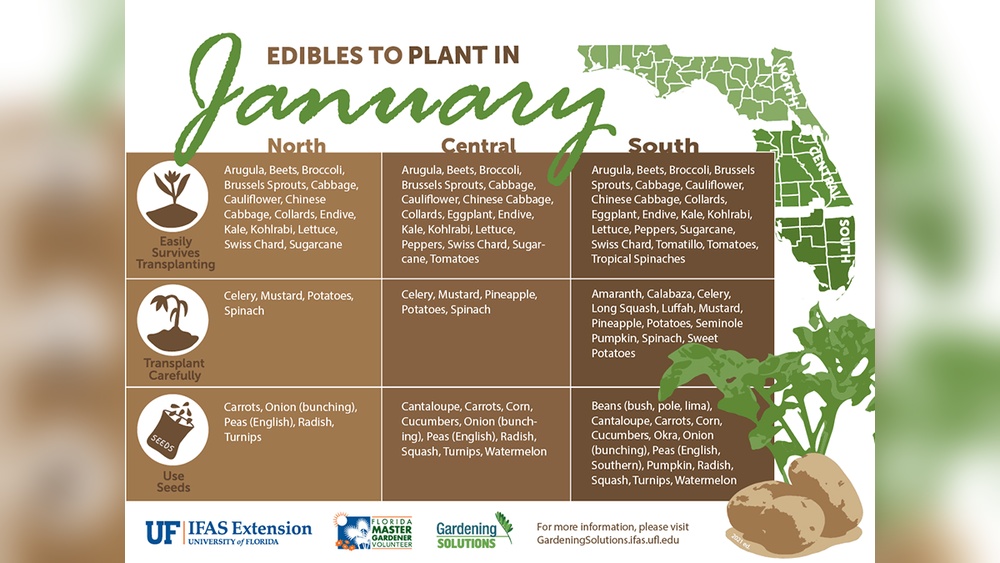
The best time to plant fall and winter vegetables in Central Florida is from mid-September to March. Early fall planting lets crops establish before cooler weather arrives. This period avoids the hottest months, reducing stress on plants. Late winter planting also works for some quick-growing crops that mature before spring heat.
Best Cool-season Vegetables
Choose vegetables that grow well in cooler weather. Broccoli, kale, cauliflower, cabbage, carrots, beets, lettuce, onions, garlic, potatoes, and spinach do very well. These crops tolerate mild frost and grow steadily during winter. Growing these vegetables ensures fresh, healthy produce throughout the cooler months.
Indoor Seed Starting Tips
Start seeds indoors 4 to 6 weeks before transplanting. Use seed trays or small pots with quality seed-starting mix. Keep soil moist but not soggy. Provide plenty of light using grow lights or a sunny window. Harden off seedlings by gradually exposing them to outdoor conditions before planting in the garden.
Spring And Summer Planting
Spring and summer mark the prime time for growing warm-season vegetables in Central Florida. The region’s climate supports a rich variety of crops that thrive under sunny skies and rising temperatures. Gardeners should plan carefully to maximize growth and harvest during these months.
When To Plant Warm-season Crops
Start planting warm-season vegetables in late February to early March. This timing follows the last frost and allows plants to establish before the hottest months arrive. Continue planting through August for a steady supply of fresh produce. Early planting helps avoid the peak summer heat, which can stress young plants.
Top Heat-loving Vegetables
Choose vegetables that flourish in heat and humidity. Tomatoes, peppers, eggplants, and okra do well in Central Florida’s warm climate. Beans, cucumbers, melons, and sweet potatoes also grow strongly during spring and summer. Selecting heat-tolerant varieties improves success and yields.
Managing Heat And Humidity
Protect plants from intense sun by providing afternoon shade or using row covers. Water deeply and regularly to keep soil moist but not soggy. Mulching helps retain moisture and control weeds. Monitor plants for pests and diseases, which increase in warm, humid conditions. Proper care ensures a healthy, productive garden.
Growing Seasons In Central Florida
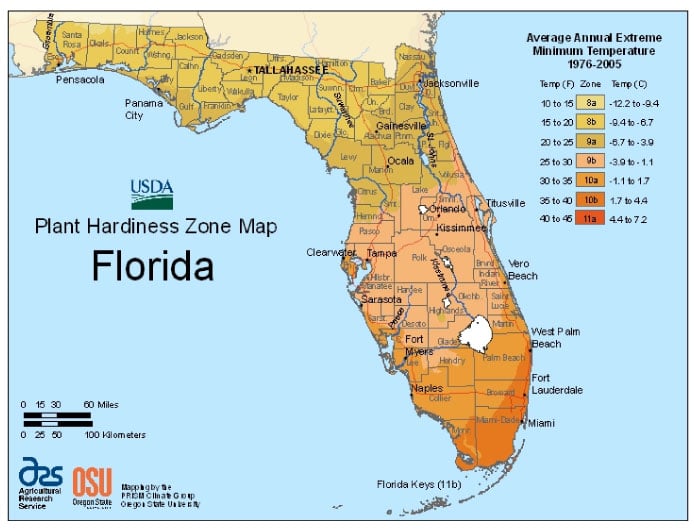
Central Florida’s unique climate shapes its vegetable growing seasons. Understanding these seasons helps gardeners plant at the right time. The region experiences two main growing periods each year. Each season supports different types of vegetables and requires specific care.
Distinct Warm And Cool Seasons
Central Florida has clear warm and cool seasons for planting. The cool season runs from November to March. During this time, gardeners grow vegetables like kale, carrots, and broccoli. The warm season lasts from April to October. Warm-season crops such as tomatoes, peppers, and beans thrive then. Each season has ideal planting windows for the best growth.
Summer As The Off-season
Summer in Central Florida is very hot and humid. These conditions make it hard for most vegetables to grow well. Many plants will slow down or stop producing during summer. Gardeners often pause planting from June to August. Some heat-tolerant varieties can survive, but summer is generally a resting time for gardens. Planning around this off-season improves vegetable success.
Frost And Heat Protection
Central Florida’s climate challenges gardeners with occasional frosts and intense heat. Protecting plants from these extremes ensures a healthy vegetable garden. Frost can damage young, tender plants, while high temperatures may stress or kill sensitive crops. Understanding how to shield plants from frost and choosing heat-tolerant varieties helps maximize your garden’s success throughout the year.
Protecting Tender Plants From Frost
Frost can harm or kill young vegetable plants in Central Florida. Cover plants with light cloths or frost blankets during cold nights. Avoid using plastic directly on plants as it can trap moisture and cause damage. Water plants before frost events to keep soil warm. Move potted plants to sheltered areas or indoors if possible. Remove covers early in the morning to prevent overheating when the sun rises.
Choosing Heat-tolerant Varieties
Many vegetables struggle in Central Florida’s summer heat. Select heat-tolerant varieties that thrive in high temperatures. Okra, sweet potatoes, and southern peas grow well in hot weather. Choose tomato and pepper varieties bred for heat resistance. Plant heat-loving crops in partial shade during peak afternoon sun. Mulch around plants to keep soil cool and conserve moisture. These steps help plants survive and produce during hot months.
Soil And Garden Care
Healthy soil and proper garden care are essential for growing vegetables in Central Florida. The region’s sandy soil needs special attention to retain nutrients and moisture. Regular care improves plant growth and increases yields. Understanding soil preparation, watering, and plant maintenance helps create a thriving garden.
Soil Preparation And Amendments
Start by testing your soil to check its nutrient levels and pH balance. Central Florida soils often lack organic matter, so add compost or well-rotted manure. This improves soil structure and fertility. Mix in a balanced fertilizer to provide essential nutrients. Turn the soil to a depth of 8 to 10 inches for good root growth. Avoid compacting the soil to allow air and water movement.
Moisture And Watering Tips
Vegetables need consistent moisture to grow well in Central Florida. Water early in the morning to reduce evaporation and disease risk. Use drip irrigation or soaker hoses to deliver water directly to roots. Avoid wetting leaves to prevent fungal problems. Check soil moisture regularly by feeling the soil; it should be damp but not soggy. Mulch around plants to conserve moisture and reduce weeds.
Thinning And Maintenance
Thin seedlings once they sprout to prevent overcrowding. This gives each plant enough space and nutrients. Remove weak or damaged plants early to focus energy on healthy ones. Keep your garden free of weeds that compete for water and nutrients. Regularly check for pests and diseases and treat them promptly. Prune or stake plants like tomatoes to support healthy growth.

Credit: www.revivalgardening.com
Planting Strategies
Effective planting strategies improve vegetable growth in Central Florida’s unique climate. These methods help gardeners manage soil health, pest control, and maximize space. Using simple approaches can increase yield and keep plants healthy throughout the growing seasons.
Using The Rule Of Three
The Rule of Three means planting three different crops together. Each plant supports the others by improving soil or deterring pests. For example, beans add nitrogen to the soil, which benefits leafy greens. This strategy saves space and reduces the need for chemical fertilizers.
Companion Planting Ideas
Companion planting pairs vegetables that grow well side by side. Tomatoes and basil are a classic pair. Basil repels insects that harm tomatoes. Carrots and onions also work well together, as onions keep carrot flies away. This method lowers pest damage naturally and boosts growth.
Crop Rotation Benefits
Crop rotation means changing where you plant each vegetable each season. This prevents soil depletion and reduces disease buildup. For example, follow heavy feeders like tomatoes with nitrogen-fixing plants like beans. Rotating crops keeps soil fertile and plants stronger year after year.
Resources And Tools
Access to the right resources and tools makes planting vegetables in Central Florida easier. Reliable information guides planting times, care tips, and pest control. Several local services and digital tools help gardeners plan and succeed.
These resources support both new and experienced gardeners in choosing the best planting dates. They also offer advice tailored to Central Florida’s unique climate. Using these tools leads to healthier plants and better harvests.
Local Extension Services
Local extension offices provide free advice and educational programs. They understand Central Florida’s soil, weather, and common pests. Experts offer planting calendars and tips for vegetable gardening. Many offices host workshops and answer questions by phone or email.
Useful Gardening Calendars
Gardening calendars show the best planting times for various vegetables. They break down seasons and suggest when to start seeds indoors or outdoors. These calendars consider frost dates and heat levels in Central Florida. They help gardeners avoid planting too early or too late.
Recommended Gardening Channels
Gardening channels on YouTube and social media share practical advice. They provide step-by-step guides on planting, watering, and harvesting. Many focus on Florida’s climate and common garden problems. Watching these videos can boost confidence and skills for all gardeners.
Credit: www.ufseeds.com
Frequently Asked Questions
When Should I Start A Vegetable Garden In Central Florida?
Start cool-season vegetables in Central Florida from September to March. Plant warm-season crops between late February and August. Avoid summer heat for most vegetables.
What Is The Rule Of 3 In Gardening?
The rule of 3 in gardening means planting three compatible plants together for better growth and pest control. It improves soil health and yields.
What Is The Easiest Vegetable To Grow In Central Florida?
Bush beans are the easiest vegetable to grow in Central Florida. They thrive in warm seasons and require minimal care. Plant them from late February to August for best results. Their quick growth suits Central Florida’s climate perfectly, making them ideal for beginner gardeners.
What Can I Plant In October In Florida?
Plant cool-season vegetables in Florida in October, such as broccoli, kale, carrots, lettuce, onions, and spinach. Start seeds indoors to avoid heat stress.
Conclusion
Plant vegetables in Central Florida according to the season. Cool-season crops thrive from September to March. Warm-season vegetables grow best from late February to August. Avoid planting during the hot summer months. Prepare your garden by starting seeds indoors when needed.
Protect plants from rare frosts with covers. Following these simple steps will help your garden flourish. Enjoy fresh, homegrown vegetables year-round in Central Florida.