If you’re ready to turn up the heat on your gardening game this summer, knowing which veggies thrive in Florida’s unique climate is key. Growing vegetables during Florida’s hot and humid summer can be challenging, but with the right choices, your garden can flourish even when the temperatures soar.
Imagine biting into fresh, homegrown okra or crisp cucumbers straight from your backyard. In this guide, you’ll discover the best vegetables that not only survive but thrive in Florida’s summer heat—helping you enjoy a bountiful harvest all season long. Keep reading to unlock the secrets of a successful summer garden and make your green thumb shine!
Summer Climate Challenges
Growing vegetables in Florida’s summer means facing unique climate challenges. The intense heat, high humidity, and local soil conditions affect plant growth. Gardeners must understand these factors to succeed.
Heat And Humidity Effects
Florida summers bring strong sun and very high temperatures. Many vegetables struggle under constant heat above 90°F. Humidity levels often exceed 70%, increasing stress on plants. This environment can cause wilting and slow growth. Some veggies may stop producing flowers or fruits. Choosing heat-tolerant crops helps maintain garden health during hot months.
Soil Conditions In Florida
Florida soils vary but often have sandy texture with low nutrients. Sandy soil drains quickly but holds less water and nutrients. This means frequent watering and fertilizing are necessary. The soil can also be acidic, affecting nutrient uptake. Testing soil pH helps gardeners adjust with lime or organic matter. Healthy soil supports strong roots and better vegetable yields.
Pest And Disease Pressure
Warm and moist summers create ideal conditions for pests and diseases. Insects like aphids, whiteflies, and spider mites multiply rapidly. Fungal diseases such as powdery mildew and blight thrive in humid weather. These issues can damage leaves, reduce photosynthesis, and lower crop quality. Regular monitoring and natural pest control methods keep plants healthier.

Credit: floridafarmfamily.com
Top Heat-tolerant Vegetables
Florida summers bring intense heat and humidity. Many vegetables struggle in these conditions. Choosing heat-tolerant vegetables ensures a productive garden. These plants thrive despite high temperatures. They offer fresh, homegrown produce through the summer months.
Okra
Okra loves warm weather and full sun. It grows quickly and produces many pods. The plant resists pests and drought well. Okra pods are great for frying or stewing. This vegetable is a southern favorite that thrives in Florida heat.
Sweet Potatoes
Sweet potatoes grow well in hot, sandy soils. They require little water once established. Their vines spread, covering the ground and reducing weeds. Sweet potatoes store well and add nutrition to meals. Choose slips suited for Florida’s warm climate.
Eggplant
Eggplants handle heat better than many other vegetables. They need plenty of sun and steady moisture. The fruit comes in various shapes and colors. Eggplants are versatile in cooking, from grilling to baking. Heat-tolerant varieties do best in Florida gardens.
Peppers
Peppers flourish in warm weather with good sunlight. Both sweet and hot peppers grow well here. They need regular watering but dislike waterlogged soil. Peppers add color and flavor to dishes. Choose varieties labeled heat-tolerant for best results.
Southern Peas And Beans
Southern peas and beans love Florida’s summer heat. They fix nitrogen in the soil, improving soil health. These legumes produce pods that mature fast. They grow well in poor soils and resist pests. Popular types include cowpeas, black-eyed peas, and lima beans.
Vining And Climbing Choices
Vining and climbing vegetables thrive in Florida’s hot summer climate. They use vertical space well, saving room in your garden. These plants enjoy the sun and produce abundant harvests. Choosing the right vining veggies helps you grow fresh, tasty food all summer long.
Malabar Spinach
Malabar spinach is a fast-growing, heat-loving vine. It has thick, glossy leaves that taste like spinach. This plant climbs fences or trellises easily. It stays green and tender even in hot weather. Malabar spinach adds fresh, leafy greens to your summer meals.
Long Beans
Long beans are perfect for Florida’s warm summers. They grow on tall vines and produce long, crunchy pods. These beans are sweeter and more tender than regular green beans. Long beans climb quickly, so give them sturdy support. They bring variety and nutrition to your garden.
Cucumbers
Cucumbers love warm weather and plenty of sunlight. They grow on vines that can climb trellises or fences. Growing cucumbers vertically keeps fruit clean and straight. These veggies are crisp, refreshing, and great for salads. Choose heat-tolerant cucumber varieties for best results.
Tomato Varieties For Summer
Tomatoes are a summer favorite for Florida gardeners. Choosing the right varieties can boost your harvest and beat the heat. Some tomato types thrive in Florida’s hot and humid summers. These varieties resist cracking and keep producing fruit even in tough conditions. Growing tomatoes suited for summer helps ensure fresh, juicy tomatoes all season long.
Everglades Cherry Tomatoes
Everglades cherry tomatoes are ideal for Florida summers. They are small, sweet, and very heat-tolerant. This variety grows well in Florida’s sandy soil and humid climate. Everglades cherries resist disease and produce fruit even under intense sun. They grow on compact plants, perfect for small gardens or containers. These tomatoes have a great balance of sweetness and acidity, making them delicious for salads and snacks.
Heat-resistant Tomato Types
Heat-resistant tomato types thrive in high temperatures above 85°F. Varieties like Solar Fire and Heatmaster handle Florida’s summer heat well. These tomatoes keep setting fruit without dropping flowers. They also resist common diseases found in humid climates. Growing heat-resistant tomatoes reduces frustration and increases yield. Pick these types for a dependable summer tomato harvest in Florida.
Planting Tips For Florida Summer
Growing vegetables during the Florida summer needs careful planning. The hot, humid weather can challenge many plants. Choosing the right planting times, preparing the soil well, and watering smartly help your garden thrive. These tips make your summer vegetable garden stronger and more fruitful.
Optimal Planting Times
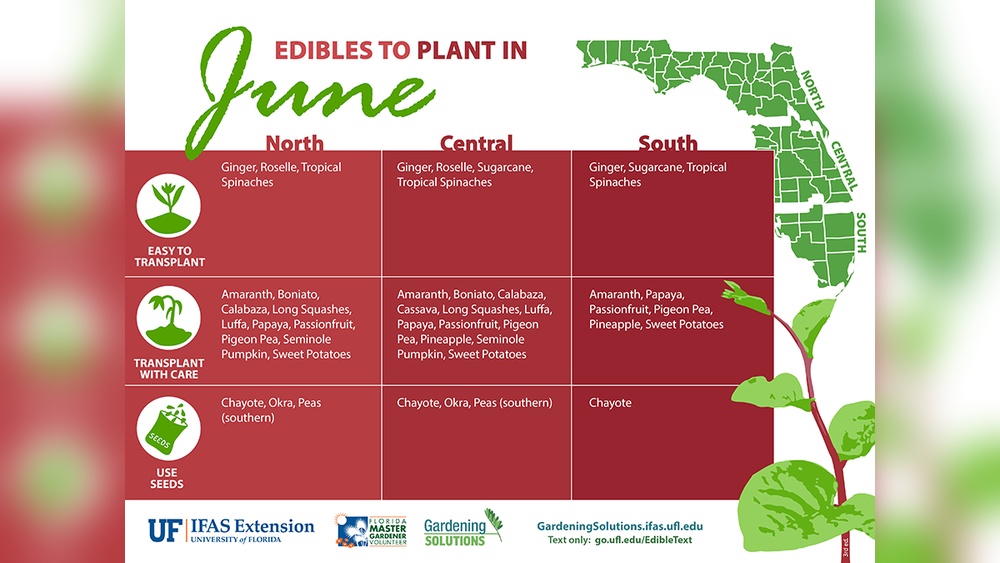
Plant vegetables early in the morning or late afternoon. Avoid the midday heat which can stress young plants. Start seeds indoors or buy seedlings to give plants a head start. Plant heat-loving crops like okra and sweet potatoes from late spring to early summer. Cooler vegetables do better when planted in the fall.
Soil Preparation And Mulching
Use well-draining soil rich in organic matter. Mix compost or aged manure into garden beds. This improves soil health and moisture retention. Mulch around plants with straw or wood chips. Mulching keeps the soil cooler and reduces water evaporation. It also helps control weeds that compete for nutrients.
Watering Strategies
Water deeply but less often to encourage strong roots. Early morning watering reduces evaporation and fungal diseases. Avoid wetting leaves to prevent plant infections. Use drip irrigation or soaker hoses for efficient watering. Check soil moisture regularly to keep plants healthy and hydrated.
Pest And Disease Management
Managing pests and diseases is vital for a healthy summer garden in Florida. The warm climate encourages many insects and fungal problems. Protecting your veggies keeps them strong and productive. Understanding common pests and using safe control methods help maintain balance in your garden.
Common Summer Pests
Florida summers bring several pests that target vegetables. Aphids cluster on new leaves, sucking plant juices. Whiteflies fly around and weaken plants. Spider mites cause tiny yellow spots and webbing. Caterpillars chew holes in leaves and fruits. Squash bugs attack pumpkins and squash plants. These pests can damage crops quickly if unchecked.
Organic Control Methods
Use natural sprays like neem oil to reduce pests. Insecticidal soaps work well against soft-bodied insects. Handpicking caterpillars and eggs lowers their numbers. Introduce ladybugs and lacewings that eat aphids and whiteflies. Garlic or chili pepper sprays repel many insects. Avoid harsh chemicals to keep your garden safe and eco-friendly.
Preventive Practices
Plant resistant vegetable varieties suited for Florida heat. Rotate crops yearly to prevent soil-borne diseases. Remove dead leaves and debris to reduce hiding spots for pests. Water early in the day to keep leaves dry at night. Use mulch to control weeds and maintain soil moisture. Healthy plants resist pests and diseases better.
Cover Crops And Soil Health
Cover crops play a vital role in maintaining soil health during Florida’s hot summers. They protect the soil from erosion and improve its structure. These plants add nutrients back to the earth, making it richer and more fertile for your vegetables. Using cover crops helps keep moisture in the soil and reduces weed growth. This creates a better environment for your summer garden to thrive.
Sunn Hemp Benefits
Sunn hemp grows quickly and tolerates heat well. It adds nitrogen to the soil, which is essential for plant growth. This cover crop also breaks up compacted soil with its deep roots. Sunn hemp decomposes fast, providing organic matter that feeds beneficial microbes. It helps control nematodes and pests naturally, reducing the need for chemicals. Planting sunn hemp in summer keeps your soil healthy and ready for the next crop.
Red Clover And Other Cover Crops
Red clover is a popular cover crop that enriches soil with nitrogen. It grows well in warm climates and improves soil structure. Other cover crops like cowpeas and buckwheat also add nutrients and fight weeds. These plants increase soil organic matter and encourage earthworms. Using a mix of cover crops can balance soil nutrients and improve water retention. Cover crops protect your garden soil during hot Florida summers and set the stage for a healthy harvest.

Credit: www.revivalgardening.com
Harvesting And Maintenance
Harvesting and maintaining summer vegetables in Florida requires careful attention. Warm temperatures speed up growth and ripening. Proper care ensures healthy plants and tasty harvests. Regular monitoring helps catch issues early. Let’s explore how to harvest and maintain your garden effectively.
Harvest Timing For Best Flavor
Pick vegetables at their peak ripeness for the best taste. Check fruits and veggies daily in summer heat. Harvest early in the morning to keep them fresh. Avoid overripe produce, as flavor and texture decline quickly. Each vegetable has a unique harvest window—know it well.
Pruning And Support
Trim dead or yellow leaves to boost plant health. Pruning increases air flow and reduces disease risk. Use stakes or cages to support tall or heavy plants. Proper support prevents damage from wind and rain. Regular checks keep your plants strong and upright.
Extending The Growing Season
Use shade cloths to protect plants from intense midday sun. Mulch soil to retain moisture and keep roots cool. Water deeply but less often to encourage strong roots. Plant quick-growing veggies in late summer for a fall harvest. These steps help you enjoy fresh veggies longer in Florida’s heat.

Credit: www.revivalgardening.com
Frequently Asked Questions
What Crops Grow In The Summer In Florida?
Summer crops in Florida include okra, sweet potatoes, eggplant, peppers, tomatoes, cucumbers, lima beans, and southern peas.
What Is The 70/30 Rule In Gardening?
The 70/30 rule in gardening means planting 70% edible plants and 30% flowers or ornamentals to balance beauty and productivity.
What’s The Easiest Vegetable To Grow In Florida?
Okra, sweet potatoes, peppers, and cucumbers grow easily in Florida’s warm climate. These vegetables thrive with minimal care.
What Is The Best Month To Plant Vegetables In Florida?
The best month to plant vegetables in Florida is October. Plant cool-season crops like broccoli, lettuce, carrots, and radishes then.
Conclusion
Growing vegetables in Florida’s summer heat can be rewarding and fun. Choose heat-tolerant veggies like okra, sweet potatoes, and peppers. These plants thrive well under strong sun and warm temperatures. Water regularly and provide some shade during the hottest hours.
With simple care, your garden will stay healthy and productive. Enjoy fresh, homegrown veggies all summer long. Start planting today and watch your garden flourish!