Central Florida has warm weather all year. Summers are hot and humid. Winters are mild but can be dry. This climate affects which grass grows best.
Choosing the right grass helps your lawn stay green and healthy. It also saves water and reduces work. But what grass is best for Central Florida?
Common Grass Types in Central Florida
There are many grass types, but some work better in Central Florida. The most popular are:
- St. Augustine Grass
- Bahia Grass
- Zoysia Grass
- Bermuda Grass
- Centipede Grass
Each has good and bad points. You should pick based on your yard’s sun, shade, water, and use.
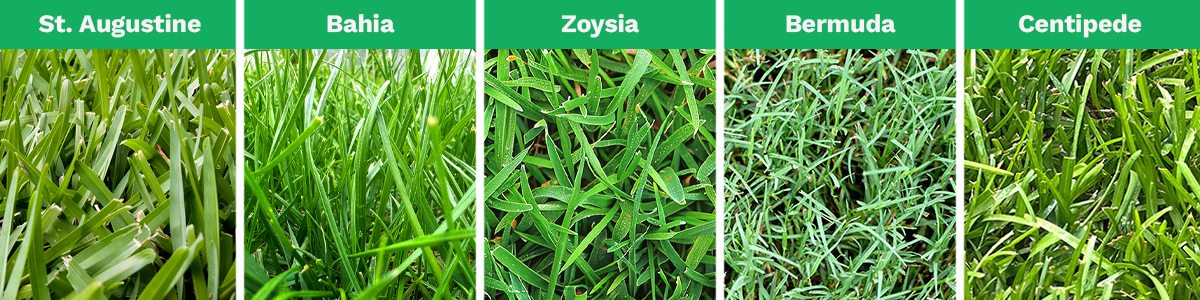
Credit: www.lawnstarter.com
St. Augustine Grass
This is one of the most common grasses in Central Florida. It grows well in heat and humidity. It also grows fast and covers bare spots quickly.
Pros:
- Grows well in shade and sun
- Spreads quickly to cover the lawn
- Looks thick and green in humid weather
- Grows better than many grasses in winter
Cons:
- Needs more water than some other grasses
- Can get pests like chinch bugs
- Needs more mowing to keep neat
Good choice if you have shady areas and want a lush lawn fast. But be ready to water and watch for bugs.
Bahia Grass
Bahia grass is tough and needs little care. It grows well in sandy soil and can handle drought. But it does not look as soft or green as others.
Pros:
- Very drought tolerant
- Needs less fertilizer
- Good for sandy, poor soil
- Low maintenance
Cons:
- Not very soft underfoot
- Does not grow thick or lush
- Can be coarse and rough
Use Bahia if you want a hardy lawn with little work. It is good for large areas or places with poor soil.
Zoysia Grass
Zoysia grass is popular for its thick, soft turf. It resists weeds and handles heat well. It grows slower but lasts longer.
Pros:
- Thick and soft grass
- Good drought and heat tolerance
- Fewer weeds grow in it
- Needs less mowing
- Handles foot traffic well
Cons:
- Slow to grow and spread
- Can build up thatch (dead grass layer)
- Not good in deep shade
- Turns brown in cold or dry weather
Zoysia works best in sunny yards where you want a strong, low-maintenance lawn. It may go brown in dry times but recovers fast.
Bermuda Grass
Bermuda grass grows fast and loves the sun. It is often used on sports fields. It can handle heat and drought well.
Pros:
- Very heat and drought tolerant
- Spreads fast to cover ground
- Good for heavy use areas
- Recovers quickly from damage
Cons:
- Needs full sun to grow well
- Not good for shade
- Needs frequent mowing
- Can be invasive in flower beds or gardens
Choose Bermuda for sunny lawns that get a lot of use. It may not be best if you have trees or shade.
Credit: www.whittinspections.com
Centipede Grass
Centipede grass is low maintenance and grows slowly. It likes acidic soil and mild weather. It is common in Florida lawns.
Pros:
- Slow growing, needs less mowing
- Needs less fertilizer
- Good for sandy, acidic soil
- Tolerates heat and humidity
Cons:
- Slow to recover from damage
- Does not like heavy foot traffic
- Needs good drainage
- Not very shade tolerant
Centipede is good for quiet lawns with light use. It saves time and fertilizer but takes time to fill in.
How to Choose the Best Grass for Your Yard
Think about your yard before choosing grass. Ask yourself these questions:
- Is my yard sunny or shady?
- Do I want a soft, lush lawn or a tough, low-care lawn?
- How much time can I spend watering and mowing?
- Do I need grass that can handle pets or kids playing?
- What type of soil do I have? Sandy, clay, or other?
Your answers help pick the best grass type. Here is a simple guide:
| Yard Condition | Best Grass Choice | Reason |
|---|---|---|
| Mostly shady areas | St. Augustine | Tolerates shade well and grows fast |
| Sunny, hot, and dry | Zoysia or Bermuda | Handles heat and drought better |
| Low maintenance, poor soil | Bahia or Centipede | Needs little water and fertilizer |
| Heavy foot traffic | Zoysia or Bermuda | Strong grass that recovers fast |
Tips for Growing Grass in Central Florida
To keep your lawn healthy, follow these tips:
- Water deeply but not too often. Early morning is best.
- Mow your grass regularly but don’t cut too short.
- Fertilize your lawn in spring and fall.
- Remove weeds to stop them from spreading.
- Choose grass seed or sod from a local supplier.
- Test your soil to know what it needs.
Frequently Asked Questions
What Is The Easiest Grass To Grow In Central Florida?
The easiest grass to grow in Central Florida is St. Augustine. It thrives in heat, humidity, and shade. Bahia and Zoysia also perform well, but St. Augustine requires less maintenance and grows quickly. Choose based on your yard’s sunlight and water availability for best results.
Which Grass Is Better, Zoysia Or St. Augustine?
Zoysia grass offers drought resistance, dense turf, and low maintenance but grows slowly. St. Augustine thrives in shade, grows fast, and suits humid areas but needs more water and pest care. Choose based on your yard’s sunlight, water availability, and maintenance preference.
What Is The Downside Of St. Augustine Grass?
St. Augustine grass requires high water and frequent mowing. It is prone to pests like chinch bugs and less drought tolerant. It can struggle in dry, hot conditions and demands more maintenance compared to other grasses.
Can You Just Throw Grass Seed On The Ground And It Will Grow?
No, simply throwing grass seed on the ground rarely ensures growth. Proper soil preparation, watering, and sunlight are essential for healthy grass.
Conclusion
The best grass for Central Florida depends on your yard’s needs. St. Augustine is great for shade and quick growth. Zoysia is strong and low maintenance. Bahia and Centipede are good for dry soil and low care. Bermuda works well in sunny, busy lawns.
Think about your yard’s sun, soil, and care time. Then pick the grass that fits best. With the right grass, you will have a green, healthy lawn in Central Florida all year.