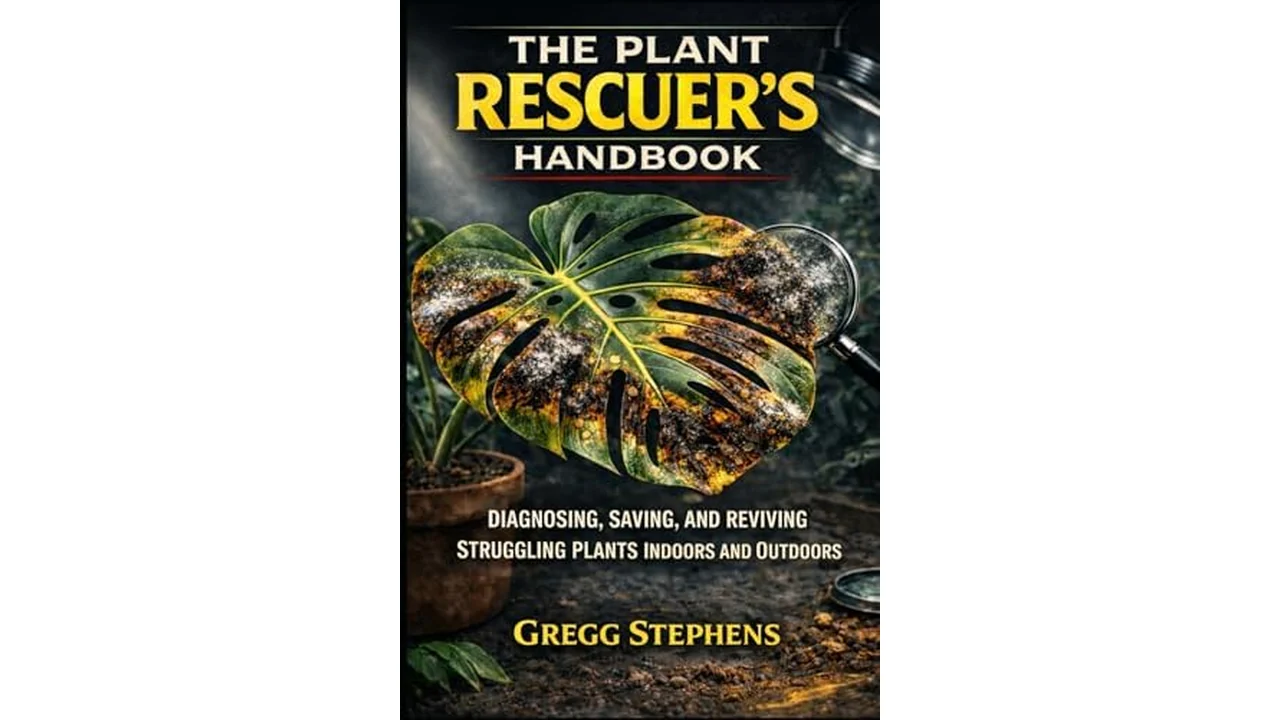
- Are your beloved plants looking a little sad and in need of some serious TLC? Whether you’re a seasoned gardener or just starting your green journey, THE PLANT RESCUER’S HANDBOOK: DIAGNOSING, SAVING, AND REVIVING PLANTS INDOORS AND OUTDOORS is poised to become your go-to guide for bringing wilting foliage back to vibrant life. This comprehensive handbook promises to equip you with the knowledge to tackle common plant ailments and transform struggling greenery into thriving specimens.
- Category: Clearly positioned within the Crafts, Hobbies & Home and Gardening & Landscape Design sections, this book is designed for practical application.
- Publisher: Published independently, suggesting a direct and focused approach to its subject matter.
- Publication Date: Set for a future release on March 1, 2026, indicating that this is a highly anticipated resource.
- Image Unavailable: While an image is not yet available, this does not detract from the anticipated value of its content.
- Practical Focus: The title itself highlights a strong emphasis on actionable advice for diagnosing and reviving plants, which is precisely what many plant owners seek.
- Comprehensive Scope: Covering both indoors and outdoors, this handbook aims to be a universal resource for a wide range of plant care scenarios.
- Problem-Solving Approach: It directly addresses the common frustration of plant distress, offering solutions rather than just general care tips.
- Accessibility: Being published independently often means a more direct connection to the audience’s needs, potentially leading to clear and easy-to-understand content.
- Diagnostic Tools: Readers can expect detailed descriptions and visual cues to help identify the specific problems their plants are facing, from pests and diseases to environmental stressors.
- Salvage Techniques: The “saving and reviving” aspect implies the inclusion of practical, step-by-step methods for treating various plant ailments, including overwatering, underwatering, nutrient deficiencies, and pest infestations.
- Preventative Measures: While focusing on rescue, a good handbook of this nature will also touch upon how to prevent future issues by understanding optimal growing conditions.
- Indoor and Outdoor Versatility: The content will likely be structured to address the unique challenges and solutions for plants in different environments, making it a versatile guide.
- New Plant Owners: Those who are just beginning their plant journey and are prone to common beginner mistakes will find invaluable guidance.
- Experienced Gardeners: Even seasoned gardeners can encounter new or persistent plant problems, and this book can offer fresh insights or solutions.
- Indoor Plant Enthusiasts: Individuals who primarily grow houseplants will appreciate the specific advice tailored to indoor environments.
- Outdoor Gardeners: Those with vegetable patches, flower beds, or ornamental shrubs will benefit from the outdoor plant rescue strategies.
- Anyone Experiencing Plant Distress: If you have a plant that looks unhealthy and you’re unsure why or how to fix it, this book is designed specifically for you.
- Clear Diagnostic Tools: The book should offer clear visual aids and descriptive text to help accurately identify plant problems. Look for sections dedicated to symptoms like yellowing leaves, wilting, spots, or pest presence.
- Actionable Solutions: Beyond identifying problems, the handbook must provide practical, step-by-step solutions that are easy to follow. This includes recommended treatments, adjustments to care routines, and specific remedies.
- Indoor and Outdoor Coverage: As this book promises, ensure it addresses the distinct needs and challenges of plants grown both inside and outside, as environmental factors differ significantly.
- Plant Variety: A good resource will cover a broad range of common houseplants and garden plants, or at least provide general principles applicable to most species.
- Authoritative Source: While independently published, the author’s background or stated expertise in horticulture can be an indicator of reliability.
- Paper Quality: Look for a book printed on sturdy paper that can withstand handling in a garden or potting shed environment.
- Binding: A durable binding, such as a hardcover or a strong paperback, ensures the book will last through frequent use.
- Illustrations/Photography: High-quality images are crucial for diagnosis. Clear photographs or detailed illustrations of plant problems and solutions are essential.
- Scope of Problems Addressed: Does the book cover common issues like pests, diseases, watering problems, light deficiencies, and nutrient imbalances?
- Ease of Use: Is the information presented in a logical, easy-to-navigate format, perhaps with an index or clear chapter headings?
- Target Audience Appropriateness: Is the language accessible to beginners, while still offering depth for more experienced gardeners?
- Relevance to Your Plants: While general advice is good, if you have specific types of plants (e.g., succulents, orchids, fruit trees), consider if the book offers relevant guidance.
- Price Range: Typically, comprehensive guides like this might fall in the $20-$40 range. Independently published books can sometimes be more affordably priced.
- Value for Money: Consider the breadth of information, the quality of the content, and the longevity of its usefulness. A slightly higher price for a well-researched and comprehensive guide is often a worthwhile investment.
- Used vs. New: For older titles, checking for used copies can offer savings, but ensure the edition is up-to-date with current horticultural practices if possible.
- Proactive Purchase: Buying this handbook before the growing season (spring for outdoor plants) allows you to be prepared for potential issues.
- Reactive Purchase: If you’re currently facing plant crises, buying it immediately is the best course of action.
- Seasonal Shifts: Changes in weather, indoor heating/cooling, and light levels can all stress plants, making a handbook essential during transitional periods.
Key Features That Stand Out
This guide offers a focused approach to plant care, with several standout features that make it an essential addition to any plant enthusiast’s collection:

THE PLANT RESCUER’S HANDBOOK: DIAGNOSING, SAVING, AND REVIVING PLANTS INDOORS AND OUTDOORS
What We Like
Based on its intended purpose and categorization, several aspects of THE PLANT RESCUER’S HANDBOOK: DIAGNOSING, SAVING, AND REVIVING PLANTS INDOORS AND OUTDOORS are particularly appealing to plant lovers:
Performance Analysis
While a direct performance analysis is limited without the actual content, the structure and stated purpose of THE PLANT RESCUER’S HANDBOOK: DIAGNOSING, SAVING, AND REVIVING PLANTS INDOORS AND OUTDOORS suggest a high level of effectiveness for its intended audience. The book is designed to provide:
Best For
This handbook is an ideal resource for a variety of plant enthusiasts:
Buying Guide
When considering a plant care guide like THE PLANT RESCUER’S HANDBOOK: DIAGNOSING, SAVING, AND REVIVING PLANTS INDOORS AND OUTDOORS, several factors come into play to ensure you’re getting the best value and the most helpful information.
Key Features to Look For
Important Materials
In the context of a book, “materials” refers to the quality of its construction and presentation.
Essential Factors to Consider
Budget Planning
Books in the gardening and home improvement category can range significantly in price.
When to Buy
While plant problems can arise at any time, certain seasons present more opportunities for issues.
Frequently Asked Questions
What types of plant problems does this handbook address?
This handbook is designed to cover a broad spectrum of issues, including diagnosing and resolving problems related to pests, diseases, improper watering, nutrient deficiencies, and environmental stressors for both indoor and outdoor plants.
Is this book suitable for beginners?
Yes, the focus on diagnosing and reviving suggests the content will be presented in an accessible manner, making it ideal for those new to plant care who may be unfamiliar with common plant ailments.
Will I find information on specific plant species?
While the book is likely to cover general principles applicable to many plants, specific details on individual species would depend on the author’s scope; however, the diagnostic approach should allow you to apply solutions to your specific plants.
Is the advice practical for common household plants?
Absolutely, the handbook explicitly mentions both indoor and outdoor plants, indicating that it will offer practical solutions for the typical houseplants found in most homes.
Can I use this handbook to prevent future problems?
While its primary focus is on rescuing ailing plants, understanding diagnosis and treatment often leads to better preventative care by identifying the root causes of past issues and adjusting your care routine accordingly.
When will this book be available?
THE PLANT RESCUER’S HANDBOOK: DIAGNOSING, SAVING, AND REVIVING PLANTS INDOORS AND OUTDOORS is scheduled for publication on March 1, 2026.
Final Thoughts
THE PLANT RESCUER’S HANDBOOK: DIAGNOSING, SAVING, AND REVIVING PLANTS INDOORS AND OUTDOORS appears to be a vital resource for anyone looking to improve their plant care skills. Its promise of practical diagnostic tools and effective revival techniques for both indoor and outdoor settings makes it an indispensable guide for plant enthusiasts of all levels.