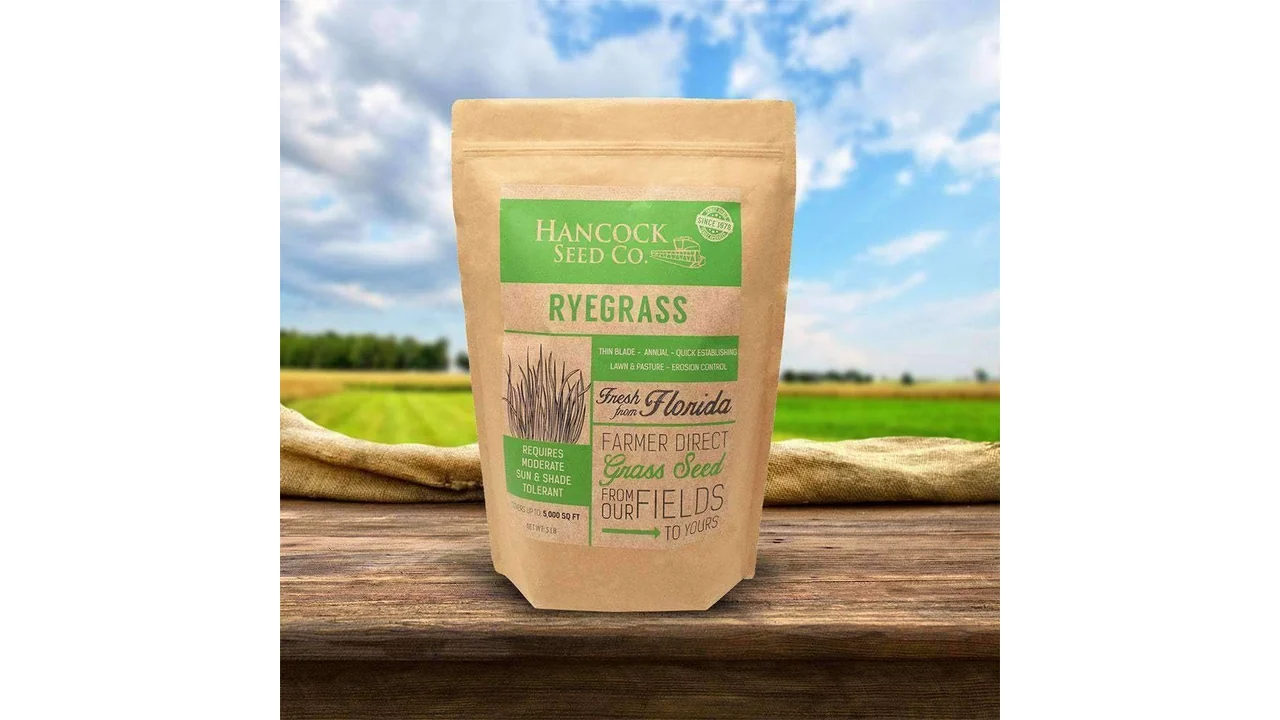
- Looking to establish a robust and productive pasture? If you’re seeking a reliable solution for quick ground cover and sustained growth, the Hancock’s Pasture Ryegrass Seed – 50 lbs. might just be the answer for your agricultural needs. This 50-pound bag offers a substantial amount of seed designed for rapid establishment and balanced production, making it a worthwhile investment for livestock owners and land managers.
- Type and Maturity: It is a medium maturity, westerwold type, tetraploid annual ryegrass, offering a specific growth profile for consistent yields.
- Establishment Speed: This variety was specifically selected for fast establishment, meaning you’ll see results quickly after planting.
- Seasonal Production: It provides balanced production throughout the growing season, ensuring a steady supply of forage.
- Cool Season Growth: As a cool season variety, it thrives when nighttime temperatures are consistently 65 degrees and below, making it ideal for fall and spring plantings.
- Cold Tolerance: It features an improved cold tolerance compared to other tetraploid varieties, offering greater resilience in cooler conditions.
- Versatile Planting Options: It can be sown alone or in combination with other forage crops like fall-sown forage cereals and annual clovers for a more diverse pasture.
- Rapid Greening: The emphasis on fast establishment means you won’t be waiting long to see your pasture take hold, providing quicker access to forage.
- Extended Forage Availability: Its capacity for balanced production throughout the growing season is a significant advantage, offering a more consistent food source for livestock.
- Winter Hardiness: The improved cold tolerance is a standout benefit, especially for regions experiencing chilly autumns and mild winters, allowing for a longer grazing period or earlier spring growth.
- Flexibility in Seeding: The ability to plant it either as a monoculture or mixed with other cover crops provides great flexibility for tailoring your pasture mix to specific soil conditions and nutritional needs.
- Tetraploid Advantage: Being a tetraploid variety typically indicates higher nutritional value and increased biomass production, contributing to a more productive pasture.
- The tetraploid nature suggests a potential for higher dry matter yield and improved palatability compared to diploid varieties.
- Its classification as an annual ryegrass means it’s ideal for short-term pasture needs or as a cover crop that will be re-seeded or followed by other crops in subsequent seasons.
- The specification for planting once nighttime temperatures are consistently 65 degrees and below provides a clear guideline for optimal sowing times, reducing the risk of poor germination or seedling stress.
- Livestock Farmers: Excellent for creating or overseeding pastures for cattle, sheep, horses, and other grazing animals, providing a nutrient-rich and readily available food source.
- Ranchers and Dairies: Its balanced production and fast establishment make it a practical choice for maximizing forage output and supporting herd health.
- Farmers Seeking Quick Ground Cover: Ideal for erosion control or as a temporary pasture solution due to its rapid germination and growth rate.
- Growers in Cooler Climates: The improved cold tolerance makes it a strong contender for regions that experience significant cool weather during the fall and spring planting seasons.
- Integrated Forage Systems: Perfect for those who utilize cover cropping and inter-seeding strategies, as it can be successfully combined with other forage cereals and clovers.
- Variety Type: For pasture, look for varieties like Westerwold ryegrass, known for their vigorous growth. Tetraploid varieties often offer higher yields and better nutritional content.
- Establishment Speed: If you need quick results, prioritize seeds selected for fast establishment, ensuring your pasture is ready for grazing sooner.
- Seasonal Production: Aim for varieties that provide balanced production throughout the intended growing season to ensure consistent forage availability.
- Cold Tolerance: For regions with cooler temperatures, particularly during fall and spring planting, an improved cold tolerance is a significant advantage.
- Planting Compatibility: Consider if the seed can be sown alone or in combination with other forage crops, offering flexibility in your seeding strategy.
- Quantity: A 50 lb. bag is substantial and suitable for larger acreage or for overseeding existing pastures. Calculate your acreage and the recommended seeding rate to ensure you have enough.
- Climate: Assess your local climate, especially temperature ranges during planting and growing seasons. The “cool season variety” and “improved cold tolerance” features are critical here. Ensure it aligns with your planting window – typically when nighttime temperatures are consistently 65 degrees and below.
- Intended Use: Are you planting a new pasture, overseeding an old one, or using it as a cover crop? The intended use can influence whether you sow it alone or in a mix.
- Soil Type and Conditions: While ryegrass is generally adaptable, understanding your soil’s pH and fertility can help you prepare the ground for optimal germination and growth.
Key Features That Stand Out
The Hancock’s Pasture Ryegrass Seed – 50 lbs. boasts several impressive features that set it apart for pasture applications:

What We Like
Based on its features, several aspects of the Hancock’s Pasture Ryegrass Seed – 50 lbs. are particularly appealing for those looking to cultivate a healthy pasture:
Performance Analysis
Analyzing the specifications, the Hancock’s Pasture Ryegrass Seed – 50 lbs. is engineered for practical and efficient pasture management. Its westerwold type classification suggests vigorous growth and good tillering capabilities, which are crucial for creating a dense sward. The medium maturity is key to providing a consistent supply of forage without becoming overly stemmy too quickly. The selection for fast establishment means that even if planting is delayed, you still have a good chance of achieving adequate ground cover before the end of the optimal growing window. The improved cold tolerance is particularly noteworthy, as it extends the potential grazing season in many climates, reducing the reliance on stored feed. The blend’s suitability for sowing alone or in combination allows for a strategic approach, whether you’re looking for a quick cover crop or a component of a more complex forage system.
Best For
This particular ryegrass seed is ideally suited for a variety of agricultural and land management scenarios:
Buying Guide
When considering the purchase of pasture ryegrass seed, especially a large quantity like Hancock’s Pasture Ryegrass Seed – 50 lbs., several factors are crucial for making an informed decision. Understanding the specific needs of your land and livestock will guide you to the best product.
Key Features to Look For
Important Materials
While specific “materials” in the traditional sense aren’t applicable to seed, the genetic makeup and selection process are paramount. This seed is identified as a tetraploid annual ryegrass, which implies specific genetic traits for yield and forage quality.
Essential Factors to Consider
Budget Planning
The cost of 50 lbs. of high-quality ryegrass seed can vary. For this type of specialized pasture seed, expect a mid-range to higher price point due to its specific genetic selections for performance. Consider the cost per acre and the potential return on investment through increased forage production and reduced feed costs. Bulk purchases like a 50 lb. bag often offer better value per pound.
When to Buy
The best time to buy ryegrass seed is typically in late summer or early fall, leading up to your optimal planting window. This ensures you have the seed on hand when temperatures are right for sowing. A secondary optimal purchase time is in early spring for a spring planting. Purchasing in advance also allows you to compare prices and select the best option.
Frequently Asked Questions
What type of ryegrass is this?
This is a medium maturity, westerwold type, tetraploid annual ryegrass, selected for its specific growth characteristics.
When is the best time to plant this ryegrass?
It’s a cool season variety, best planted once nighttime temperatures are consistently 65 degrees and below, typically in the fall or early spring.
Can I mix this ryegrass with other seeds?
Yes, it can be sown alone or in combination with fall-sown forage cereals and annual clovers.
What is the main benefit of this ryegrass for pastures?
It’s selected for fast establishment and balanced production throughout the growing season, providing quick and consistent forage.
How does this ryegrass compare to other tetraploid varieties in terms of cold?
It has an improved cold tolerance over other tetraploid varieties, making it more resilient in cooler weather.
Will the bag I receive look exactly like the picture?
The product information states that the bag you receive may appear different than the picture.
What is the maturity of this ryegrass?
It is classified as a medium maturity ryegrass.
In conclusion, the Hancock’s Pasture Ryegrass Seed – 50 lbs. presents itself as a robust option for establishing or enhancing pastures, particularly for those prioritizing rapid growth and consistent yields. Its improved cold tolerance and flexibility in planting combinations further add to its appeal for diverse agricultural needs.