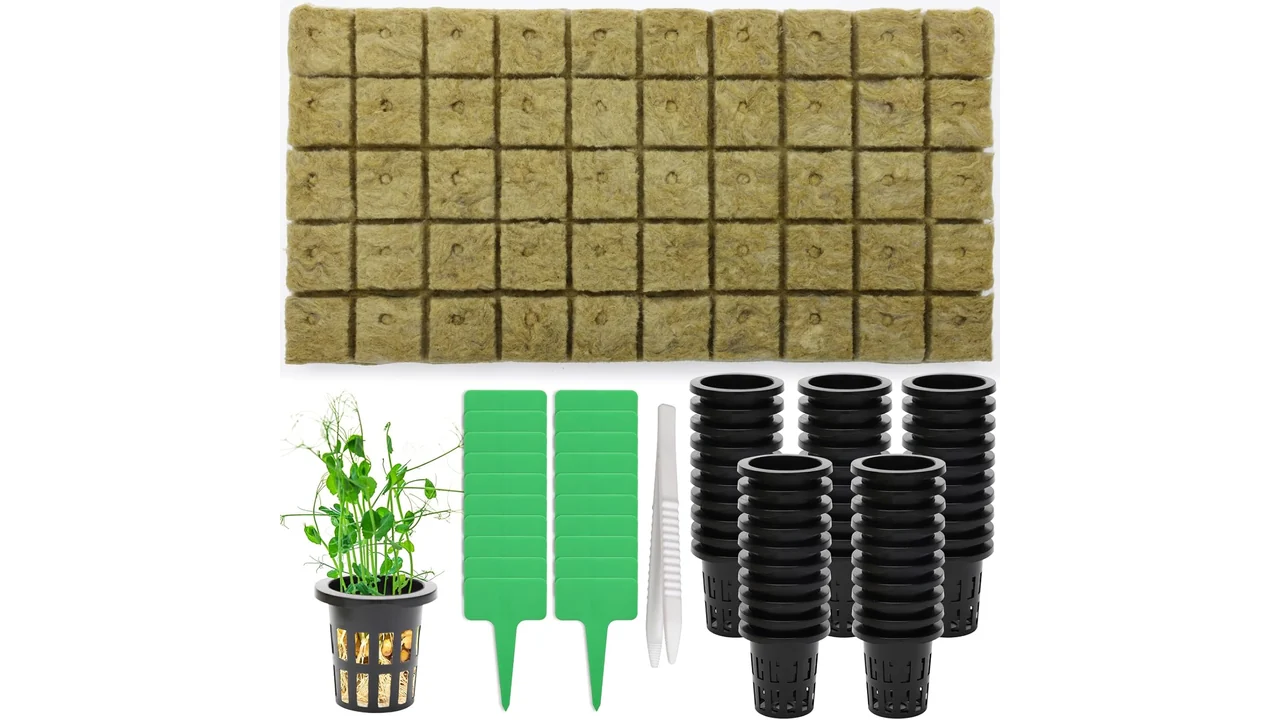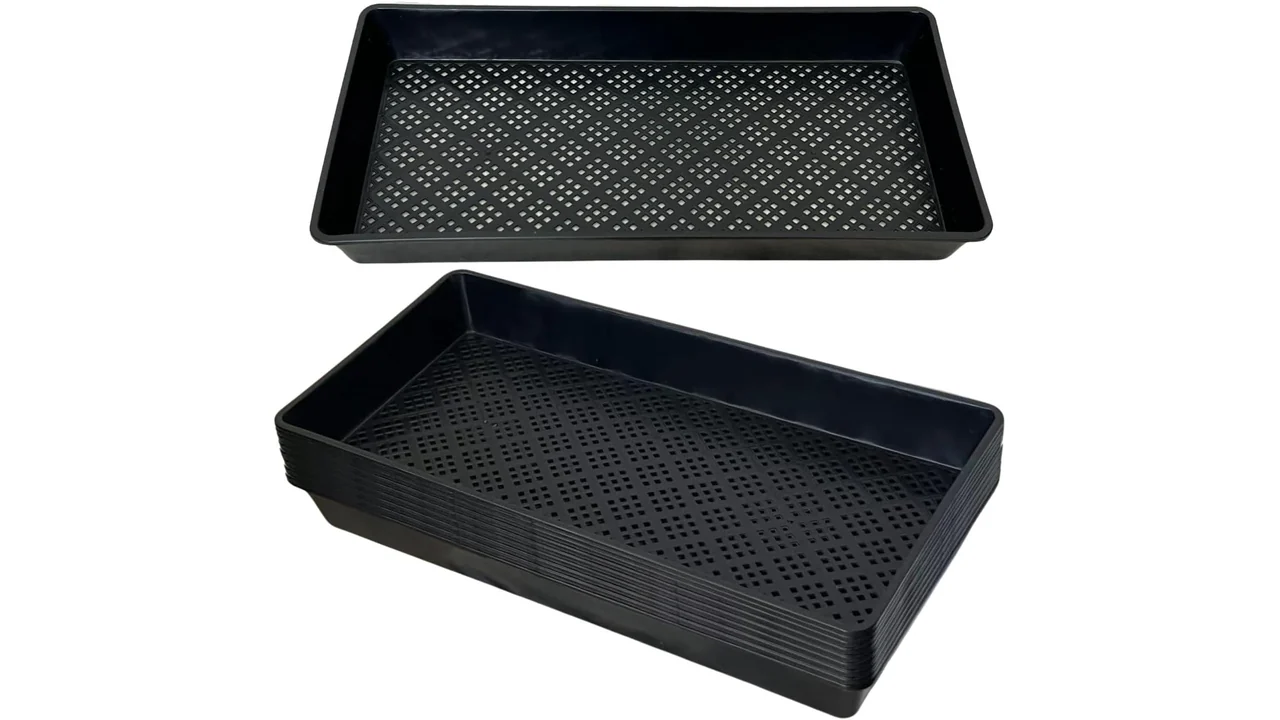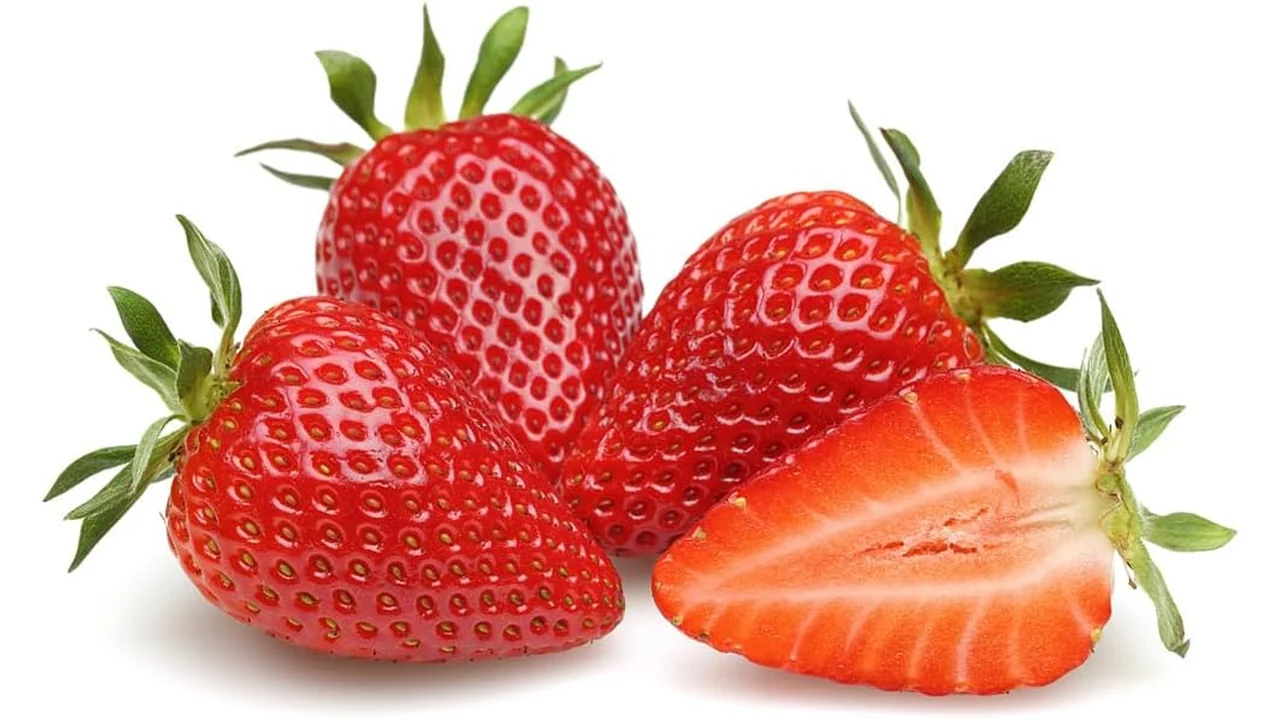
- Dreaming of a bountiful harvest of sweet, red strawberries right from your own home? The 2000+ Red Climbing Strawberry Seeds Hydroponic Sweet Strawberry Seeds for Planting Heirloom Non-GMO Fruit Seeds offer an exciting opportunity to cultivate these beloved fruits, promising characteristic aroma, bright red color, and juicy texture. This extensive seed pack is designed for growers looking to explore hydroponic or traditional planting methods for heirloom, non-GMO strawberries.
- Extensive Quantity: You receive over 2000 seeds, providing ample opportunity for successful germination and a large potential yield of delicious strawberries.
- Heirloom & Non-GMO: These seeds are heirloom and non-GMO, appealing to those who prioritize natural and traditional gardening practices.
- Versatile Planting: Suitable for both traditional soil planting and hydroponic systems, offering flexibility for different growing environments.
- Ideal Growing Conditions: Strawberries thrive in a warm and cool climate, with optimal root system growth between 5~30℃, preferring fertile, loose, neutral, or slightly acidic soil.
- Simple Germination Prep: No complex stratification is required; soaking seeds in warm water for 3 hours before planting is recommended to boost germination rates.
- Fruiting Management: Pruning excess stolons in a timely manner is crucial for encouraging the plant to produce more strawberry fruits.
- Abundant Seed Count: The generous quantity of 2000+ seeds ensures that even beginners have a high chance of success and can plant a substantial strawberry patch.
- Heirloom and Non-GMO Assurance: For gardeners committed to natural cultivation, the heirloom and non-GMO designation is a significant advantage, promoting authentic fruit flavor and genetic purity.
- Hydroponic Compatibility: The adaptability for hydroponic growing opens up possibilities for year-round cultivation and efficient water use, making it suitable for modern gardening setups.
- Simplified Germination Process: Eliminating the need for complex stratification steps makes these seeds more accessible and easier to start for gardeners of all experience levels.
- Focus on Fruit Production: The explicit mention of pruning stolons to maximize fruit yield provides valuable guidance for achieving a bountiful harvest.
- The product description highlights that strawberries are cultivated worldwide for their fruit, widely appreciated for their characteristic aroma, bright red color, juicy texture, and sweetness, setting a high expectation for the harvest.
- The absence of required stratification simplifies the initial planting phase, which is a considerable advantage for those new to growing strawberries from seed.
- The provided planting tips offer essential guidance, specifying that strawberries prefer a warm and cool climate with root system growth temperatures between 5~30℃.
- Successful cultivation also depends on soil conditions, with a preference for fertile, loose neutral or slightly acidic soil, which is a standard requirement for many fruiting plants.
- The advice on pruning excess stolons is a critical performance factor for maximizing fruit production, indicating that ongoing care will be rewarded with more strawberries.
- Home Gardeners: Individuals looking to grow their own fresh strawberries for consumption.
- Hydroponic Enthusiasts: Those with existing hydroponic systems who want to add strawberries to their setup.
- Heirloom Seed Collectors: Gardeners who value traditional, non-GMO varieties and preserving heritage crops.
- Educational Purposes: Teachers or parents wanting to teach children about plant growth and food cultivation from seed.
- DIY Project Starters: Anyone embarking on a new gardening project, especially those interested in climbing or vining fruit plants.
- Seed Quantity: Ensure the pack provides a sufficient number of seeds for your intended planting area and success rate. The 2000+ seeds in this pack are generous.
- Heirloom/Non-GMO: If you prioritize natural and traditional growing methods, look for these designations.
- Germination Requirements: Simpler germination processes, like soaking in warm water, are more beginner-friendly than complex stratification.
- Growth Habit: Consider if you want climbing varieties, as indicated by the product name, which might influence your setup.
- Climate Suitability: Check if the strawberry variety is suited to your local climate conditions.
- Growing Environment: Decide whether you will be planting in traditional soil, raised beds, or a hydroponic system.
- Space Requirements: Understand how much space climbing strawberries will need to grow and spread.
- Sunlight: Ensure your chosen location receives adequate sunlight, which is typically full sun for best fruit production.
- Watering and Nutrients: Plan for consistent watering and appropriate nutrient delivery, especially critical in hydroponic setups.
- Pest and Disease Management: Be prepared to monitor for common strawberry pests and diseases.
Key Features That Stand Out

2000+ Red Climbing Strawberry Seeds Hydroponic Sweet Strawberry Seeds for Planting Heirloom Non-GMO Fruit Seeds
What We Like
Performance Analysis
Best For
Buying Guide
Key Features to Look For
Important Materials
The primary material here is the seeds themselves. The packaging will typically be a small packet designed to protect the seeds from moisture and light. No other specific materials are mentioned or are typically associated with seed purchases.
Essential Factors to Consider
Budget Planning
The price of strawberry seeds can vary significantly based on quantity, variety (heirloom can sometimes be more expensive), and source. For a pack of over 2000 seeds, the value is often in the sheer number of potential plants. It’s important to compare the cost per seed to ensure you’re getting good value. This product appears to offer a high volume of seeds for its price point, making it an economical choice for large-scale planting or for those who want extra seeds for future attempts.
When to Buy
The best time to buy strawberry seeds is typically in late winter or early spring, about 6-8 weeks before your last expected frost date, if you plan to start them indoors. If you are planting directly outdoors or using a greenhouse/hydroponic system that allows for controlled conditions, you might purchase them slightly later. However, seeds can often be purchased year-round from online retailers, allowing you to start them whenever conditions are right for your specific growing setup.
Frequently Asked Questions
Are these seeds suitable for beginners?
Yes, the absence of required stratification makes these seeds easier to start. Following the planting tips, such as soaking the seeds, will improve germination rates, making them suitable for novice gardeners.
Can I grow these strawberries indoors?
Absolutely. The product mentions suitability for hydroponic systems, which are often used for indoor growing. You would need to ensure adequate light, temperature, and nutrients for indoor success.
How long does it take for strawberries to grow from seed?
Growing strawberries from seed can take time, often several months from germination to the first harvest. Patience is key, and environmental factors like temperature and light play a significant role.
What does “heirloom” mean in the context of these seeds?
“Heirloom” refers to seeds from open-pollinated plants that have been passed down through generations, typically for at least 50 years. They are known for their stable traits and are non-hybrid.
Will I need to provide any special support for climbing strawberries?
As they are climbing varieties, you will likely need to provide a trellis, netting, or other support structure for the plants to climb on as they grow, especially if you want to maximize their vertical potential and keep fruits off the ground.
How should I store unused seeds?
Store unused seeds in a cool, dry, and dark place, preferably in an airtight container. This will help maintain their viability for future planting seasons.
Final Thoughts
The 2000+ Red Climbing Strawberry Seeds Hydroponic Sweet Strawberry Seeds for Planting Heirloom Non-GMO Fruit Seeds represent a fantastic value for aspiring strawberry growers. With a generous quantity, heirloom quality, and versatility for both traditional and hydroponic methods, these seeds offer a rewarding cultivation experience. Remember that successful strawberry cultivation from seed requires patience and attention to their specific growing needs.