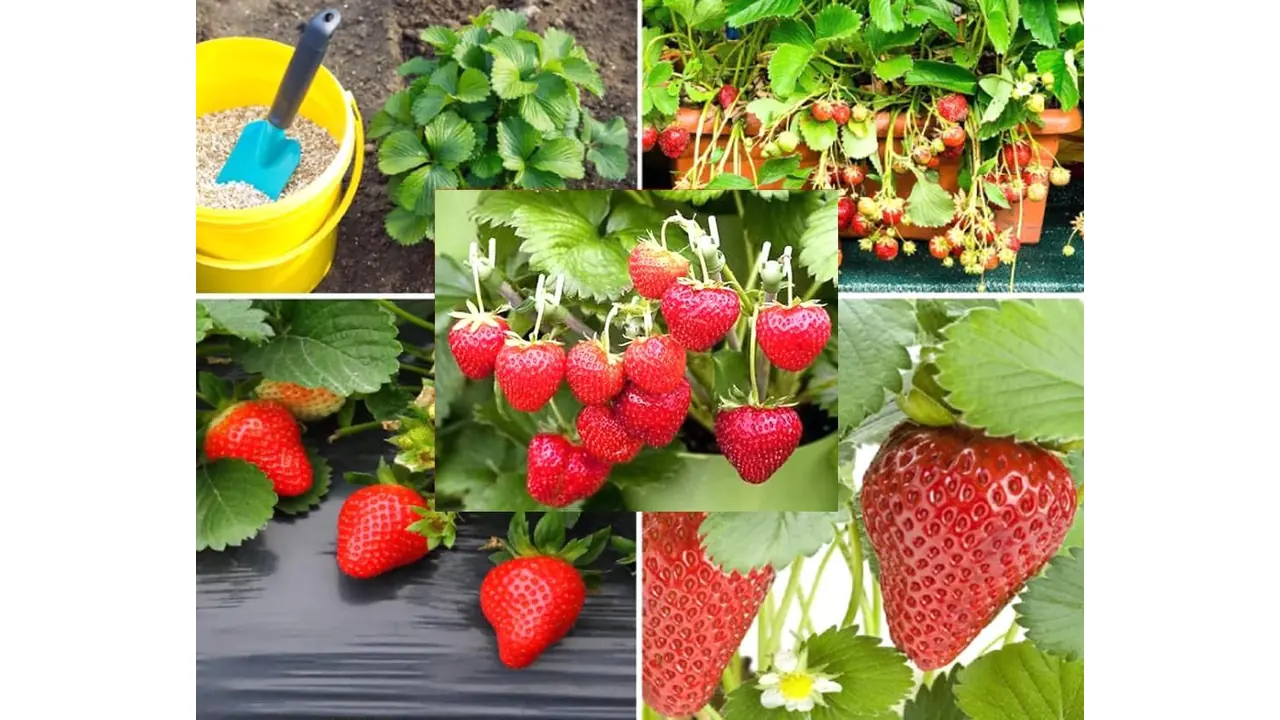
- Dreaming of a garden bursting with sweet, tiny strawberries? The 250PCS Alpine Strawberry Fast Growing Wild Strawberry Fragaria Vesca Seeds Heirloom offers a delightful opportunity to cultivate this old-fashioned favorite, known for its hardiness and prolific growth. These heirloom seeds promise to bring a touch of natural charm and delicious flavor to your outdoor space, whether you’re aiming for a charming ground cover or a productive edible landscape.
- Fragaria Vesca is very hardy and a strong grower, ensuring a resilient plant that can withstand various conditions.
- This is a cool-season perennial that grows best in spring and fall, making it ideal for gardeners in regions with distinct seasons.
- Grow Strawberry seeds for this old-fashioned favorite ground cover plant, perfect for adding natural beauty and texture to your garden.
- Winter hardy to USDA Zones 4-9 where these plants are easily grown in fertile, moist to dry-mesic, well-drained soils in full sun to part shade, offering broad adaptability.
- Suitable for Patio, Lawn & Garden applications, expanding its versatility for different types of outdoor spaces.
- Exceptional Hardiness and Growth: The emphasis on Fragaria Vesca being a very hardy and strong grower is a significant advantage, suggesting plants that are less prone to issues and will establish well.
- Versatile Growing Conditions: The ability to thrive in USDA Zones 4-9 and adapt to various soil types (fertile, moist to dry-mesic, well-drained) in both full sun and part shade makes these seeds suitable for a wide range of gardeners and locations.
- Heirloom Variety: As an heirloom, these seeds carry the promise of true-to-type plants and a connection to traditional gardening practices, offering unique flavor and character.
- Ground Cover Potential: The description as an “old-fashioned favorite ground cover plant” highlights a valuable aesthetic and functional use, capable of beautifying slopes, borders, or filling in garden beds.
- Abundant Seed Count: With 250 seeds, there’s ample opportunity for successful germination and establishing a substantial patch of alpine strawberries, providing plenty for personal enjoyment and sharing.
- The “fast growing” characteristic, combined with Fragaria Vesca’s reputation as a strong grower, suggests that gardeners can expect a relatively quick return on their planting efforts. These plants are known to spread runners, further contributing to their rapid establishment and coverage.
- As a cool-season perennial, these alpine strawberries are best suited for climates with distinct spring and fall growing periods. This means they will likely flourish when planted in early spring or late summer/early fall, allowing them to establish roots before extreme heat or cold sets in.
- The specified hardiness to USDA Zones 4-9 indicates that these plants are well-equipped to survive freezing temperatures, making them a reliable choice for many regions across North America. This resilience is a key factor in their long-term success.
- The requirement for fertile, well-drained soil is standard for most strawberry varieties, but the tolerance for moist to dry-mesic conditions suggests a degree of adaptability. Providing consistent moisture, especially during establishment and fruiting, will likely yield the best results, but the plants can likely tolerate some fluctuations.
- The suitability for “Patio, Lawn & Garden” use broadens the appeal, meaning these seeds can be sown directly into garden beds, containers on a patio, or even used to create a unique edible lawn alternative in suitable areas.
- Beginner Gardeners: Due to their reputation as a hardy and strong grower, these seeds are forgiving and can provide a rewarding experience for those new to gardening.
- Edible Landscaping: The dual purpose of being a delicious fruit producer and an attractive ground cover makes them ideal for integrating edibles into the aesthetic of your garden.
- Small Space Gardening: Alpine strawberries often have a compact growth habit and can be successfully grown in containers, window boxes, or on balconies.
- Shady or Partially Shady Areas: While they tolerate full sun, their ability to grow well in part shade makes them a good option for gardens with limited direct sunlight.
- Creating a Low-Maintenance Ground Cover: Their spreading nature makes them an excellent choice for suppressing weeds and adding a lush green carpet to bare patches of soil.
-
Key Features to Look For
- Look for seeds specifically identified as Fragaria Vesca to ensure you are getting true alpine strawberries, known for their hardiness and unique flavor.
- Prioritize descriptions that emphasize fast growing and strong grower characteristics, as this indicates a higher likelihood of success and quicker establishment.
- Check for information on winter hardiness, particularly USDA zones, to ensure the plants will survive in your climate. The specified zones of 4-9 offer a wide range of suitability.
- Consider the seed count; 250 seeds provide a generous amount for a robust planting.
- Look for terms like “heirloom” which suggest traditional varieties with potentially superior flavor and unique genetics.
-
Important Materials
- The primary “material” you are purchasing is high-quality, viable heirloom strawberry seeds. Ensure the packaging is appropriate for seed storage and protects from moisture and light.
-
Essential Factors to Consider
- Climate and Growing Zone: Confirm that your region falls within the USDA Zones 4-9 for optimal winter survival.
- Sunlight Exposure: Assess your garden’s light conditions; these strawberries thrive in full sun to part shade.
- Soil Type: While adaptable, they prefer fertile, well-drained soil. Prepare your planting area accordingly by amending with compost if needed.
- Watering Needs: Understand that strawberries generally require consistent moisture, especially during fruiting, but are noted here to tolerate moist to dry-mesic conditions.
- Space Requirements: Consider how much space you have, as alpine strawberries can spread via runners, though they are generally less aggressive than larger strawberry varieties.
-
Budget Planning
- Alpine strawberry seeds are typically an affordable way to start a strawberry patch. The cost of 250 seeds is generally reasonable, offering excellent value for the number of potential plants you can grow. Consider the cost of soil amendments, pots, or garden tools if you don’t already have them.
-
When to Buy
- The best time to buy seeds is typically in late winter or early spring, well before your last frost date, allowing ample time for germination and transplanting or direct sowing. Fall planting is also recommended for these cool-season perennials in zones where it’s feasible, giving them a head start for the following spring.
Key Features That Stand Out

250PCS Alpine Strawberry Fast Growing Wild Strawberry Fragaria Vesca Seeds Heirloom
What We Like
Performance Analysis
Best For
Buying Guide
Can I grow these strawberries in containers?
Yes, the 250PCS Alpine Strawberry Fast Growing Wild Strawberry Fragaria Vesca Seeds Heirloom are well-suited for container gardening due to their generally compact growth habit. Ensure the containers have adequate drainage and are filled with good quality potting mix.
How long does it take for these seeds to germinate?
While specific germination times can vary based on conditions, alpine strawberry seeds typically take 2-4 weeks to germinate. Providing consistent moisture and warmth is crucial for successful germination.
Are alpine strawberries suitable for hot climates?
While they are hardy to Zone 9, their preference for cool-season growth means they may struggle in prolonged, extreme heat. Planting in areas with afternoon shade and ensuring consistent moisture can help them perform better in warmer climates.
What is the difference between alpine strawberries and regular strawberries?
Alpine strawberries (Fragaria Vesca) are known for their smaller, intensely flavored fruits and lack of runners, making them excellent for ground cover and containers. Standard strawberries often produce larger fruits and readily spread via runners.
Do I need to do anything special to prepare the seeds before planting?
Some gardeners find that a period of cold stratification (simulating winter) can improve germination rates, though it’s not always strictly necessary for Fragaria Vesca. Otherwise, simply sow the seeds on the surface of moist, well-draining soil and keep them consistently damp.
How much sun do these strawberries need?
These plants are quite adaptable and can grow in full sun to part shade. While they will produce more fruit in sunnier locations, they can also thrive with less direct light, making them versatile for various garden spots.
Can I expect fruit the first year from seed?
It is possible, but not guaranteed, to get a small harvest in the first year if you start the seeds early indoors. More commonly, you will see significant fruit production beginning in the second year as the plants mature and establish themselves.
Final Thoughts
The 250PCS Alpine Strawberry Fast Growing Wild Strawberry Fragaria Vesca Seeds Heirloom present a wonderful opportunity for gardeners seeking a resilient and flavorful addition to their landscape. Their adaptability across various zones and light conditions, coupled with their heritage appeal, makes them a highly recommended choice for both new and experienced growers looking to cultivate an old-fashioned favorite.