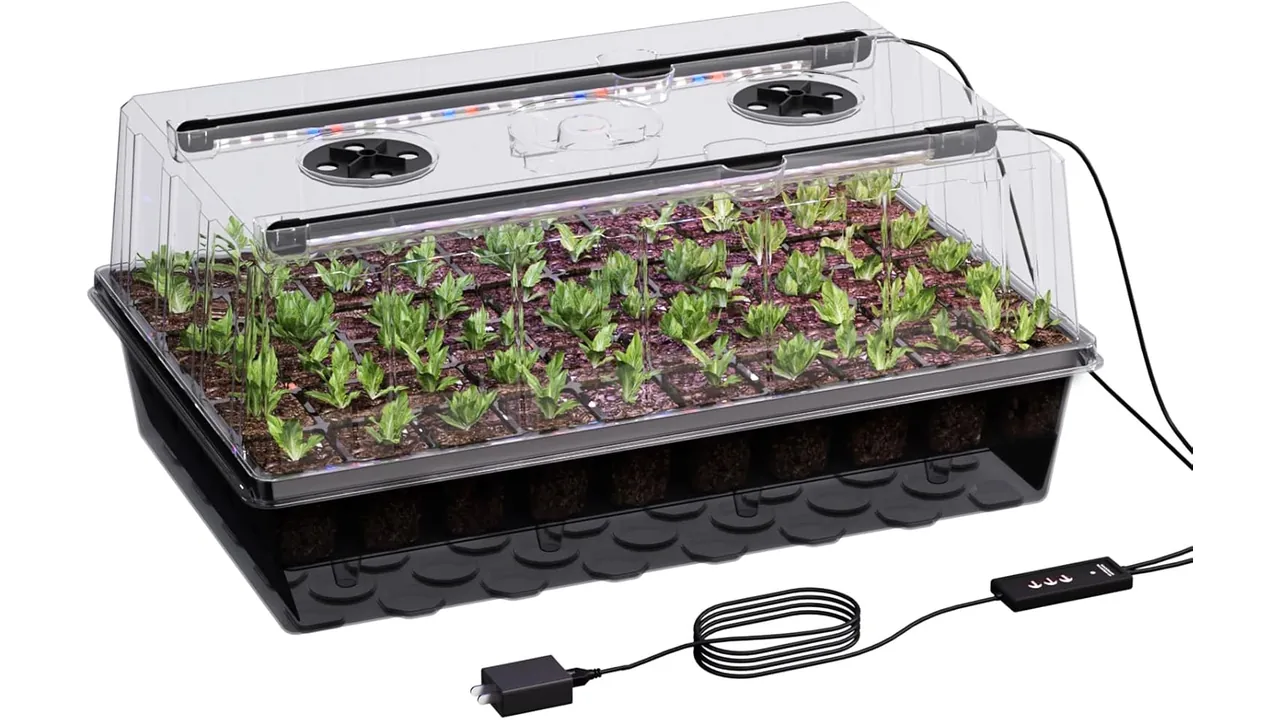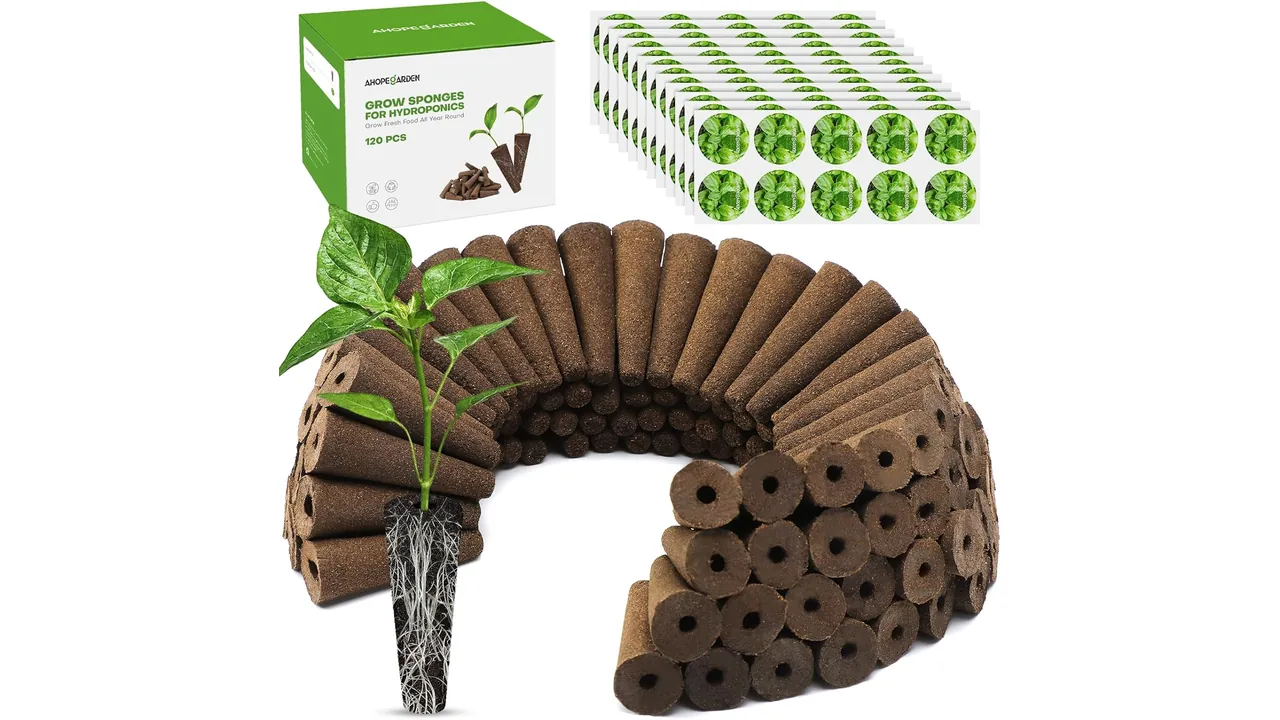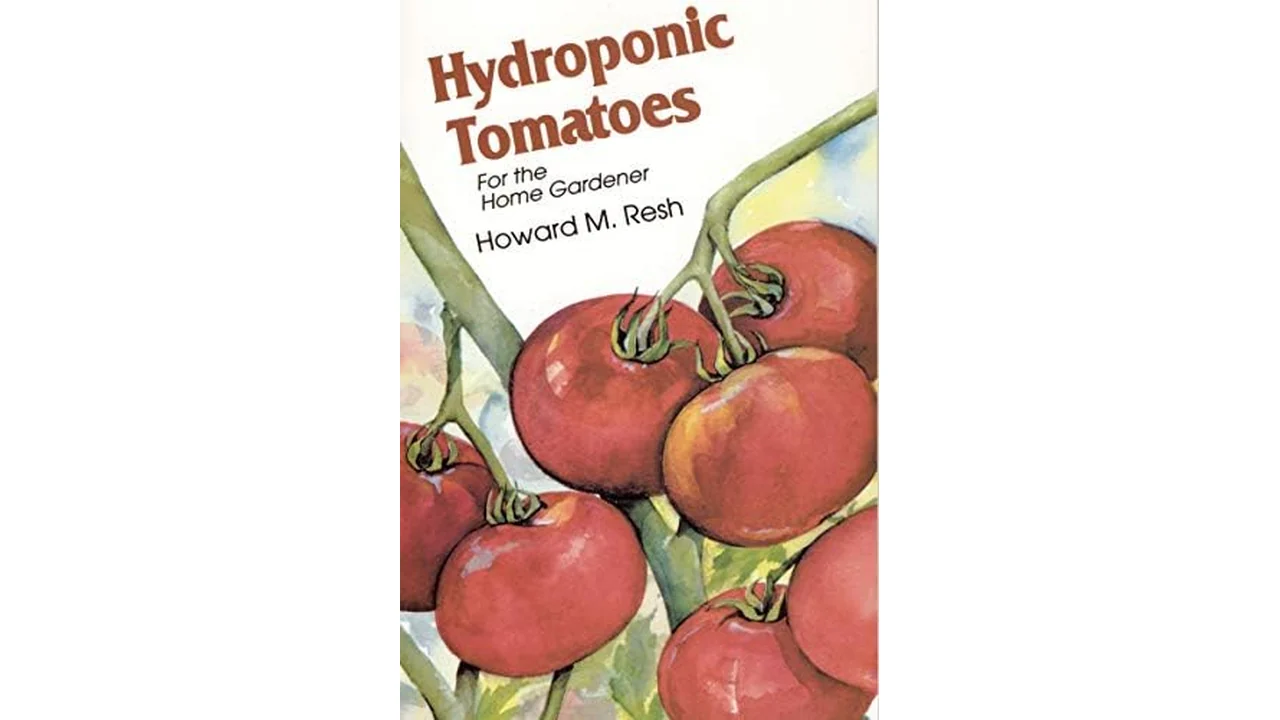
- Tired of bland supermarket tomatoes and wish you could enjoy fresh, homegrown produce year-round? Discover the delightful world of Hydroponic Tomatoes, a unique product that promises to bring the joy of gardening indoors, even if you have limited space or a less-than-green thumb. This innovative offering taps into the burgeoning trend of home cultivation, providing a fresh approach to enjoying your favorite fruit right from your living room.
- Crafts, Hobbies & Home: This product clearly aligns with the growing market for at-home activities and personal enrichment, making it a suitable addition to your household’s leisure pursuits.
- Gardening & Landscape Design: It directly addresses an interest in cultivating plants and improving living spaces, suggesting a focus on horticultural benefits and aesthetic integration.
- Compatibility with Fire HD Tablets: Specifically designed to work with the Fire HD 10 (11th Generation) and Fire HD 8 (10th Generation), this feature highlights a deliberate integration with popular consumer electronics for an enhanced user experience.
- Image Unavailable: While not a feature itself, this note from the product listing indicates a potential area for improvement in product visualization, which is a consideration for online shoppers.
- Dedicated to Home Gardening Enthusiasts: Its placement under “Crafts, Hobbies & Home” and “Gardening & Landscape Design” clearly signals its intent to serve individuals looking to cultivate plants at home, offering a focused solution.
- Seamless Integration with Popular Devices: The explicit mention of compatibility with the Fire HD 10 (11th Generation) and Fire HD 8 (10th Generation) suggests a user-friendly digital interface or companion app, enhancing the growing experience through familiar technology.
- Focus on a Specific Growing Method: The name itself, “Hydroponic Tomatoes,” indicates a specialized approach to cultivation that bypasses soil, potentially appealing to those interested in cleaner, more efficient gardening techniques.
- Potential for Year-Round Harvests: While not explicitly stated, hydroponic systems are generally known for their ability to produce crops regardless of external weather conditions, hinting at the possibility of enjoying fresh tomatoes any time of year.
- The product’s categorization under “Crafts, Hobbies & Home” and “Gardening & Landscape Design” suggests that its primary function is to facilitate indoor gardening and provide a creative outlet.
- The specific mention of compatibility with the Fire HD 10 (11th Generation) and Fire HD 8 (10th Generation) indicates that the growing experience may be enhanced by a digital component, such as an app for monitoring, guidance, or perhaps even interactive tutorials. This integration allows users to leverage their existing devices for a more informed and engaging gardening process.
- The “Image Unavailable” note is a point of consideration. While it doesn’t affect performance, it highlights that potential buyers may not have a clear visual representation of the product itself or its setup, which could influence purchasing decisions for those who rely heavily on visual cues.
- For those who own the specified Fire tablets, the performance is likely geared towards a seamless setup and operation. The system is expected to be intuitive enough to be managed through a tablet interface, potentially simplifying complex gardening tasks and making them accessible to beginners.
- The hydroponic nature implies a soil-less cultivation system, which typically results in faster growth rates and potentially higher yields compared to traditional soil gardening, assuming the system is well-designed and maintained.
- Urban Dwellers with Limited Space: Ideal for apartment residents or those with small yards who want to grow their own produce without the need for extensive outdoor gardening space.
- Beginner Gardeners Seeking Simplicity: The integration with Fire tablets suggests an accessible learning curve, making it a good choice for individuals new to gardening who appreciate guided instructions and digital support.
- Technology Enthusiasts Who Enjoy Hobbies: Perfect for individuals who like to combine their interest in technology with hands-on activities, leveraging their existing devices for a modern gardening experience.
- Anyone Craving Fresh, Homegrown Tomatoes Year-Round: For consumers who prioritize fresh ingredients and want a consistent supply of tomatoes regardless of the season or weather.
- Gift Givers Looking for Unique Home and Hobby Items: A distinctive gift option for friends or family who enjoy crafts, gardening, or innovative home solutions.
- Device Compatibility: As highlighted by the specific mention of Fire HD 10 (11th Generation) and Fire HD 8 (10th Generation), ensuring the system works with your existing or intended tablet is crucial for accessing any digital guidance or control features.
- Ease of Setup and Use: Look for indications of a straightforward assembly process and intuitive operation, especially if the system relies on a companion app or interface on your tablet.
- Plant Growth Support: The system should provide adequate light, water, and nutrient delivery mechanisms essential for healthy tomato plant development.
- Durability and Material Quality: While specific materials aren’t detailed, consider the overall build quality and the types of plastics or components used, as this impacts longevity.
- Size and Footprint: Determine if the system will fit comfortably in your intended growing space. Consider the vertical and horizontal dimensions required for the unit and the mature plants.
- Light Requirements: Hydroponic systems often require dedicated grow lights. Investigate whether lights are included, their type (e.g., LED, full-spectrum), and their intensity, as this is critical for tomato fruiting.
- Nutrient Management: Understand the type of nutrient solution recommended and the frequency of replenishment. Some systems offer automated dosing, while others require manual mixing and monitoring.
- Seed/Plant Starter Kits: Check if the product comes with starter seeds or seedlings, or if these need to be purchased separately. The variety of tomato also plays a role in size and yield.
- Water Source and Maintenance: Consider how water will be supplied and the effort involved in maintaining the water level and quality within the reservoir.
- Initial Investment: This typically includes the hydroponic unit, grow lights, a pump, and potentially starter nutrients or growing medium. Prices can range from $50 to $200 or more, depending on size and features.
- Ongoing Costs: Factor in the recurring expenses for electricity (for lights and pumps), hydroponic nutrients, and replacement parts like grow media or pH testing supplies.
- Value Proposition: Consider the cost savings from growing your own produce compared to purchasing it, especially for organic or specialty tomato varieties. The convenience and satisfaction of fresh, home-grown food also add significant value.
- Anytime for Immediate Gratification: If you’re eager to start growing, there’s no bad time to buy. Hydroponic systems are designed for indoor, controlled environments.
- During Sales and Promotions: Keep an eye out for holiday sales (e.g., Black Friday, Cyber Monday, Spring gardening sales) on Amazon or other retail sites, where you might find discounts on hydroponic equipment.
- Before Peak Tomato Season: While not critical, purchasing before traditional outdoor growing seasons might allow you to experiment and perfect your technique so you’re ready with fresh tomatoes when outdoor varieties are typically available.
Key Features That Stand Out
The Hydroponic Tomatoes product presents a selection of features that cater to a modern, tech-integrated lifestyle, focusing on compatibility and accessibility for popular devices.

What We Like
Based on the provided product information, several aspects of Hydroponic Tomatoes are noteworthy and contribute to its appeal for specific users.
Performance Analysis
Analyzing the performance of Hydroponic Tomatoes requires a deep dive into how its features translate into practical benefits for the end-user, especially considering its stated compatibility.
Best For
The Hydroponic Tomatoes product, with its specific feature set, is best suited for a particular segment of home growers and tech-savvy individuals.
Buying Guide
Key Features to Look For
When considering a product like Hydroponic Tomatoes, certain features are paramount for a successful and enjoyable experience.
Important Materials
Detailed material information is not provided in the initial product features. However, for hydroponic systems, common materials include food-grade plastics for reservoirs and growing channels, durable metals for support structures, and specialized materials for grow lights and nutrient solutions. When purchasing, it’s advisable to check for BPA-free plastics and corrosion-resistant metals.
Essential Factors to Consider
When evaluating this type of product, several factors come into play beyond just the listed features.
Budget Planning
The price point for hydroponic systems can vary widely. For a dedicated system designed for specific tablet integration, you might expect a mid-range investment.
When to Buy
The beauty of hydroponic systems is their ability to operate year-round, making the timing of purchase less dependent on seasons.
Frequently Asked Questions
What type of tomatoes can I grow with this system?
While the product information doesn’t specify tomato varieties, hydroponic systems are generally suitable for most determinate or dwarf indeterminate bush varieties that are well-suited for container gardening.
Does this system come with grow lights?
The provided product features do not explicitly state whether grow lights are included. It is essential to check the product description or inquire with the seller for this detail, as tomatoes require ample light to thrive.
How often do I need to change the water and nutrients?
Typically, hydroponic reservoirs need a top-off with water as plants consume it, and a full water and nutrient change every 1-3 weeks, depending on the system’s size and the plants’ growth stage.
Is this system suitable for complete beginners?
Given its integration with Fire tablets, it is likely designed with user-friendliness in mind, potentially offering guided setup and ongoing support through an app, making it accessible for beginners.
What is the typical yield I can expect?
Yields vary greatly depending on the tomato variety, lighting, nutrient levels, and overall care. However, hydroponic systems often produce faster growth and can yield a good amount of fruit in a controlled environment.
Do I need any special tools or supplies?
Beyond the main hydroponic unit, you might need pH testing kits, TDS meters (for nutrient concentration), and potentially additional nutrient solutions or growing media, depending on what is included.
How long does it take for tomatoes to grow and ripen?
The time from planting to harvest for tomatoes can range from 50 to over 80 days, depending on the specific variety. Hydroponic systems can sometimes accelerate this timeline due to optimal growing conditions.
In conclusion, the Hydroponic Tomatoes product offers a compelling proposition for those seeking to bring fresh tomato cultivation into their homes, particularly those who appreciate integration with popular tablet technology. While the lack of a product image is a minor drawback, its focus on accessibility and the hobbyist market makes it an intriguing option for modern indoor gardeners.