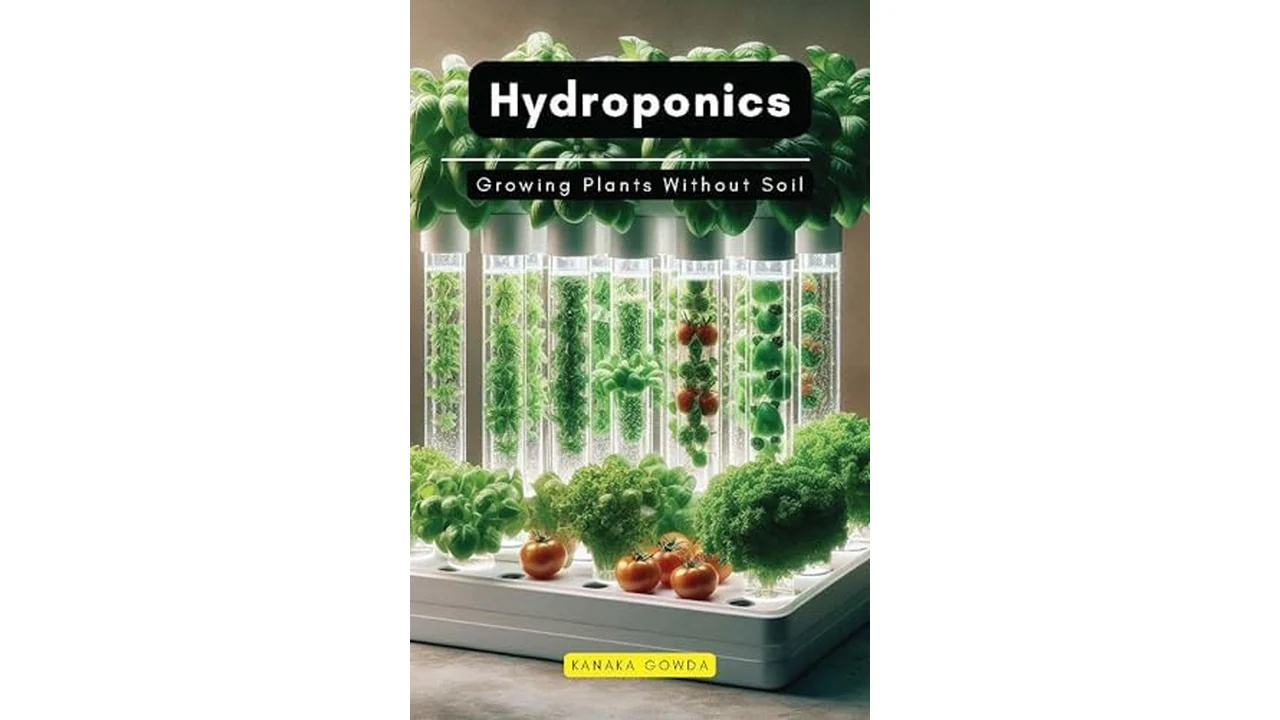
- Discover a revolutionary way to cultivate your favorite plants with Hydroponics: Growing Plants Without Soil, a new guide designed to demystify the science and practice of soil-free gardening. Whether you’re a seasoned gardener looking to expand your horizons or a complete beginner curious about the future of food production, this book offers a comprehensive introduction to the fascinating world of hydroponics. Prepare to unlock the secrets of growing vibrant, healthy plants using water-based nutrient solutions and innovative techniques.
- Science & Math: Delves into the underlying scientific principles and mathematical calculations necessary for successful hydroponic systems, ensuring a deeper understanding of plant nutrition and system design. This focus on the practical application of STEM is crucial for achieving optimal growth.
- Publisher : Educohack Press: Published by Educohack Press, a publisher known for its educational content, suggesting a commitment to providing accurate and accessible information. This points to a potentially well-researched and structured publication.
- Publication date : January 3, 2025: Being a recently published work, it is expected to contain up-to-date information and modern techniques in hydroponic cultivation. This ensures readers are learning from the latest advancements in the field.
- Edition : PublishDrive: The PublishDrive edition indicates a modern publishing approach, likely ensuring broad accessibility across various digital platforms for ease of use and reading.
- Educational Depth: The book is structured to provide comprehensive knowledge, covering both the scientific and mathematical aspects crucial for mastering hydroponic techniques. This allows for a thorough understanding of nutrient solutions, pH levels, and system mechanics.
- Accessibility of Information: With a publication date of January 3, 2025, the content is likely to be current and relevant to modern hydroponic practices. This ensures readers are not relying on outdated information that may be less effective or even detrimental to plant growth.
- Publisher’s Reputation: Being published by Educohack Press suggests a focus on clear, educational content designed to be easily digestible for a wide audience, from novices to more experienced growers.
- Digital Availability: The PublishDrive edition implies a streamlined digital experience, making it convenient for users to access the guide on various devices and platforms, facilitating on-the-go learning and reference.
- Aspiring Home Growers: Individuals looking to start growing their own produce at home with minimal space and without traditional soil.
- Educational Institutions: Schools and universities seeking resources to teach students about plant science, sustainable agriculture, and STEM concepts.
- Hobbyists Seeking Innovation: Gardeners interested in exploring advanced cultivation methods beyond conventional gardening practices.
- Urban Dwellers: Those living in apartments or areas with limited outdoor space who want to cultivate fresh herbs, vegetables, or flowers indoors.
- Science and Math Enthusiasts: Individuals who enjoy understanding the underlying principles and calculations involved in biological and agricultural systems.
Key Features That Stand Out
This insightful guide, Hydroponics: Growing Plants Without Soil, brings together essential knowledge for any aspiring soil-free gardener. Here are the key features that make it a standout resource:

What We Like
The Hydroponics: Growing Plants Without Soil guide truly shines in its ability to bridge the gap between theoretical knowledge and practical application. We particularly appreciate its commitment to providing readers with a solid understanding of the fundamental principles behind successful hydroponic systems. The inclusion of Science & Math elements is a significant advantage, empowering users to not just follow instructions but to truly understand why certain methods work, leading to more informed decision-making and problem-solving. This approach fosters a deeper connection with the growing process and allows for customization and adaptation of techniques. The publisher’s dedication to educational content, coupled with a recent publication date, assures users that the information is both reliable and current, a vital aspect in a rapidly evolving field like hydroponics.
Performance Analysis
Best For
Buying Guide
Key Features to Look For
When considering a guide on hydroponics, it’s essential to look for content that covers the fundamental Science & Math involved. This includes understanding nutrient formulations, pH balancing, and the principles of plant physiology as they relate to soilless cultivation. A strong emphasis on these areas ensures you’re not just following a recipe but truly understanding how to optimize your growing environment. A recent publication date, such as the January 3, 2025 release of Hydroponics: Growing Plants Without Soil, is also critical, as hydroponic technology and best practices evolve rapidly. Publisher reputation, like that of Educohack Press, can also be an indicator of the quality and accuracy of the information presented. Lastly, consider the accessibility of the edition; the PublishDrive edition suggests a modern approach to content delivery.
Important Materials
While this specific product is a book, the materials relevant to hydroponics itself are diverse and important to understand. These can include various grow mediums like rockwool, coco coir, perlite, or clay pebbles, as well as different types of nutrient solutions (organic and synthetic). The book will likely guide you on selecting and using these materials effectively. Understanding the properties and benefits of each material is key to creating a stable and supportive environment for your plants without soil.
Essential Factors to Consider
When embarking on hydroponic gardening, several factors are crucial for success. The book will likely cover aspects such as space requirements for different hydroponic systems (e.g., Deep Water Culture, Nutrient Film Technique, or Drip Systems), water quality and management, and the importance of controlling environmental factors like light, temperature, and humidity. For beginners, understanding the initial setup costs and the ongoing maintenance required is essential. The guide should also address common issues and troubleshooting, equipping you to handle challenges that may arise.
Budget Planning
The initial investment for hydroponic systems can vary significantly, from DIY setups costing under $100 to elaborate commercial-grade systems costing thousands. Factors influencing cost include the size of the system, the type of technology used, and the quality of components. For a book like Hydroponics: Growing Plants Without Soil, the price is typically modest but the value it provides in guiding your investment is immense. It helps you avoid costly mistakes by understanding what is truly necessary for your specific needs, whether it’s a small kitchen herb garden or a larger-scale operation.
When to Buy
There’s no strictly “seasonal” time to buy a hydroponics guide, as it’s an indoor gardening method. However, purchasing at the beginning of a new year, like the January 3, 2025 publication date of this book, is often a popular time for people to set new goals, including starting new hobbies like hydroponics. Spring is also a common time for gardening endeavors, making it a natural transition to explore indoor growing methods. Ultimately, the best time to buy is when you are ready and motivated to learn and implement the techniques.
Frequently Asked Questions
What are the core scientific principles covered in this book?
The book delves into fundamental scientific concepts such as plant nutrient uptake, photosynthesis, the role of pH in nutrient availability, and the water cycle as it applies to soilless systems. It aims to provide a solid understanding of how plants thrive without soil.
Does the book explain the necessary math for setting up hydroponic systems?
Yes, it explicitly covers the mathematical aspects, which likely include calculating nutrient solution concentrations, determining water volume, and understanding ratios for optimal plant growth. This ensures users can accurately manage their systems.
Who would benefit most from reading “Hydroponics: Growing Plants Without Soil”?
This guide is ideal for beginners looking to start hydroponic gardening, educators teaching science or agriculture, and hobbyists interested in sustainable and efficient growing methods. Anyone curious about growing plants without soil will find it valuable.
What makes the publisher, Educohack Press, a good choice for this type of book?
Educohack Press is known for creating educational content, suggesting that this book will be well-researched, accurate, and presented in an accessible manner. This ensures readers receive reliable information.
How up-to-date is the information in this publication?
With a publication date of January 3, 2025, the content is very current, reflecting the latest advancements and techniques in the field of hydroponics. This ensures readers are learning modern and effective methods.
What does the “PublishDrive” edition signify?
The PublishDrive edition indicates a modern approach to digital publishing, likely meaning the book is available in various electronic formats and accessible across multiple reading devices, enhancing user convenience.
Final Thoughts
Hydroponics: Growing Plants Without Soil appears to be a comprehensive and timely resource for anyone eager to explore the world of soil-free cultivation. Its emphasis on the scientific and mathematical underpinnings, combined with a recent publication date, makes it a valuable tool for both aspiring and intermediate growers. This guide promises to equip readers with the knowledge needed to successfully cultivate plants using innovative hydroponic techniques.