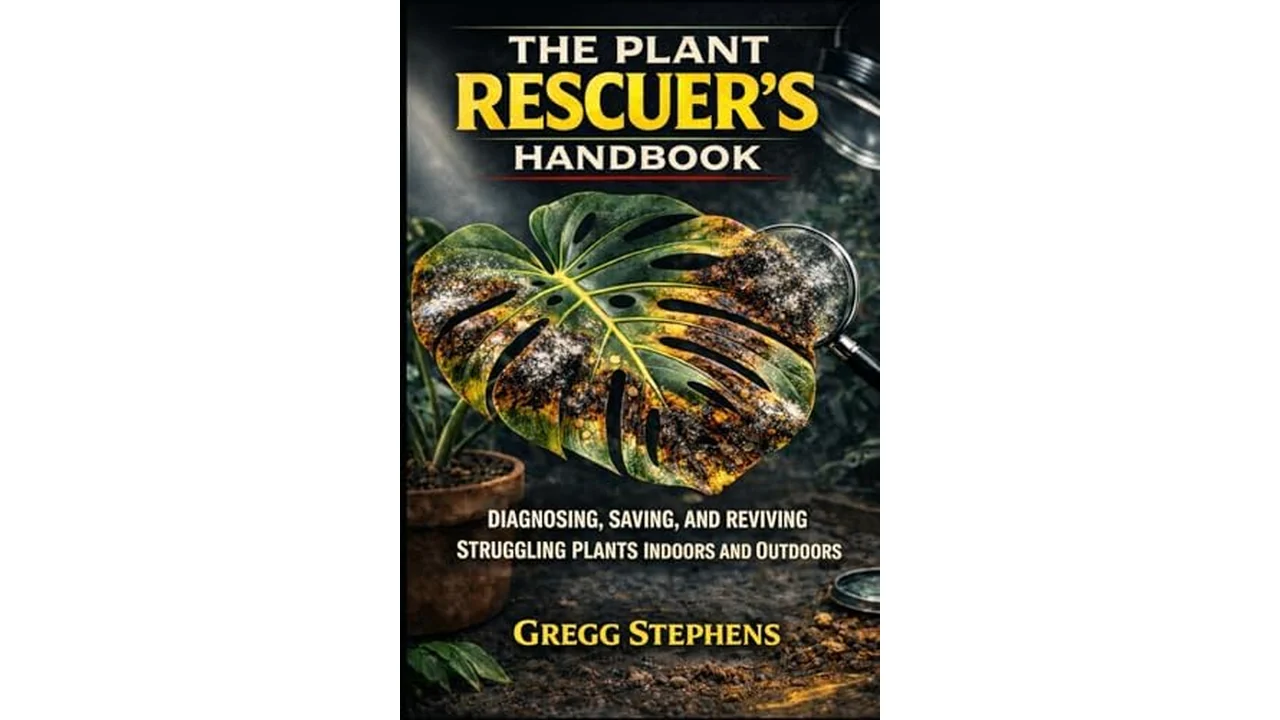
- Is your beloved greenery looking a bit sad, with drooping leaves and yellowing stems? Fear not, because THE PLANT RESCUER’S HANDBOOK: DIAGNOSING, SAVING, AND REVIVING PLANTS INDOORS AND OUTDOORS is here to guide you back to a flourishing green thumb. This comprehensive guide promises to equip you with the knowledge to tackle any plant predicament, from minor wilting to more serious signs of distress, whether your plants are basking in the sun outdoors or under grow lights inside.
- Category: It falls under Crafts, Hobbies & Home, making it accessible to a broad audience interested in home improvement and leisure activities.
- Specialization: Specifically, it’s categorized under Gardening & Landscape Design, indicating a focus on practical horticultural advice.
- Publication Details: Published independently, this title offers a dedicated resource for plant care enthusiasts.
- Publication Date: With a publication date of March 1, 2026, it suggests the content will be relatively current, though it’s important to note this is a future release date.
- Comprehensive Scope: The title itself promises a holistic approach, covering diagnosis, saving, and reviving plants, which is crucial for any plant owner facing issues.
- Indoor and Outdoor Application: The inclusion of both “Indoors and Outdoors” suggests the handbook is versatile, catering to a wide range of plant environments and needs. This dual focus is a significant advantage.
- Clear Categorization: Its placement within Gardening & Landscape Design under the broader umbrella of Crafts, Hobbies & Home indicates that it’s designed for practical, everyday use rather than purely academic study.
- Dedicated Focus: As an independently published work, it likely offers a passionate and focused perspective from the author on plant rescue, potentially with unique insights not found in more generalized gardening books.
- Diagnostic Capabilities: The emphasis on diagnosis implies that the handbook will provide clear, identifiable symptoms and their corresponding causes, allowing users to pinpoint problems accurately.
- Actionable Solutions: The promise of “saving and reviving” indicates that the content will move beyond identifying issues to offer practical, step-by-step solutions that users can implement.
- Versatility: Covering both indoor and outdoor plants means users won’t need separate guides for different plant types or locations, enhancing its overall utility.
- User-Friendliness: Given its classification in the “Hobbies” category, it is expected to be written in an accessible language, avoiding overly technical jargon, making it suitable for beginners and experienced gardeners alike.
- New Plant Owners: Those who are just starting their plant journey and are prone to making common mistakes will find invaluable guidance on preventing and correcting issues.
- Experienced Gardeners: Even seasoned plant enthusiasts can encounter challenging problems, and this book can serve as a reliable reference for diagnosing and treating complex plant ailments.
- Indoor Plant Enthusiasts: Individuals whose plant collections are primarily indoors will benefit from specific advice tailored to common indoor growing conditions and pests.
- Outdoor Gardeners: Those who cultivate gardens, patios, or balconies will appreciate the outdoor-specific troubleshooting and care tips.
- Anyone with “Problem Plants”: If you have a plant that consistently struggles or seems beyond saving, this book offers a structured approach to giving it a second chance.
- Diagnostic Tools: Look for clear symptom descriptions, possibly with accompanying images, to help accurately identify plant problems.
- Solution-Oriented Content: The most valuable handbooks offer practical, step-by-step advice on how to remedy issues, not just identify them.
- Broad Plant Coverage: A good guide should encompass a wide range of common houseplants and outdoor plants to be most useful.
- Indoor/Outdoor Focus: The inclusion of advice for both environments is a significant plus for versatility.
- Easy-to-Understand Language: The information should be presented clearly and concisely, avoiding overly technical terms.
- Durable Binding: A sturdy binding will ensure the book withstands frequent use in a garden or potting shed.
- High-Quality Paper: Paper that can handle occasional smudges from soil or water would be beneficial.
- Clear Illustrations/Photographs: Visual aids are crucial for diagnosing plant issues, so high-quality images are important.
- Scope of Problems Addressed: Does the handbook cover common issues like pests, diseases, watering problems, nutrient deficiencies, and environmental stress?
- Actionability of Advice: Can the solutions be realistically implemented by the average home gardener with readily available tools and supplies?
- Age of Information: For gardening, newer publications often incorporate the latest research and horticultural practices. The March 1, 2026 publication date suggests a relatively up-to-date resource.
- Target Audience: Is the book aimed at beginners, or does it offer advanced techniques for experienced gardeners? The hobbyist categorization suggests it’s likely accessible to a wide audience.
Key Features That Stand Out
This handbook boasts several standout features designed to empower plant enthusiasts of all levels:

THE PLANT RESCUER’S HANDBOOK: DIAGNOSING, SAVING, AND REVIVING PLANTS INDOORS AND OUTDOORS
What We Like
Based on the provided information, several aspects of THE PLANT RESCUER’S HANDBOOK: DIAGNOSING, SAVING, AND REVIVING PLANTS INDOORS AND OUTDOORS are particularly appealing:
Performance Analysis
While a direct performance review isn’t possible without reading the content, the structure and stated purpose of THE PLANT RESCUER’S HANDBOOK: DIAGNOSING, SAVING, AND REVIVING PLANTS INDOORS AND OUTDOORS suggest strong potential performance in its intended role.
Best For
This handbook is ideally suited for a variety of individuals and situations:
Buying Guide
When considering a resource like THE PLANT RESCUER’S HANDBOOK: DIAGNOSING, SAVING, AND REVIVING PLANTS INDOORS AND OUTDOORS, here are key factors to keep in mind:
Key Features to Look For
Important Materials
As this is a book, the “materials” refer to the physical aspects of the publication. While specific details aren’t provided, one would typically look for:
Essential Factors to Consider
Budget Planning
The price of gardening books can vary widely based on their depth, author reputation, and format. For a comprehensive handbook like this, one might expect a price range generally between $20 and $40. Independently published books can sometimes offer better value, as they may have lower overheads. Consider the number of plants you own or plan to own and the potential cost of replacing damaged plants to gauge the value this investment offers.
When to Buy
Given the publication date of March 1, 2026, the ideal time to consider purchasing this book is around its release. If you are experiencing plant issues now, it might be worth looking for currently available resources. However, if you are planning ahead or anticipating future plant care challenges, pre-ordering or purchasing shortly after its release will ensure you have access to the most current advice. Gardening seasons can also influence purchasing decisions; preparing for spring planting or troubleshooting summer issues might prompt a purchase at different times of the year.
Frequently Asked Questions
What are the most common plant problems this handbook might address?
This handbook is likely to cover prevalent issues such as overwatering, underwatering, pest infestations (like aphids or spider mites), fungal diseases, nutrient deficiencies, and environmental stressors like poor light or temperature fluctuations.
Is this book suitable for someone who is new to gardening?
Yes, given its placement in the “Crafts, Hobbies & Home” category and focus on diagnosing and saving plants, it is expected to be written in an accessible manner suitable for beginners.
Will this handbook help me with both indoor houseplants and outdoor garden plants?
The title explicitly mentions “Indoors and Outdoors,” suggesting it provides guidance applicable to a wide range of plant environments, from windowsills to garden beds.
What kind of visual aids can I expect in this book?
While not explicitly stated, books of this nature typically include photographs or illustrations to help users identify plant symptoms and pests more easily.
How does “independently published” affect the quality of the content?
Independently published books often stem from a deep passion and specialized knowledge of the author, potentially offering unique insights and a focused perspective on the subject matter.
Is there any information on specific plant species, or is it generalized advice?
The focus on diagnosis and revival suggests that while general principles will be covered, the handbook likely provides examples and solutions applicable to various common plant types.
Final Thoughts
THE PLANT RESCUER’S HANDBOOK: DIAGNOSING, SAVING, AND REVIVING PLANTS INDOORS AND OUTDOORS appears to be a promising resource for anyone looking to improve their plant care skills. Its comprehensive scope and dual indoor/outdoor focus make it a versatile guide for tackling common and potentially complex plant issues. With a future publication date, it aims to provide modern solutions for a thriving plant collection.