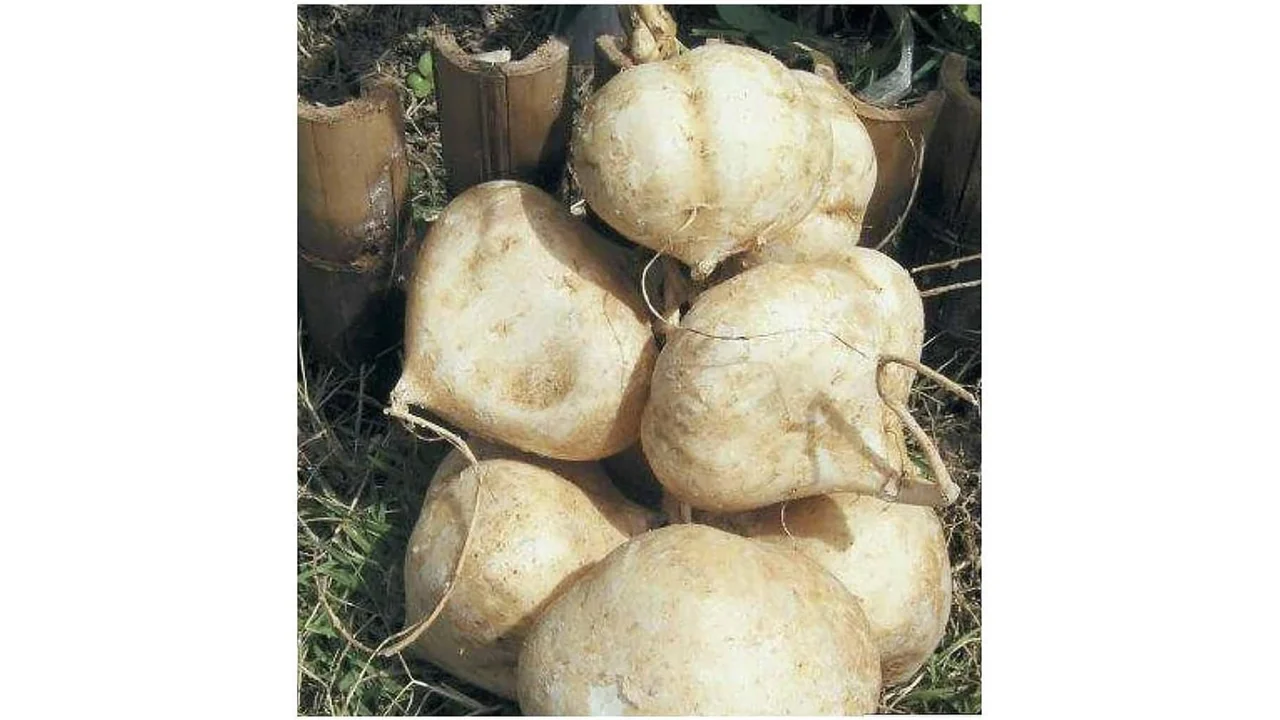
- Embark on a unique gardening adventure with the Jicama Root Seeds – 20 Large Seeds Thai Jicama. Jicama Plants Produce Several Bulbs Like Large Potatoes…. These seeds offer the exciting possibility of growing your own crisp, sweet jicama tubers right in your garden, providing a delicious and healthy addition to your culinary endeavors. Get ready to cultivate a truly distinctive harvest that’s sure to impress.
- Cultivation Guidance: The seeds come with specific instructions, advising to start them indoors 8-10 weeks before the last frost date. It’s crucial to maintain warm soil temperatures for germination, as cool soil will prevent seeds from sprouting. Proper hardening off before transplanting is also emphasized.
- Optimal Planting Conditions: For best results, plant in late spring/early summer in a location that receives ample sun and has soil temperatures consistently above 70°F.
- Root Production Focus: To encourage the development of the desirable root tubers, it’s recommended to remove flower buds as they appear.
- Extended Harvest & Storage: Tubers are ready to be harvested between 5 to 9 months after sowing. The provided storage guidelines suggest keeping them in a dry, dark, and cool environment at temperatures between 50-60°F.
- Quality Assurance: These seeds are certified Non GMO and Neonicotinoid Seed, ensuring a healthier and more sustainable growing option.
- Trusted Seller: Marde Ross & Company, the vendor, is a licensed California Nursery since 1985, specializing in items like flowering bulbs and peonies, indicating a history of expertise in plant propagation.
- Versatile Use: Suitable for your Patio, Lawn & Garden, making it adaptable to various growing spaces.
- The inclusion of detailed cultivation instructions is a significant advantage, especially for gardeners who may be new to growing jicama. Knowing when to start seeds indoors and the importance of soil temperature is invaluable.
- We appreciate that the seeds are Non GMO and Neonicotinoid Seed, aligning with the growing demand for sustainable and natural gardening practices. This offers peace of mind for health-conscious growers.
- The vendor’s long-standing history (licensed California Nursery since 1985) and specialization in plants suggest a reliable source for quality seeds.
- The clear advice on removing flower buds to promote root production is a practical tip that directly impacts the yield of desirable tubers.
- The detailed harvesting and storage recommendations are very helpful, guiding gardeners through the entire process from sowing to enjoying their harvest.
- The germination success of these Jicama Root Seeds – 20 Large Seeds Thai Jicama. Jicama Plants Produce Several Bulbs Like Large Potatoes… is heavily dependent on meeting the specified environmental conditions. The emphasis on warm soil (above 70°F) and starting seeds indoors 8-10 weeks prior to the last frost is critical for robust growth. Failure to provide sufficient warmth is highlighted as a key factor that can prevent germination.
- The growing season for jicama is lengthy, requiring 5 to 9 months for tubers to mature. This means planning for an extended harvest period is essential.
- The instruction to remove flower buds is a direct performance enhancer, channeling the plant’s energy into root development rather than seed production. This is a key strategy for maximizing tuber size and yield.
- Post-harvest, the recommended storage conditions (dry, dark, cool environment at 50-60°F) are crucial for preserving the quality and freshness of the jicama tubers. This indicates that while the growing phase requires specific conditions, the storage phase also has precise requirements for optimal results.
- The seeds are from a vendor with a long history in horticulture, suggesting a commitment to quality and a good understanding of plant needs, which should translate to reliable performance for the home gardener.
- Beginner Gardeners: Those new to growing unique vegetables can benefit from the clear cultivation instructions provided with the seeds.
- Home Vegetable Gardens: Individuals looking to diversify their garden with an unusual and nutritious crop will find these seeds ideal.
- Edible Landscaping Enthusiasts: Jicama plants, while grown for their roots, can also be an interesting addition to a garden setting, especially for those who enjoy edible landscaping.
- Health-Conscious Eaters: People seeking healthy, crunchy snack options will appreciate the opportunity to grow their own jicama, known for its high water content and fiber.
- Tropical and Subtropical Climates: While adaptable with indoor starting, jicama thrives in warm conditions, making these seeds particularly well-suited for regions with longer, warmer growing seasons.
- Germination Information: Look for seeds that come with clear instructions on germination requirements, especially regarding temperature and timing, as is the case with these Jicama Root Seeds – 20 Large Seeds Thai Jicama. Jicama Plants Produce Several Bulbs Like Large Potatoes….
- Non-GMO and Chemical-Free Labels: For health and environmental reasons, choosing Non GMO and Neonicotinoid Seed is a significant benefit.
- Seed Count: Ensure the quantity of seeds provided meets your planting needs. This product offers 20 large seeds.
- Vendor Reputation: Purchasing from reputable nurseries or seed companies with a proven track record, like Marde Ross & Company, can increase the likelihood of receiving viable seeds.
- The primary material is the seed itself. The feature “Non GMO and Neonicotinoid Seed” indicates the absence of genetically modified organisms and specific chemical treatments.
- Climate and Growing Season: Jicama requires a long, warm growing season (5-9 months). Consider your local climate and the length of your frost-free period. Starting seeds indoors is a crucial strategy for cooler climates.
- Soil Depth: The product information specifies fertile, well-drained soil at least 20 inches deep, which is essential for the proper development of the root tubers. Ensure you have adequate space and soil preparation capabilities.
- Sunlight Exposure: A warm, sunny location is necessary for optimal growth.
- Pest and Disease Resistance: While not explicitly mentioned, researching common jicama pests and diseases in your region is advisable.
- The cost of jicama seeds can vary based on quantity, variety, and supplier. For 20 large seeds, the price should be considered reasonable for a unique and potentially high-yield crop. Factor in the cost of soil amendments, containers (if starting indoors), and potential pest control measures if needed. The value comes from the potential harvest of several bulbs per plant, described as “like large potatoes.”
- The best time to buy jicama seeds is typically in late winter or early spring, well before your last frost date. This allows ample time for indoor starting if necessary and ensures you have the seeds ready when the optimal planting window arrives. Purchasing in advance also guarantees availability, as popular gardening items can sell out quickly.
Key Features That Stand Out
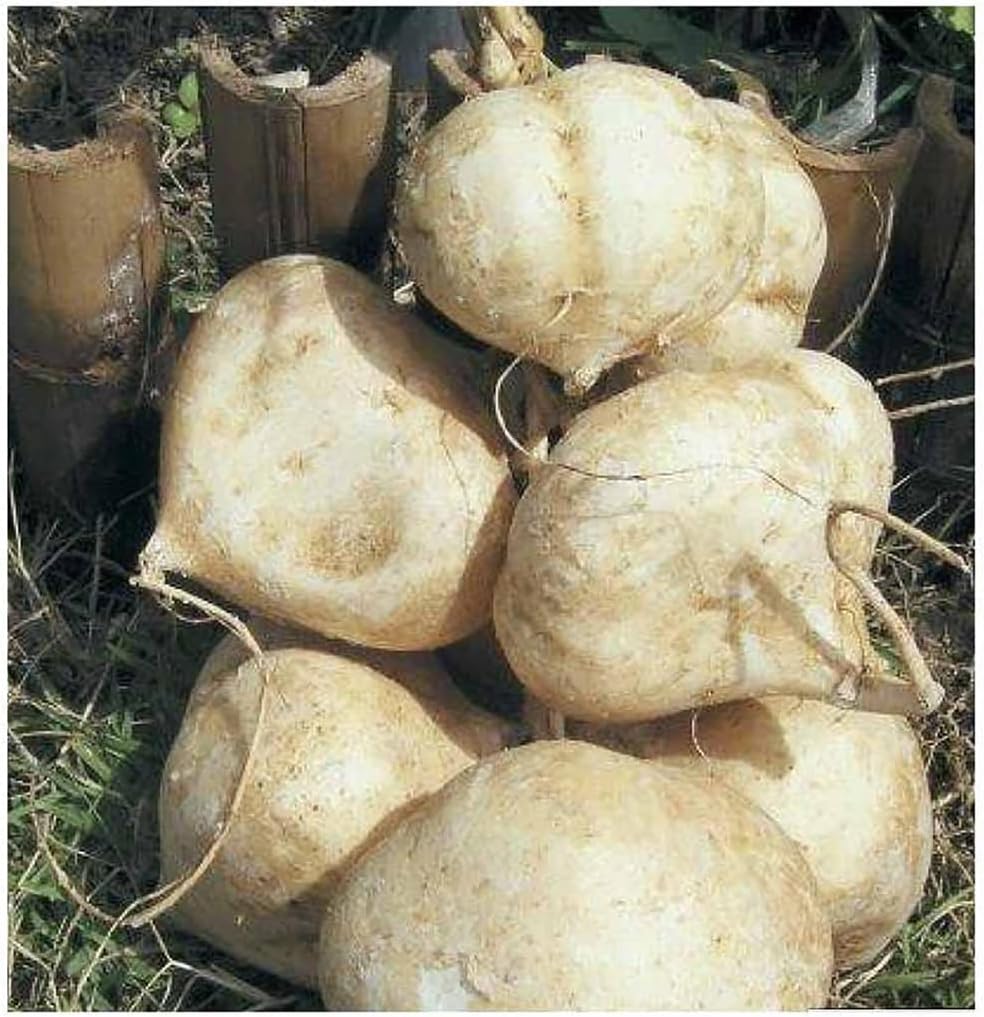
Jicama Root Seeds – 20 Large Seeds Thai Jicama. Jicama Plants Produce Several Bulbs Like Large Potatoes…
What We Like
Performance Analysis
Best For
Buying Guide
Key Features to Look For
Important Materials
Essential Factors to Consider
Budget Planning
When to Buy
Frequently Asked Questions
When is the best time to plant jicama seeds?
You should plant jicama seeds in late spring or early summer when the soil temperature is consistently above 70°F and you are past your last frost date.
How long does it take for jicama to grow?
Jicama tubers typically take between 5 to 9 months from sowing to reach harvestable size.
Can I grow jicama in a small garden or in containers?
Yes, with proper soil depth (at least 20 inches) and consistent warmth, jicama can be grown in large containers or well-prepared garden beds.
Why should I remove the flower buds from my jicama plant?
Removing flower buds helps redirect the plant’s energy towards developing larger and more abundant root tubers, which is the desired part of the plant for consumption.
How should I store harvested jicama?
Harvested jicama tubers should be stored in a dry, dark, and cool environment, ideally between 50-60°F, to maintain their freshness and quality.
Are these seeds suitable for organic gardening?
Yes, these seeds are described as Non GMO and Neonicotinoid Seed, making them a good choice for gardeners looking for natural and chemical-free options.
Final Thoughts
The Jicama Root Seeds – 20 Large Seeds Thai Jicama. Jicama Plants Produce Several Bulbs Like Large Potatoes… offer a rewarding gardening experience for those willing to provide the right conditions. With clear cultivation guidance and a promise of unique, potato-like tubers, these seeds are a fantastic choice for adventurous home growers. Remember that patience and adherence to the specific temperature and timing requirements are key to a successful harvest.