
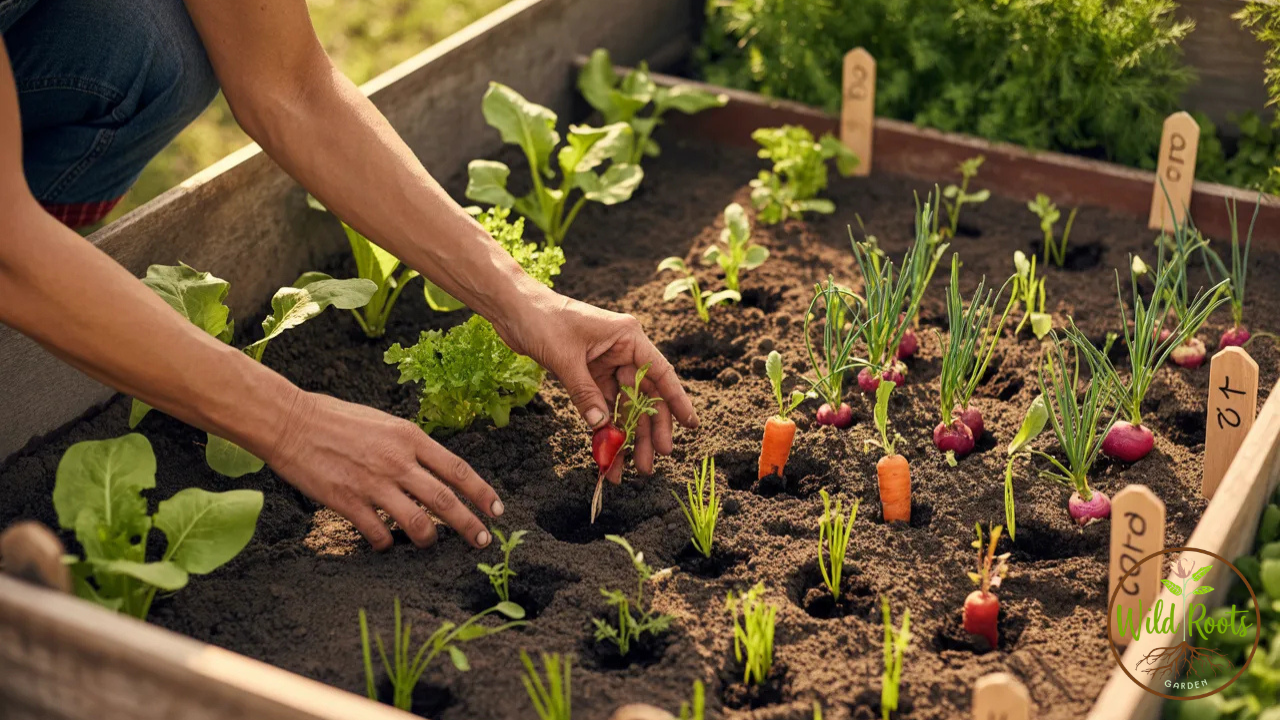
Florida, with its glorious sunshine and unique climate, offers a distinct advantage for gardeners – a longer growing season. However, this also means understanding a different rhythm compared to other regions. If you’re wondering when to plant fruits and vegetables in Florida, you’re in the right place. The key to a bountiful harvest in the Sunshine State lies in recognizing its two primary growing seasons: a warm season and a cool season.
Understanding Florida’s Unique Climate
Unlike most areas with four distinct seasons, Florida primarily experiences a warm, humid summer and a mild, drier winter. This subtropical to tropical climate means that certain plants thrive during specific times of the year, while others will struggle or even perish. Successful gardening here hinges on aligning your planting schedule with these seasonal shifts, particularly avoiding the intense summer heat and potential winter frosts for delicate crops.
Cool Season Crops: Fall and Winter Planting
Florida’s “winter” is the envy of many gardeners up north. From roughly September/October through February/March, the temperatures are milder, making it ideal for a wide array of delicious cool-weather vegetables. This is a prime time for planting!
When to Plant Cool Season Crops
Begin planting cool-season crops in late summer to early fall (September/October) to allow them to establish before the cooler weather fully sets in. You can often continue successive plantings through winter.
Recommended Cool Season Fruits and Vegetables
- Leafy Greens: Lettuce, spinach, kale, collard greens, mustard greens, Swiss chard thrive in cooler temperatures and can often be harvested repeatedly.
- Root Vegetables: Carrots, radishes, beets, and turnips grow beautifully underground during this period.
- Brassicas: Broccoli, cabbage, cauliflower, and Brussels sprouts love Florida’s mild winter.
- Legumes: Peas (especially snow and snap peas) are excellent cool-season additions.
- Strawberries: Florida is famous for its winter strawberry season. Plant bare-root or potted plants in early fall for a winter harvest.
- Onions & Garlic: Plant onion sets or garlic cloves in the fall for harvest in late spring/early summer.
Tips for Cool Season Success
Ensure your soil is well-drained, as occasional heavy rains can occur. Mulch can help regulate soil temperature and moisture. While frosts are rare in much of South Florida, northern and central parts may experience them, so be prepared to cover tender plants if temperatures dip.
Warm Season Crops: Spring and Summer Planting
As temperatures rise and days lengthen, Florida transitions into its warm season. This period, roughly from March/April through August/September, is perfect for heat-loving plants, including many traditional summer favorites and tropical varieties.


When to Plant Warm Season Crops
Start planting warm-season crops in late winter to early spring (February/March) after the last threat of frost has passed. You can often plant in succession through early summer, though the peak summer heat can slow production.
Recommended Warm Season Fruits and Vegetables
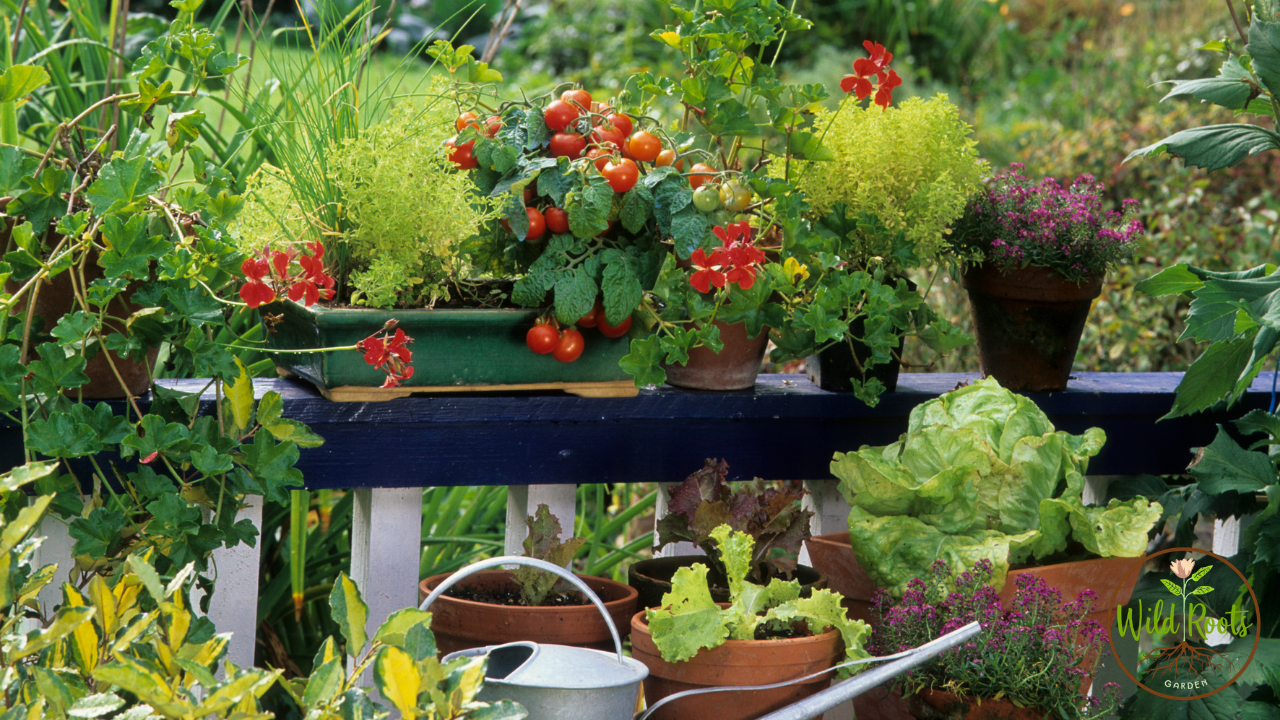
- Fruiting Vegetables: Tomatoes, peppers (bell, chili), eggplants, and okra are classic warm-season staples. Choose heat-tolerant varieties for best results.
- Squash & Melons: Zucchini, yellow squash, cucumbers, cantaloupe, and watermelon flourish in the heat.
- Beans: Bush beans and pole beans are productive throughout the warmer months.
- Corn: Sweet corn can be a rewarding warm-season crop.
- Sweet Potatoes: These love the heat and humidity and can be planted from spring into early summer.
- Tropical Fruits: Mangoes, avocados, papayas, and various citrus (oranges, grapefruits, lemons, limes) are well-suited to Florida’s warm climate, though they are often established as trees rather than annual plantings.
Tips for Warm Season Success
Florida’s summer heat and humidity are intense. Provide ample water, especially during dry spells. Mulching is crucial to conserve moisture and keep soil temperatures stable. Consider partial shade for some plants during the hottest part of the afternoon, and prioritize pest and disease management, as both can be prolific in the humid environment.
Year-Round and Perennial Favorites
Some fruits and vegetables, particularly in South Florida, can be grown almost year-round or are perennial. Herbs like basil, mint, and rosemary often thrive with consistent care. Bananas, pineapples, and specific varieties of collards or perpetual spinach can also offer extended harvests.
General Tips for When to Plant Fruits and Vegetables in Florida
- Know Your Zone: Florida spans USDA Hardiness Zones 8a to 11a. Your specific zone dictates which plants will thrive and when to plant fruits and vegetables in Florida most effectively in your microclimate.
- Soil is Key: Florida soils are often sandy and nutrient-poor. Amend your garden beds generously with compost and other organic matter to improve drainage, water retention, and fertility.
- Choose the Right Varieties: Opt for disease-resistant and heat-tolerant varieties specifically bred for Florida’s climate. Your local extension office is an invaluable resource.
- Water Wisely: Consistent watering is essential, especially for new plants and during dry periods. Deep, infrequent watering is generally better than shallow, frequent watering.
- Observe and Adapt: Pay attention to your plants and the local weather. Gardening is an ongoing learning process.
By understanding Florida’s unique seasonal rhythms and choosing the right crops for the right time, you can enjoy a continuous harvest from your home garden. Happy planting!