If you’ve ever tried to grow a big, juicy Beefsteak tomato in July in Orlando or Miami, you’ve likely seen the same thing: healthy green plants that produce plenty of yellow flowers, but zero fruit.
This phenomenon is known as “blossom drop,” and it happens because most tomato pollen becomes sterile when nighttime temperatures stay above 75°F–80°F. However, with the right expertise, you can still have homegrown tomatoes on your table during the dog days of August.
1. Timing Your Planting by Region
Florida is split into three distinct gardening zones. Following the “standard” American gardening calendar is the quickest way to fail in the Sunshine State.
North Florida (Pensacola to Jacksonville)
-
The Summer Strategy: You are aiming for a late spring/early summer harvest.
-
Planting Window: March to April.
-
The “Pull” Date: Most gardeners pull their plants by early July to avoid the peak pest season (stink bugs and hornworms) and replant a “fall crop” in August.
Central Florida (Orlando to Tampa)
-
The Summer Strategy: You have a very narrow window.
-
Planting Window: February to early March.
-
The Summer Survival: By June, the humidity brings fungal issues. You must use “Heat-Set” varieties (see below) if you want fruit through August.
South Florida (Miami to The Keys)
-
The Summer Strategy: Reverse your thinking. Summer is the worst time to grow tomatoes here.
-
Planting Window: August through February.
-
Note: If you want a “summer” tomato in South Florida, you should be planting in late winter so the plant is established before the rains start in June.
2. The Expert’s Secret: Heat-Set Varieties
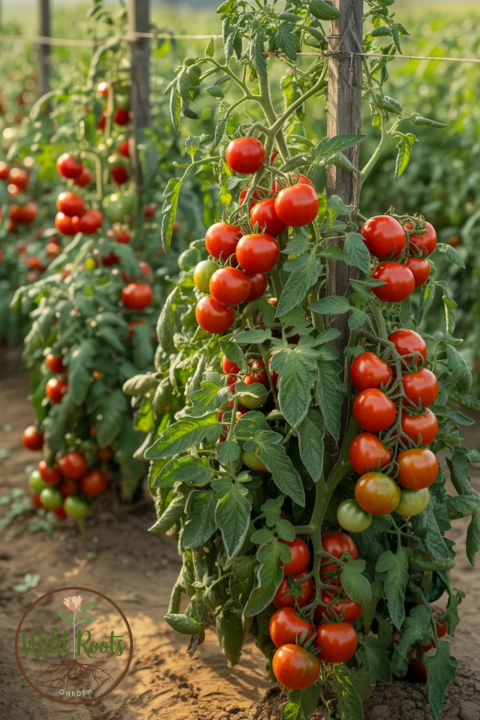
To beat the “80-degree rule,” you must plant cultivars specifically bred to pollinate in extreme heat.
| Variety Type | Best Recommendations | Why They Work |
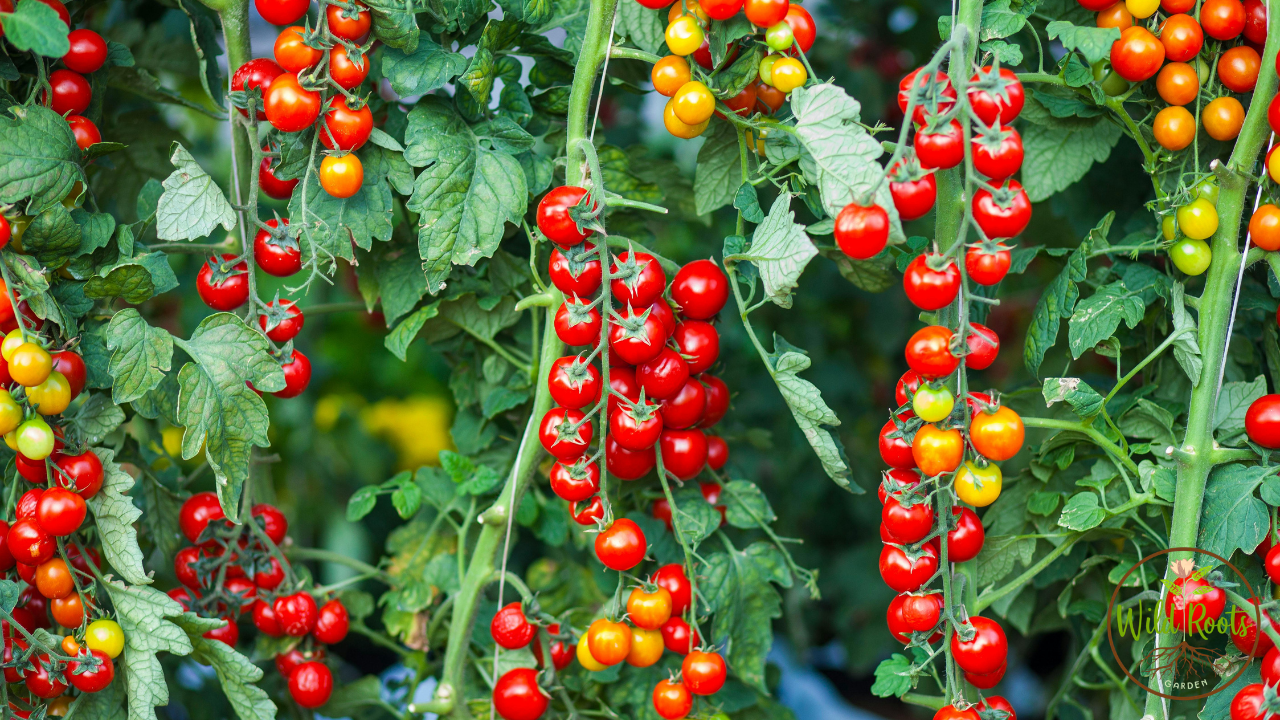
| Cherry/Grape | Everglades Tomato, Sweet 100, Sun Gold | The Everglades tomato is a Florida native; it is practically indestructible and fruits all summer. |
| Heat-Set Hybrids | Solar Fire, Heatmaster, Phoenix, Summer Set | Developed by UF/IFAS to set fruit even when temps hit 90°F+. |
| Dwarf/Patio | Rosella Purple, Totem | Easier to move into the shade during the brutal afternoon sun. |
3. Summer Maintenance: The 3 Pillars of Survival
According to horticultural experts, growing in the heat requires a shift in how you manage soil and water.
I. The Afternoon Shade Rule
While tomatoes love “full sun” in the North, the Florida summer sun at 3 PM can literally cook the plant.
-
Action: Install a 40% shade cloth over your garden beds. This lowers the ambient temperature around the blossoms just enough to allow pollination to occur.
II. Combatting the “Sand”
Florida soil is mostly sand, which holds neither water nor nutrients.
-
Expert Tip: Mix in 3–4 inches of high-quality compost or composted manure before planting.
-
Mulch: Use 3 inches of pine straw or eucalyptus mulch. This keeps the soil temperature up to 10 degrees cooler and prevents rain from splashing soil-borne fungi onto your leaves.
III. Irrigation Without Disease
Summer in Florida means daily thunderstorms. While this provides water, the humidity is a breeding ground for Early Blight.
-
Action: Never use overhead sprinklers. Use soaker hoses or drip irrigation at the base of the plant. If you must hand-water, do it at 6 AM so the leaves dry quickly in the sun.
4. Troubleshooting Common Summer Pests
As temperatures rise, so does the “bug pressure.”
-
Whiteflies & Aphids: These thrive in the humidity. Use Neem Oil or insecticidal soap, but only apply it in the evening to avoid foliage burn.
-
Hornworms: Check your plants daily. If you see “black pepper” (droppings) on the leaves, a hornworm is nearby. Hand-picking is the most effective method.
Summary for Your Success
Growing tomatoes in the Florida summer isn’t about fighting the heat—it’s about choosing the right “Heat-Set” genetics and providing afternoon relief. If you are a beginner, start with the Everglades Tomato; it’s the most “set it and forget it” variety for our unique climate.
Happy Gardening!