- Tired of waiting for your garden to yield results, or perhaps you lack the space for traditional methods? Hydroponics for Beginners: Simple Systems, Proven Setups, 21-Day Plan for a Fast First Harvest of Herbs and Greens Without the Guesswork aims to demystify soilless gardening, promising a speedy path to fresh produce right at home. This guide appears to be designed to take the intimidation factor out of hydroponics, offering a clear roadmap for newcomers.
- Crafts, Hobbies & Home: Positioned within a broad category, suggesting versatility and appeal to a wide audience interested in home projects and self-sufficiency.
- Gardening & Horticulture: Clearly targets individuals passionate about growing plants, whether for food or aesthetics.
- Image Unavailable Image not available forColor: This indicates that visual aspects of the product or system might be less of a focus, with the emphasis placed on the practical knowledge and results.
- How hydroponics actually works (plain English): A crucial feature for beginners, promising to break down complex scientific principles into easily digestible information. This is key for building confidence.
- Choosing a system that fits your space and budget: Addresses two of the most significant barriers for aspiring hydroponic gardeners – physical limitations and financial constraints – offering practical guidance for making informed decisions.
- Emphasis on Simplicity: The promise of “Simple Systems” and explaining “how hydroponics actually works (plain English)” is highly appealing for those new to the concept. It suggests the book is designed to be accessible and not overwhelming.
- Actionable 21-Day Plan: The inclusion of a “21-Day Plan for a Fast First Harvest” is a significant draw. This provides a tangible goal and a clear timeline, which is motivating for beginners and helps to quickly see the benefits of hydroponic gardening.
- Practical System Guidance: The feature “Choosing a system that fits your space and budget” directly tackles common concerns. This indicates the guide offers practical advice for real-world application, helping readers avoid costly mistakes.
- Focus on Herbs and Greens: Targeting “Herbs and Greens” for the initial harvest is a smart move. These are typically fast-growing and relatively easy to cultivate hydroponically, providing early successes and building confidence.
- “Without the Guesswork” Approach: This phrase implies a comprehensive and reliable guide, suggesting that the information provided is well-researched and tested, aiming to eliminate common pitfalls for new growers.
- The core promise of demystifying hydroponics through “plain English” explanations is a critical performance indicator for a beginner-focused product. If the explanations are clear and concise, users will be more likely to understand and implement the techniques described.
- The “Proven Setups” and “Simple Systems” suggest that the book offers practical, repeatable methods rather than theoretical concepts. The effectiveness here lies in the clarity of the setup instructions and the reliability of the chosen systems for a beginner’s success.
- The “21-Day Plan for a Fast First Harvest” is a performance benchmark. Success here means that following the plan realistically leads to edible herbs and greens within the stated timeframe, validating the guide’s efficacy and the chosen crops (herbs and greens).
- The guidance on “Choosing a system that fits your space and budget” directly impacts the user’s ability to start. If the advice is sound and the options presented are realistic and accessible, the product performs well in enabling users to begin their hydroponic journey.
- The overall performance hinges on the book’s ability to empower a beginner to successfully grow plants using hydroponics. This includes not only the initial setup and harvest but also the potential for continued success and troubleshooting, even if not explicitly detailed in the provided features.
- Absolute Beginners in Hydroponics: Individuals with no prior experience in soilless gardening who are looking for a straightforward introduction.
- Apartment Dwellers and Small Space Gardeners: Those who may not have access to a traditional garden plot but want to grow fresh produce indoors.
- Home Cooks Seeking Fresh Herbs: People who want easy access to fresh herbs for cooking without the hassle of outdoor gardening or buying from the store.
- Budget-Conscious Gardeners: Individuals looking for cost-effective ways to start growing their own food, with guidance on systems that fit their financial constraints.
- Impatients who want quick results: Those who are motivated by seeing rapid progress and are drawn to the promise of a “fast first harvest.”
- Clear Explanations of How Hydroponics Works: Ensure the material explains the fundamental principles in easy-to-understand language, avoiding jargon. This is crucial for building a solid understanding.
- Simple and Proven System Designs: Look for recommendations for uncomplicated setups that are known to be reliable and effective for beginners, reducing the likelihood of failure.
- A Structured Plan for Immediate Results: A guide that includes a timeline, like a “21-Day Plan for a Fast First Harvest,” is invaluable for motivation and demonstrating the potential of hydroponics quickly.
- Guidance on System Selection: The ability to choose a system that matches your available space and budget is essential for practical implementation.
- Focus on Easy-to-Grow Crops: For initial success, guides that focus on beginner-friendly plants like herbs and leafy greens are ideal.
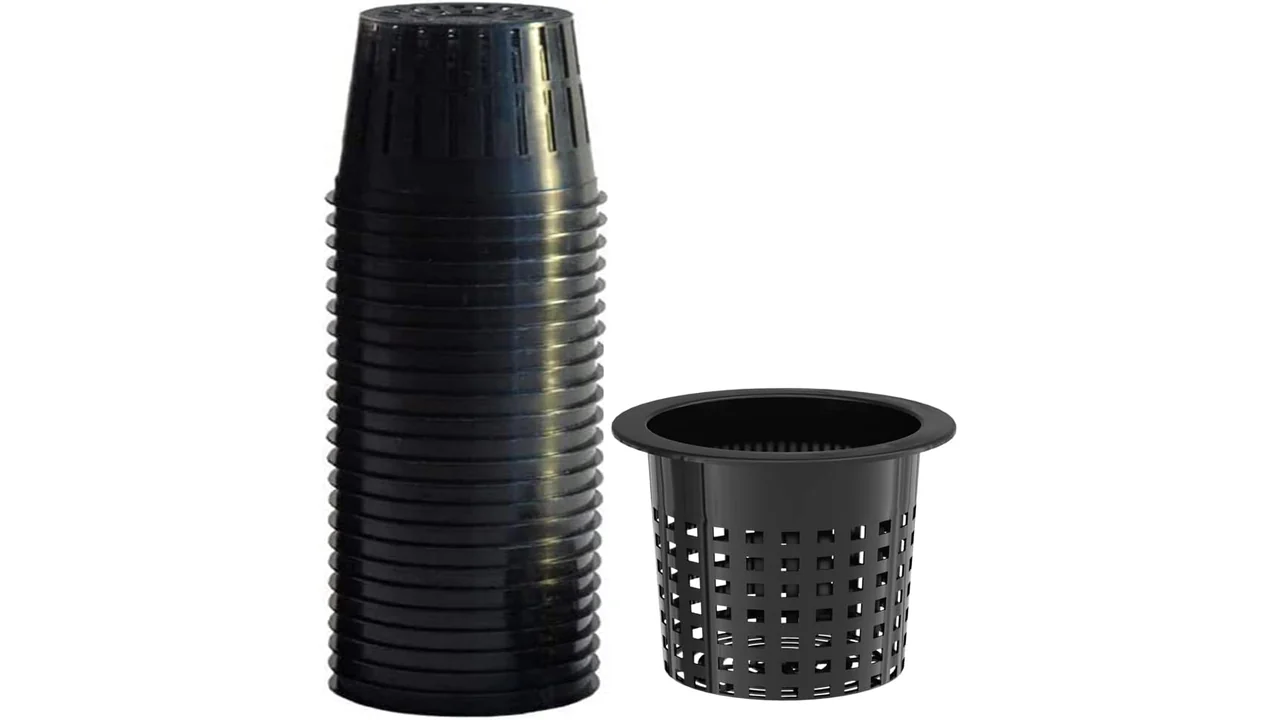
- Growing Mediums: Such as rockwool, coco coir, perlite, or clay pebbles.
- Nutrient Solutions: Specific fertilizers formulated for hydroponic use.
- Water Pumps and Air Pumps: Depending on the chosen system, these are essential for water circulation and oxygenation.
- Containers and Reservoirs: Food-grade plastic containers to hold the nutrient solution and plants.
- Lighting Solutions: If natural light is insufficient, grow lights will be necessary.
- Space Availability: Evaluate the actual footprint of the recommended systems. Does it fit comfortably in your chosen location, whether that’s a countertop, a small shelf, or a dedicated grow tent?
- Budget: The guide’s promise to help choose systems based on budget is key. Research the cost of the recommended systems and compare them to your financial plan for starting this hobby.
- Ease of Maintenance: Some systems require more frequent attention than others. Consider how much time you are willing to dedicate to monitoring water levels, nutrient concentrations, and pH.
- Crop Goals: The guide focuses on herbs and greens, which is a great starting point. If you have other crops in mind for the future, consider if the principles learned can be applied or if a more advanced guide might be needed later.
- Light Requirements: Understand the light needs of the plants you intend to grow and ensure your chosen location can provide adequate natural light or that you are prepared to invest in grow lights.
- Initial Investment: The guide should help you estimate the cost of setting up a simple system, including containers, growing medium, nutrients, and potentially a basic pump or timer.
- Ongoing Costs: Factor in the recurring expenses of nutrient solutions, electricity for lights and pumps, and replacement growing media.
- Value Proposition: Consider the long-term savings compared to purchasing fresh herbs and greens from the grocery store, especially if you plan to grow regularly. A good beginner guide should help you achieve a return on investment through successful harvests.
- Seasonality: Unlike traditional gardening, hydroponics is not as dependent on seasons, as you can control the environment indoors. This means you can start any time of year.
- Motivation Levels: Buy when your interest is high and you have the motivation to learn and implement the techniques. The “21-Day Plan” suggests that immediate action can lead to rewarding results.
- Availability of Space: Ensure you have a suitable space identified and prepared before purchasing the guide and setting up your system.
- Sales and Promotions: Keep an eye out for potential discounts or promotions on Amazon, which can make the initial investment more affordable.
- Nutrient Uptake: How plant roots, when constantly supplied with water and essential minerals, can absorb what they need for growth more efficiently.
- Oxygenation: The importance of dissolved oxygen in the water for root health and how systems ensure roots don’t drown.
- pH and EC/TDS Levels: Explanations of how to monitor and adjust the acidity (pH) and nutrient concentration (Electrical Conductivity or Total Dissolved Solids) of the water for optimal plant health.
- Types of Hydroponic Systems: Brief overviews of common methods like Deep Water Culture (DWC), Nutrient Film Technique (NFT), or Drip Systems, explaining their basic mechanics.
Key Features That Stand Out

Hydroponics for Beginners: Simple Systems, Proven Setups, 21-Day Plan for a Fast First Harvest of Herbs and Greens Without the Guesswork
What We Like
Performance Analysis
Best For
Buying Guide
Key Features to Look For
When considering a hydroponics guide, look for features that directly address the learning curve for beginners. Specifically, prioritize guides that offer:
Important Materials
While this product is a guide and not a physical system, the content should implicitly or explicitly guide the user on necessary materials. These typically include:
The guide should help you understand which materials are needed for the suggested systems.
Essential Factors to Consider
When choosing a hydroponics system and guide, consider these factors:
Budget Planning
Starting hydroponics can range from very inexpensive for DIY setups to moderately expensive for pre-made kits. For a beginner’s guide like Hydroponics for Beginners: Simple Systems, Proven Setups, 21-Day Plan for a Fast First Harvest of Herbs and Greens Without the Guesswork, the focus on budget is critical.
When to Buy
The best time to purchase a hydroponics guide is when you are ready to commit to starting.
How Hydroponics Actually Works
This section of the guide aims to demystify the science behind soilless gardening. It will likely explain how plants absorb nutrients directly from water-fed solutions, bypassing the need for soil. Key concepts covered would typically include:
This foundational knowledge is crucial for any beginner to understand why certain steps are necessary, rather than just following instructions blindly.
What Are the Easiest Herbs to Grow Hydroponically?
The guide likely focuses on herbs and greens known for their ease of cultivation in hydroponic systems. These typically include basil, mint, lettuce, spinach, and chives. These plants tend to be fast-growing, forgiving of minor fluctuations, and have relatively low nutrient demands, making them ideal for beginners to achieve quick successes.
Do I Need a Lot of Space for a Beginner Hydroponic System?
No, not necessarily. The guide emphasizes “Choosing a system that fits your space,” suggesting that there are compact and scalable options available. Many beginner hydroponic setups, particularly those for herbs and greens, can fit on a countertop, a small table, or a shelf, making them suitable for apartments or small homes.
What Does the “21-Day Plan” Entail?
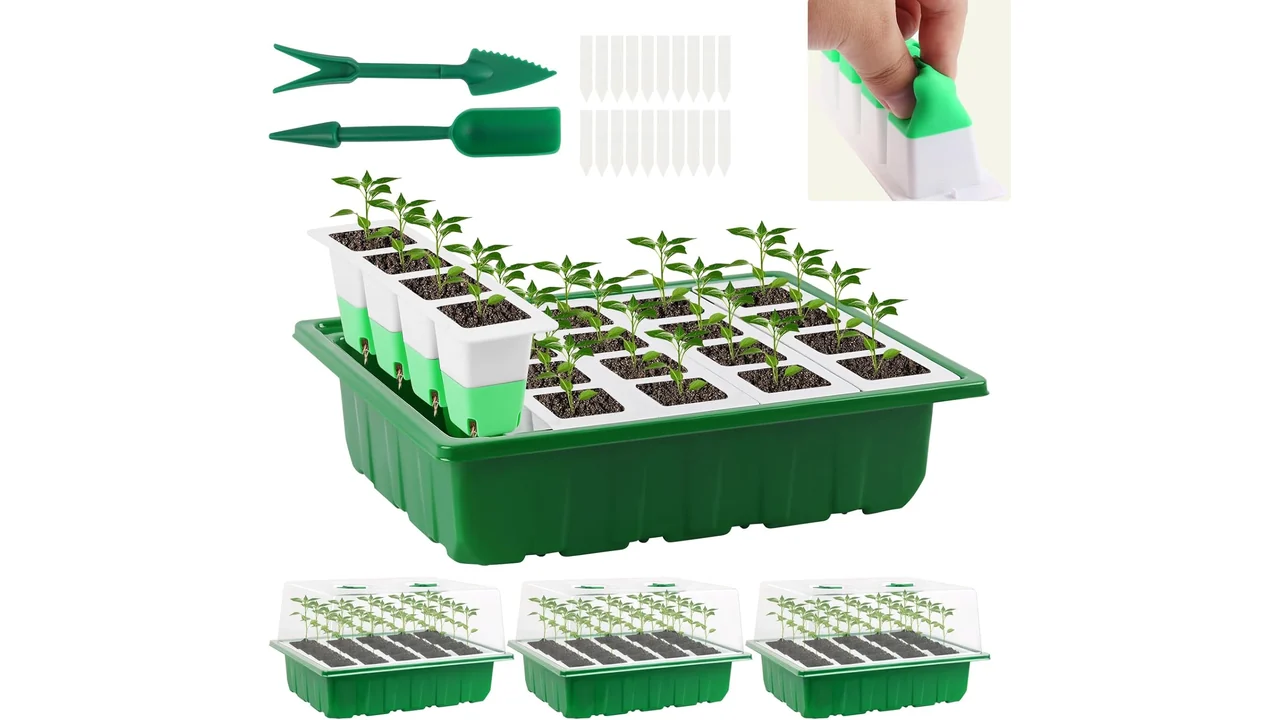
The “21-Day Plan for a Fast First Harvest” implies a structured, step-by-step approach designed to yield edible results within three weeks. This likely involves guidance on seed starting, transplanting into the hydroponic system, nutrient management, and environmental control, all optimized for rapid growth of selected herbs and greens.
Is Hydroponics More Expensive Than Traditional Gardening?
The initial setup cost for hydroponics can sometimes be higher than starting a traditional garden, especially if you opt for pre-made kits. However, the guide’s focus on “budget” and “simple systems” suggests it will offer cost-effective solutions. Over time, hydroponics can be cost-efficient due to faster growth cycles and potentially higher yields.
What Kind of Nutrients Do Hydroponic Plants Need?
Hydroponic plants require a carefully balanced nutrient solution that contains all the essential macro and micronutrients they would normally get from soil. The guide will likely detail the types of hydroponic-specific nutrient formulations available and how to mix and use them correctly to feed your plants.
Will I Need Special Lights for Hydroponics?
It depends on your available natural light. If you are growing indoors and do not have access to ample sunlight (at least 6-8 hours of direct light daily for most greens), you will likely need supplemental grow lights. The guide may offer advice on selecting appropriate lighting for your setup and plants.
Ready to Purchase?
Hydroponics for Beginners: Simple Systems, Proven Setups, 21-Day Plan for a Fast First Harvest of Herbs and Greens Without the Guesswork appears to be a well-rounded resource for anyone looking to dip their toes into hydroponic gardening. Its promise of clarity, practical systems, and rapid results makes it an attractive option for individuals seeking a straightforward path to growing their own produce. If you’re ready to bypass the soil and embrace a more modern approach to gardening, this guide could be your essential starting point.