It can feel a little backwards, I know. We’re sweating it out, and the idea of cozy fall evenings with fresh veggies feels miles away. But the magic of gardening in Florida’s unique climate is that we get to play by different rules. We can actually grow some amazing things in the fall and winter, and that growth needs to start now.
You might be wondering, “What can I even plant in this heat that will be ready for fall?” That’s a fair question! It’s easy to get discouraged when the Florida sun is beating down. But with the right choices, you can absolutely have a beautiful, productive garden when the weather cools down. We’re going to dive into exactly which plants thrive when planted in the heat of July for a delicious fall harvest. You’ll learn which vegetables are tough enough to handle being sown now and which ones will reward you with flavor when September and October roll around. Let’s get your fall garden dreams growing!
For a fall harvest in Orlando, Florida, July is the time to plant heat-tolerant vegetables like okra, southern peas, sweet potatoes, and certain types of beans. You should also start seeds indoors for cool-season crops like broccoli, cauliflower, and cabbage. Focus on varieties known to do well in southern climates.
Understanding Your Orlando Fall Garden Window
Orlando’s gardening schedule is different from many other parts of the country. While northern gardens are winding down in the fall, ours are just getting exciting. This happens because our summers are long and hot, and our winters are mild. This gives us a fantastic opportunity to grow a second season of crops.
The key to a successful fall garden here is timing. Planting too early in July means dealing with intense heat. Planting too late means your crops won’t mature before the cooler weather fully sets in. We need to pick plants that can either tolerate the July heat during their early stages or that can be started indoors and transplanted when things cool down a bit later.
Many people think of fall as a time for pumpkins and crisp apples, which is true in cooler climates. But in Florida, fall often brings perfect weather for leafy greens, root vegetables, and robust herbs. These are the plants we’ll focus on. They love the transition from hot to warm weather, and they absolutely flourish when the humidity drops.
The Best Plants to Sow in July for a Fall Harvest
When you’re picking out seeds or starts this month, you need to be smart about what you choose. Not everything can handle being planted in July’s swelter. We’re looking for a few types of plants:
- Vegetables that love the heat and will mature quickly.
- Veggies that can handle being transplanted as seedlings later.
- Plants that just need a long growing season to develop their best flavor.
Let’s break down some of the star players for your July planting. These are the ones that have consistently shown they can win the battle against the heat and still deliver a fantastic harvest.
Heat-Loving Stars: Veggies That Thrive Now
These are the champions of July planting. They can handle the heat of the summer while they get started, and they’ll keep growing as the weather moderates.
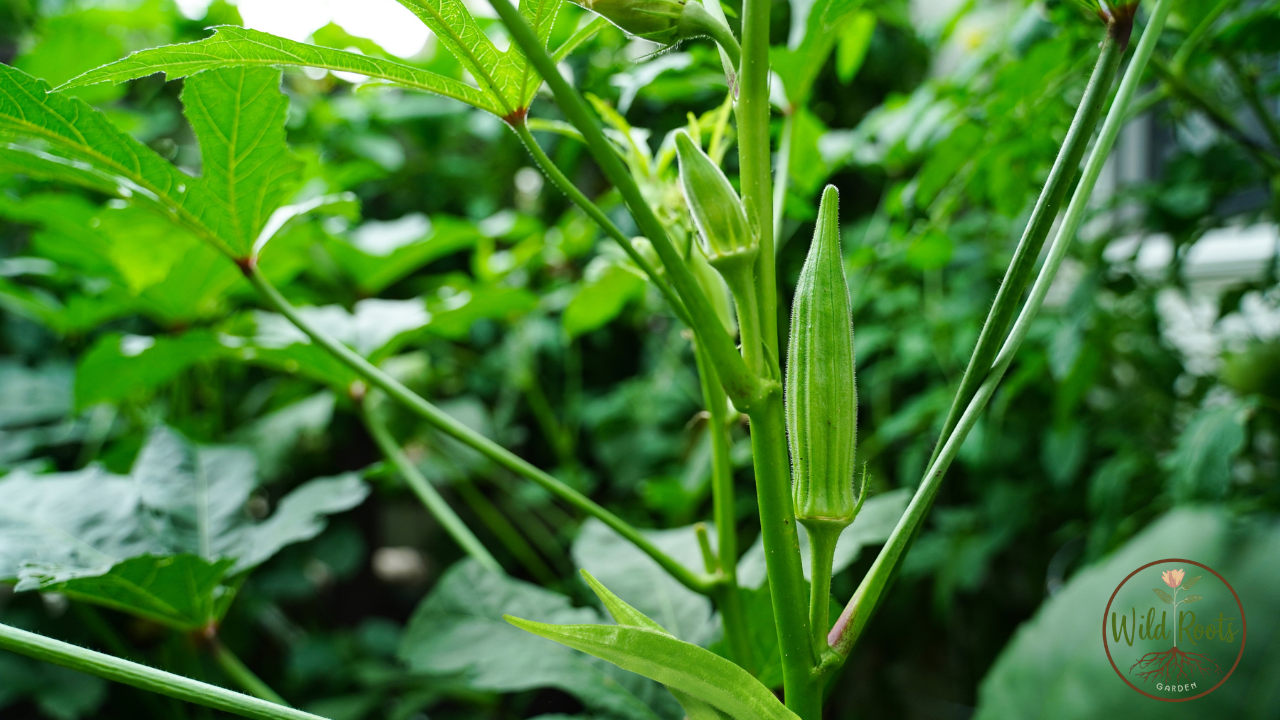
Okra
If you grow only one thing this July, make it okra. This plant absolutely adores the heat. It’s practically built for Florida summers. When you plant okra seeds in July, they will germinate in the warm soil and start growing strong. By the time fall rolls around, you’ll have a steady supply of pods for gumbo, frying, or just enjoying.
What’s great about okra is that the more you pick it, the more it produces. So, a mid-July planting can keep you in fresh okra well into the autumn. Some varieties are more disease-resistant, which is always a plus in our humid climate. Look for ‘Clemson Spineless’ or ‘Burgundy’ for good results.
Southern Peas (Black-Eyed Peas, Field Peas)
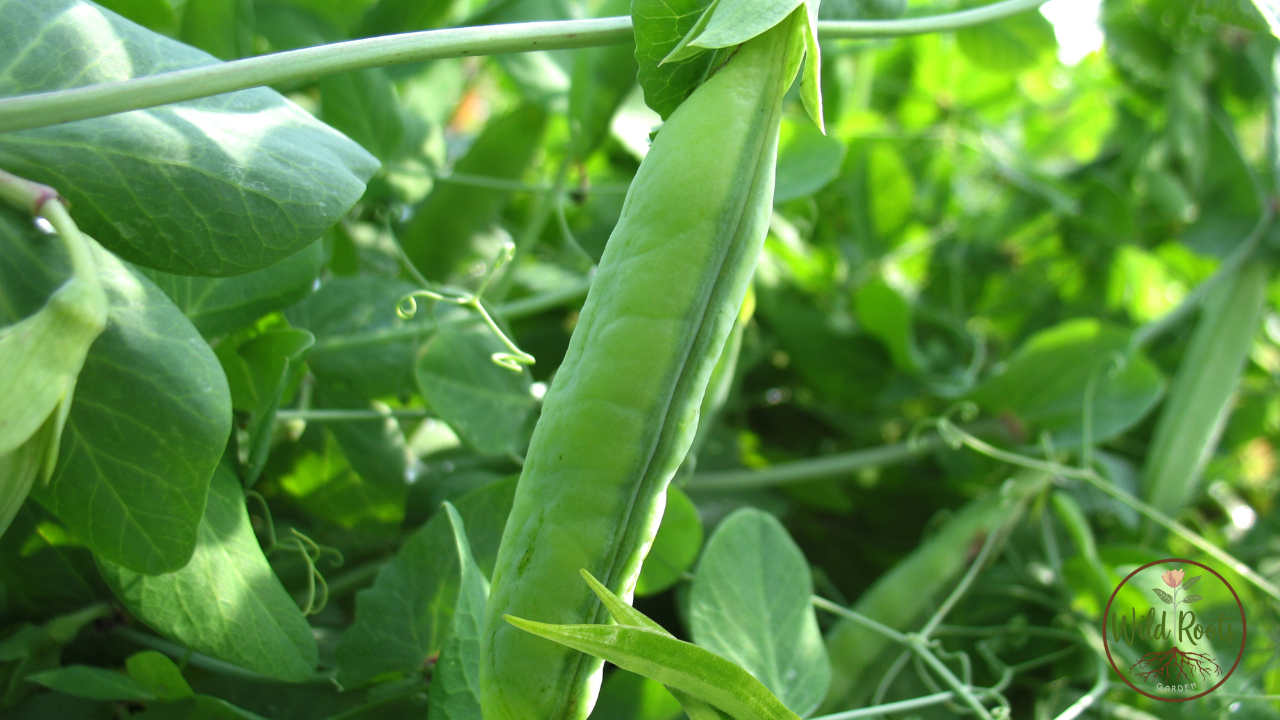
Southern peas are another fantastic choice for a July planting. These legumes are incredibly drought and heat tolerant once established. They are also nitrogen fixers, meaning they help improve your soil as they grow. This is a huge benefit for any garden.
They grow quickly and produce prolifically in the warmer months. By planting in July, you’ll be harvesting them in the fall. They are perfect for a variety of dishes, from classic Hoppin’ John to simple side dishes. Varieties like ‘California Blackeye’ or ‘Mississippi Pink Hull’ do very well.
Sweet Potatoes
Sweet potatoes are a bit of a different story, as you usually plant slips (cuttings) rather than seeds. However, July is a prime time to plant sweet potato slips in Florida for a fall harvest. They need a long, warm growing season to develop those delicious, sweet tubers.
They are incredibly low-maintenance and can even tolerate poor soil. Their vines will spread, but this also helps to suppress weeds. You’ll harvest them in the fall, usually before the first frost. Plus, the young leaves are edible and nutritious!
Beans (Bush and Pole Varieties That Tolerate Heat)
While many beans prefer milder weather, some varieties can be sown in July. You’ll want to look for heat-tolerant bush beans or specific pole bean types. Planting them in July means they will grow through the hottest part of the summer, and then start producing as the weather cools slightly in late August and September.
Bush beans mature faster, which can be a good thing. Pole beans will need support but can produce over a longer period. It’s a good idea to water them consistently during their early growth. Varieties like ‘Contender’ or ‘Blue Lake 274’ can often be successful if given good care.
Quick Scan: July Planting Survival Guide
Okra: Loves heat, keeps producing. Sow seeds directly.
Southern Peas: Drought and heat tough. Sow seeds directly.
Sweet Potatoes: Need long warm season. Plant slips.
Heat-Tolerant Beans: Look for specific varieties. Sow seeds directly.
Starting Cool-Season Crops Indoors
For many of our favorite fall vegetables, like broccoli, cauliflower, and kale, July is the time to start them indoors. This is a crucial step. Planting these directly outside in July would be a disaster; they’d likely bolt (go to seed) or simply die in the heat. By starting them in a cooler, controlled environment, we can give them a head start and protect their delicate seedlings.
Think of it like giving them a cozy incubator. You’ll use seed trays or small pots filled with good potting mix. Keep them in a shaded spot, maybe even an air-conditioned room, and water them carefully. This protection is vital. Once the really intense heat of August starts to pass and we see the first hints of cooler evenings, these seedlings will be strong enough to be transplanted outside.
Broccoli and Cauliflower
These are classic fall crops that we all love. In most places, you’d plant these in spring or early summer. But here in Orlando, we need to start their seeds in July or early August. The seedlings will grow under protection through the heat of late summer. Then, as September arrives and the temperatures begin to drop, they can be moved out into the garden beds.
It takes about 6-10 weeks from seed to transplant for broccoli and cauliflower, depending on the variety. So, starting in July ensures they have enough time to mature into full heads by late fall or early winter. Choose varieties known to perform well in the south, as they are often bred for slightly warmer conditions.
Cabbage and Kale
Similar to broccoli and cauliflower, cabbage and kale are cool-season crops that need a bit of a head start. July is the perfect time to sow their seeds indoors. You want those little plants to develop a strong root system before they face the outdoor elements.
Kale is incredibly forgiving and can often tolerate a bit more heat than cabbage. It’s also very productive. Once transplanted in September, you can expect a continuous harvest. Cabbage needs a bit more consistent moisture and care to form those nice heads. Again, select varieties that are bred for warmer regions.
Lettuce and Spinach
Growing lettuce and spinach in the main Florida summer is tough. They tend to bolt quickly when temperatures soar. However, if you start seeds indoors in July, you can have seedlings ready to transplant in September. This timing works well for a fall harvest.
There are also heat-tolerant varieties of lettuce, like ‘Black Seed Simpson’ or ‘New York Lettuce’, that might do okay if given some shade. For spinach, consider Malabar spinach or New Zealand spinach, which are heat-loving alternatives that will produce greens when regular spinach wouldn’t. If you are trying traditional spinach, starting seeds indoors is your best bet.
From Seed Tray to Garden Bed: A Sneak Peek
What: Broccoli, Cauliflower, Cabbage, Kale, Lettuce, Spinach
When to Sow Seeds Indoors: July – Early August
When to Transplant Outdoors: September (when evenings cool)
Why: Protects seedlings from summer heat, ensures they mature for fall.
Herbs That Love a July Planting
Don’t forget about herbs! Many herbs can thrive when planted in July and will provide fresh flavors all fall long. Some even get hardier as the weather cools.
Basil
Basil loves warm weather, so July is a great time to plant it. While it might slow down a bit in the peak heat, it will pick up again as we move into the fall. You can sow seeds or plant small basil starts. Keep it watered, and pinch off the flowers to encourage bushy growth and more leaves.
Cilantro
This one is a bit tricky. Cilantro tends to bolt very fast in heat. However, if you plant seeds in late July or early August, you might get a good crop before the weather gets too cool for it. Succession planting (sowing a few seeds every couple of weeks) can help ensure a continuous supply. Otherwise, try heat-tolerant varieties or focus on growing it in a shadier spot.
Parsley
Parsley is more heat-tolerant than cilantro and can be planted in July. It grows a bit slower in the intense heat but will really take off as the weather cools down. It’s a biennial, meaning it lives for two years, so a fall harvest can lead into spring. Flat-leaf parsley often has more flavor.
Rosemary and Thyme
These Mediterranean herbs are quite tough. While they might not love the extreme humidity, planting them in July will give them time to establish before the cooler, drier fall air arrives. They prefer well-draining soil, which is key in Florida.
Herb Spotlight: July Planting for Fall Flavors
Basil: Easy to grow, loves warmth.
Cilantro: Plant late July/August, may bolt quickly.
Parsley: Grows slower in heat, picks up in fall.
Rosemary/Thyme: Need good drainage, establish before cooler weather.
Real-World Context: The Orlando Garden Challenge
I remember one year, I was so excited to get my fall garden going. It was late July, and I decided to ignore the advice about starting some things indoors. I directly sowed cabbage seeds, thinking they’d be fine. Well, within a week, they were struggling. The intense sun and high humidity were just too much for the tiny seedlings. They looked yellow and pathetic.
That’s when I learned the hard way that respecting our unique climate is everything. I ended up having to buy small cabbage plants from a nursery later in the season, which cost more and didn’t give me the same satisfaction. It was a valuable lesson about trusting the process and understanding that “fall planting” in Orlando starts with a different strategy than what you might see in gardening books from cooler states.
Our soil also plays a role. Florida soil is often sandy and drains very quickly, but it can also hold a lot of moisture. This means we need to be mindful of watering, especially for those heat-sensitive seedlings. Adding compost and organic matter is essential to help retain moisture and provide nutrients. It creates a better environment for those early July plantings to take root and grow strong.
What This Means for Your Garden Planning
So, what’s the takeaway from all of this? It means you need to be strategic. This isn’t just about picking pretty plants; it’s about understanding their needs in relation to Orlando’s climate.
When it’s Normal and What to Watch For
It’s completely normal for your July plantings to look a bit stressed initially. The heat is intense. What you want to look for is growth, even if it’s slow. For direct-sown seeds like okra and beans, you should see germination within a week or two. For transplanted seedlings later on, watch for new leaf growth within a few days.
If you planted cool-season crops indoors, they should look healthy and green in their trays. Wilting can be normal if they dry out, but yellowing leaves or stunted growth might indicate a problem. Consistent watering is your best friend during this period, but ensure good drainage to avoid root rot.
When to Worry
You should worry if your plants show signs of serious distress that don’t recover with watering. This could include:
- Leaves turning brown and crispy all over, not just at the edges.
- Stems collapsing or rotting at the base.
- No sign of growth for more than two weeks after planting or transplanting.
- Pest infestations that are overwhelming.
For seedlings started indoors, if they are consistently leggy and pale, they might not be getting enough light, or they could be root-bound. If they have white fuzzy mold on the soil surface, that’s also a sign of too much moisture and poor air circulation.
Simple Checks for Success
Before you even plant, check your soil. Is it loose and workable? Does it drain well? A simple way to check drainage is to dig a hole about a foot deep, fill it with water, let it drain, and then fill it again. If the second filling drains within a few hours, your drainage is likely good. If it sits for a long time, you need to amend your soil with compost.
When you plant seeds, make sure you’re planting them at the correct depth. Overly deep planting can prevent germination. For seedlings, ensure they are planted at the same depth they were in their pots, or slightly higher if your soil is heavy. Gentle watering after transplanting helps settle the soil and reduces transplant shock.
Myth vs. Reality: Orlando Fall Planting
Myth: You can plant any fall vegetable in July.
Reality: Many cool-season crops need to be started indoors to survive the summer heat. Direct sowing heat-tolerant crops is best for July.
Myth: Fall gardening in Florida is the same as in cooler states.
Reality: Orlando’s climate requires a specialized approach, focusing on heat tolerance and indoor starting for many crops.
Quick Tips for Your July Planting Success
Here are a few actionable tips to help you nail your July planting:
- Mulch, Mulch, Mulch: Once your plants are established, a good layer of mulch will help keep the soil cooler and retain moisture. Use organic mulch like straw or pine bark.
- Water Wisely: Water early in the morning. This helps plants stay hydrated through the day and reduces evaporation. Avoid overhead watering late in the day, as this can encourage fungal diseases.
- Provide Shade: For any seedlings struggling in the heat, consider temporary shade. You can use shade cloth, a patio umbrella, or even place them strategically under larger plants.
- Amend Your Soil: Before planting, always add compost. It’s the single best thing you can do for your Florida garden. It improves drainage and moisture retention.
- Read Seed Packets Carefully: Pay attention to planting depths, spacing, and days to maturity. This information is crucial for success.
Remember that growing conditions can vary even within Orlando. What works perfectly in one yard might need a slight tweak in another. Observation is key!
Frequently Asked Questions About July Planting for Fall Harvest
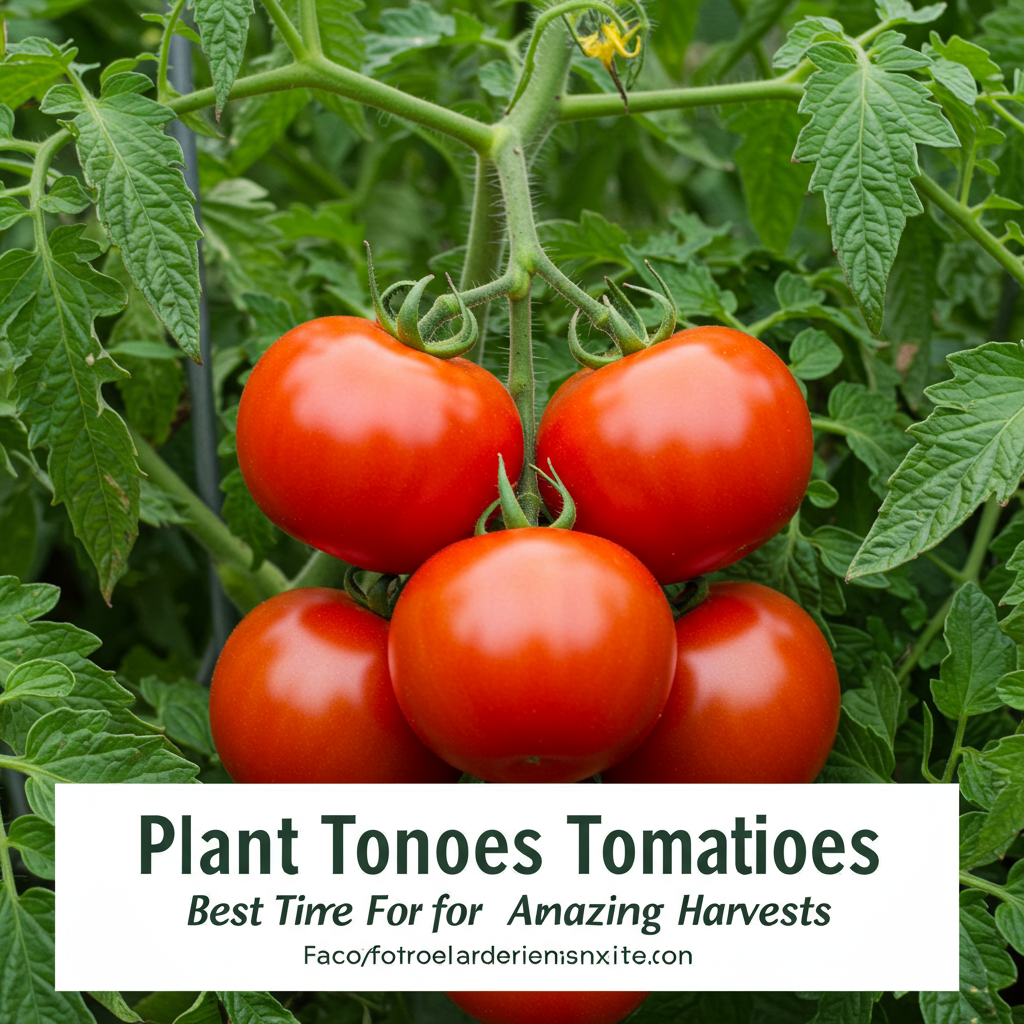
Can I plant tomatoes in July for a fall harvest in Orlando?
Tomatoes are generally planted for a summer harvest. While some very late-season varieties might produce a small crop if planted in early July, it’s not ideal. The intense heat can stress the plants, and they are prone to diseases.
It’s better to plant tomatoes earlier in the spring for your main harvest.
What about peppers? Can I plant them in July for fall?
Similar to tomatoes, peppers love heat but planting them in July can be tough. They need time to establish and produce fruit. If you do plant peppers in July, choose heat-tolerant varieties and ensure they have consistent water and perhaps some afternoon shade.
Your best bet for a significant pepper harvest is often an earlier spring planting.
How do I protect my seedlings from the July sun?
You can use shade cloth, which is a breathable fabric that reduces direct sunlight. Placing larger pots or trays under the canopy of a tree or larger shrub can also offer natural shade. For very young seedlings, you can even improvise with a piece of cardboard propped up to cast a shadow during the hottest part of the day.
When is the best time to transplant my indoor-started cool-season crops outside?
The best time to transplant is typically in September in Orlando. You’ll start to notice cooler nights, and the intense heat of summer will begin to wane. It’s important to wait until the average daily temperature is consistently below 85°F (29°C) to avoid transplant shock for your seedlings.
Should I be worried about pests in July plantings?
Yes, pests are always a concern in Florida. During July, you might see more issues with leaf miners, aphids, and spider mites on young plants. It’s important to inspect your plants regularly.
Often, a strong spray of water can dislodge many pests. For more persistent problems, consider organic pest control methods like neem oil or insecticidal soap.
What are some root vegetables I can plant in July?
While many root vegetables prefer cooler weather, sweet potatoes are the exception and can be planted as slips in July. Some quick-growing radishes might be possible if planted in late July in a location with partial shade, but they are very prone to bolting in heat. Carrots are best planted in the fall, so starting them in July is usually too early.
Conclusion: Your Orlando Fall Harvest Awaits
Gardening in Orlando in July for a fall harvest might seem like a challenge, but it’s incredibly rewarding. By choosing the right plants and understanding our unique climate, you can absolutely fill your kitchen with fresh, delicious produce when the weather turns pleasant.
Embrace the heat-tolerant options like okra and beans, and get a head start on your cool-season favorites by starting seeds indoors. Your efforts now will pay off beautifully as the autumn colors arrive. Happy planting!
},
},
},
},
},
} ] }