Finding the right outdoor plants for Florida’s winter climate that also require minimal care is possible. This guide highlights hardy, easy-care options suited for various Florida zones, ensuring a vibrant landscape with less work. Focus on native or well-adapted species for best results.
Understanding Florida’s Winter Plant Zones
Florida isn’t just one big climate. It’s actually split into different zones. These zones tell you how cold it might get in winter.
This is super important for picking the right plants. The USDA Plant Hardiness Zone Map is the standard. It uses average annual minimum winter temperatures.
For Florida, you’ll see zones like 8a, 8b, 9a, 9b, 10a, 10b, and even 11. Knowing your zone helps you choose plants that won’t freeze and die when the temperature drops. A zone 8a is colder than a zone 10b.
So, a plant that loves zone 10b might not make it in zone 8a. It’s like picking the right clothes for the weather. You wouldn’t wear shorts in a snowstorm, right?
Most of Florida has mild winters. But some northern parts can get frost. Southern Florida is usually quite warm.
This means you have a lot of choices. But you still need to match the plant to its best spot. A plant that needs full sun all year might struggle if a big tree shades it in winter.
Similarly, a plant that loves wet feet will have a bad time if your soil drains too fast. Thinking about your specific yard is key. What kind of light does it get?
How much water does it hold? These details help pick the winners.
The Beauty of Low Maintenance
What does “low maintenance” really mean for plants? It means they don’t need constant watering. They don’t need frequent pruning.
They are also less likely to get sick or be bothered by bugs. These plants are tough. They can handle a bit of neglect and still look good.
For many of us, that’s the dream. We want curb appeal without the constant chore list. Low-maintenance plants save time and money.
They also often use less water, which is good for the environment and your bill. Plus, they are forgiving. If you forget to water for a day or two, they’ll likely bounce back.
They are perfect for busy people or those new to gardening. They build confidence and make gardening fun, not frustrating.
Think about adding plants that attract birds or butterflies too. Many low-maintenance plants do this naturally. They provide food and shelter.
This adds another layer of enjoyment to your garden. It makes your yard a small ecosystem. And the best part?
These plants often look great all year. Many Florida plants are evergreen. This means they keep their leaves through the winter.
They provide color and structure when other plants are bare. It’s like having a natural holiday decoration that stays up permanently.
Top Low Maintenance Outdoor Plants for Florida Winters
Let’s dive into some of the best plants that fit the bill. These are hardy, beautiful, and won’t demand all your free time. We’ll look at options for different needs, from ground covers to shrubs.
Many of these are native to Florida or do exceptionally well there. This means they are already adapted to the climate and soil conditions. They often need less water and fertilizer once established.
This is a big win for low-maintenance gardening.
When choosing, think about the mature size of the plant. A small shrub can grow into a large one. Also, consider its light needs.
Does it like full sun, partial shade, or full shade? Matching these needs to your yard is crucial. Even low-maintenance plants need the right spot to thrive.
Don’t worry if you don’t know all the terms. We’ll break it down simply. The goal is to find plants that are happy where you put them.
They should just do their thing without causing you stress.
Low Maintenance Plant Selector
Plant Type: Evergreen shrub
Ideal For: Foundation planting, hedges
Key Feature: Tolerates heat and drought
Zone Suitability: Most Florida zones
Evergreen Shrubs for Year-Round Appeal
Evergreen shrubs are fantastic for Florida winters. They keep their leaves all year. This means your garden never looks completely bare.
They provide color and structure. Many are also incredibly tough. They can handle sandy soils and salty air.
This makes them perfect for coastal areas. They also don’t need constant pruning. You can trim them back once a year if you want to shape them.
Otherwise, they’ll just grow.
One great example is the Dwarf Chinese Holly (Ilex cornuta ‘Dwarf Burford’). This shrub stays relatively small, usually topping out around 6-10 feet. It has glossy, dark green leaves and bright red berries in the fall and winter.
The berries are a beautiful pop of color against the green. It loves full sun to partial shade. It’s also very drought tolerant once established.
This makes it a champion low-maintenance choice. It’s tough and pretty.
Another excellent option is Sweet Viburnum (Viburnum odoratissimum). This is a larger shrub, growing into a small tree if left unchecked. It has fragrant white flowers in the spring.
Its dense foliage provides privacy. It’s incredibly hardy and can handle a variety of conditions. It tolerates heat, humidity, and even some drought.
Pruning can be done after flowering to maintain size. But it’s not strictly necessary for survival. It’s a workhorse plant for Florida landscapes.
It’s a go-to for many landscapers.
Quick Facts: Dwarf Chinese Holly
Light: Full Sun to Part Shade
Water: Drought Tolerant (once established)
Soil: Adaptable, prefers well-drained
Size: 6-10 ft tall and wide
Notes: Produces red berries, attracts birds.
Hardy Perennials That Keep on Giving
Perennials come back year after year. In Florida, many of them don’t even die back in winter. They just keep growing.
This is different from colder climates. Here, many perennials are practically evergreen. They provide continuous color and texture.
They are also usually very easy to care for. Once planted, they often establish themselves and ask for very little.
Consider Liriope (Liriope muscari), also known as Lilyturf. This is a grass-like plant. It forms dense clumps.
It has pretty spikes of purple or white flowers in the summer. But the best part for winter is its foliage. It stays green and attractive all year long.
It handles full sun to partial shade. It’s very drought tolerant and doesn’t need much attention. You can divide it if it gets too big, but that’s often the only care it needs.
It’s a fantastic border plant or ground cover.
Another strong contender is Daylilies (Hemerocallis). While many people think of them as summer bloomers, some varieties are rebloomers. And their foliage often stays green through most of Florida’s mild winters.
They are incredibly tough and adaptable. They can grow in almost any soil type. They need sun to bloom best, but can tolerate some shade.
Deadheading spent blooms will encourage more flowers. But even if you don’t, they still look good. They offer a cheerful splash of color without fuss.
And don’t forget Salvia. There are many types of salvia that do well in Florida. Many are native or naturalized.
They love the sun and heat. They bloom with spikes of blue, purple, or red flowers. These attract pollinators like bees and butterflies.
Many salvias are very drought tolerant. They might look a little sad in extreme dry spells, but they usually perk up with a little rain. Pruning them back after a bloom flush can encourage more flowers.
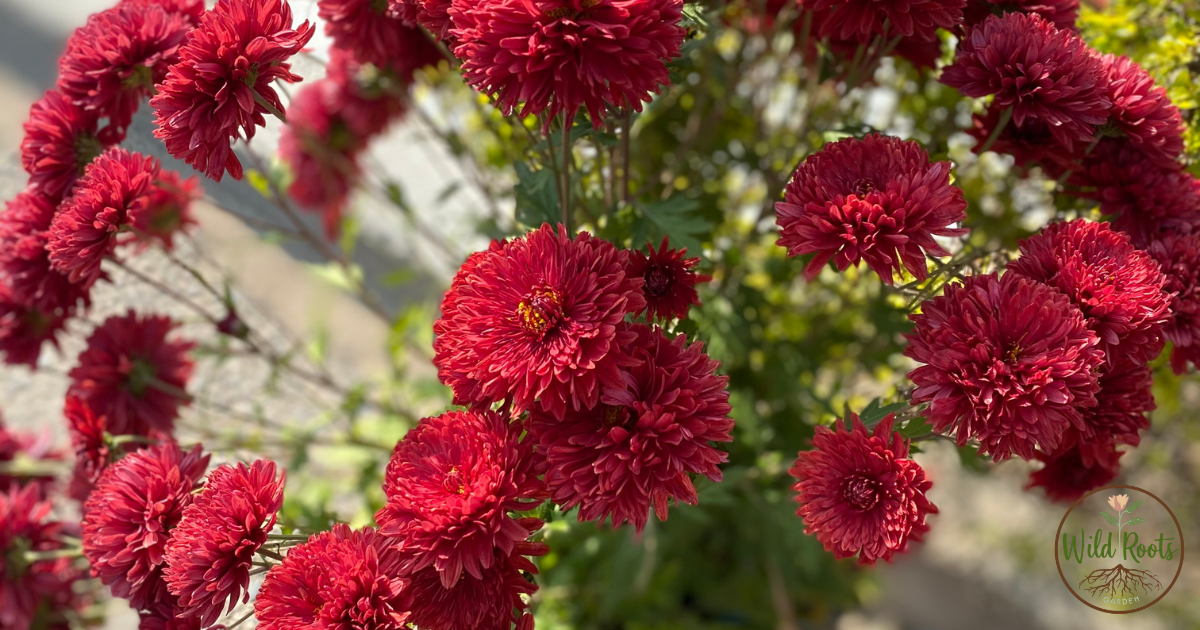
But their structure is attractive even without constant care. It’s a plant that rewards you with blooms and attracts wildlife.
Contrast Matrix: Perennial Care Myths vs. Reality
| Myth: Perennials need constant watering. | Reality: Many Florida-hardy perennials are drought-tolerant once established. |
| Myth: Perennials die completely in winter. | Reality: In Florida, many perennials stay green or regrow quickly. |
| Myth: All perennials need fertilizing often. | Reality: Good soil is often enough. Over-fertilizing can hurt them. |
Drought-Tolerant Groundcovers
Groundcovers are great for filling in spaces. They suppress weeds. They help keep the soil moist.
Low-maintenance groundcovers are the ultimate dream. They spread on their own. They usually don’t need mowing or trimming.
They just fill in the bare spots.
A top choice is Creeping Jenny (Lysimachia nummularia). It has bright chartreuse leaves. It spreads like a carpet.
It looks beautiful cascading over walls or rocks. It prefers moist soil but can tolerate some dryness. It does best in partial shade.
It’s a very cheerful plant. It adds a vibrant splash of color. It also seems to thrive on being left alone.
Just plant it and let it do its thing.
Another hardy option is Dichondra ‘Silver Falls’. This groundcover has beautiful silvery-green, kidney-shaped leaves. It spreads low and wide.
It creates a stunning visual effect. It loves full sun. It is incredibly drought tolerant.
This makes it perfect for hot, dry spots. It’s ideal for areas where grass struggles to grow. It adds a soft texture to the garden.
Its trailing habit is very attractive.
For a more native option, consider Sunshine Mimosa (Mimosa strigillosa). This is a fascinating groundcover. It has fuzzy pink flowers.
Its leaves fold up when touched. It spreads vigorously. It’s very drought and heat tolerant.
It loves full sun. It’s a good choice for naturalized areas or along pathways. It’s a plant that offers a bit of interactive fun with its sensitive leaves.
It’s also very tough and low-care.
Groundcover Comparison
- Creeping Jenny: Bright green, good for shade, trails well.
- Silver Falls Dichondra: Silvery leaves, loves sun, very drought tolerant.
- Sunshine Mimosa: Native, pink flowers, sensitive leaves, tough and spreading.
Ornamental Grasses That Shine in Winter
Ornamental grasses are often overlooked. But they are incredibly valuable for low-maintenance landscapes. Many of them look stunning in winter.
Their plumes and blades catch the light. They add texture and movement. They also require very little care.
Consider Muhly Grass (Muhlenbergia capillaris). This native grass has a beautiful pinkish-purple plume in the fall. These plumes persist through winter.
They look spectacular when backlit by the sun. The grass itself forms neat mounds. It’s very drought tolerant.
It loves full sun. It needs very little water once established. You just cut it back once a year, usually in late winter or early spring, before new growth starts.
Its airy texture is so lovely.
Another great choice is Fakahatchee Grass (Tripsacum dactyloides). This is a larger, more robust native grass. It can grow quite tall.
It has attractive seed heads. It thrives in sun or partial shade. It tolerates wet soil and drought.
It’s a very adaptable and hardy plant. Its presence adds a natural, wild feel to the garden. It provides structure and visual interest all year.
It’s a plant that truly stands up to tough conditions.
For something smaller, Blue Dune Grass (Elymus arenarius) can be a good option. It has attractive blue-gray foliage. It forms clumps.
It’s very salt tolerant. This makes it excellent for coastal gardens. It prefers full sun.
It’s drought tolerant once established. Its color is a nice contrast to green plants. It adds a unique look to the landscape.
It’s a grass that truly asks for nothing but a sunny spot.
Ornamental Grass: Winter Appeal
What: Architectural structure and texture.
When: Plumes and blades look great through frost and cold.
How: Cut back annually in late winter/early spring.
Why: Adds movement, color, and sound (rustling).
Cacti and Succulents for Easy Care
If you live in warmer Florida zones (like 9b, 10, 11), cacti and succulents are superb. They are the kings of low-maintenance. They store water in their leaves, stems, or roots.
This means they need very little watering. They are perfect for sunny, dry areas.
Think about Agave. Many varieties are native to Florida or do very well there. They have striking architectural shapes.
They are very drought tolerant. They love full sun. They come in many sizes and colors.
The ‘Blue Agave’ is famous, but smaller varieties work well in gardens. Be mindful of their sharp spines. Plant them where they won’t be bumped into.
Aloe Vera is another excellent choice. It’s famous for its medicinal gel. But it’s also a very easy-care plant.
It likes bright, indirect light. It prefers well-drained soil. It can tolerate some direct sun.
Water it only when the soil is completely dry. Overwatering is its biggest enemy. It looks great in pots or in the ground in warmer zones.
Even simple Hens and Chicks (Sempervivum) can do well. They form tight rosettes. They produce little “chicks” that you can replant.
They love sun and dry conditions. They are very hardy. They are a classic low-maintenance choice.
They add a touch of charm to any garden bed or container. Their varied colors and textures are a delight.
It’s important to note that while many succulents and cacti are drought-tolerant, some might struggle with prolonged, intense cold if you are in the northern parts of Florida. Always double-check the specific hardiness of the variety you choose for your zone. However, in the generally mild winters of most of Florida, they are a stellar, low-care option.
They offer a unique texture and form that many other plants can’t match. They truly thrive on neglect.
Succulent Spotlight: Agave
Sun: Full Sun
Water: Very Drought Tolerant
Soil: Well-drained, sandy
Care: Minimal; remove dead leaves. Be cautious of spines.
Zones: Best in Zones 9-11.
Real-World Context: Designing Your Low-Maintenance Florida Garden
When I first moved to Florida, I thought my gardening days were over. I came from a place where I gardened obsessively. I loved digging in the dirt, planting, and fussing over every leaf.
Then I got to Florida, and the heat and humidity were intense. I started looking for plants that could handle it. I quickly learned that “low maintenance” wasn’t just about water.
It was about picking plants that liked the conditions here. Trying to grow a fussy rose in the middle of a humid summer is asking for trouble. So, I started focusing on plants that were naturally suited to this climate.
I remember trying to grow hydrangeas. They looked sad all the time. They needed so much water.
I finally swapped them out for some native lantana. Lantana is a miracle plant. It blooms like crazy.
It attracts butterflies. It needs almost no water. It just keeps going.
I learned that observing what grows well locally is the best advice. I saw beautiful gardens with tough plants like dwarf ixora, colorful crotons, and robust ornamental grasses. These plants seemed to thrive with minimal intervention.
The soil in Florida can also be a challenge. A lot of it is sandy. This means it drains very fast.
Some plants love this. Others need soil that holds more moisture. For low-maintenance gardening, picking plants that do well in sandy soil is a smart move.
Many native plants are adapted to these conditions. They don’t need amendments or special care. They just need a good start and then they are on their own.
It’s about working with nature, not against it. I learned to embrace the plants that loved the Florida sun and heat. They became my garden heroes.
Think about layering your plants too. Use shrubs as a backdrop. Plant perennials and grasses in front of them.
Use groundcovers to fill in the gaps. This creates a visually interesting garden. It also helps suppress weeds.
A well-designed garden with the right plants looks good with less effort. It becomes a place of enjoyment, not a chore. Even a small patio garden can benefit from these principles.
Container gardening with hardy succulents or small ornamental grasses can bring low-maintenance beauty to even the smallest spaces.
What This Means for You: Making Smart Plant Choices
So, what does all this mean for your garden? It means you have great options for a beautiful, easy-care landscape. You don’t need to be a master gardener to have a stunning outdoor space in Florida.
The key is to choose wisely from the start. Match plants to your zone and your yard’s conditions. Pay attention to sunlight, soil, and water.
When is it normal to see these plants looking great? It’s normal for them to look good year-round with minimal input. Evergreens will stay green.
Drought-tolerant plants will look happy even if you forget to water for a week. Ornamental grasses will stand tall and proud through the cooler months. This is their natural state.
This is what “low maintenance” looks like.
When should you worry? You should worry if a plant that’s supposed to be hardy starts looking consistently sad or sick. If your “drought-tolerant” plant is wilting constantly, it might not be getting enough water, or its roots might be damaged.
If your evergreen shrub is losing all its leaves in winter, it might be too cold for it. These are signs that something isn’t right. It could be the wrong plant for the spot, or perhaps a pest or disease issue that needs a quick check.
Simple checks can help. Feel the soil moisture regularly when plants are new. Look for signs of pests or diseases.
Ensure good air circulation around plants. For most of these low-maintenance choices, the main things to watch out for are overwatering and planting them in too much shade when they need sun. They are resilient, but not invincible.
Understanding their basic needs will ensure years of easy beauty.
Simple Checks for Low-Maintenance Plants
- Soil Moisture: Stick your finger into the soil. Is it dry? Is it soaking wet?
- Leaf Color: Are the leaves a healthy color? Yellow or brown leaves can signal issues.
- Pest Sightings: Look under leaves for small bugs.
- Growth Pattern: Is the plant growing as expected, or is it stunted?
Quick Tips for a Thriving, Low-Effort Garden
To make your low-maintenance garden even easier, here are a few tips. They help set plants up for success from the start. These small steps save a lot of work later.
Mulch is Your Friend: Apply a layer of mulch around your plants. This helps keep the soil moist. It also suppresses weeds.
Use organic mulch like pine bark or shredded wood. Keep it a few inches away from the plant stems. This prevents rot.
A good mulch layer is like giving your plants a cozy blanket.
Plant at the Right Time: The best time to plant many things in Florida is in the fall. This gives them time to establish roots before the heat of summer. Cooler weather means less stress.
They can focus on growing strong roots. Fall planting means they are more drought-tolerant later.
Group Plants with Similar Needs: Put plants that need full sun together. Group plants that prefer shade together. Do the same for watering needs.
This makes caring for them much simpler. You water the whole group, and they all get what they need. It stops you from overwatering some and underwatering others.
Let Natives Lead: Native plants are often the easiest to care for. They evolved in Florida’s conditions. They are naturally adapted to the soil, climate, and rainfall.
They also support local wildlife. Using more native plants is a win-win for you and the environment.
Don’t Over-Prune: Many of these plants look great with minimal pruning. Over-pruning can sometimes harm them or make them grow in ways you don’t want. Only prune to remove dead or damaged branches, or to shape them if they are getting too big for their space.
Sometimes, less is more with these tough plants.
Tip: Mulch Magic
Why: Retains moisture, cools soil, reduces weeds.
How: Apply a 2-3 inch layer.
Where: Around plants, not touching stems.
Best Types: Pine bark, shredded hardwood, pine straw.
Frequently Asked Questions
What is the easiest outdoor plant for Florida?
For true ease, many people point to native plants like Sunshine Mimosa or hardy shrubs like Sweet Viburnum. Ornamental grasses like Muhly Grass are also incredibly easy. They require very little attention once established.
Can I plant anything in Florida sand without amending it?
Yes, absolutely! Many native plants, like Muhly Grass, Fakahatchee Grass, and some Agaves, thrive in sandy soil without amendment. Groundcovers like Sunshine Mimosa also do very well in pure sand.
Choosing plants adapted to sandy conditions is key.
Do I need to water low-maintenance plants in Florida winter?
Even low-maintenance plants need some water, especially when they are newly planted. Once established, many are very drought-tolerant. In Florida’s mild winters, natural rainfall is often enough for many hardy species.
Check the soil moisture before watering. If it’s dry a few inches down, give them a drink.
How often do I need to fertilize low-maintenance plants?
Most low-maintenance plants, especially natives, do not need frequent fertilizing. Often, the nutrients in the soil, supplemented by mulch, are sufficient. Over-fertilizing can actually harm them, making them more prone to pests or diseases.
If you fertilize at all, do so sparingly in the spring.
What plants survive the cold in North Florida (Zone 8)?
In Zone 8, look for plants labeled hardy to zone 8 or lower. Many of the mentioned shrubs like Dwarf Chinese Holly and Sweet Viburnum do well. Perennials like Liriope and certain Salvias are also good choices.
Ornamental grasses are also very cold-hardy. Cacti and succulents might be too tender for consistent freezes.
Are there any low-maintenance flowering plants for Florida winter?
While many Florida plants bloom in warmer months, some offer winter interest. Dwarf Chinese Holly provides red berries. Some native Salvia varieties may bloom sporadically in winter.
Ornamental grasses offer texture and movement. For consistent blooms, you might consider plants like Pansies or Violas planted in cooler months, though these are often treated as annuals.
Conclusion
Creating a beautiful Florida garden doesn’t have to be a chore. By picking the right low-maintenance plants, you can enjoy vibrant color and lush greenery with minimal effort. Focus on hardy shrubs, tough perennials, resilient groundcovers, and stunning ornamental grasses.
These options are built to thrive in Florida’s climate. They ask for very little in return. Embrace the ease and beauty these plants bring.
Your garden will thank you for it.
},
},
},
},
},
} ] }