This comprehensive guide explores the fascinating world of Florida edible plants, providing foragers with the knowledge and resources they need to safely and sustainably harvest wild food. From identifying common edible species to understanding foraging ethics and safety, this guide covers everything you need to embark on your foraging journey in the Sunshine State.
Florida’s diverse ecosystem provides a rich tapestry of edible plants waiting to be discovered. Foraging, the practice of gathering wild food for consumption, allows you to connect with nature, learn about local ecosystems, and enjoy fresh, flavorful ingredients. This guide is designed to equip both novice and experienced foragers with the information they need to identify, harvest, and prepare Florida’s bounty safely and responsibly.
Identifying Florida’s Edible Treasures
Common Edible Plants in Florida
Florida’s subtropical climate supports a wide variety of edible plants, including:
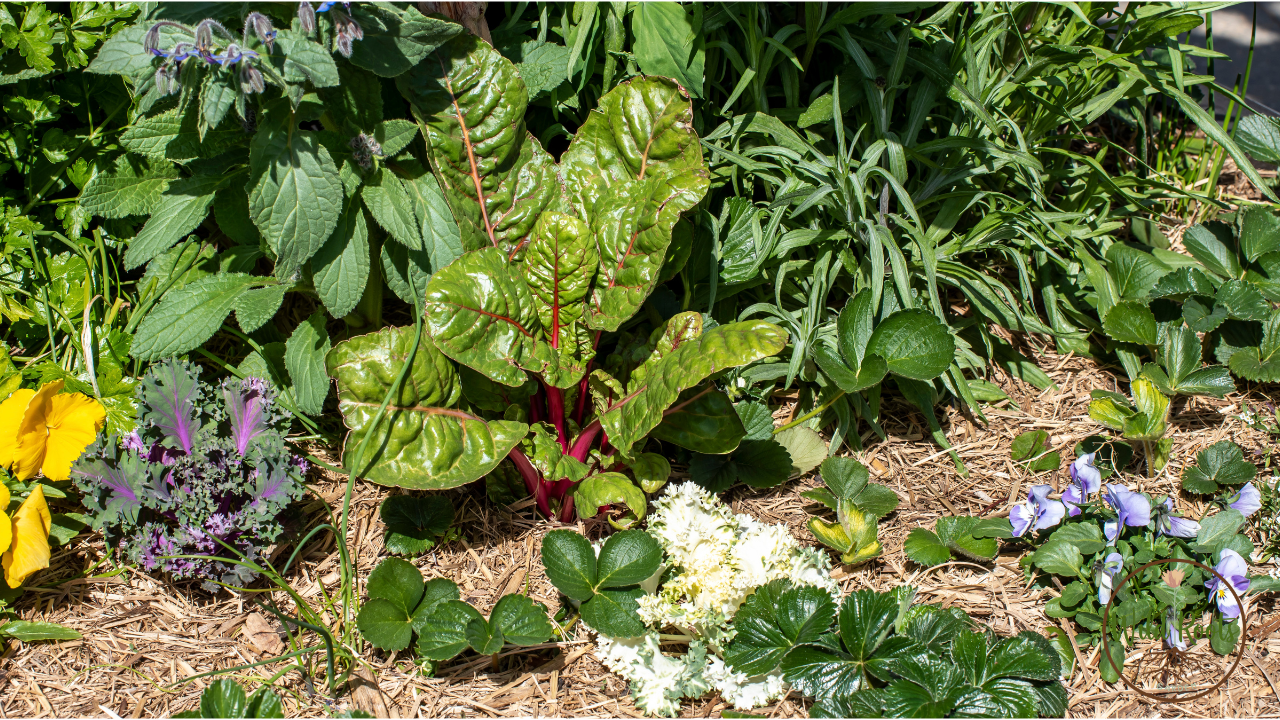
Wild Greens: Purslane, chickweed, dandelion greens, and wood sorrel are abundant and easily identifiable. These nutrient-rich greens can be added to salads, soups, or smoothies.
Berries and Fruits: Blackberries, mulberries, pawpaws, and wild blueberries offer a burst of flavor. Ensure proper identification, as some berries can be toxic.
Nuts and Seeds: Acorns, hickory nuts, and sea grapes can be harvested and prepared for consumption. Proper processing is crucial to remove tannins and other undesirable compounds.
Roots and Tubers: Arrowroot, wild yam, and groundnut are starchy roots that can be roasted, boiled, or fried. Careful identification is essential to avoid poisonous look-alikes.
Mushrooms: Florida is home to various edible mushrooms, including chanterelles and oyster mushrooms. However, mushroom identification is complex and requires expert knowledge. Consult with experienced mushroom hunters before consuming any wild fungi.
Using Field Guides and Resources
Reliable field guides and online resources are invaluable tools for accurate plant identification. Some recommended resources include:
Peterson Field Guide to Edible Wild Plants: A comprehensive guide covering a wide range of North American species.
Florida’s Edible Wild Plants: A Guide to Collecting and Cooking: A more localized guide focusing on Florida’s unique flora.
iNaturalist: A citizen science platform and app that allows you to upload photos of plants for identification by experts.
The Importance of Positive Identification
Misidentifying edible plants can have serious consequences, including poisoning. Never consume a plant unless you are 100% certain of its identity. Cross-reference multiple sources, consult with experienced foragers, and when in doubt, err on the side of caution.
Sustainable Foraging Practices
Understanding Foraging Ethics
Responsible foraging involves respecting the environment and ensuring the long-term health of plant populations. Follow these guidelines to minimize your impact:
Harvest only what you need: Avoid over-harvesting, and leave enough for the plant to regenerate and for wildlife.
Avoid disturbing sensitive ecosystems: Stay on designated trails, and avoid trampling vegetation.
Obtain permission before foraging on private land: Always respect property rights and regulations.
Be mindful of endangered and protected species: Familiarize yourself with local regulations regarding plant harvesting.
Leaving No Trace
Practice Leave No Trace principles to minimize your impact on the environment. Pack out everything you pack in, avoid creating new trails, and minimize disturbance to wildlife.
Foraging Safety
Avoiding Poisonous Plants
Florida is home to several poisonous plants, including poison ivy, poison oak, and water hemlock. Learn to identify these hazardous species and avoid contact with them.
Protecting Yourself from Wildlife
Be aware of potential encounters with wildlife, such as snakes, spiders, and insects. Wear long pants and closed-toe shoes, and use insect repellent.
Food Safety and Preparation
Wash foraged plants thoroughly before consuming them. Some wild foods may require specific preparation methods, such as boiling or leaching, to remove toxins.
Frequently Asked Questions (FAQs)
Q: Is foraging legal in Florida?
A: Foraging is generally permitted on public lands for personal consumption, but regulations vary. Check with local authorities for specific rules and restrictions.
Q: What are some common mistakes to avoid when foraging?
A: Common mistakes include misidentification, over-harvesting, and foraging in contaminated areas.
Q: What should I do if I suspect I’ve eaten a poisonous plant?
A: Seek immediate medical attention. Contact the Poison Control Center at 1-800-222-1222.
Q: What are the best times to forage in Florida?
A: Spring and fall generally offer the best foraging conditions, with milder temperatures and abundant plant growth.
Q: What equipment do I need for foraging?
A: Essential equipment includes a field guide, a basket or bag for collecting, a knife or scissors, gloves, and insect repellent.
Beyond the Basics: Advanced Foraging Techniques
Once you’ve mastered the fundamentals of plant identification and sustainable foraging, consider exploring more advanced techniques like:
Wildcrafting: Learning to make herbal remedies, teas, and other products from wild plants.
Mushroom Cultivation: Growing your own edible mushrooms at home.
* Seed Saving: Collecting and preserving seeds from wild plants to propagate them in your garden.
Conclusion: Embracing the Foraging Lifestyle
Foraging for Florida edible plants offers a unique opportunity to connect with nature, discover new flavors, and appreciate the abundance of the natural world. By practicing responsible foraging techniques and prioritizing safety, you can enjoy the rewards of this ancient tradition for years to come. This guide provides a foundational understanding of Florida’s wild edibles, encouraging you to explore, learn, and savor the bounty of the Sunshine State. Remember to continuously expand your knowledge, respect the environment, and cherish the connection you build with the land through foraging.