If you’re fascinated by unique plants that don’t just survive but thrive in Florida’s warm, humid climate, carnivorous plants might just be your new obsession. These extraordinary plants don’t rely solely on soil nutrients—they capture and digest insects to get what they need.
Imagine having a living, natural insect trap right in your garden or home! But with so many options, how do you know which carnivorous plants are best suited for Florida’s heat and humidity? You’ll discover the top carnivorous plants perfect for your Florida environment, how to care for them, and why they make such captivating additions to your plant collection.
Ready to add a little wild wonder to your green space? Keep reading to find out which plants will thrive under your Florida sun.
Carnivorous Plants In Florida
Carnivorous plants in Florida capture the attention of nature lovers. These unique plants thrive by trapping and digesting insects. They have adapted to Florida’s warm and wet environment. Growing carnivorous plants can add a fascinating touch to gardens or collections.
Native Species
Florida hosts several native carnivorous plants. The pitcher plant, or Sarracenia, is common in the state. It uses a tube-shaped leaf to lure and trap insects. The Venus flytrap is another famous native species. It snaps shut quickly to catch prey. Butterworts, known as Pinguicula, use sticky leaves to trap small bugs. Bladderworts live in water and catch tiny aquatic creatures. These native species play a vital role in Florida’s ecosystems.
Habitat And Climate Adaptation
Florida’s climate suits carnivorous plants well. The warm temperatures and high humidity support their growth. These plants usually grow in nutrient-poor, acidic soils. They get nutrients by digesting insects instead of the soil. Many native species thrive in wetlands, bogs, and sandy areas. They have adapted to survive seasonal changes. Carnivorous plants in Florida can handle both wet and dry periods. Their unique adaptations make them a natural part of the landscape.
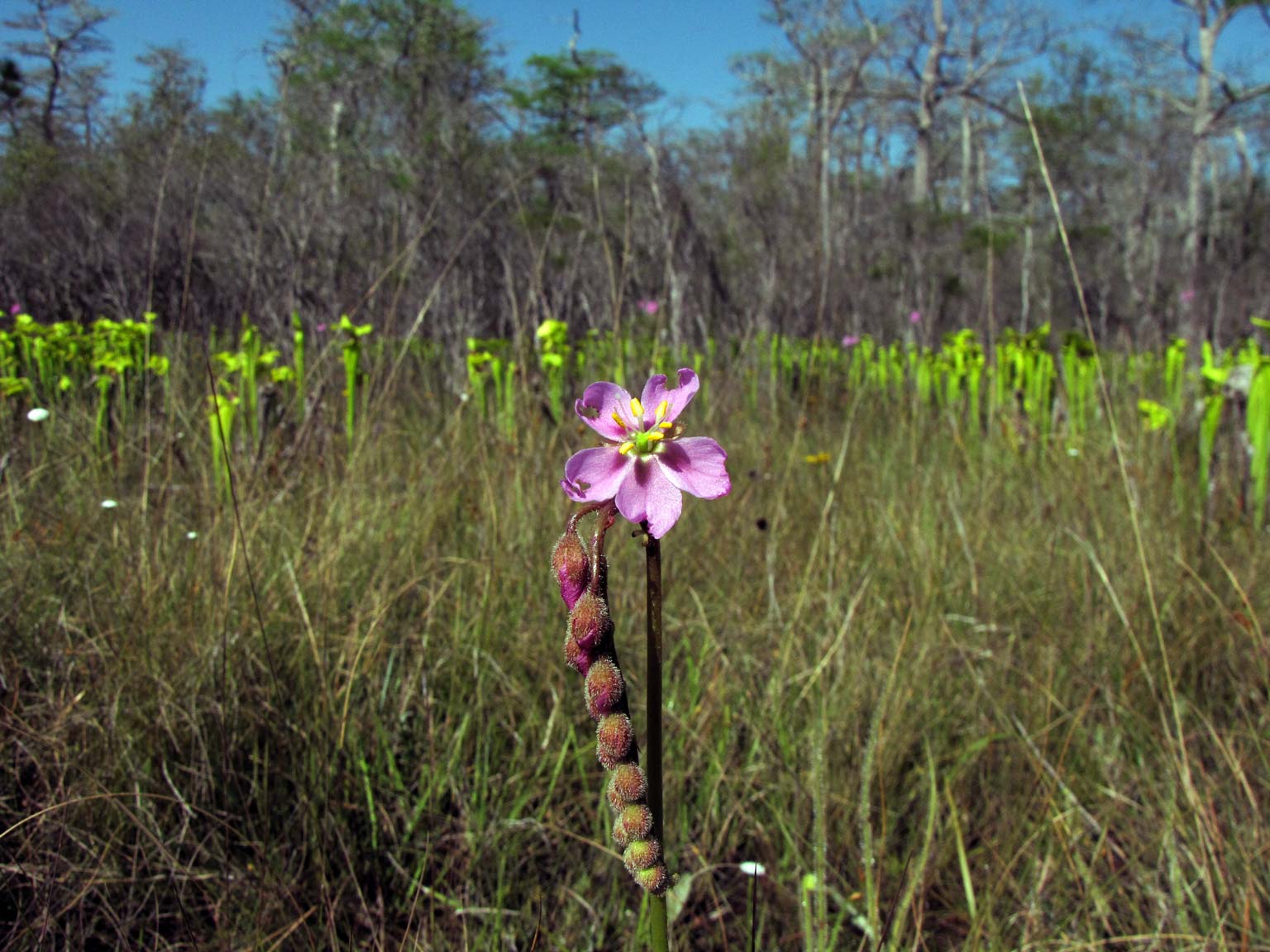
Credit: www.flawildflowers.org
Top Carnivorous Plants For Florida
Carnivorous plants thrive in Florida’s warm and humid climate. These plants attract, trap, and digest insects to gain nutrients. They add unique beauty to gardens and help control pests naturally. Here are some top carnivorous plants perfect for Florida gardens.
Venus Flytrap
The Venus Flytrap is famous for its jaw-like leaves. It snaps shut quickly to trap insects. This plant prefers sunny spots and moist soil. It is native to the southeastern United States, making Florida ideal for growth.
Pitcher Plants
Pitcher plants have tube-shaped leaves that trap insects inside. The insects fall into liquid and cannot escape. These plants enjoy wet, acidic soils like those in Florida’s wetlands. They add a striking look to any garden.
Sarracenia Varieties
Sarracenia includes many pitcher plant species with tall, colorful tubes. They attract insects with nectar and bright colors. These plants grow well in Florida’s sunny, swampy areas. They are easy to care for and very effective.
Butterworts
Butterworts have sticky leaves that catch small insects. They use enzymes to digest their prey. These plants prefer humid conditions and partial shade. Butterworts are great for indoor or outdoor gardens in Florida.
Sundews
Sundews are covered in sticky, glandular hairs. They trap tiny insects with their sticky drops. These plants thrive in Florida’s moist, sunny environments. Sundews are small but very fascinating to watch.
Bladderworts
Bladderworts live in water or wet soil. They use tiny bladders to suck in small aquatic prey. These plants help keep ponds and water gardens clean. Bladderworts are perfect for Florida’s many water features.
Growing Conditions
Carnivorous plants thrive best in specific growing conditions that mimic their natural habitats. In Florida, these conditions vary slightly due to the warm climate and high humidity. Understanding these needs helps you nurture healthy, vibrant plants. Each factor plays a crucial role in their growth and survival.
Soil Requirements
Carnivorous plants need poor, acidic soil. Avoid regular garden soil or fertilizers. Use a mix of sphagnum peat moss and sand or perlite. This mix drains well and keeps nutrients low. Good drainage prevents root rot. The soil must remain moist but not waterlogged. Avoid adding compost or manure.
Light And Temperature
Most carnivorous plants enjoy bright, indirect sunlight. They need about 4 to 6 hours of light daily. Direct afternoon sun can burn leaves. Morning sun works best. Florida’s warm climate suits these plants well. Ideal temperatures range from 70°F to 85°F. Night temperatures can drop to around 55°F. Protect plants from frost or extreme cold.
Watering Needs
Use only pure water, such as rainwater or distilled water. Tap water often contains minerals harmful to these plants. Keep the soil consistently damp. Do not let it dry out completely. Water from the bottom by placing pots in a shallow tray. This method prevents overwatering. High humidity also supports healthy growth in Florida’s climate.

Credit: www.reddit.com
Planting Tips
Planting carnivorous plants in Florida requires special care to help them thrive. These plants need specific conditions to grow healthy and catch insects effectively. Follow these planting tips to ensure your carnivorous plants flourish in the Florida climate.
Choosing The Right Location
Select a spot with plenty of sunlight. Most carnivorous plants need at least 4 to 6 hours of direct sun. Avoid shady areas under large trees or buildings. The soil should stay moist but not waterlogged. Good air circulation helps prevent mold and pests. Make sure the location mimics their natural habitat for best results.
Container Vs. Ground Planting
Use containers if you want to control soil and water easily. Containers allow better drainage and prevent soil contamination. Choose pots with drainage holes and use a mix of sphagnum peat moss and sand. Ground planting works well in sandy, acidic soils typical in Florida. Ensure the soil is nutrient-poor, as carnivorous plants do not like rich soil. Containers offer flexibility, while ground planting can create a natural look.
Seasonal Care
Florida’s warm climate suits carnivorous plants, but they still need seasonal care. In winter, reduce watering but keep the soil damp. Protect plants from cold snaps with frost cloth or bring containers indoors. During the hot summer, water frequently and avoid letting the soil dry out. Trim dead leaves to encourage new growth. Regularly check for pests and remove them promptly to keep plants healthy.
Common Challenges
Cultivating carnivorous plants in Florida comes with unique challenges. The state’s climate and environment affect their growth. Understanding these common problems helps keep plants healthy. Here are some issues to watch for.
Pests And Diseases
Pests like aphids and spider mites often attack carnivorous plants. These insects can damage leaves and reduce plant vigor. Fungal infections also occur in humid conditions. Checking plants regularly helps catch problems early. Use gentle insecticidal soap to control pests. Avoid chemical pesticides that may harm the plants.
Dealing With Heat Stress
Florida’s heat can stress carnivorous plants quickly. High temperatures cause leaves to wilt or dry out. Providing partial shade during the hottest hours protects plants. Keep soil moist but not soggy. Using mulch can help maintain soil moisture. Proper air circulation reduces heat buildup around plants.
Nutrient Management
Carnivorous plants get nutrients mainly from insects, not soil. Fertilizing with standard plant food can harm them. Use pure water, such as rainwater or distilled water. Avoid tap water with minerals and chemicals. Ensure the soil is nutrient-poor and well-drained. This environment supports healthy growth without overfeeding.
Conservation And Ethical Sourcing
Carnivorous plants are fascinating and unique additions to any garden, especially in Florida’s rich ecosystem. Protecting these plants means more than just enjoying their beauty. It requires careful attention to conservation and ethical sourcing. This ensures native populations remain healthy and these plants continue to thrive in the wild.
Protecting Native Populations
Many carnivorous plants in Florida grow only in specific wetland areas. Taking plants from the wild can harm these fragile habitats. Overharvesting reduces natural populations and disrupts local ecosystems. Conservation efforts focus on preserving natural habitats and encouraging growth in protected areas. Supporting these efforts helps keep native carnivorous plants safe for future generations.
Sustainable Buying Practices
Choosing plants from reputable growers supports sustainability. These growers use seeds or tissue culture methods to propagate plants without harming wild populations. Buying from nurseries that follow ethical practices promotes conservation. Avoid purchasing wild-collected plants or those with unclear origins. Sustainable buying helps maintain natural diversity and protects Florida’s unique carnivorous plants.
Resources And Where To Buy
Finding the right resources and places to buy carnivorous plants in Florida helps ensure healthy growth. These plants need special care and the right environment. Choosing local or trusted sellers guarantees quality and proper species for Florida’s climate.
Explore various options to get the best plants. Many sellers offer native species that thrive in Florida’s warm and humid conditions. Some sources also provide expert advice on how to care for these unique plants.
Local Nurseries
Local nurseries often carry carnivorous plants suited for Florida. These nurseries understand the local climate well. You can see the plants before buying. Staff can give advice on care and planting tips. Some popular nurseries in Florida specialize in native and exotic plants. Visiting these places helps you find healthy Venus flytraps, pitcher plants, and sundews.
Online Stores
Online stores offer a wide selection of carnivorous plants. They ship plants directly to your door. Many online shops specialize in rare and native species. Check reviews and ratings before purchasing. Reliable stores provide detailed care guides. Buying online allows access to species not found locally. Look for stores that guarantee plant health and proper packaging.
Community Groups And Societies
Join community groups and societies for carnivorous plant lovers in Florida. These groups share tips, sell plants, and organize swaps. They provide support for beginners and experts alike. Local clubs often host events and workshops. Becoming a member connects you with passionate growers. Learning from others helps improve your plant care skills.

Credit: www.amazon.com
Frequently Asked Questions
What Plants Can Survive In The Heat In Florida?
Heat-tolerant plants in Florida include lantana, hibiscus, pentas, salvia, sunflowers, crotons, bromeliads, coreopsis, coneflowers, and succulents. These thrive in heat and humidity with low maintenance.
Can You Grow Venus Flytraps In Florida?
Venus flytraps can grow in Florida’s warm, humid climate with proper care and acidic, well-drained soil. They need partial sunlight and consistent moisture to thrive.
How Hot Is Too Hot For Carnivorous Plants?
Carnivorous plants struggle above 90°F (32°C). Prolonged heat can cause stress and damage. Provide shade and humidity to protect them.
What Plants Are Prohibited In Florida?
Florida prohibits invasive plants like Brazilian pepper, Australian pine, melaleuca, and cogongrass to protect native ecosystems.
Conclusion
Carnivorous plants add wonder to any Florida garden. They thrive in warm, humid conditions easily. Choose species like Venus flytrap or pitcher plants for best results. These plants help control insects naturally and look unique. Regular care ensures they stay healthy and vibrant.
Start small and enjoy watching these fascinating plants grow. Explore local nurseries for native options and expert advice. Gardening with carnivorous plants brings fun and learning together. Give them a try and see the magic happen!