
If you live in Florida and want to grow your own fresh vegetables, knowing the best time to plant your garden is key to success. Timing your planting right can mean a bountiful harvest and healthy plants that thrive in Florida’s unique climate.
Whether you’re a beginner or an experienced gardener, understanding when to sow seeds or transplant seedlings can save you time, effort, and frustration. You’ll discover the ideal months to plant different vegetables, tips for dealing with Florida’s heat and humidity, and how to get the most out of your garden all year long.
Ready to grow your dream vegetable garden? Keep reading to unlock the secrets to planting at the perfect time in Florida!
Credit: www.ufseeds.com
Florida Gardening Seasons
Winter gardening in Florida offers a unique chance to grow fresh vegetables during cooler months. The mild winters allow many cool-season crops to thrive. Gardeners can enjoy harvesting leafy greens, root vegetables, and other hardy plants throughout the season.
Planning and preparation are key for a successful winter garden. Understanding which crops to plant and how to protect them from occasional cold snaps ensures a fruitful harvest.
Cool-season Crop Options
Florida winters suit many cool-season vegetables. Choose broccoli, cauliflower, cabbage, and Brussels sprouts for brassicas. Leafy greens like lettuce, spinach, and kale grow well too. Root crops such as carrots, radishes, and beets are ideal for winter planting. These plants tolerate cooler temperatures and can handle light frost.
Soil Preparation For Winter
Prepare soil by adding organic matter like compost to boost nutrients. Loosen the soil to improve drainage and root growth. Test soil pH and adjust if necessary, aiming for slightly acidic to neutral soil. Remove weeds and debris to reduce pest problems. Well-prepared soil supports strong, healthy plants during winter.
Protecting Plants From Cold
Use row covers or frost cloths to shield plants from cold nights. Mulch around plants to keep soil warm and retain moisture. Water plants in the morning to reduce frost damage risk. Move containers to sheltered spots if frost is expected. These simple steps help plants survive colder temperatures in Florida’s winter.

Credit: www.revivalgardening.com
Fall Planting Tips
Gardening in Florida during summer poses several challenges. The intense heat can stress plants and slow growth. High temperatures also increase water evaporation, making soil dry quickly. Strong sunlight can scorch leaves and reduce crop yields. Pests and diseases thrive in warm, humid conditions, threatening your garden’s health.
Understanding these challenges helps gardeners choose the right strategies. Selecting heat-tolerant crops and using protective methods improve success. Managing pests and diseases keeps plants strong and productive. Careful planning and smart techniques make summer gardening possible.
Heat-tolerant Crops
Choose vegetables that grow well in hot weather. Okra, sweet potatoes, and eggplants tolerate high heat. Peppers and tomatoes also perform well with proper care. These crops handle Florida’s summer sun better than cool-season plants. Planting heat-tolerant varieties reduces stress and improves harvests.
Shade And Mulching Tips
Provide shade to protect plants from direct sun. Use shade cloth or garden umbrellas for young seedlings. Mulching helps keep soil moist and cool. Apply organic mulch like straw or wood chips around plants. Mulch also prevents weeds and reduces water loss. These steps create a better environment for summer crops.
Pest And Disease Control
Warm weather encourages pests like aphids, whiteflies, and spider mites. Check plants regularly for signs of infestation. Use natural pest control methods such as neem oil or insecticidal soap. Remove infected leaves to stop disease spread. Good air circulation reduces fungal problems. Early action helps keep your garden healthy.
Winter Gardening In Florida
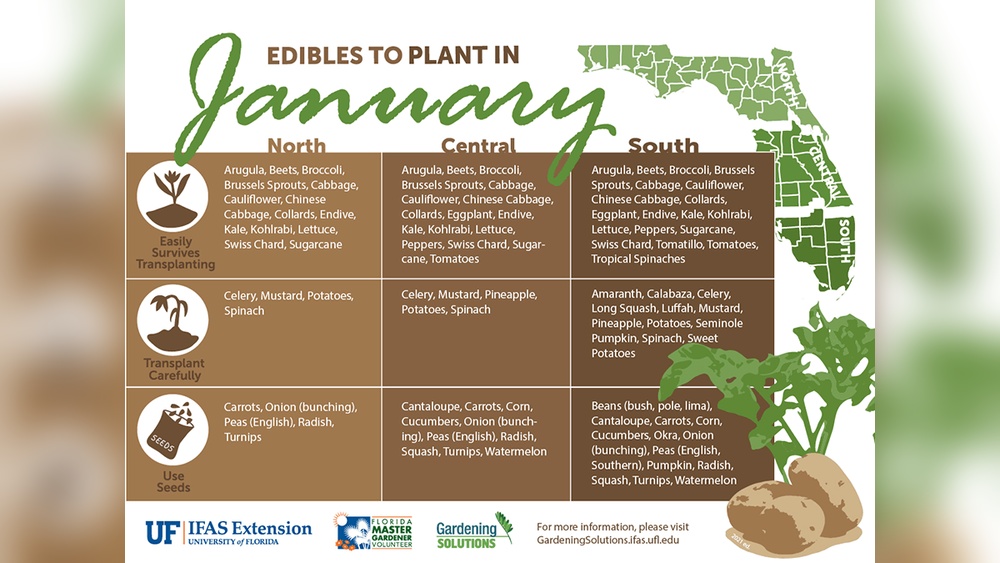
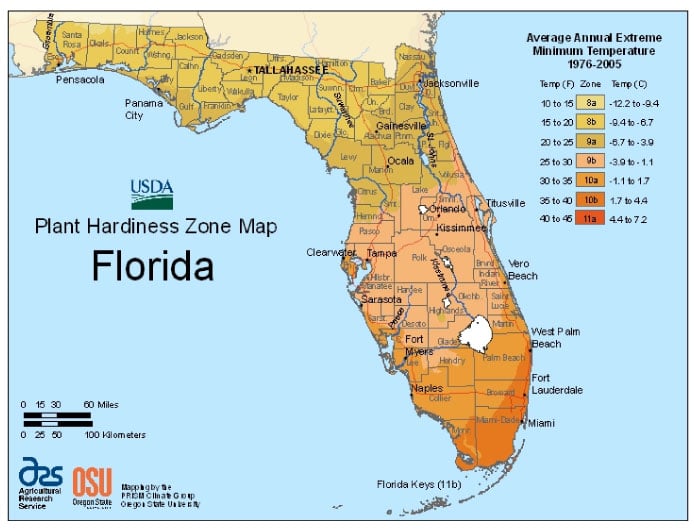
Regional planting calendars guide gardeners on the best times to plant vegetables. Florida’s climate varies by region, affecting planting schedules. Understanding these differences helps improve garden success. Each region has unique temperature and rainfall patterns. This guide breaks down planting times for North, Central, and South Florida.
North Florida Schedule
North Florida experiences cooler winters than the rest of the state. Plant cool-season crops like broccoli, lettuce, and carrots from October to February. Warm-season vegetables such as tomatoes and peppers do best from March to May. Avoid planting during the hottest summer months to protect young plants.
Central Florida Schedule
Central Florida has mild winters and warm summers. Plant cool-season vegetables in October and November. Warm-season crops thrive from February through April. Summer planting is possible but requires shade and extra watering. This region allows for two growing seasons annually.
South Florida Schedule
South Florida’s tropical climate supports year-round gardening. Plant cool-season crops from October to March. Warm-season vegetables grow well from March to June. The summer heat can stress plants, so choose heat-tolerant varieties then. This region offers the longest growing season in Florida.
Credit: www.ufseeds.com
Frequently Asked Questions
What Month To Plant Vegetables In Florida?
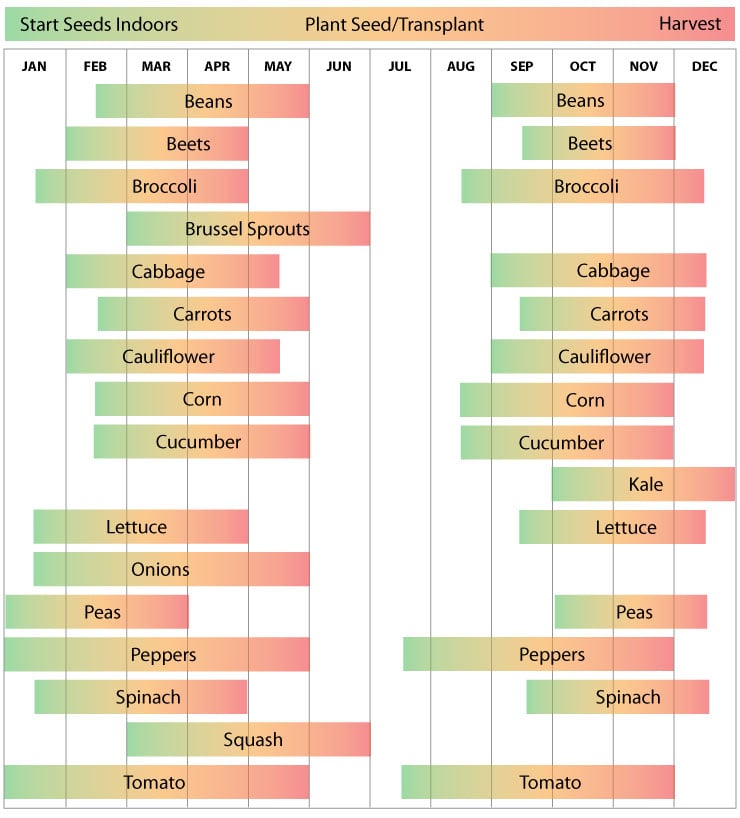
Plant vegetables in Florida mainly during fall, especially October for cool-season crops like broccoli and lettuce. September suits warm-season crops such as tomatoes and peppers, especially in South Florida. Start early in North Florida to avoid cold weather damage.
Is September Too Late To Plant A Garden?
September is not too late to plant a garden. Plant warm-season crops like tomatoes, peppers, and herbs that thrive in milder heat. Delay cool-season vegetables until temperatures drop. This timing suits regions like Florida and Texas for a successful second growing season.
What Can I Plant In October In Florida?
Plant cool-season vegetables like broccoli, lettuce, carrots, radishes, cauliflower, cabbage, and kale in Florida this October. South Florida can also start warm-weather crops and strawberries. Start seeds indoors for brassicas or sow root vegetables directly in the soil for best growth.
Can I Plant Cucumbers In September In Florida?
You can plant cucumbers in Florida in September. Choose heat-tolerant varieties and ensure consistent watering for best growth.
Conclusion
Planting your vegetable garden at the right time boosts growth and yield. Florida’s climate allows for both warm- and cool-season crops. Start cool-season vegetables in fall for best results. Warm-weather crops thrive in early spring or late summer. Pay attention to your local region’s temperature changes.
Use simple planting methods like direct sowing or indoor seed starting. Protect seedlings from pests to ensure healthy plants. With good timing and care, your garden will flourish in Florida’s unique climate. Happy planting!