
If you want to add a majestic touch of nature to your Florida landscape, planting a live oak tree is a perfect choice. But when exactly is the best time to plant live oak trees in Florida to ensure they thrive and grow strong?
Timing can make all the difference between a healthy, flourishing tree and one that struggles to survive. You’ll discover the ideal planting seasons, tips on soil and watering, and how to give your live oak the best start possible. Keep reading to find out how you can turn your outdoor space into a beautiful, shady haven with the right timing and care.
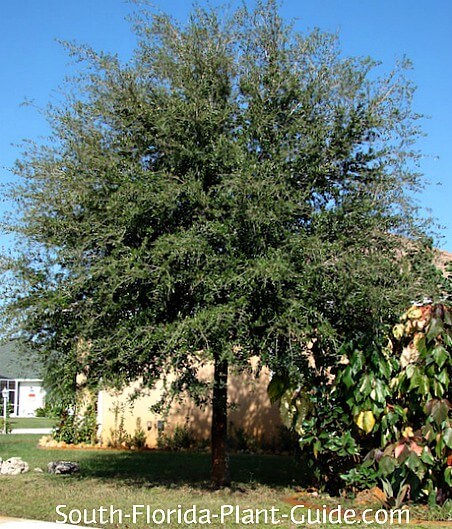
Credit: www.south-florida-plant-guide.com
Live Oak Growth In Florida
Live oak trees thrive in Florida’s warm climate and rich soils. Their growth adds beauty and shade to landscapes across the state. Understanding how these trees grow helps in caring for them properly. This knowledge also guides the best planting time for healthy development.
Annual Growth Rates
Young live oaks grow quickly, adding one to three feet each year. Growth slows as the tree gets older. Mature trees grow much more slowly but continue to add strength and size. This steady growth makes live oaks a popular choice for long-lasting shade.
Growth Factors
Soil type strongly affects live oak growth. Moist, well-drained, acidic soil promotes faster growth. These trees tolerate sandy, clay, and loam soils as well. Water is crucial for young trees but less important for mature ones. Pruning helps maintain tree health and encourages growth.
Soil And Water Needs
Live oaks prefer soil that holds moisture but drains well. They grow best in slightly acidic conditions but adapt to other types. Young trees need regular watering to establish roots. Once mature, live oaks survive with natural rainfall and occasional watering during dry spells.
Pruning And Transplanting
Pruning young live oaks shapes the tree and removes weak branches. This encourages strong structure and healthy growth. Transplanting works best when the tree is young. Planting in sandy soil with the root collar level helps roots settle and grow well.
Ideal Planting Seasons
Choosing the right season to plant live oak trees in Florida helps ensure strong growth and health. Live oaks adapt well to Florida’s climate, but the timing of planting affects how quickly they establish. Planting at the right time reduces stress on the tree and supports root development. Below are details on the best planting seasons for live oak trees.
Spring Planting Benefits
Spring offers warm temperatures and increasing daylight. These conditions encourage new root growth before the hot summer arrives. Rainfall in spring helps keep the soil moist, which young trees need. Planting in spring gives live oaks time to settle before the heat of summer. Trees planted in spring often grow faster and stronger.
Fall Planting Advantages
Fall planting takes advantage of cooler temperatures and steady rainfall. The soil remains warm enough for roots to grow deeply. Fall planting allows trees to prepare for winter stress by building strong roots. It also reduces water needs compared to summer planting. Live oaks planted in fall often recover better and show less transplant shock.
Winter And Summer Considerations
Winter in Florida is mild but can slow root growth. Planting in winter may delay establishment but is still possible in warmer areas. Summer is the least favorable time due to heat and drought stress. If planting in summer, extra watering and shade are necessary to protect young trees. Avoid planting in extreme heat to prevent damage and stress.
Choosing The Right Location
Choosing the right location is critical for planting live oak trees in Florida. The tree’s health and growth depend on where you place it. A good spot ensures the tree receives enough sunlight, has suitable soil, and space to grow freely. Avoiding conflicts with utilities also protects the tree and your property.
Each factor plays a role in helping your live oak thrive and become a strong, beautiful tree.
Sunlight Requirements
Live oak trees need plenty of sunlight to grow well. They do best in full sun but can tolerate some partial shade. Plant your tree where it can get at least six hours of direct sunlight daily. Sunlight helps the tree produce energy and grow healthy leaves and branches.
Soil Types Suitable For Live Oaks
Live oaks grow in many soil types. They prefer moist, well-drained soil that is sandy, loamy, or clay. The soil should be slightly acidic but live oaks can handle alkaline soils too. Good soil drainage prevents root rot and supports steady growth. Test your soil if unsure about its type or pH level.
Avoiding Utility Conflicts
Plant your live oak away from utility lines and poles. These trees grow wide and tall, so roots and branches can interfere with power lines or pipes. Check underground utilities before digging. Leaving enough distance prevents damage to the tree and avoids costly repairs to utilities.
Space For Growth
Live oaks need plenty of space to spread their branches and roots. They can grow very large, so pick a spot with room for expansion. Avoid planting near buildings, fences, or other trees. Crowded spaces limit growth and may cause problems with roots and branches later on.
Planting Techniques
Planting live oak trees in Florida requires careful techniques to ensure healthy growth. Proper steps during planting help the tree establish strong roots and thrive in Florida’s climate. Follow these essential planting techniques for best results.
Preparing The Soil
Choose a spot with well-drained soil and good sunlight. Clear the area of grass, weeds, and debris. Loosen the soil to a depth of about 12 inches. Mix organic compost into the soil to improve nutrients and drainage. Avoid heavy clay soils that hold too much water. Proper soil preparation helps roots grow deeply and absorb water easily.
Digging The Perfect Hole
Dig a hole twice as wide as the root ball but only as deep as the root system. This allows roots to spread out comfortably. Avoid digging too deep to prevent root rot. Make sure the hole’s edges are rough, not smooth, to help roots break through easily. Place the tree in the center and check the height before filling the hole.
Root Handling Tips
Handle roots gently to avoid damage. If roots are tightly packed, loosen them carefully with your fingers. Trim any broken or dead roots with clean scissors. Do not let roots dry out; keep them moist during planting. Avoid bending or twisting the roots. Proper root care improves the tree’s ability to take up water and nutrients.
Watering After Planting
Water the tree deeply immediately after planting. This settles the soil and removes air pockets. Keep the soil moist but not waterlogged during the first few months. Water the tree every few days in dry weather. Use mulch around the base to retain moisture and regulate soil temperature. Proper watering helps reduce stress and encourages root growth.
Live Oak Varieties For Florida
Live oak trees are a popular choice for Florida landscapes. Their strong branches and broad canopies provide excellent shade. Different live oak varieties thrive in Florida’s climate. Each variety has unique features and growth habits. Choosing the right type helps your tree grow healthy and beautiful.
Southern Live Oak
The Southern live oak is the most common variety in Florida. It grows well in many soil types, including sandy and clay soils. This oak has wide, spreading branches and dark green leaves. It grows about two to three feet each year. The Southern live oak is hardy and tolerates drought and salt spray. It fits well in parks and large yards.
Shumard Oak
Shumard oak is another native oak that grows well in Florida. It has bright green leaves that turn red in fall. This tree grows faster than the Southern live oak. Shumard oak prefers moist, well-drained soil but adapts to drier spots. It provides good shade and attracts wildlife like birds and squirrels.
Other Native Oaks
Florida hosts other native oak species worth planting. These include Turkey oak, Live oak hybrids, and Chapman oak. Each type has different growth rates and sizes. Turkey oak grows quickly and handles dry soil. Chapman oak is smaller and suits tight spaces. Native oaks support local wildlife and blend well with Florida’s environment.
Care And Maintenance
Proper care and maintenance keep live oak trees healthy and strong in Florida’s climate. These trees need regular attention to thrive. Focus on watering, fertilizing, pruning, and managing pests. Each step supports growth and longevity. Follow simple guidelines for best results.
Watering Schedules
Young live oaks need water often to develop strong roots. Water deeply twice a week during dry spells. Established trees require less water. Provide water once every two weeks when there is no rain. Avoid overwatering to prevent root rot. Use mulch to keep soil moist and cool.
Fertilization Guidelines
Fertilize live oaks in early spring and late fall. Use a balanced fertilizer with nitrogen, phosphorus, and potassium. Apply fertilizer evenly around the tree’s drip line. Avoid placing fertilizer near the trunk. Follow package instructions for the correct amount. Healthy soil helps trees grow faster and resist diseases.
Pruning Practices
Prune live oaks during late winter before new growth starts. Remove dead, damaged, or crossing branches. Thin out crowded areas to improve air flow. Cut branches close to the trunk without leaving stubs. Avoid heavy pruning to reduce stress on the tree. Proper pruning shapes the tree and prevents hazards.
Pest And Disease Management
Inspect live oaks regularly for pests like aphids and scale insects. Use insecticidal soap or neem oil if infestations occur. Watch for signs of diseases such as oak wilt and leaf spot. Remove infected leaves and branches promptly. Maintain tree health to reduce pest and disease risks. Healthy trees recover better from damage.
Transplanting Live Oaks
Transplanting live oak trees in Florida requires care and timing. These majestic trees adapt well if moved correctly. Understanding the right time and methods helps the tree thrive after transplanting. Proper steps reduce stress on the tree and promote healthy growth. Below are key points on transplanting live oaks successfully.
Best Time To Transplant
Transplant live oak trees during their dormant season. In Florida, this is usually late fall through early spring. Cooler temperatures reduce water loss and stress. Avoid transplanting during hot, dry summer months. Transplanting in winter or early spring gives roots time to settle before growth starts. Young trees transplant easier than mature ones.
Techniques For Successful Transplant
Start by digging a wide root ball around the tree. The root ball should be deep enough to include main roots. Keep soil moist during the process. Avoid damaging roots while digging. Transport the tree carefully to prevent shaking. Plant the live oak at the same soil depth as before. Firm soil around the roots to remove air pockets. Mulch around the base to keep soil moist and cool.
Post-transplant Care
Water the tree deeply after transplanting. Keep the soil moist but not waterlogged. Check the tree regularly for signs of stress or pests. Apply mulch to conserve moisture and control temperature. Avoid fertilizing immediately; wait until the tree shows new growth. Prune only dead or broken branches to reduce stress. Support young trees with stakes if needed during strong winds.

Credit: www.nwf.org
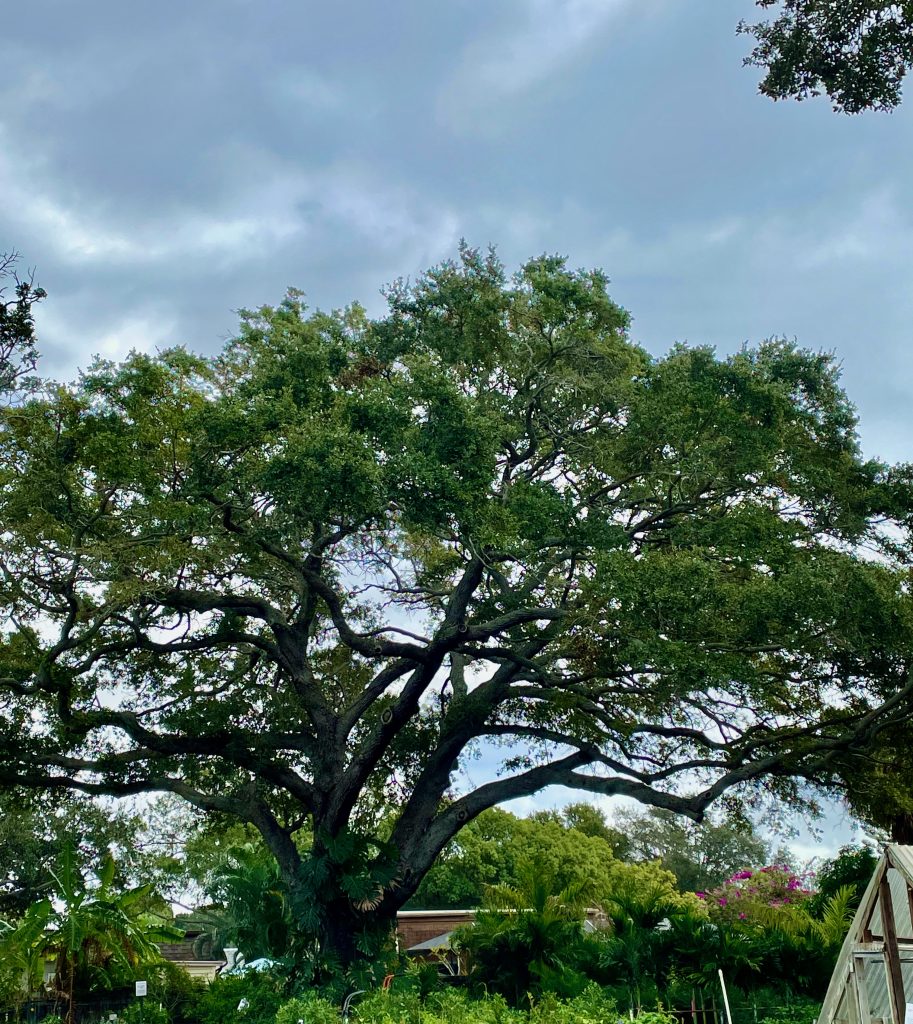
Credit: www.wilcoxnursery.com
Frequently Asked Questions
How To Plant A Live Oak Tree In Florida?
Plant live oak in full sun to partial shade with moist, well-drained soil. Space it away from structures. Water young trees regularly. Plant during early spring or fall for best growth.
How Fast Do Live Oak Trees Grow In Florida?
Live oak trees in Florida grow about one to three feet per year when young. Growth slows as they mature. They thrive best in moist, well-drained soil with adequate water.
When Should You Plant A Live Oak Tree?
Plant live oak trees in early spring or early fall when temperatures are mild. Ensure soil is workable and well-drained for best growth.
What Is The Best Oak Tree To Plant In Florida?
The best oak tree to plant in Florida is the Southern Live Oak. It grows fast, tolerates drought, salt, and various soils.
Conclusion
Planting live oak trees in Florida is best in early spring or fall. These seasons offer mild temperatures and ideal soil conditions. Young trees need regular watering to establish strong roots. Choose a sunny spot with enough space for growth.
Avoid planting near structures or power lines. Proper timing helps your tree grow healthy and strong. Patience is key; live oaks grow steadily over time. Follow these simple tips for a thriving oak tree in your yard. Your efforts will reward you with shade and beauty for years.