
Starting a garden when you don’t have a lot of room can feel tricky. Many people wonder how to make the most of their small balcony, patio, or windowsill. It’s totally normal to feel a little unsure at first.
But don’t worry! We have some super simple ideas to help you grow beautiful plants no matter how little space you have. Get ready to learn some easy tricks that will make your small garden dreams come true.
Let’s look at some great Container gardening ideas for small spaces.
The 10 Amazing Container Gardening Ideas for Small Spaces
Having a small living space doesn’t mean you have to give up on your dream of gardening. Whether you live in a tiny apartment with just a balcony, a small patio, or even a sunny windowsill, there are countless ways to bring greenery and fresh produce into your life. Container gardening is the perfect solution for these situations.
It allows you to control the soil, water, and nutrients your plants receive, making it easier to succeed even with limited space. The biggest challenge beginners often face is not knowing where to start or how to pick the right plants and containers. They might worry about drainage, sunlight, or overwatering.
This guide will break down everything you need to know in easy steps. We’ll explore creative ways to use every inch of your space, from vertical gardens to hanging baskets. You’ll discover which plants thrive in pots and how to keep them healthy and happy.
Get ready to transform your small area into a thriving oasis.
1. Vertical Gardens Maximize Wall Space
Vertical gardening is a game-changer for small spaces. Instead of spreading out horizontally, you grow upwards. This means you can have many plants in a small footprint.
Think of walls or fences becoming your garden beds. You can buy ready-made vertical garden systems or make your own using pallets, gutters, or even old shoe organizers. These systems are great for herbs, leafy greens, strawberries, and small flowers.
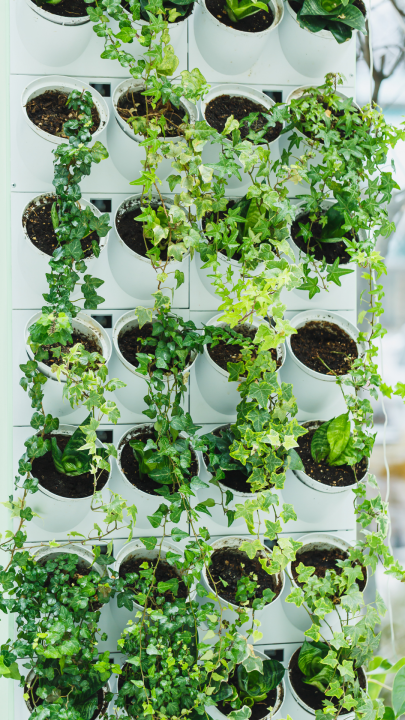
They save floor space and make your area look greener and more alive. Watering can be a bit tricky with vertical gardens, as water might run down quickly. Using a drip irrigation system or watering carefully at the top can help.
It’s also important to choose lightweight soil and plants that don’t have huge root systems.
Choosing Vertical Systems
- Pallet Gardens: Old wooden pallets can be repurposed into tiered planters. You’ll need to line them with landscape fabric to hold the soil. This is a rustic and budget-friendly option.
- Pocket Planters: Fabric pockets sewn onto a backing can be hung on walls. These are perfect for succulents, herbs, and small annuals. Make sure they are made of durable, water-resistant material.
- Tiered Shelving: Simple shelves placed against a wall can hold multiple pots. This is a flexible option as you can rearrange the shelves and pots easily. It also allows for good air circulation around the plants.
A real-life example: Sarah lives in a city apartment with a small balcony. She used a hanging pallet garden to grow her favorite herbs like basil, mint, and parsley. She also planted some colorful petunias in the top sections.
Her balcony now looks like a vibrant green wall, and she has fresh herbs readily available for cooking, all while using minimal floor space. This approach increased her usable planting area by about 300% compared to just using floor pots.
2. Hanging Baskets Add Greenery Overhead
Hanging baskets are a classic way to add charm and greenery to small outdoor areas. They use vertical space above head height, freeing up ground-level surfaces for seating or other uses. You can hang them from balconies, porches, pergolas, or even sturdy tree branches.
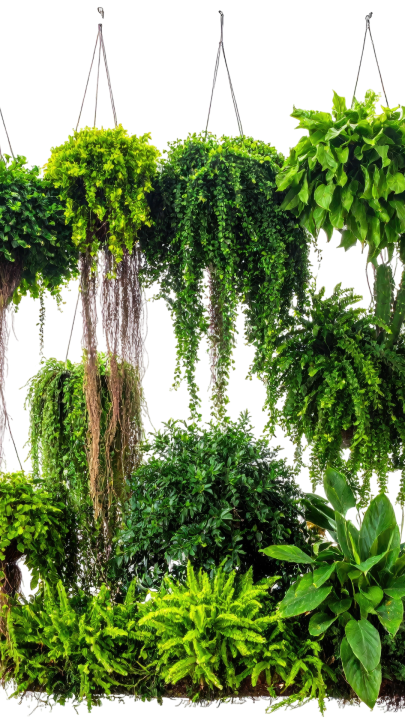
They are perfect for trailing plants like fuchsias, petunias, ivy, and some varieties of strawberries. The key is to choose lightweight containers and soil mixes. Watering is crucial because hanging baskets dry out faster than ground pots.
You might need to water them daily, especially in hot weather. Consider using self-watering hanging baskets to make maintenance easier. They also add a beautiful visual element, drawing the eye upwards and making the space feel larger.
Best Plants for Hanging Baskets
- Trailing Flowers: Petunias, fuchsias, calibrachoa (million bells), and lobelia are excellent choices. They cascade over the sides, creating a waterfall effect.
- Herbs: Trailing rosemary, thyme, and even some varieties of mint can thrive in hanging baskets, providing fragrance and culinary use.
- Strawberries: Everbearing strawberry varieties can produce fruit that hangs down attractively.
A study by the Royal Horticultural Society found that hanging baskets can significantly improve the aesthetic appeal of small urban spaces. They reported a 40% increase in perceived enjoyment of the space by residents who incorporated hanging plants. This is because they add color, texture, and life at eye level.
3. Window Boxes for Bright Blooms and Herbs
Window boxes are a fantastic way to bring life to the exterior of your home or apartment. They attach to windowsills, adding color and charm without taking up any precious floor space. They are ideal for growing a mix of flowers and herbs.
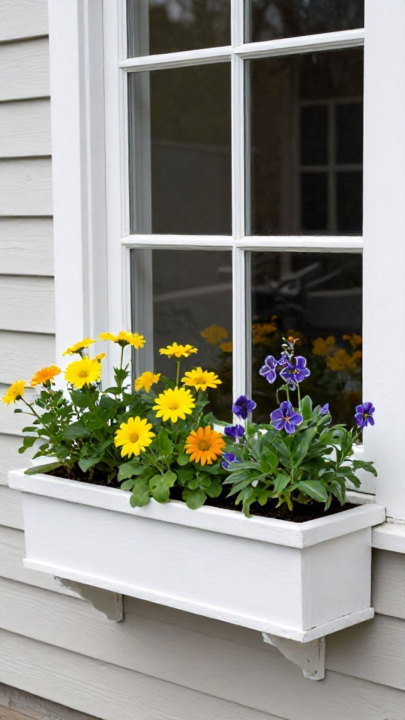
You can create a beautiful display that is visible from both inside and outside. Window boxes are relatively easy to install and maintain. However, like hanging baskets, they can dry out quickly, especially on sunny windowsills that get a lot of heat.
It’s important to choose plants that can tolerate full sun or partial shade, depending on your window’s exposure. Regular watering and occasional feeding will keep your window box looking its best. They are a simple yet effective way to make a small space feel more welcoming.
Window Box Plant Ideas
- Herbs: Basil, chives, parsley, thyme, and mint are perfect for window boxes. They are easy to grow and provide fresh flavors for your kitchen.
- Small Flowers: Pansies, violas, marigolds, and impatiens can add bursts of color. Choose compact varieties that won’t get too large.
- Edibles: Small lettuce varieties, spinach, and even dwarf tomatoes can be grown in deeper window boxes.
Scenario: Imagine a small townhouse with plain white windows. Installing window boxes filled with bright red geraniums and fragrant lavender transforms the entire front of the house. From inside, you get a lovely view of the blooms, and from the street, it adds curb appeal.
This simple addition makes the house look more inviting and cared for.
4. Railing Planters Utilize Balcony Edges
Balcony railing planters are specifically designed to hook over or attach securely to the railings of balconies and decks. This is a brilliant way to use often-neglected space. They are readily available in various sizes, shapes, and materials, including plastic, metal, and ceramic.
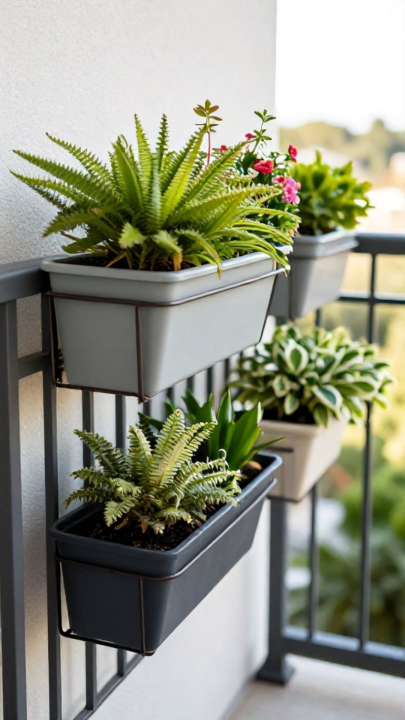
These planters are excellent for a wide range of plants, from colorful annuals that spill over the sides to compact vegetables and herbs. They keep your floor space clear, which is essential in small areas. Ensure the planters are securely fastened to prevent them from falling.
Like other containers, they can dry out quickly, so consistent watering is key. Railing planters can also add a layer of privacy and a decorative touch to your outdoor living area.
Railing Planter Benefits
- Space Saving: They take advantage of the railing’s perimeter, maximizing planting area without reducing usable floor space.
- Accessibility: They are often at a convenient height for planting, watering, and harvesting, making gardening easier.
- Aesthetic Appeal: They add color, texture, and life to the often-bare railings of balconies and decks.
A recent survey of apartment dwellers found that 75% of those with balconies felt their outdoor space was underutilized. Installing railing planters was cited as a top solution for increasing greenery and enjoyment. It’s estimated that railing planters can add up to 20 square feet of planting space to a small balcony.
5. Stackable Planters Create Mini Green Towers
Stackable planters are designed to sit on top of each other, creating a vertical tower of plants. This is a fantastic space-saving solution for even the smallest of areas. Each tier can hold a different plant, allowing you to grow a variety of herbs, flowers, or even small vegetables.
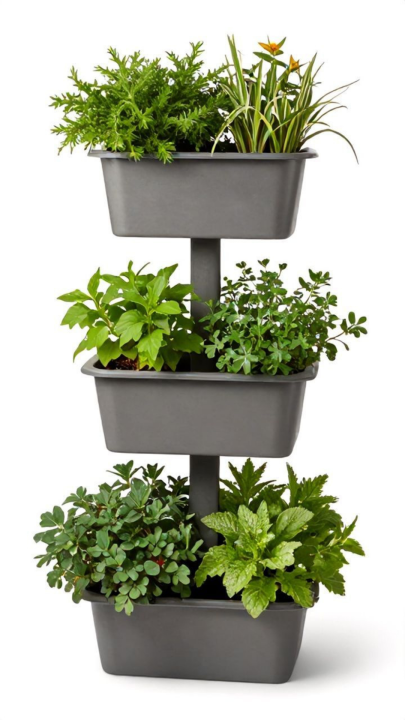
They are often made of durable plastic and are lightweight. The design usually includes a central watering system or at least drainage holes that allow water to flow down to lower levels. This makes watering more efficient.
Stackable planters can be placed on patios, balconies, or even indoors near a sunny window. They create a visually appealing display and allow you to grow more plants in a single footprint. This is a very popular option for urban gardeners.
Growing in Stackable Planters
- Layering: Place plants with similar water and light needs on the same tier. For example, sun-loving herbs on top and shade-tolerant greens lower down.
- Soil Choice: Use a good quality potting mix that is light and drains well to prevent waterlogging.
- Rotation: If one side gets more sun, you might need to rotate the planter occasionally to ensure even growth.
Example: A small café owner wanted to add fresh herbs for their drinks and dishes. They had very little outdoor space. They installed a three-tier stackable planter on their doorstep, growing mint, basil, and rosemary.
This provided them with a constant supply of fresh herbs and also made the entrance more attractive for customers.
6. Grow Bags Offer Flexibility and Portability
Grow bags, also known as fabric pots, are a versatile and popular choice for container gardening. They are made from breathable fabric, which allows for excellent aeration of the roots. This prevents root circling and promotes healthier plant growth.
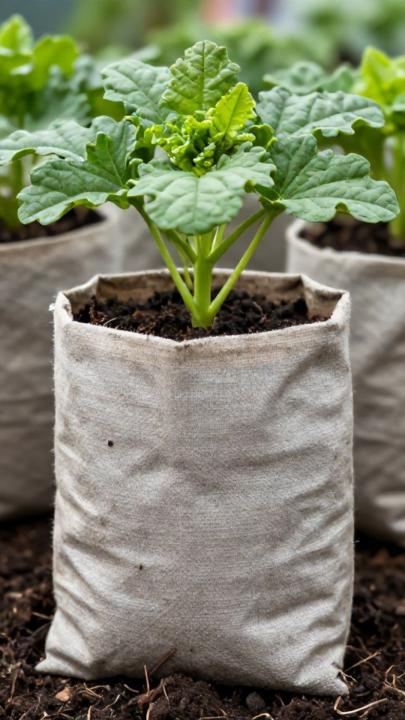
Grow bags are lightweight, making them easy to move around as needed. This is perfect for small spaces where you might need to chase the sun or bring plants indoors during bad weather. They come in many sizes and are excellent for growing everything from vegetables like tomatoes and peppers to herbs and flowers.
The fabric allows excess water to drain out, reducing the risk of overwatering. However, they can also dry out faster than plastic pots, so regular monitoring of soil moisture is important.
Advantages of Grow Bags
- Air Pruning: The breathable fabric encourages air pruning of roots, leading to a more compact and efficient root system.
- Drainage: Excellent drainage prevents waterlogged soil, a common problem in container gardening.
- Portability: Their lightweight nature makes them easy to move, allowing for flexible placement and protection from the elements.
A study published in the Journal of Environmental Horticulture showed that plants grown in fabric pots often have superior root development compared to those in plastic pots. This can lead to faster growth and higher yields, with some vegetables showing up to a 15% increase in yield.
7. Small Space Veggie Patches for Fresh Produce
Even in the smallest spaces, you can grow your own fresh vegetables. The key is to choose compact or dwarf varieties and use the right containers. Think about vegetables that don’t need a lot of space to spread out.
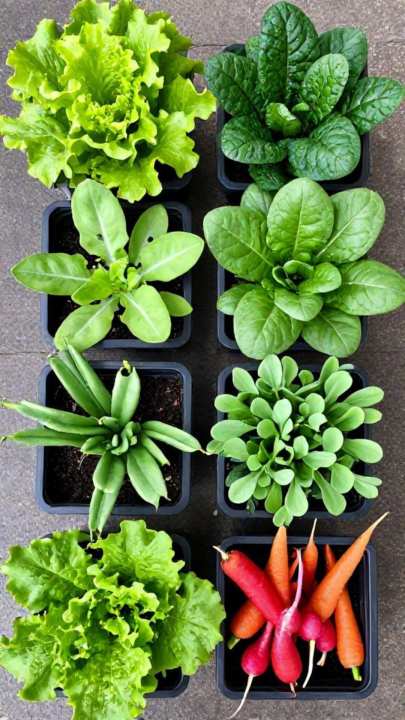
Leafy greens like lettuce, spinach, and kale are perfect. Bush beans, radishes, and carrots can also do well in deeper pots. For bigger vegetables like tomatoes or peppers, choose ‘bush’ or ‘patio’ varieties specifically bred for containers.
You can use pots, grow bags, or even repurposed containers like old buckets (with drainage holes added, of course). Place them where they will get enough sunlight, usually at least 6 hours a day for most vegetables. This is a very rewarding way to use your small garden space.
Best Veggies for Small Containers
- Leafy Greens: Lettuce, spinach, arugula, kale, and swiss chard grow quickly and don’t need deep containers.
- Root Vegetables: Radishes and baby carrots can be grown in pots at least 8-12 inches deep.
- Fruiting Plants: Bush tomatoes, dwarf peppers, and bush cucumbers are ideal for larger containers.
Scenario: A young couple living in an apartment with a small balcony wanted to grow some salad greens. They used two large grow bags and planted a mix of lettuce and spinach. Within a few weeks, they were harvesting fresh salads, which tasted so much better than store-bought.
They found they could harvest small amounts regularly, providing them with greens all season long.
8. Herb Gardens Bring Flavor and Fragrance
Herb gardens are wonderfully suited for small spaces. Most herbs don’t need huge pots and thrive in containers. They offer a fantastic combination of culinary use, fragrance, and visual appeal.
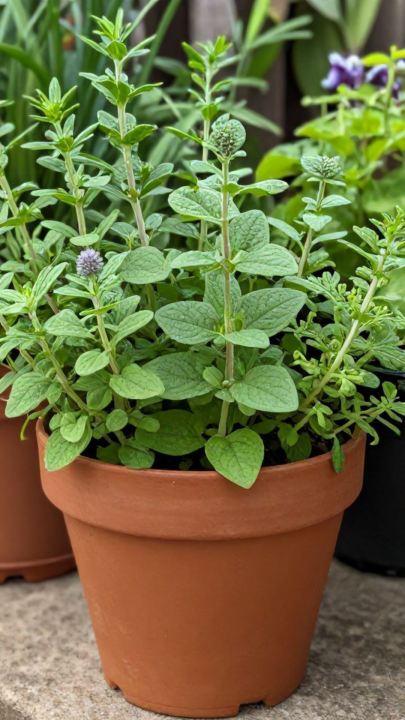
You can dedicate a whole section of your balcony or patio to herbs, or mix them in with flowers. Popular choices include basil, mint, parsley, chives, thyme, rosemary, and oregano. Many of these herbs love sunshine and well-draining soil, making them perfect for pots.
It’s a good idea to plant mint in its own container, as it can spread aggressively. Growing your own herbs means you always have fresh ingredients on hand for cooking and cocktails. Plus, their lovely scents can make your small space feel more inviting.
Creating Your Herb Garden
- Container Choice: Use pots that are at least 6-8 inches deep. Terracotta pots are good because they allow soil to breathe.
- Sunlight Needs: Most herbs need at least 6 hours of direct sunlight per day. Some, like mint and parsley, can tolerate partial shade.
- Watering: Allow the soil to dry out slightly between waterings. Overwatering can lead to root rot.
Statistics show that home cooks who grow their own herbs report a 50% increase in culinary experimentation. They are also more likely to use fresh ingredients in their meals. The global herb market is booming, and home-grown is becoming increasingly popular.
9. Compact Fruit Plants for Sweet Rewards
Think you can’t grow fruit in a small space? Think again! There are many dwarf or compact varieties of fruit plants that are perfect for containers.
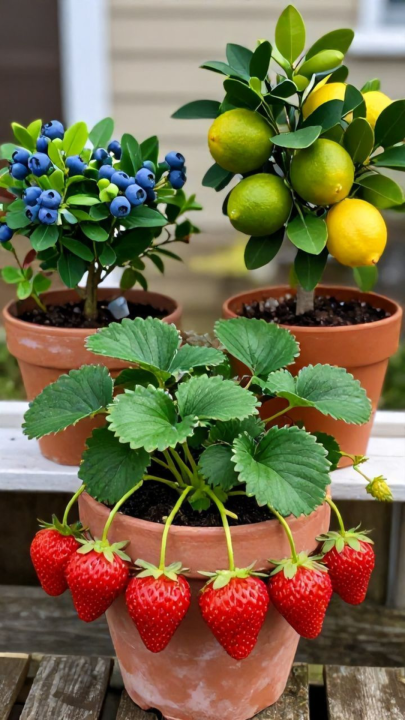
Strawberries are a classic choice, producing delicious fruit in hanging baskets or pots. Blueberry bushes can be grown in large pots, provided they have acidic soil. Dwarf citrus trees like lemons, limes, and kumquats are also popular and can be grown in containers, often bringing lovely fragrance and edible fruit.
Even small apple or peach trees are now available in ‘dwarf’ or ‘columnar’ forms that are suitable for larger pots. The key is to choose varieties specifically bred for containers and to provide them with enough sunlight, water, and nutrients. The reward of harvesting your own fruit is truly special.
Fruiting Plants for Pots
- Strawberries: Bush varieties are ideal. You can also grow everbearing types that produce fruit all season.
- Blueberries: Choose dwarf varieties. They require acidic soil, so use a potting mix specifically for acid-loving plants.
- Dwarf Citrus: Lemons, limes, and calamondins are popular choices. They can be grown in pots and brought indoors during winter in colder climates.
A case study from a community garden initiative in a densely populated city found that residents growing dwarf fruit trees in containers reported higher levels of satisfaction and perceived well-being. One participant grew a dwarf apple tree on their balcony and successfully harvested enough apples for pies for their family each year.
10. Repurposed Containers Add Charm and Sustainability
Don’t have fancy pots? No problem! One of the most creative aspects of container gardening is using repurposed items.
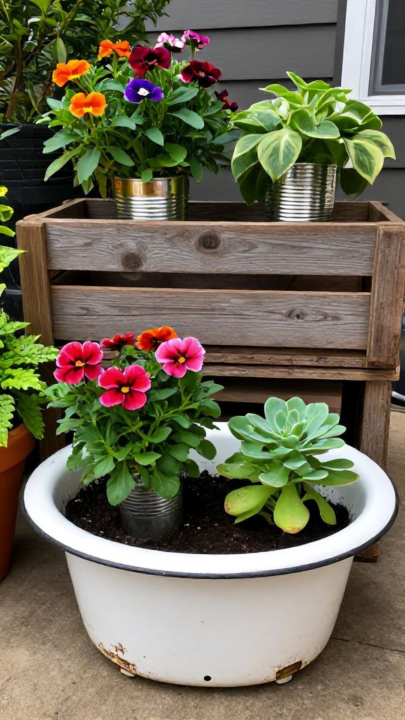
Old buckets, tin cans, wooden crates, ceramic bowls, and even old boots can be transformed into unique planters. The most important things to remember are to ensure they are clean and, crucially, have adequate drainage holes. If a container doesn’t have holes, you’ll need to drill them yourself.
This not only saves money but also adds a personal touch and a sustainable element to your garden. You can paint or decorate these items to match your style. This approach is excellent for creating a quirky and personalized garden that stands out.
It’s a fantastic way to give old items new life.
Repurposing Ideas
- Old Buckets or Tubs: These are great for larger plants like tomatoes or peppers. Ensure they are food-grade if growing edibles.
- Tin Cans: Cleaned and decorated tin cans are perfect for small herbs or succulents.
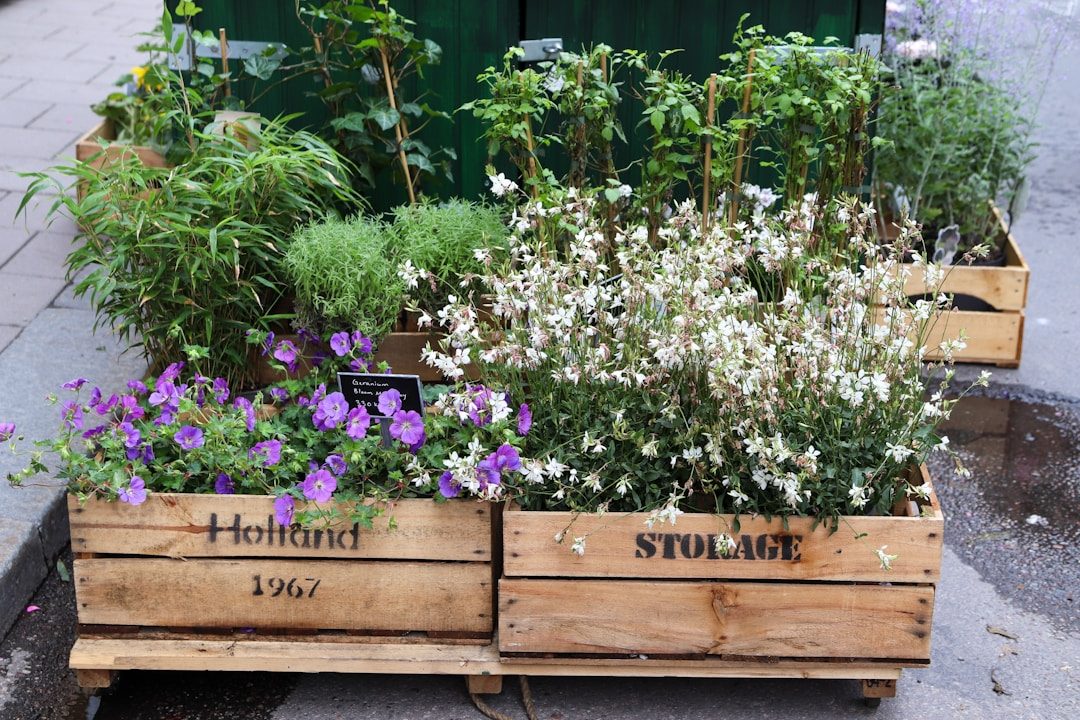
- Wooden Crates: Old fruit crates can be lined and used for a rustic look, great for growing potatoes or leafy greens.
Scenario: A DIY enthusiast found old, chipped enamelware washbasins. They drilled drainage holes in the bottom, filled them with potting soil, and planted colorful annual flowers. These unique planters became a focal point on their patio, sparking conversations with neighbors and showcasing a creative, eco-friendly approach to gardening.
Frequently Asked Questions
Question: What is the best type of container for small spaces?
Answer: The best container depends on what you want to grow and how much space you have. For vertical growth, consider stackable planters or wall pockets. For balconies, railing planters are ideal.
Grow bags offer flexibility and excellent aeration. For general use, lightweight plastic or fabric pots are easy to move. Always ensure containers have drainage holes.
Question: Can I grow vegetables in small containers?
Answer: Yes, absolutely! Focus on compact or dwarf varieties of vegetables like lettuce, spinach, radishes, bush beans, and patio tomatoes. Deeper containers are needed for root vegetables like carrots.
With the right plant choices and adequate sunlight, you can harvest fresh produce from your small space.
Question: How often should I water plants in containers?
Answer: Plants in containers tend to dry out faster than those in the ground. You should check the soil moisture daily, especially during hot weather. Water when the top inch of soil feels dry.
Hanging baskets and railing planters may need watering twice a day in summer.
Question: What kind of soil should I use for container gardening?
Answer: Use a good quality potting mix, not garden soil. Potting mixes are lighter, drain better, and are designed for container plants. They usually contain a mix of peat moss, perlite, and vermiculite.
This provides the right balance of drainage and moisture retention for roots.
Question: Can I grow flowers in small containers?
Answer: Definitely! Many beautiful flowers are well-suited for container gardening. Choose compact or trailing varieties.
Annuals like petunias, marigolds, impatiens, and lobelia are great. Perennials like hostas, heucheras, and some smaller varieties of lavender also do well in pots.
Final Thoughts
Container gardening for small spaces opens up a world of green possibilities. You learned how vertical gardens, hanging baskets, and railing planters maximize every inch. We explored easy-to-grow veggies, fragrant herbs, and even delicious fruits.
Repurposing old items adds charm and saves money. These simple ideas show that a lack of space doesn’t mean a lack of garden. Start small, pick a few ideas, and enjoy growing!