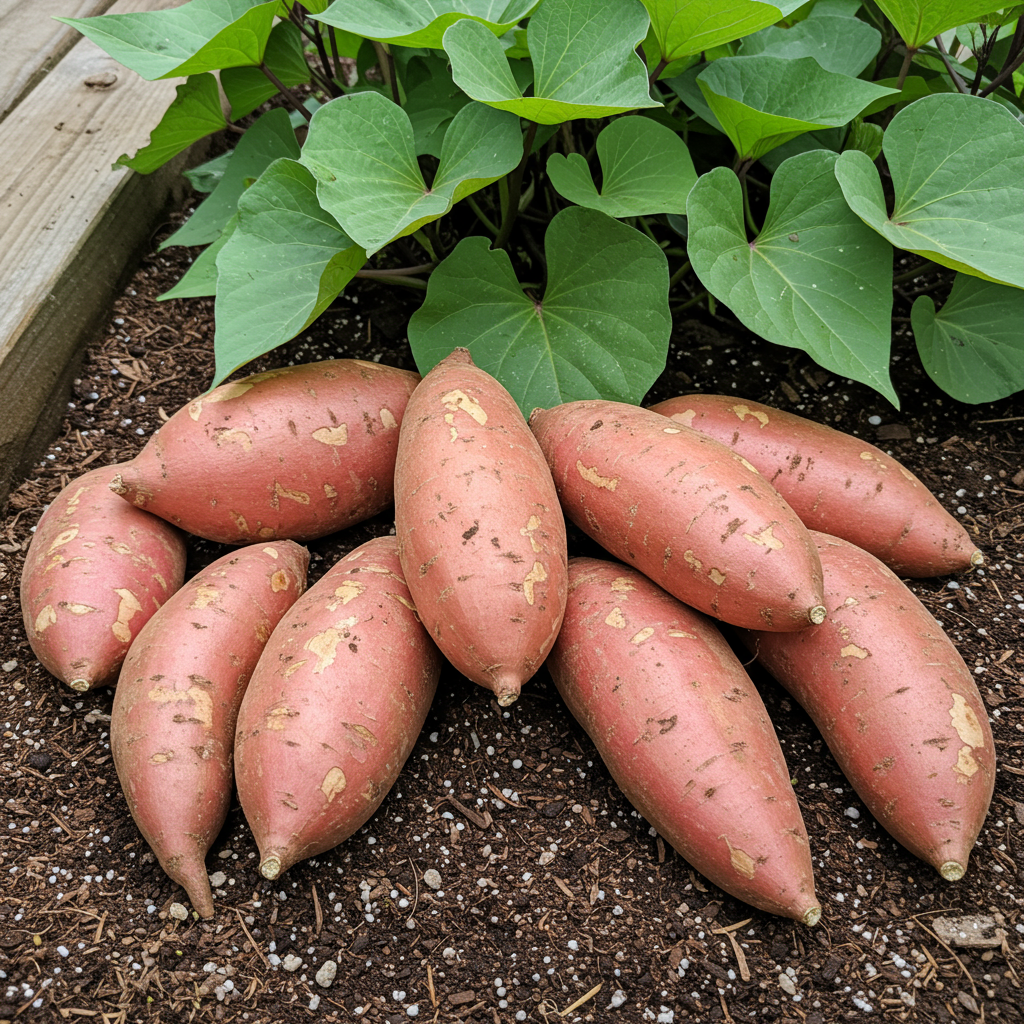
This comprehensive guide covers everything you need to know about growing sweet potatoes in Florida using containers, from choosing the right variety to harvesting your delicious homegrown spuds.
Thinking of enjoying fresh, homegrown sweet potatoes? In Florida’s unique climate, growing them in containers offers flexibility and control. This guide provides step-by-step instructions for successfully cultivating sweet potatoes in pots, even if you have limited space.

Choosing the Right Variety for Florida Containers
When selecting sweet potato slips or cuttings for container gardening in Florida, consider these factors:
- Heat Tolerance: Florida summers are hot and humid. Choose varieties known for thriving in warm weather, such as ‘Beauregard,’ ‘Centennial,’ ‘Georgia Jet,’ and ‘Porto Rico.’
- Maturity Days: Opt for varieties with shorter maturity days, especially if your growing season is limited. Early maturing varieties allow for quicker harvests.
- Container Suitability: While most sweet potato varieties can adapt to containers, bush varieties or those with more compact growth habits tend to perform better in pots.
Where to Source Sweet Potato Slips in Florida
- Local Nurseries: Check your local nurseries for sweet potato slips specifically suited for Florida’s climate. Supporting local businesses ensures you receive plants adapted to your region.
- Online Retailers: Reputable online retailers also sell sweet potato slips. Be sure to order from a trusted source and check shipping times and plant health guarantees.
- Growing from a Sweet Potato: You can sprout your own slips from a store-bought sweet potato. This is a fun and cost-effective method, but ensure the potato is organic and hasn’t been treated to prevent sprouting.
Preparing Your Container and Soil
Container Selection
- Size Matters: Choose a large container, at least 5 gallons, to give the roots ample space to develop. Larger containers also retain moisture better, crucial in Florida’s heat.
- Drainage is Key: Ensure the container has adequate drainage holes to prevent waterlogging. Sweet potatoes need consistently moist soil, but not soggy conditions.
- Material: Plastic, terracotta, or fabric grow bags all work well. Fabric grow bags are especially beneficial as they promote excellent aeration.
Potting Mix
- Well-Draining and Nutrient-Rich: Use a high-quality potting mix specifically designed for vegetables. Amend it with compost or well-rotted manure to enhance its nutrient content and drainage.
- Avoid Garden Soil: Garden soil tends to compact in containers, restricting drainage and root growth.
Planting and Caring for Your Sweet Potatoes
Planting Your Slips
- Timing is Everything: Plant sweet potato slips after the last frost and when the soil temperature is consistently above 65°F. In Florida, this typically falls between late spring and early summer.
- Planting Depth: Bury the slips about 4-6 inches deep, ensuring the majority of the stem is below the soil surface.
- Spacing: If planting multiple slips in one container, space them about 12-18 inches apart.
Watering and Fertilizing
- Consistent Moisture: Water regularly, keeping the soil consistently moist but not waterlogged. Water deeply when the top inch of soil feels dry.
- Fertilize Regularly: Feed your sweet potatoes every 4-6 weeks with a balanced, all-purpose fertilizer, following package instructions. A fertilizer high in potassium will promote strong root development and tuber growth.
- Consider Organic Options: For a more natural approach, use organic fertilizers such as compost tea or fish emulsion.
Providing Support and Sunlight
- Sunlight Requirements: Sweet potatoes thrive in full sun, requiring at least 6-8 hours of direct sunlight daily. Choose a sunny location for your containers.
- Supporting Vines: Sweet potato vines can sprawl. Provide trellises or other supports to keep them off the ground and prevent them from rooting into the surrounding soil.
Pests and Diseases
- Common Pests: Keep an eye out for pests like aphids, whiteflies, and spider mites. Treat infestations promptly with insecticidal soap or neem oil.
- Disease Prevention: Ensure proper drainage and air circulation to prevent fungal diseases. Avoid overhead watering, which can create humid conditions favorable for fungal growth.
Harvesting and Storing Your Sweet Potatoes
When to Harvest
- Maturity Time: Sweet potatoes are typically ready for harvest 100-140 days after planting, depending on the variety. Check the expected maturity time for your specific variety.
- Signs of Maturity: The leaves will begin to yellow and die back when the sweet potatoes are ready. You can also gently probe the soil to check the size of the tubers.
Harvesting Techniques
- Careful Digging: Carefully dig around the base of the plant to avoid damaging the tubers. Gently lift the plant and carefully remove the sweet potatoes.
- Curing Process: After harvesting, cure the sweet potatoes for 10-14 days in a warm, humid environment (around 80-85°F and 80-90% humidity). This process converts starches to sugars, improving flavor and storage life.
Storage Tips
- Proper Storage Conditions: Store cured sweet potatoes in a cool, dark, and well-ventilated place at 55-60°F. They can store for several months under these conditions.
FAQs about Growing Sweet Potatoes in Florida Containers
Q: Can I grow sweet potatoes in a small container?
A: While larger containers (5+ gallons) are recommended, you can grow sweet potatoes in smaller pots. Expect a smaller yield.
Q: What should I do if my sweet potato leaves are turning yellow?
A: Yellowing leaves can indicate overwatering, underwatering, or nutrient deficiencies. Check the soil moisture and adjust watering as needed. Consider fertilizing if the soil is dry. Sometimes, if the leaves are yellowing and the potato is at the end of its growing phase and is ready to harvest.
Q: How can I protect my sweet potatoes from pests?
A: Regularly inspect your plants for pests. Employ preventative measures like companion planting and beneficial insects. Treat infestations promptly with natural solutions like insecticidal soap or neem oil.
Q: Can I grow sweet potatoes from a store-bought potato?
A: Yes, you can sprout your slips from an organic, untreated sweet potato.
Q: What are the best sweet potato varieties for containers in Florida?
A: ‘Beauregard,’ ‘Centennial,’ ‘Georgia Jet,’ and ‘Porto Rico’ are good choices for their heat tolerance and relatively compact size.
Conclusion
Growing sweet potatoes in containers is a rewarding experience, especially in Florida’s climate. By following these guidelines, you can enjoy a bountiful harvest of delicious, home-grown sweet potatoes, even if you have limited space. Choose the right variety, provide proper care, and take preventative measures against pests and diseases. From planting to harvesting, enjoy the journey of cultivating your sweet potatoes and savoring the fruits (or rather, tubers) of your labor.