Review
Say goodbye to plant-watering guesswork with the QRRICA self-watering pot set! These stylish, durable planters make keeping your indoor and outdoor greenery thriving easier than ever.

Say goodbye to plant-watering guesswork with the QRRICA self-watering pot set! These stylish, durable planters make keeping your indoor and outdoor greenery thriving easier than ever.
Add a splash of modern elegance toany room with the LE TAUCI ceramic pots—sleek stripe design, sturdy ceramic, and built‑in drainage for happy plants. This set of three sizes is perfect for everything from tiny succulents to larger statement greens.
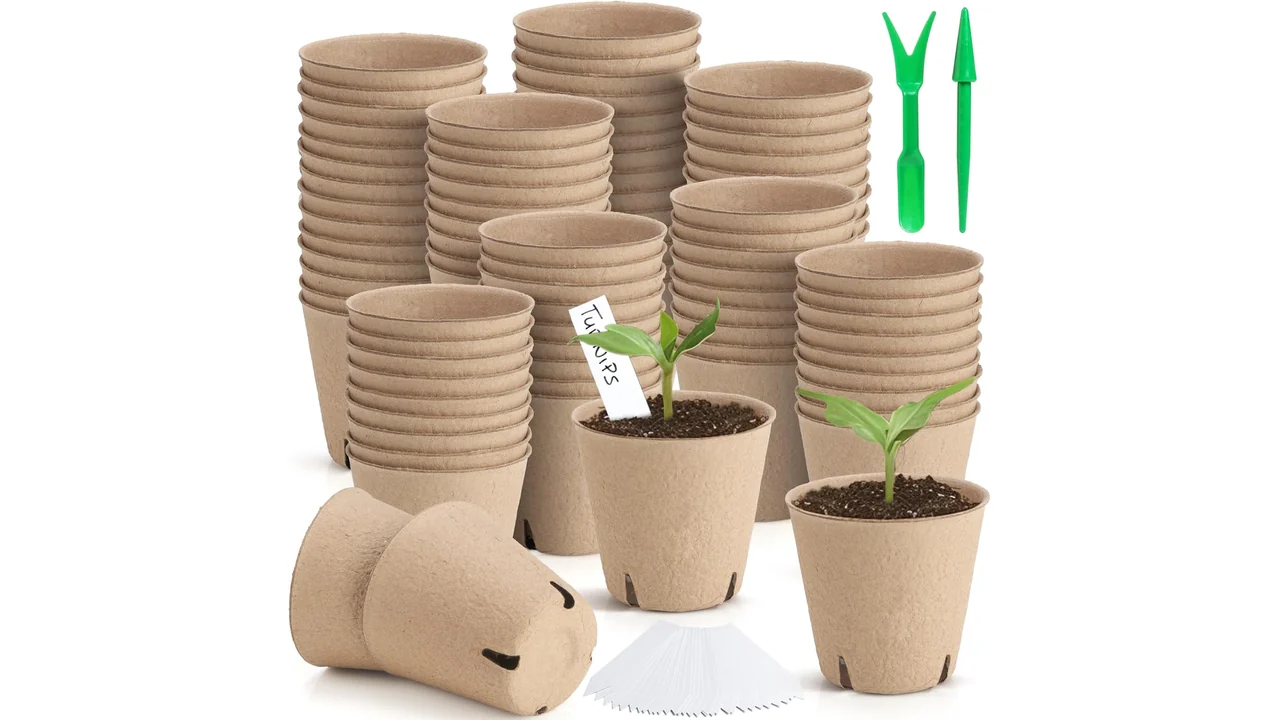
Ready to grow your green thumb? Discover the pros and cons of these 130 biodegradable peat pots that make seed starting a breeze, complete with drainage, labels, and transplant tools!
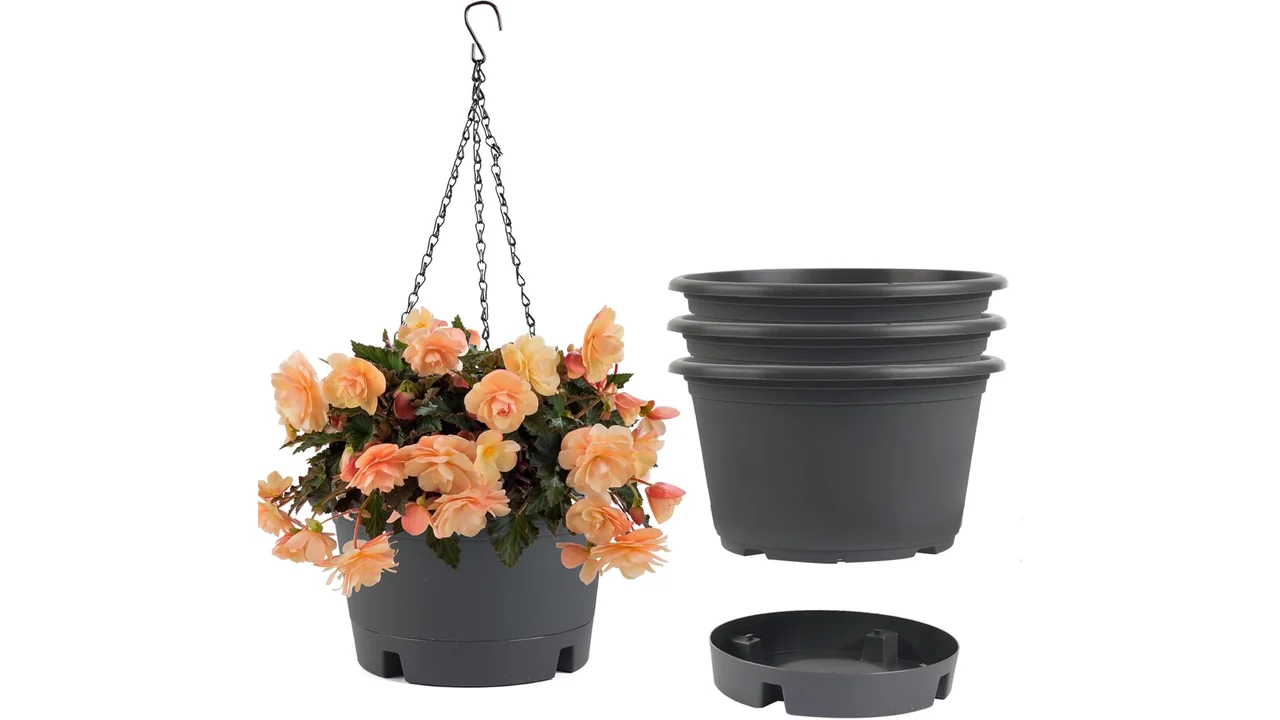
Transform yourspace with these chic 10-inch hanging planters—drainage holes, removable trays, and durable plastic make them perfect for patios, balconies, or indoors!
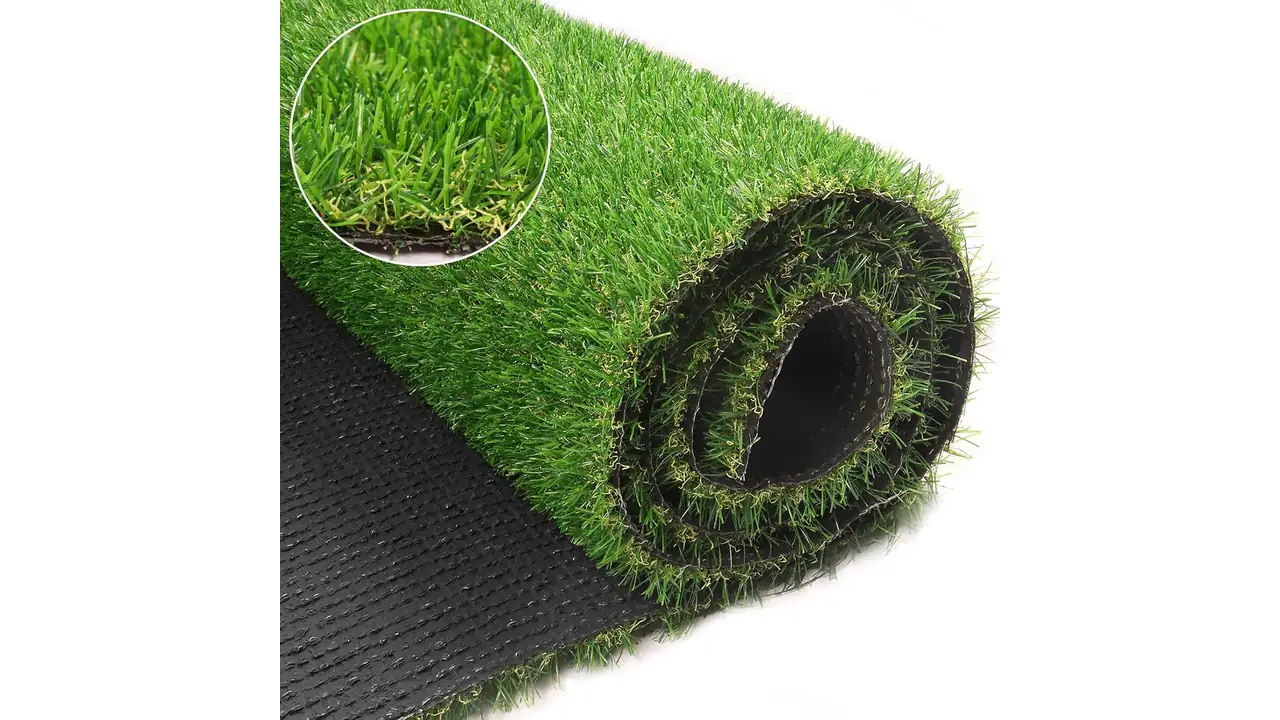
Tired of lawn care woes? Discover how the Petgrow Realistic Artificial Grass Turf can transform your space into a vibrant, maintenance-free oasis, perfect for you and your furry friends!
Tired of endless lawn chores but still crave a lush, green yard? Discover how this realistic artificial grass offers a beautiful, low-maintenance solution for any space, indoors or out!
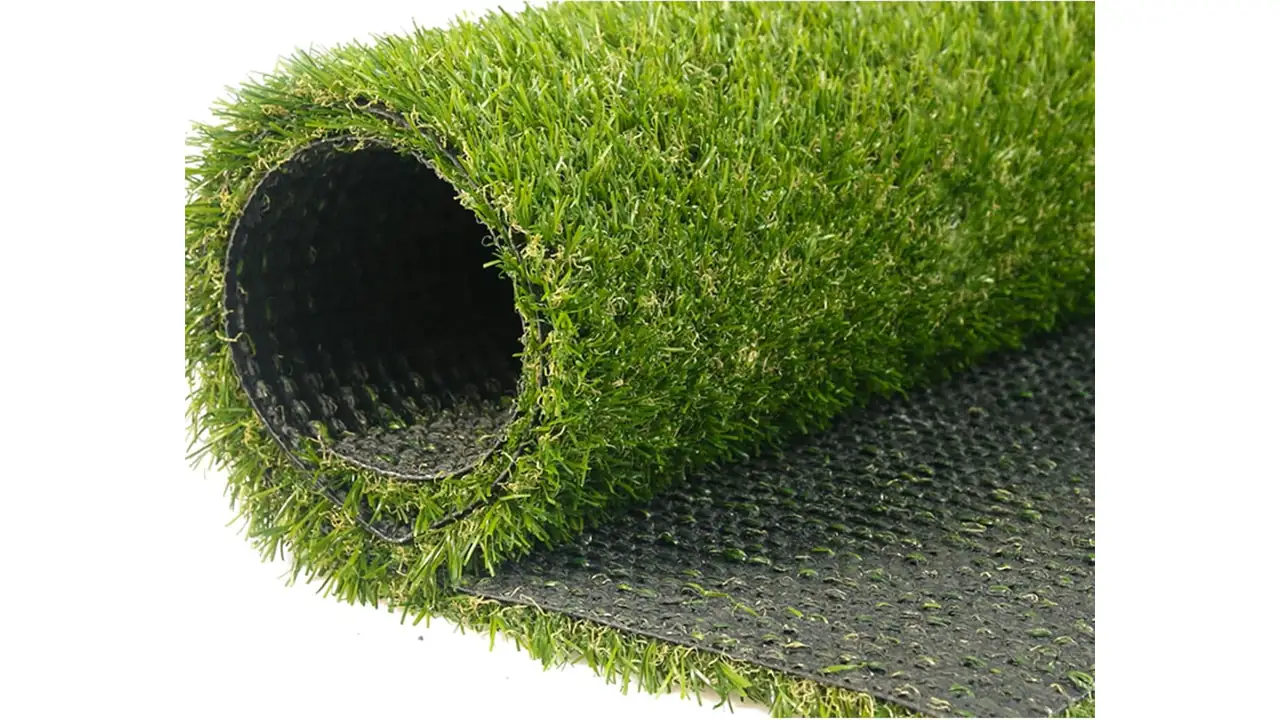
Tired of endless lawn care? Discover the Weidear Artificial Turf Grass, offering a consistently green, lush landscape with minimal effort year-round! This realistic, durable turf with excellent drainage is perfect for stunning, low-maintenance indoor and outdoor spaces.
A sitemap is a file that lists the URLs (web addresses) for all the important pages on your website. Think of it as a detailed map that helps search engines like Google discover and understand your site’s structure. Regular sitemap submission and crawling ensure search engines can efficiently find and index your latest content, playing a key role in search engine optimization (SEO) and improving your website’s visibility.
**Schema markup** is a form of microdata that helps search engines understand the content on a webpage more deeply. When you add **structured data** through schema, you’re essentially providing contextual clues about the information, like a **product review**, a recipe, or a business’s contact details. This helps search engines present more informative results to users, sometimes in the form of **rich snippets**, which can include stars for ratings or images. Implementing schema markup correctly improves how your content is interpreted, potentially enhancing visibility in search results.
A sitemap is a file that lists all the important pages on your website, helping search engine crawlers understand your site structure. Think of it as a detailed map for search engines, guiding them to discover and index your content more efficiently. This crucial tool aids in boosting your website’s visibility by ensuring all key pages are accessible to Google and other search engines. Using a sitemap is a best practice for any website aiming to improve its search engine optimization (SEO) and user experience.