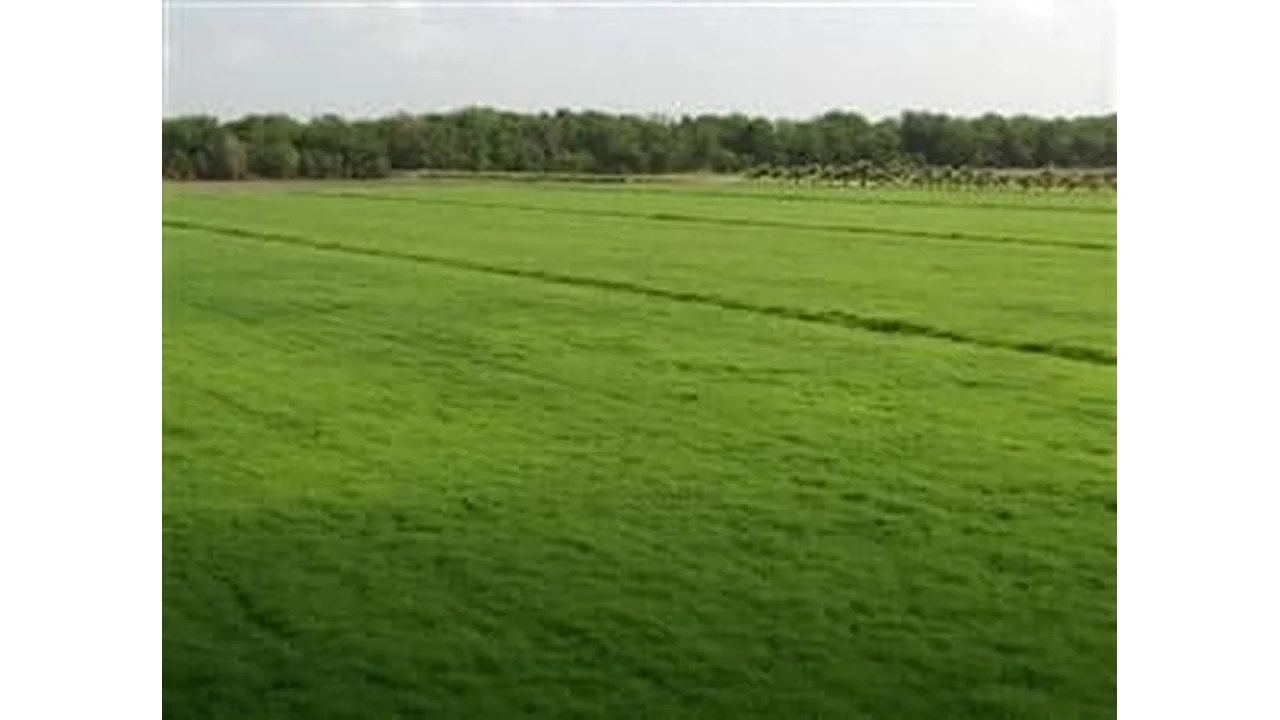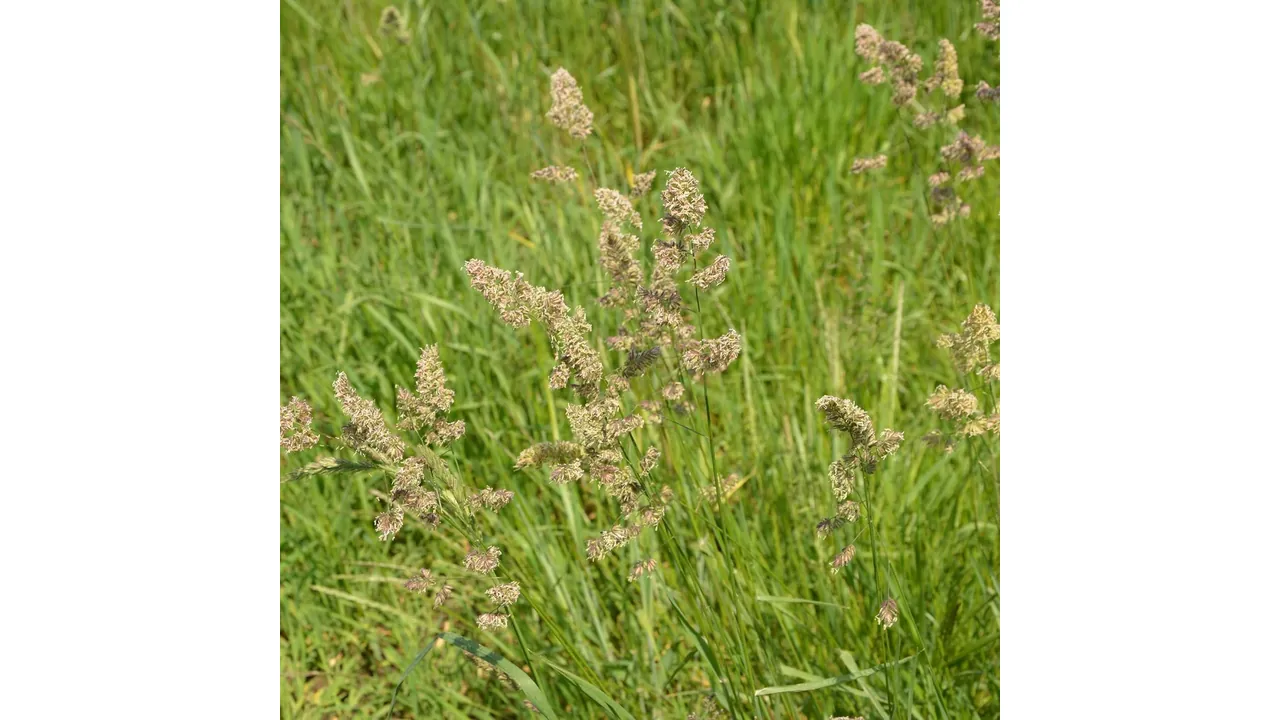
Imagine creating the perfect pasture or rejuvenating your lawn with Potamac Orchardgrass, a resilient and robust hero ready to thrive even in tough spots. This 20-pound bag of fresh, guaranteed seeds comes with easy instructions, making it a fantastic choice for both seasoned gardeners and newbies!
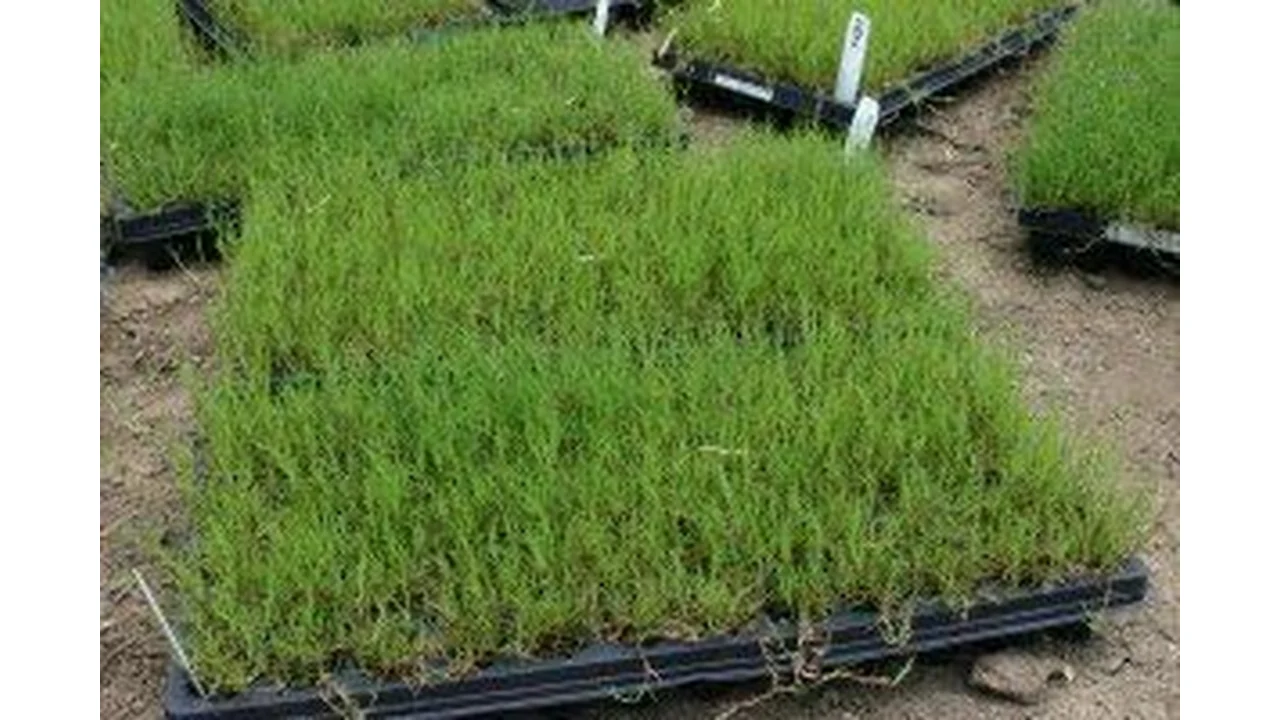
Tag: drought-tolerant grass
Tired of dog urine ruining your lawn? Discover Dog Tuff Grass Plugs, the ultimate solution for a lush, green yard that stands up to your furry friend’s playful antics and accidents!
Blockchain technology, a decentralized ledger system, electronically records cryptocurrency transactions across many computers, ensuring data security and transparency without a central authority.
A canonical tag is an HTML element that helps website owners prevent duplicate content issues by telling search engines like Google which version of a page is the preferred, or canonical, one. When multiple URLs contain identical or very similar content, the canonical tag specifies the authoritative source, ensuring search engines index the correct page and consolidate ranking signals, improving SEO.
Understanding the HTTP `Cache-Control` header is key to optimizing web performance. This header dictates caching policies for both browsers and intermediate caches, controlling how resources are stored and reused. Developers use `Cache-Control` to define a resource’s freshness, preventing stale content and reducing server load by serving cached versions. Effective use of `Cache-Control` headers can significantly improve website speed and user experience.
Web crawlers, sometimes called spiders or bots, are automated programs that systematically browse the internet. Their main purpose is to discover and index web pages, helping search engines like Google understand the content and structure of websites. When a crawler visits a page, it reads the content, follows links to other pages, and records information about the site. This data is then used to build the search engine’s massive index, which allows users to find relevant information quickly when they perform a search. In essence, web crawlers are the unseen navigators that map the vast landscape of the internet.
The **Internet of Things (IoT)** connects everyday physical objects to the internet, allowing them to collect and exchange **data**. These **smart devices**, from your **smart home** thermostats to industrial sensors, embed technology to communicate with each other and with central systems. This creates a network where **connected devices** can operate and share information autonomously, enabling new levels of automation and insight.
{topic} are a fundamental concept in {content_summary}. They represent a specific interaction or relationship, crucial for understanding how {keywords} function within a system. Essentially, they help define boundaries and responsibilities, leading to more organized and efficient processes. By clearly outlining these aspects, we can better analyze and optimize complex systems involving {keywords}.
A **digital-to-analog converter (DAC)** is an essential electronic component that transforms digital signals, which are discrete electrical codes, into analog signals, which are continuous electrical waveforms. This conversion is crucial because while computers and digital devices process information in digital form, many real-world applications, such as audio systems and control mechanisms, require analog inputs. Think of a DAC as a bridge, translating the language of computers into a language that speakers can understand, producing audible sound from digital music files. Understanding how a DAC works helps in appreciating the nuanced quality of sound reproduction in various digital audio devices.
A 301 redirect is a permanent redirection technique that automatically sends users and search engine bots from an old URL to a new URL. It tells browsers and search engines that a webpage has moved permanently to a different address. This is crucial for *SEO* because it ensures that any link equity or ranking signals associated with the old page are transferred to the new page. When you change a URL, implementing a *301 redirect* prevents broken links and helps maintain your website’s search engine visibility. It’s a fundamental aspect of *website migration* and *URL changes* to preserve search engine rankings and provide a seamless user experience.