An API, or Application Programming Interface, acts as a messenger, allowing different software applications to communicate with each other. It defines the methods and protocols for how software components should interact. Think of it like a menu in a restaurant: it specifies what you can order (the services offered) and how you should order it (the rules for making requests). REST APIs, or Representational State Transfer APIs, are a common and widely used architectural style for designing these web services, emphasizing stateless, client-server communication using standard HTTP methods like GET for retrieving data and POST for sending data. This structure makes web service integration efficient and scalable across various platforms.
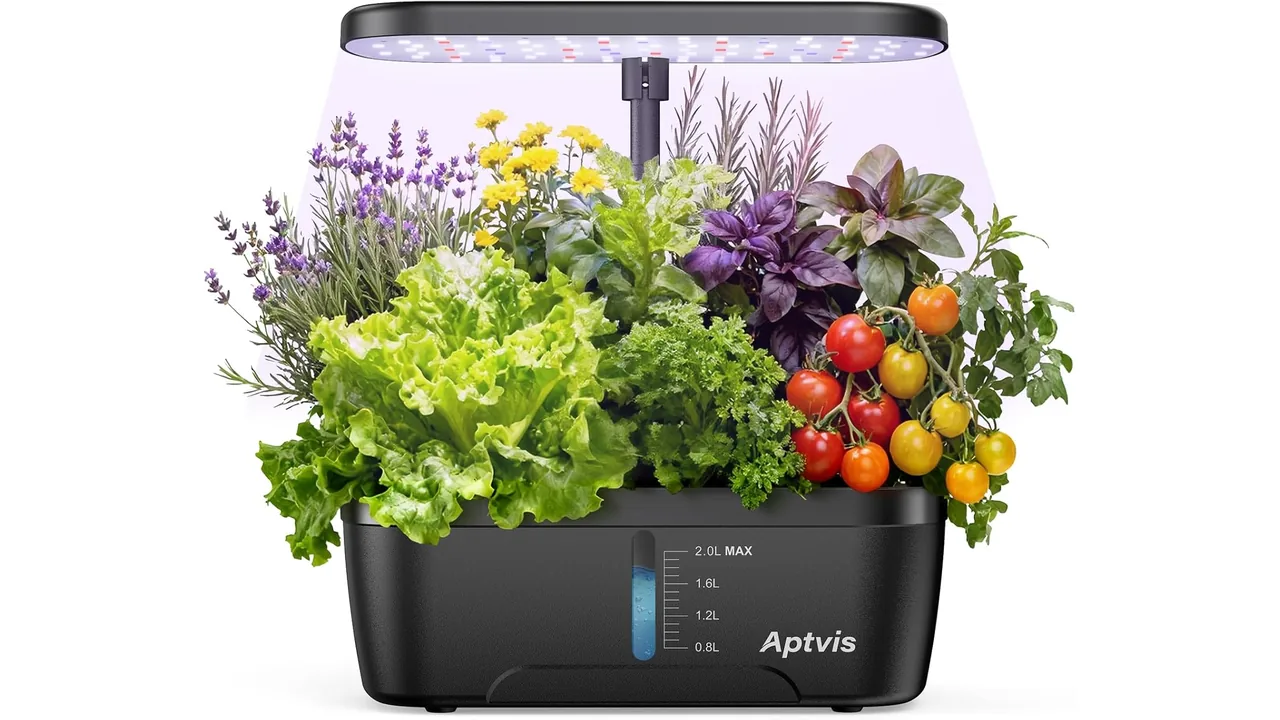
Tag: hydroponics
A virtual private network, or **VPN**, establishes a secure, encrypted connection over a public network like the internet. When you use a **VPN service**, your internet traffic is routed through a private server operated by the VPN provider, masking your original IP address and enhancing your **online privacy**. This process protects your **data security** by making it much harder for third parties to track your online activities, offering a safer way to **browse securely** and access content worldwide.
CORS, or Cross-Origin Resource Sharing, is a crucial security feature implemented by web browsers. It dictates how web pages in one origin (domain, protocol, and port) can request resources from a different origin. Without proper CORS configuration, browsers would block these cross-origin requests, preventing websites from accessing data hosted on different servers, which is essential for many modern web applications. Understanding CORS helps developers ensure secure and functional web experiences.
A canonical tag helps specify the primary version of a webpage when multiple URLs exist with similar or identical content, preventing duplicate content issues and guiding search engines.
Topic: Understanding HTTP Status Codes
Keywords: HTTP status code, web server, client, response, error codes, informational, success, redirection, client error, server error
Content Summary: HTTP status codes are three-digit numbers sent by a web server to a client (like your web browser) in response to a request. They indicate the outcome of the client’s request. These codes are categorized into five groups: informational (1xx), success (2xx), redirection (3xx), client error (4xx), and server error (5xx). For example, a 200 OK means the request was successful, while a 404 Not Found indicates the requested resource couldn’t be found.
A reverse mortgage is a specialized loan for homeowners aged 62 or older, allowing them to convert a portion of their home equity into cash. Unlike traditional mortgages, borrowers typically don’t make monthly payments; instead, the loan is repaid when the last borrower sells the home, moves out permanently, or passes away. This financial tool can provide financial flexibility by accessing home equity while retaining homeownership.
Understanding organic search results is crucial for anyone with an online presence. These unpaid listings appear naturally in search engine results pages (SERPs) when a search engine, like Google, determines a webpage is highly relevant and authoritative for a user’s query. Unlike paid ads, organic search rankings are earned through effective website optimization and high-quality content that meets the search engine’s algorithms. Improving your organic search visibility means more users can find your content without you paying for clicks.
Hormones are vital chemical messengers produced by the endocrine system. These specialized substances travel through the bloodstream to target specific organs and tissues. They regulate numerous essential bodily functions, including growth, metabolism, reproduction, and mood. Maintaining proper hormone balance is crucial for overall health and well-being. Imbalances can lead to various health issues.
A canonical tag, often written as `rel=canonical`, is an HTML element used to prevent duplicate content issues in search engine optimization (SEO). When multiple URLs serve the same or very similar content, search engines might struggle to decide which version to index and rank. The canonical tag tells search engines which URL is the preferred, or canonical, version of a page. This helps consolidate link signals and ensures that search engines focus on the most important page. It’s crucial for maintaining good website health and improving search engine performance by avoiding content duplication problems.
A backlink is a hyperlink from one website to another, signaling to search engines like Google that the linked content is valuable and trustworthy. These inbound links, sometimes called incoming links, are a crucial component of search engine optimization (SEO). High-quality backlinks improve your website’s domain authority and search engine ranking, making it more visible to users searching for relevant information. Building a strong backlink profile involves earning links from reputable, authoritative sites, which tells Google your content is a credible source of information.