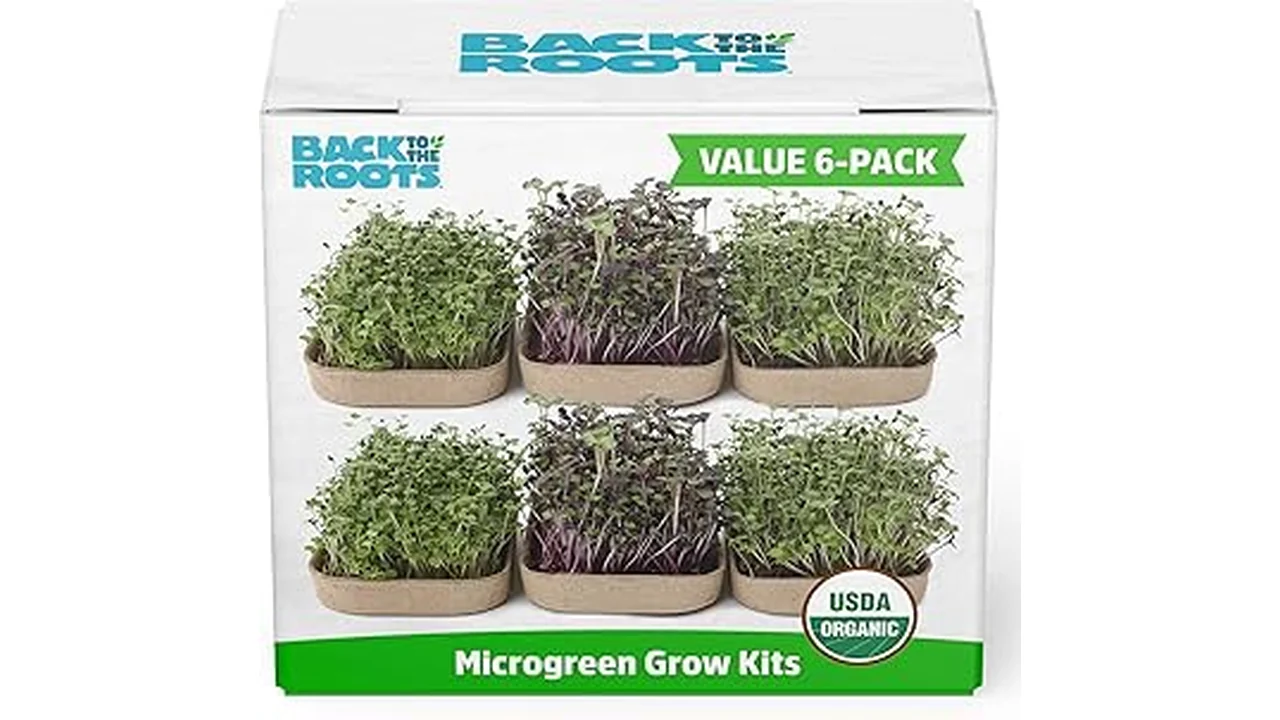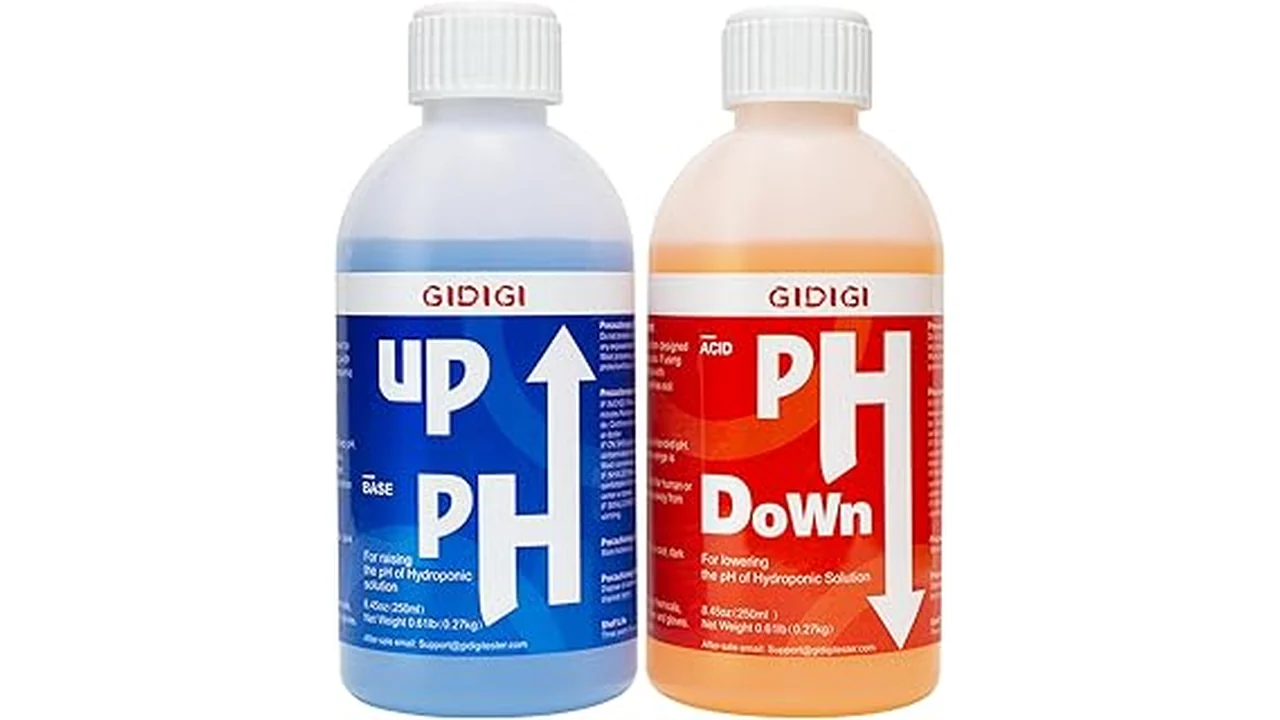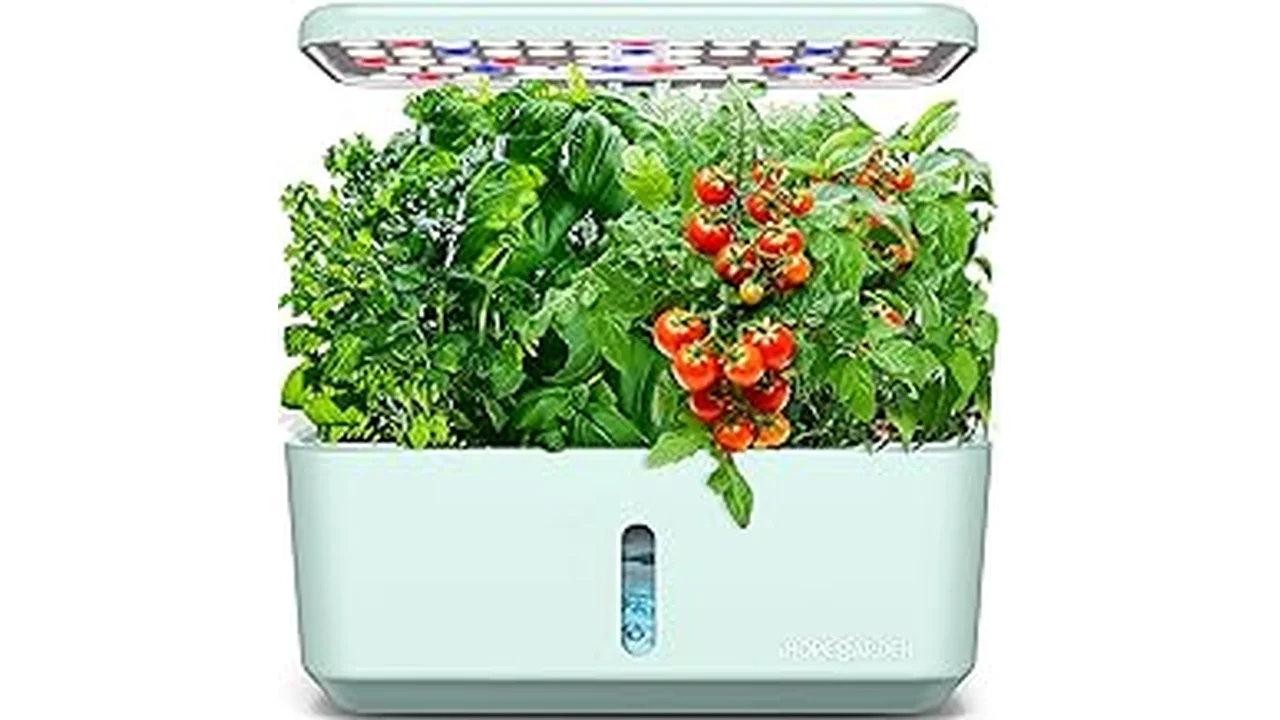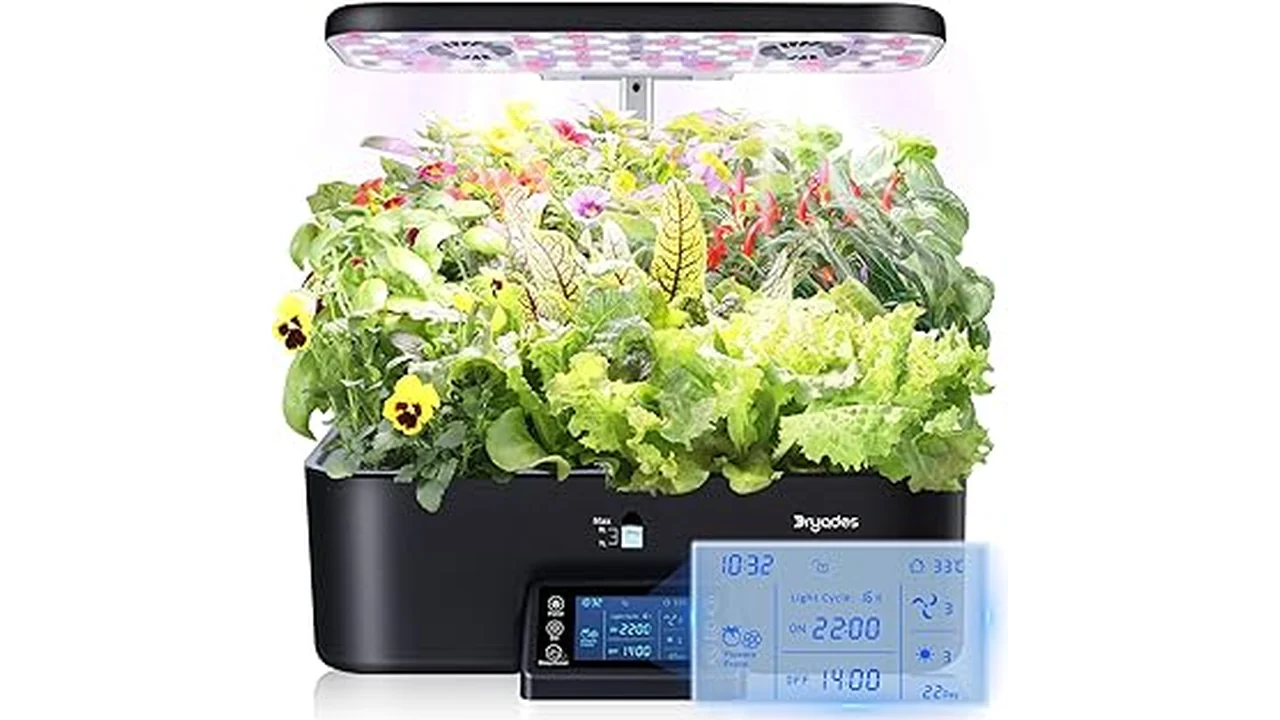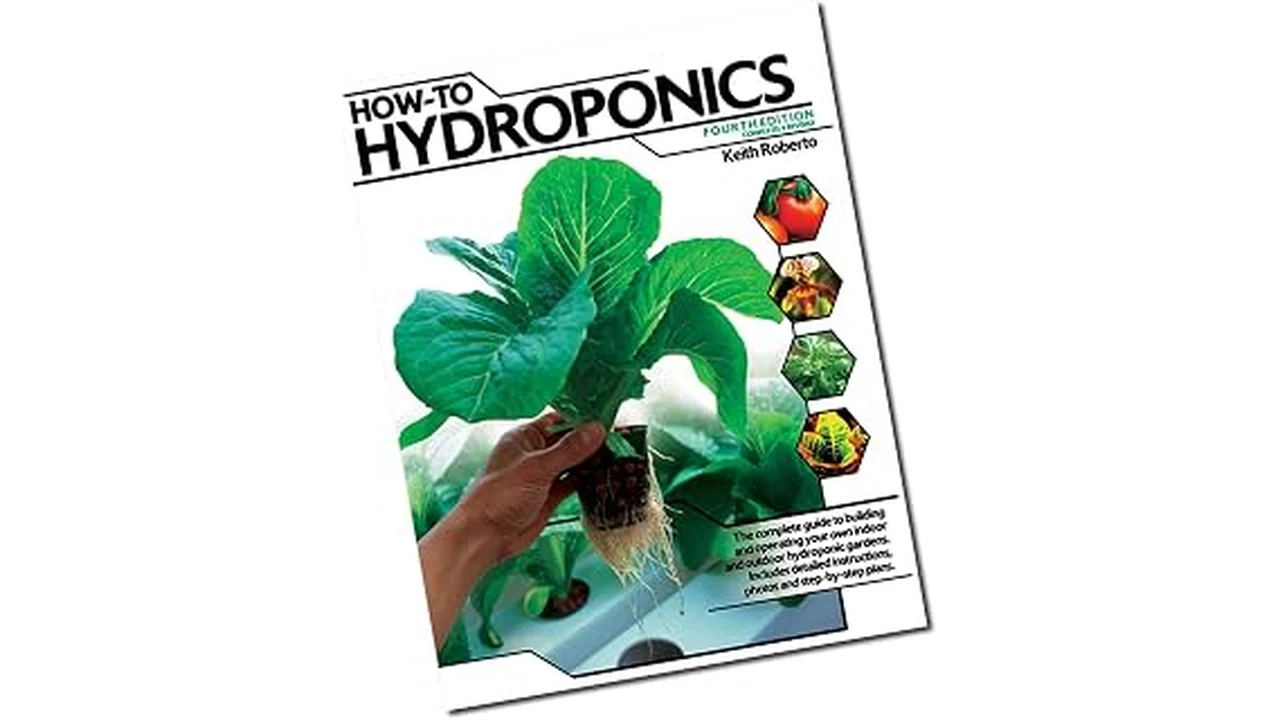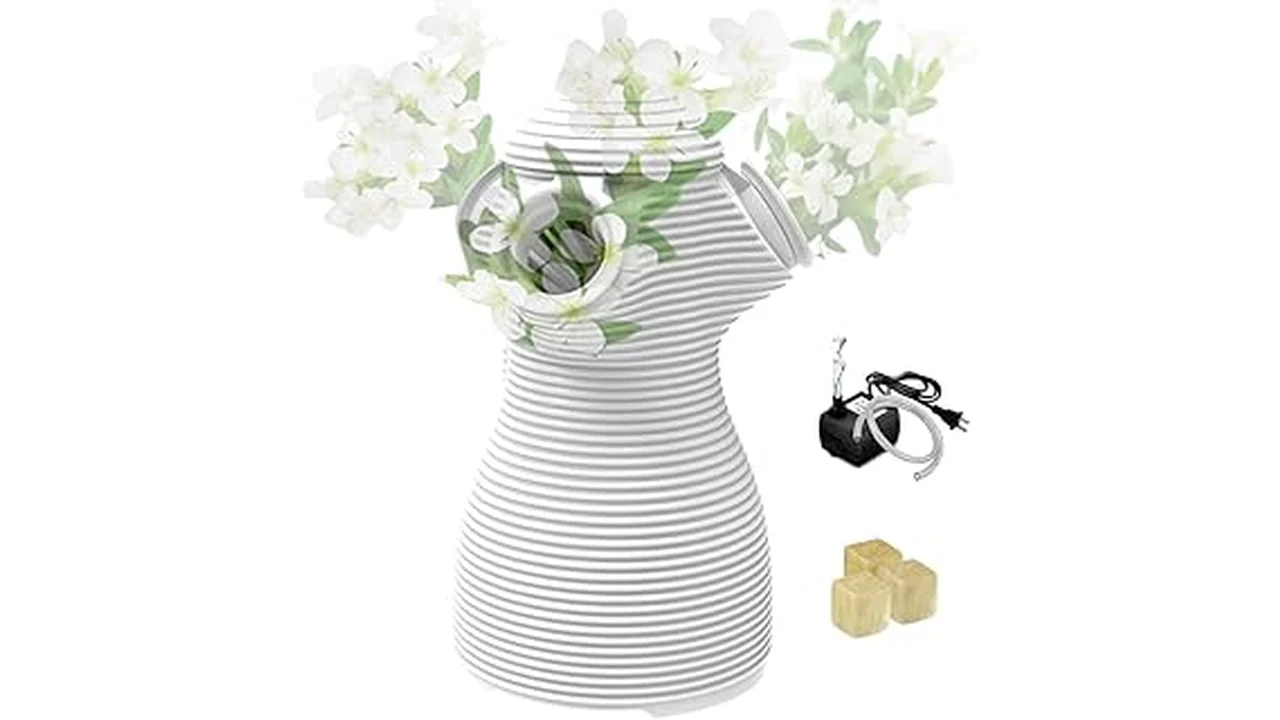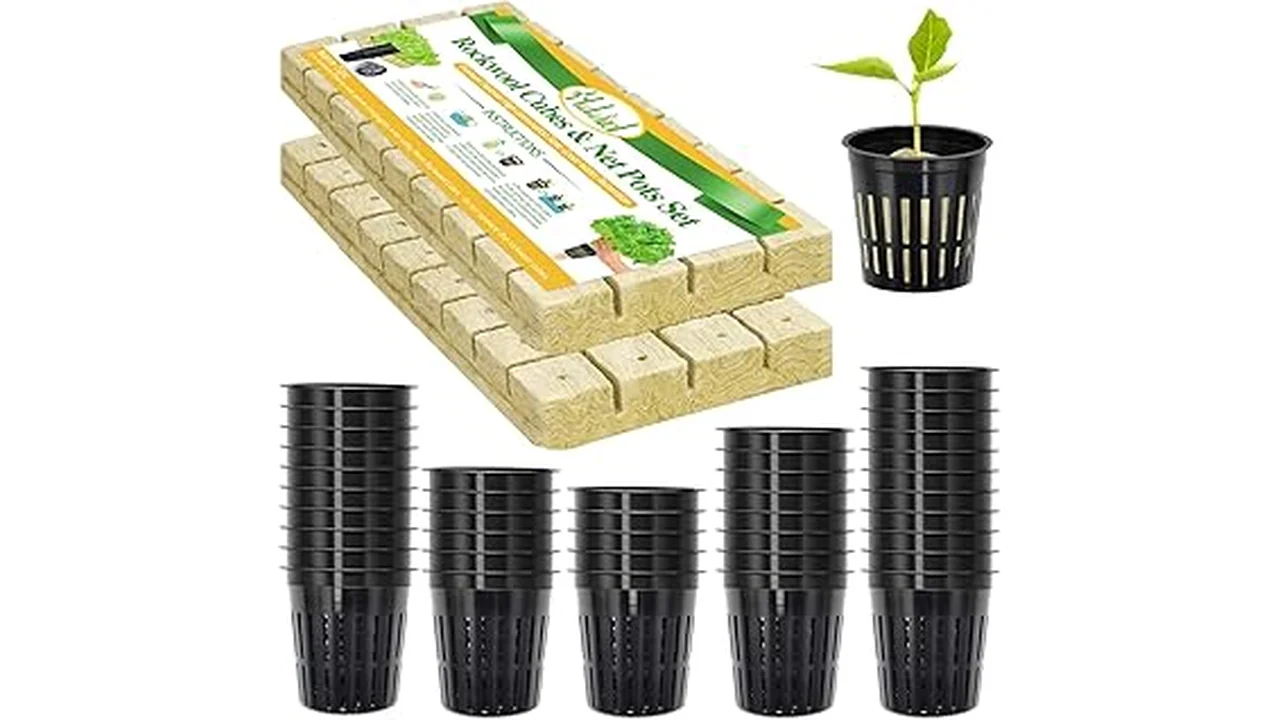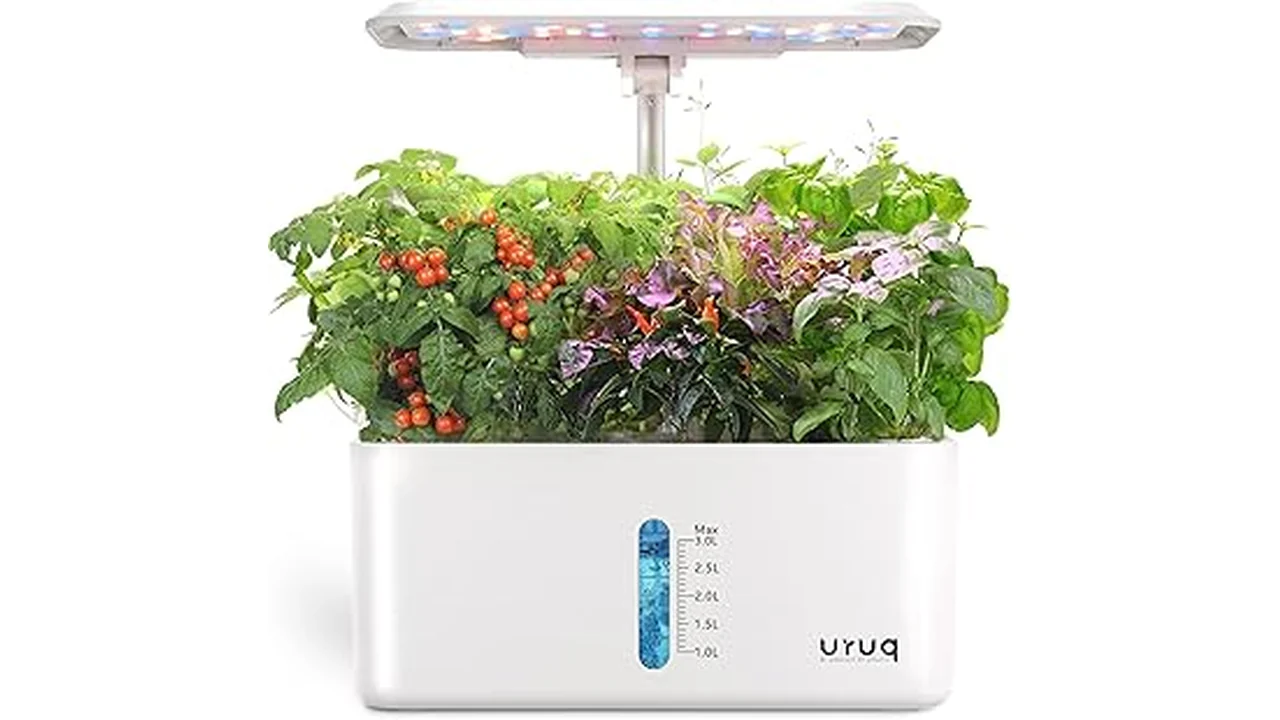
Ready to grow fresh, homegrown produce year-round even without a garden? This VIVOSUN Hydroponic Grow Kit makes it easy to enjoy abundant harvests with its user-friendly design and comprehensive features!
Tag: Leafy Greens
Tired of gardening limits? Discover how the VIVOSUN 108-site Hydroponics System lets you grow fresh, vibrant greens year-round with ease, perfect for any gardener!
A sitemap is a file where you provide information about the pages, videos, and other files on your site, and the relationships between them. Search engines like Google read this file to crawl your site more efficiently. It essentially acts as a roadmap to all the important content on your website, helping search engine crawlers discover and index your pages more effectively. For SEO, a well-structured sitemap is crucial for ensuring your site content is visible to search engines and, by extension, to potential visitors. There are two main types: XML sitemaps for search engines and HTML sitemaps for users.
Unleash your inner gardener and grow fresh, delicious greens indoors all year long with this fantastic non-GMO heirloom seed collection, perfect for hydroponic systems and beginners alike! Get ready to enjoy a continuous harvest of spinach, kale, lettuce, and more, no matter the season.
A sitemap is a file on your website that lists all the important pages. It tells search engines like Google about your site’s structure and content, helping them efficiently crawl and index your web pages. Think of it as a roadmap for search engine bots. There are two main types: XML sitemaps, which are designed for search engines, and HTML sitemaps, which help human visitors navigate your site. Having a well-structured sitemap is crucial for proper website indexing and ensuring all your valuable content is discoverable.
A canonical tag, often written as `rel=canonical`, is a vital HTML element used by SEOs to prevent duplicate content issues on websites. This tag tells search engines like Google which version of a page is the preferred or canonical version, consolidating ranking signals for similar pages. For example, if you have the same product listed under `/products/red-shirt` and `/clothing/t-shirts/red-shirt`, a canonical tag on the latter can point to the former, ensuring search engines understand `/products/red-shirt` is the primary page to index and rank. Implementing a canonical tag properly helps improve search engine optimization by avoiding penalties for duplicate content and focusing link equity onto the designated canonical URL.
As Florida’s heat fades, get ready to transform your garden into a fall paradise with our top picks for a bountiful and delicious harvest, from crisp broccoli to sweet carrots! Discover the secrets to growing thriving fall vegetables, even in your unique Florida climate.