Review
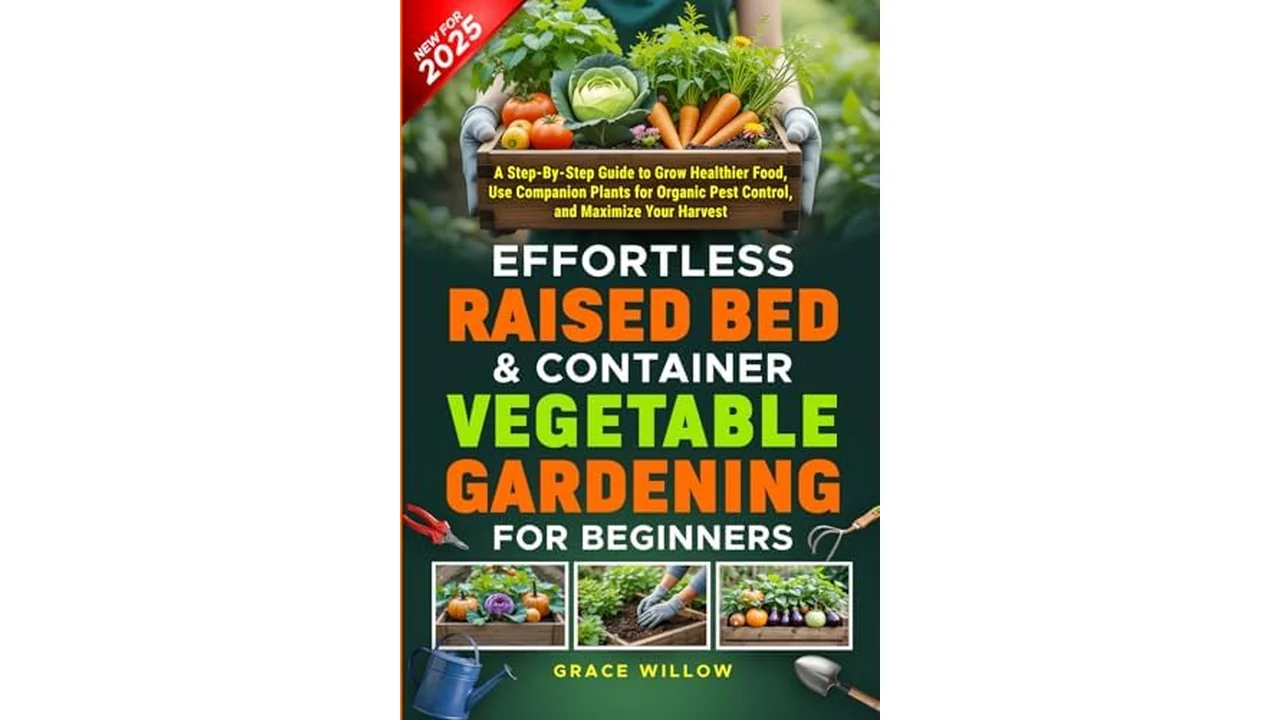
Ready to grow your own delicious veggies? This guide makes raised bed and container gardening simple, from healthy soil to maximizing your harvest and naturally keeping pests away.

Ready to grow your own delicious veggies? This guide makes raised bed and container gardening simple, from healthy soil to maximizing your harvest and naturally keeping pests away.
Keep your prized garden safe and sound! Discover how Feitore’s 7 x 100 ft deer and bird netting can protect your plants, fruits, and veggies from hungry critters with ease and efficiency.
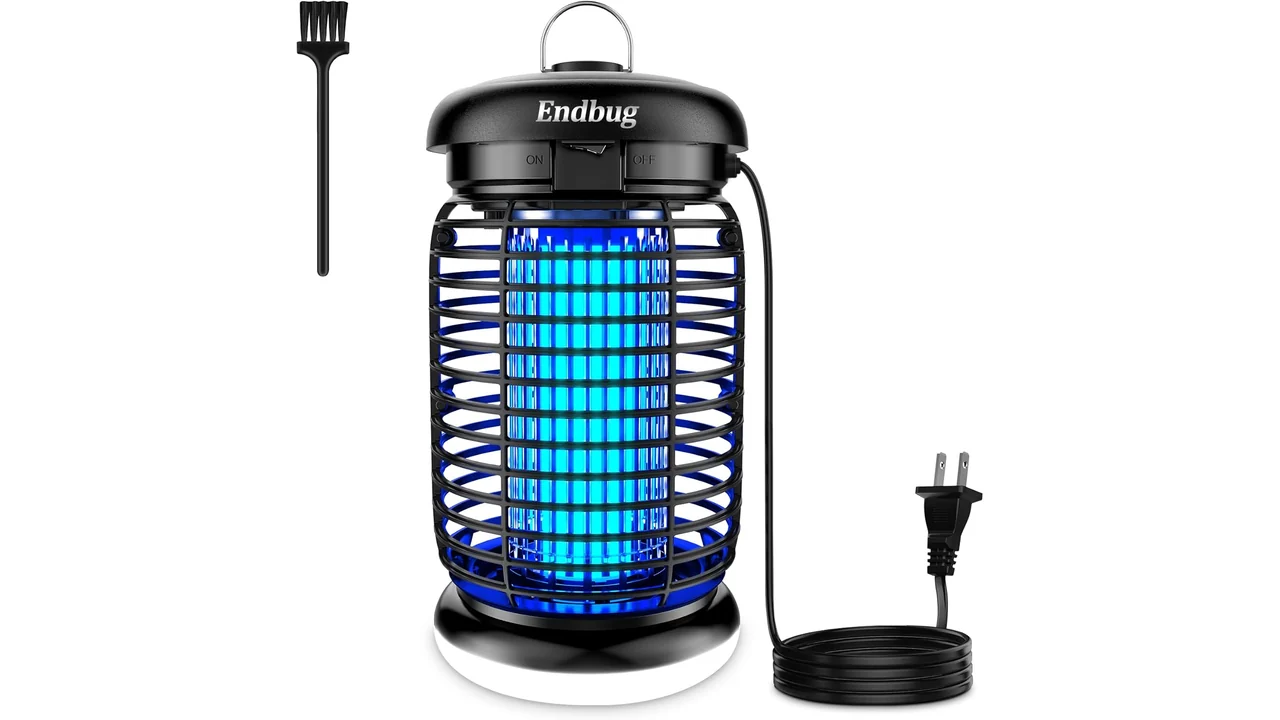
Wave goodbye to annoying mosquitoes and flies with the Endbug Bug Zapper! This waterproof, indoor/outdoor solution uses an LED light to attract and eliminate pests, giving you back your backyard barbecues and peaceful indoor spaces.
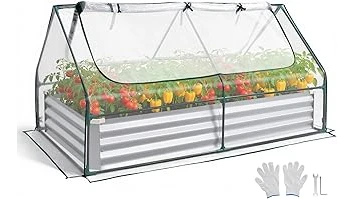
Discover the ultimate sanctuary for your plants with our top 5 raised garden beds with nets, expertly chosen to protect against pests and harsh weather while optimizing your gardening space. Find your perfect fit for thriving plants and a successful harvest!
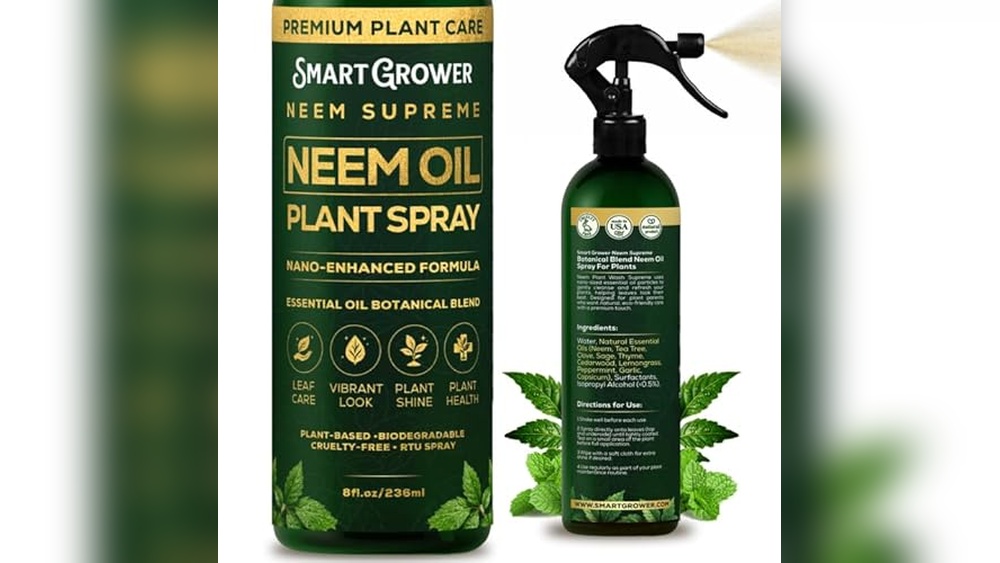
Tired of battling pests on your plants? Our ultimate guide helps you find the perfect insect killer, offering effective solutions to protect your green friends both indoors and out.
Cultivate a thriving garden with precision and ease! Discover the top sprayers for vegetable plants that guarantee lush, healthy produce every time.
Topic: Search Engine Optimization (SEO)
Keywords: SEO basics, how search engines work, organic search, website ranking, keywords, backlinks, technical SEO, content marketing
Content Summary: Explained in simple terms, SEO helps websites appear higher in search results.
Search Engine Optimization (SEO) is the process of improving a website’s visibility when people search for products or services related to your business on search engines like Google. Understanding SEO basics is crucial because it helps your website rank higher in organic search results, meaning more potential customers will find you. This involves several strategies that explain how search engines work. Key elements include using relevant keywords in your content, acquiring quality backlinks from other reputable websites, implementing technical SEO optimizations to ensure your site is easily crawlable, and creating valuable content marketing that genuinely helps users. By focusing on these principles, you can significantly improve your website ranking without needing paid advertising.
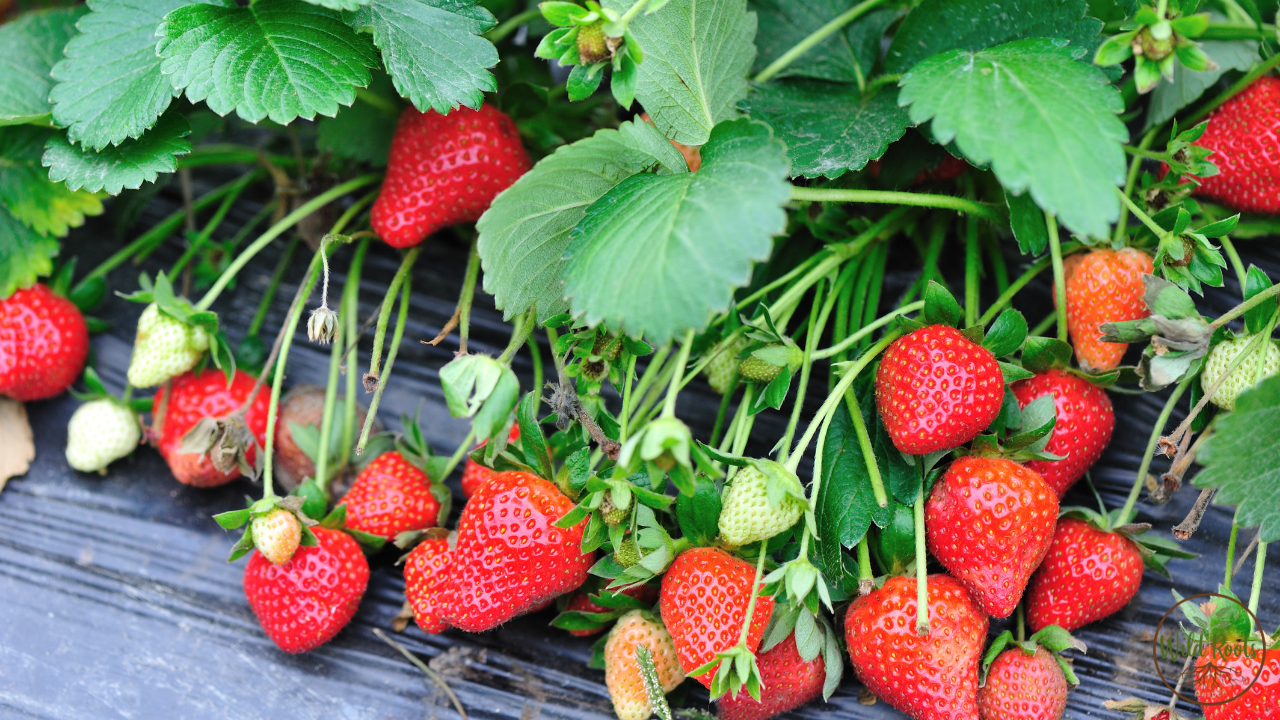
Unlock a thriving strawberry patch! Discover the perfect plant partners that boost your berries’ health and yield, turning garden guesswork into growing success.
Unlock your best tomato harvest yet by teaming them up with friendly plants! Discover which companions naturally repel pests and boost growth for a thriving, vibrant garden.
Say goodbye to frustrating pests for good! This guide helps you choose the perfect systemic insecticide to protect your houseplants easily and effectively.