Review
Grow fresh herbs and veggies year-round right on your countertop with the SUNCOZE Hydroponics System, your ticket to easy and efficient indoor gardening!

Grow fresh herbs and veggies year-round right on your countertop with the SUNCOZE Hydroponics System, your ticket to easy and efficient indoor gardening!
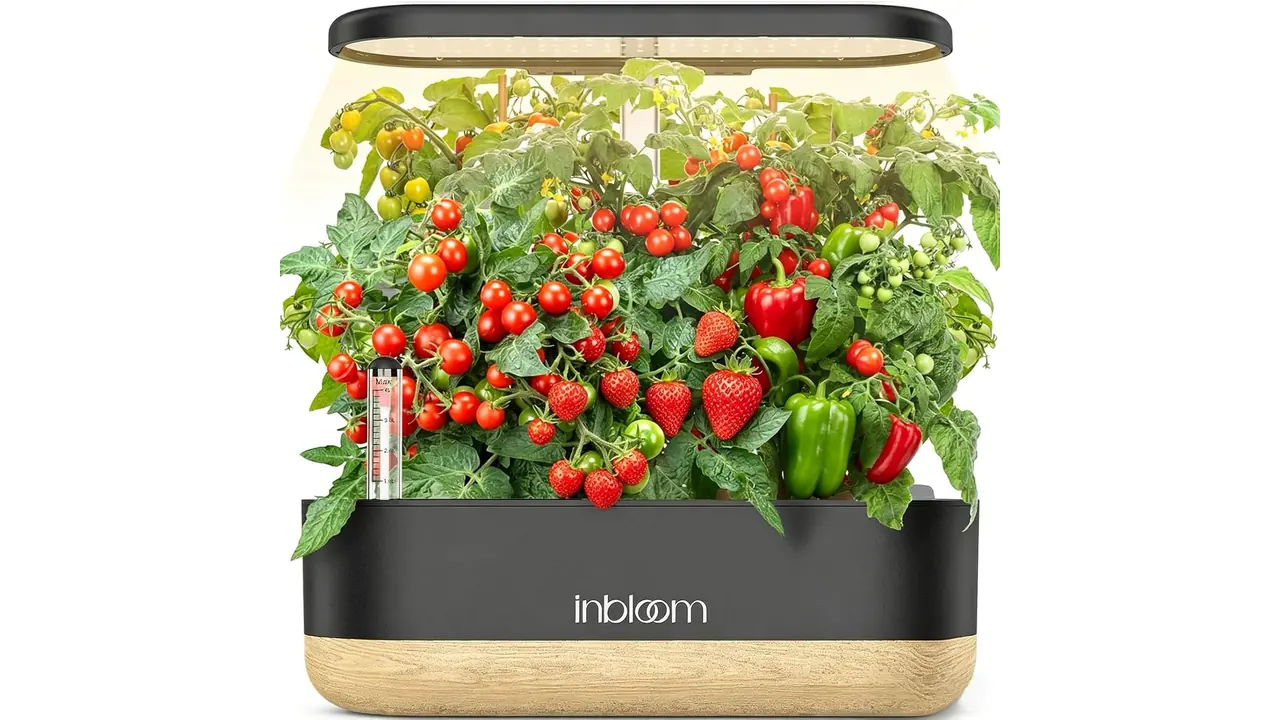
Want fresh herbs all year without the fuss? Discover if the inbloom Hydroponics Growing System is your secret to a thriving indoor garden, even without a green thumb!
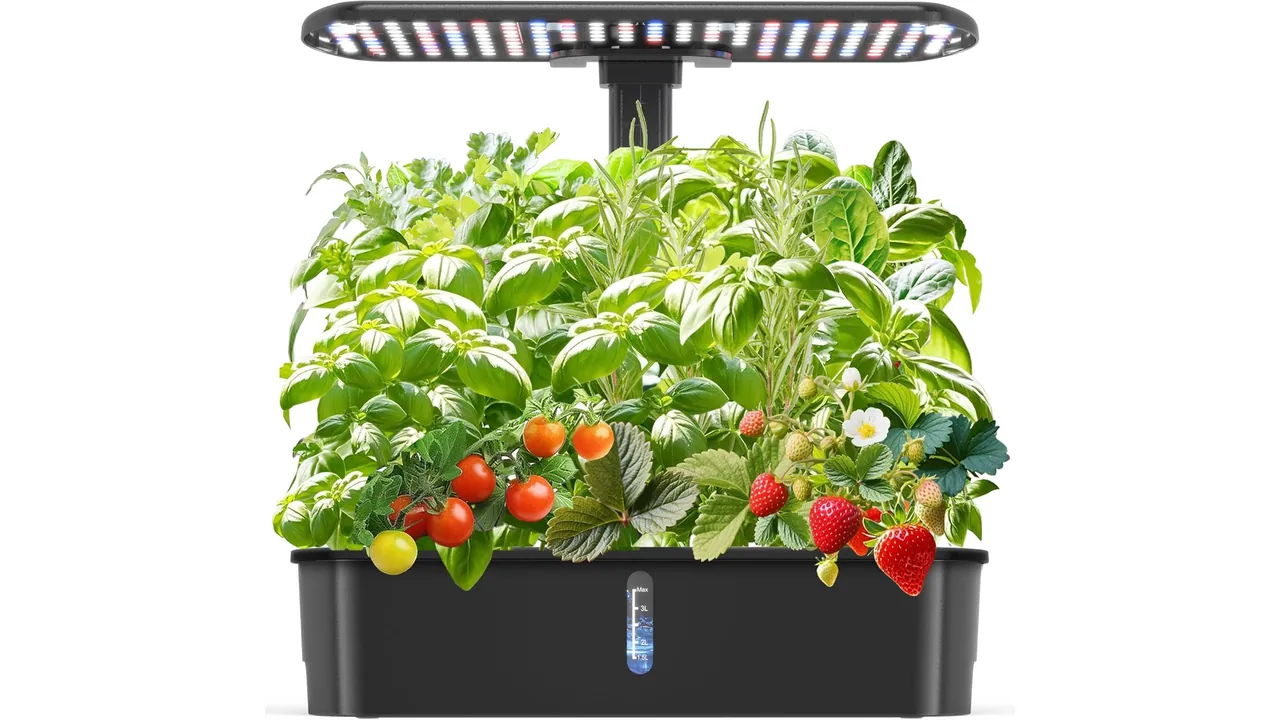
Discover the easiest way to grow fresh herbs indoors with the Clay Pebble Hydroponics Kit! This smart system features an adjustable LED light and easy water monitoring, making indoor gardening simple and fun for everyone.
Imagine fresh, vibrant produce flourishing indoors year-round with this 54-pod hydroponic system, bringing the joy of gardening right to your home. Say goodbye to wilting herbs and hello to a bountiful harvest, no matter the season!
Cultivate your dream indoor garden effortlessly with our Smart Hydroponics Growing System! Enjoy fresh herbs and veggies year-round, no green thumb required, thanks to its easy-to-use design and adjustable features.
Ready to grow fresh herbs and greens year-round without a garden? Our in-depth review of the Carpathen Hydroponic Tower reveals how this complete kit makes indoor gardening effortless and fun!
Grow fresh herbs and veggies right in your home with the SUNCOZE 20 Pods Hydroponics System – it’s super easy to use and perfect for any plant parent!
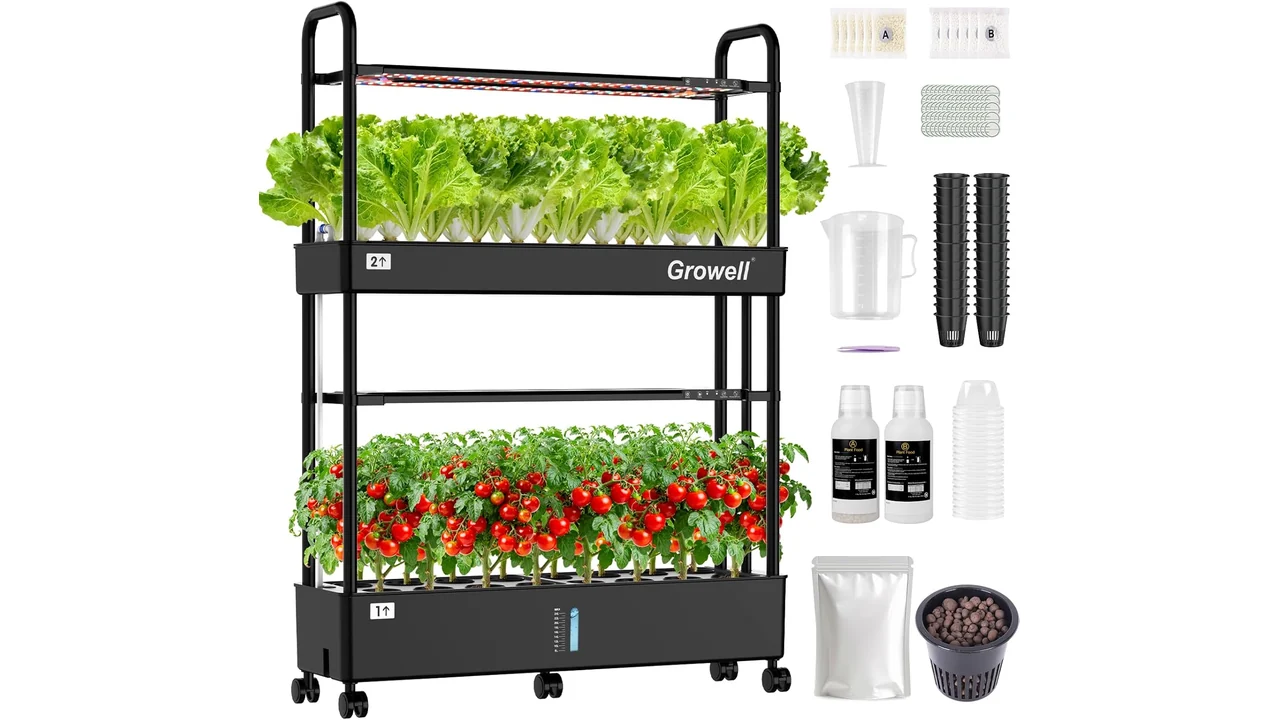
Cultivate your dream indoor garden with the Growell Large Basket Hydroponics System! This 32-pod vertical kit, complete with auto-circulating water and dual grow light modes, makes growing fresh herbs and veggies effortlessly rewarding.
Transform your home into a lush, edible paradise with this 90-pod hydroponics system, your ticket to enjoying fresh herbs, veggies, and fruits all year long! It’s super easy to use, even for beginners, thanks to smart lighting and an auto-circulating water system.
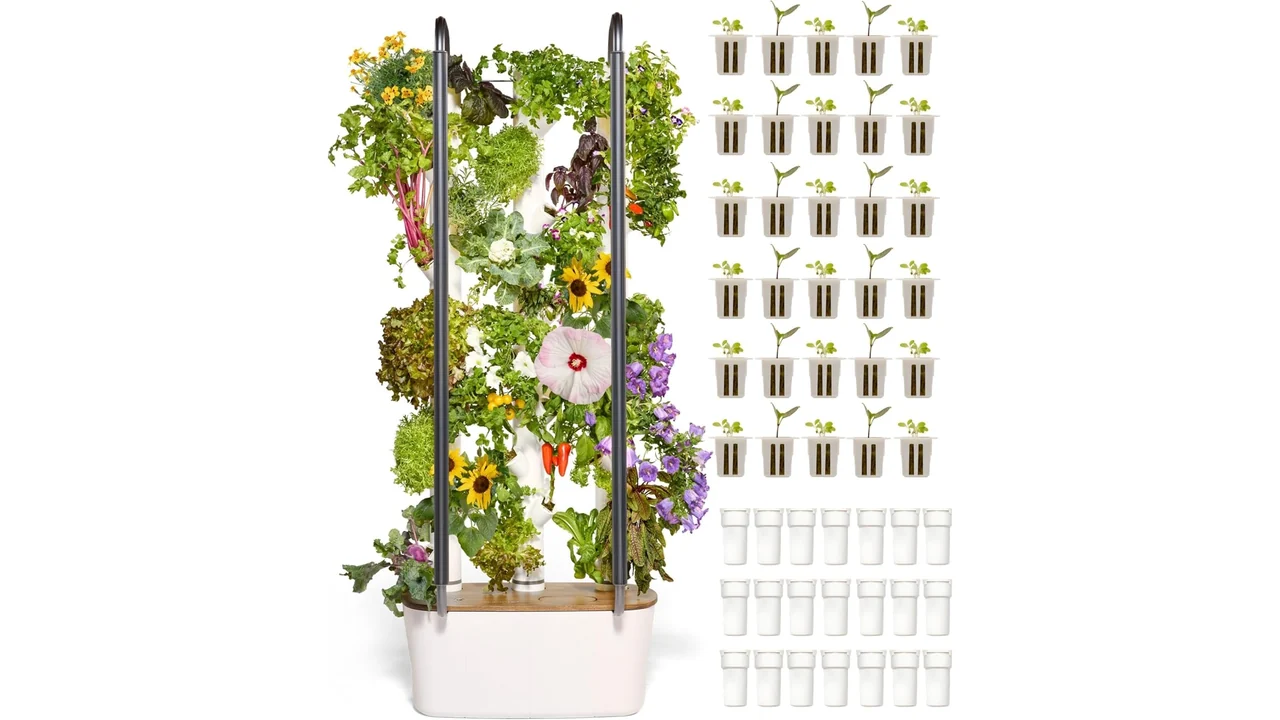
Experience the magic of harvesting fresh, organic produce right from your living room with our honest review of the Gardyn Home 4. Discover how this smart vertical garden makes growing 30 different plants effortless and high-yielding, regardless of your gardening experience or home size.