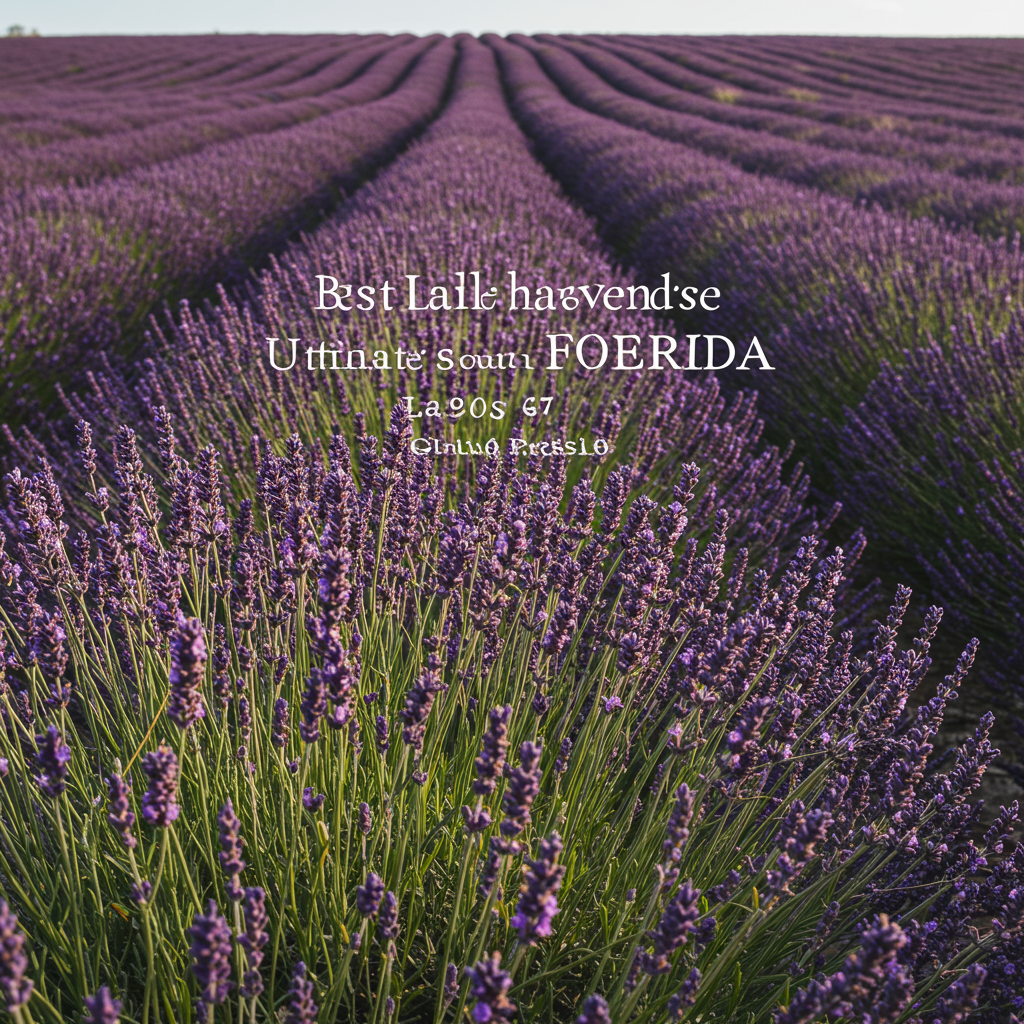
Welcome to the fragrant world of lavender in South Florida! While many consider lavender a plant for temperate climates, with the right knowledge and varieties, you can absolutely achieve stunning success in your South Florida garden. This guide provides all the essential tips, from choosing the best types to mastering their care, ensuring your lavender thrives despite the heat and humidity.

While the image of rolling lavender fields often conjures up visions of Provence or arid Mediterranean landscapes, the dream of growing a successful lavender plant in the humid, tropical climate of South Florida is not out of reach. It presents unique challenges, primarily due to intense heat, high humidity, and often alkaline, sandy soils. However, by selecting the right heat-tolerant varieties and implementing specific care strategies, you can enjoy the aromatic beauty and therapeutic benefits of lavender right in your own South Florida garden. This guide will walk you through everything you need to know to achieve ultimate lavender success.
Understanding the South Florida Lavender Challenge
Before diving into solutions, it’s crucial to understand why growing lavender in South Florida poses difficulties:
Humidity: High humidity can lead to fungal diseases like root rot and powdery mildew, which lavender, a lover of dry conditions, is very susceptible to.
Heat: Most lavender varieties prefer cooler, temperate climates. Intense South Florida heat, especially during summer, can stress the plants, leading to wilting, poor flowering, and even death.
Soil: Native South Florida soils often lack the excellent drainage lavender requires and can be more alkaline than ideal.
Rainfall: Frequent heavy rains, particularly during the wet season, exacerbate drainage issues and humidity.
Overcoming these hurdles involves thoughtful variety selection and meticulous care.
Top Lavender Varieties for South Florida Success
Not all lavenders are created equal, especially when it comes to heat and humidity tolerance. Here are some of the best varieties that have shown promising results in South Florida:
‘Goodwin Creek Grey’ Lavender (Lavandula x heterophylla)
This hybrid lavender is often lauded for its robust nature and tolerance to heat and humidity. It features beautiful silvery-grey foliage and produces deep purple flower spikes almost year-round in frost-free climates. Its larger size makes it a great choice for a fragrant hedge or substantial focal point.
‘Phenomenal’ Lavender (Lavandula x intermedia ‘Phenomenal’)
As its name suggests, ‘Phenomenal’ is a standout. It’s renowned for its exceptional cold and heat tolerance, as well as its resistance to common lavender diseases. With elegant purple blooms and intense fragrance, it’s a strong contender for South Florida gardens, offering a good balance of beauty and resilience.
French Lavender (Lavandula dentata)
Easily recognizable by its toothed leaves, French Lavender is more forgiving in humid conditions than its English counterparts. It can bloom for extended periods, even continuously in warm climates, offering a long season of enjoyment. Its fragrance is milder, but its hardiness makes it a reliable choice.
Spanish Lavender (Lavandula stoechas)
Distinguished by its unique “bunny ear” bracts atop the flower spikes, Spanish Lavender varieties are surprisingly heat-tolerant. While some may struggle with extreme humidity, certain cultivars can perform well, especially if given excellent drainage and air circulation. Look for specific cultivars bred for warmer climates.
Sweet Lavender (Lavandula x heterophylla)
Similar to ‘Goodwin Creek Grey’ (which is a variety of Sweet Lavender), this general classification includes several types that are more accommodating to warmer climates. They often have a strong, sweet fragrance and an extended blooming season.
Essential Tips for South Florida Lavender Care
Selecting the right variety is just the first step. Proper care, tailored to the unique South Florida environment, is critical for your lavender to thrive.
1. Choosing the Right Location
Full Sun: Lavender needs at least 6-8 hours of direct sunlight daily to flower profusely and stay healthy.
Excellent Air Circulation: This is paramount in humid South Florida. Plant lavender where it will receive good airflow to help dry foliage after rain or heavy dew, reducing the risk of fungal diseases. Avoid cramped spaces.
Elevation: Consider planting on a slight mound or in raised beds to enhance drainage.
2. Soil Preparation is Key
Drainage, Drainage, Drainage: This cannot be stressed enough. Lavender hates wet feet. Amend heavy clay soils with plenty of coarse sand, perlite, or small gravel to improve drainage.
pH Level: Lavender prefers slightly alkaline to neutral soil (pH 6.5-7.5). South Florida soils can sometimes lean alkaline, which is often suitable. If your soil is acidic, you may need to add lime to raise the pH. A soil test is highly recommended.
3. Watering Wisely
Establishment: Water regularly (daily or every other day) during the first few weeks after planting to help the plant establish its root system.
Mature Plants: Once established, lavender is drought-tolerant. In South Florida’s rainy season, you might rarely need to water. During dry spells, check the soil moisture. Water only when the top 2-3 inches of soil are dry to the touch. Water deeply but infrequently, and always at the base of the plant to keep foliage dry. Avoid overhead watering.
4. Pruning for Vigor and Longevity
Regular Trimming: Prune lightly after each flush of blooms to encourage new growth and more flowers.
Annual Hard Pruning: In late winter or early spring (before new growth begins), prune the plant back by about one-third, removing any dead or woody stems. This prevents the plant from becoming leggy and promotes a bushier, healthier form. Avoid cutting into old wood that has no green leaves, as it may not regrow.
5. Fertilizing (Less is More)
Lavender is not a heavy feeder. In fact, too much fertilizer, especially nitrogen, can lead to lush foliage but fewer flowers, and can make plants more susceptible to disease.
Minimal Fertilization: If your soil is amended well, you might not need to fertilize at all. If you do, use a balanced, slow-release granular fertilizer once in early spring, or a liquid fertilizer at half strength. Avoid high-nitrogen formulas.
6. Pest and Disease Management
Fungal Issues: Watch out for root rot and powdery mildew, especially during periods of high humidity. Ensure good air circulation and avoid overwatering. Neem oil can be used as a preventative or early treatment for some fungal issues.
Pests: Lavender is generally pest-resistant due to its strong scent. Occasionally, you might encounter aphids or whiteflies. A strong spray of water or insecticidal soap can typically manage these.
Beyond the Bloom: Uses for Your South Florida Lavender
Once your lavender in South Florida is thriving, you can enjoy its many benefits:
Aromatic Delight: Plant near patios, walkways, or windows where its soothing fragrance can be appreciated.
Culinary Uses: Use culinary lavender (often English lavender varieties, though some French and Spanish types can be used cautiously) in baking, teas, or to infuse oils and vinegars.
Crafts and Decor: Dry the flowers for sachets, potpourri, essential oil extraction, or beautiful floral arrangements.
Pollinator Magnet: Lavender flowers are a magnet for bees, butterflies, and other beneficial pollinators, boosting your garden’s ecosystem.
* Natural Pest Repellent: The strong scent can deter mosquitoes and other unwanted garden pests.
Frequently Asked Questions (FAQs) about Lavender in South Florida
Q1: Can lavender truly grow well in South Florida’s heat and humidity?
A1: Yes, with careful variety selection and specific care practices, lavender can successfully grow in South Florida. The key is choosing heat and humidity-tolerant varieties and providing excellent drainage and air circulation.
Q2: Which lavender varieties are best for South Florida?
A2: ‘Goodwin Creek Grey’, ‘Phenomenal’, French Lavender (Lavandula dentata), and some Spanish Lavender (Lavandula stoechas) cultivars are generally recommended due to their better tolerance for warm and humid conditions.
Q3: What kind of soil does lavender need in Florida?
A3: Lavender absolutely requires well-draining soil. Amend heavy soils with coarse sand, perlite, or gravel. Aim for a slightly alkaline to neutral pH (6.5-7.5). Raised beds are highly beneficial.
Q4: How often should I water lavender in South Florida?
A4: Once established, lavender is drought-tolerant. Water deeply but infrequently, only when the top 2-3 inches of soil are dry. During the rainy season, you might not need to water at all. Overwatering is a common killer.
Q5: When is the best time to plant lavender in South Florida?
A5: The cooler, drier months of late fall to early spring (October to March) are ideal for planting lavender in South Florida. This allows the plant to establish its root system before the intense summer heat and humidity arrive.
Q6: Do I need to fertilize lavender in South Florida?
A6: Lavender is not a heavy feeder. In fact, too much fertilizer can harm it. If your soil is enriched, you may not need to fertilize. If you do, use a balanced, slow-release fertilizer sparingly in early spring, avoiding high-nitrogen formulas.
Conclusion
Achieving ultimate lavender in South Florida success is a rewarding endeavor that brings beauty, fragrance, and a touch of Mediterranean charm to your tropical garden. While it demands attention to detail regarding variety selection, soil preparation, and watering, the effort is well worth it. By embracing the specific needs of these resilient lavender types and adapting your gardening practices to the South Florida climate, you can cultivate thriving, aromatic plants that defy expectations and delight the senses. So go ahead, embrace the challenge, and enjoy the blissful rewards of growing lavender under the South Florida sun!