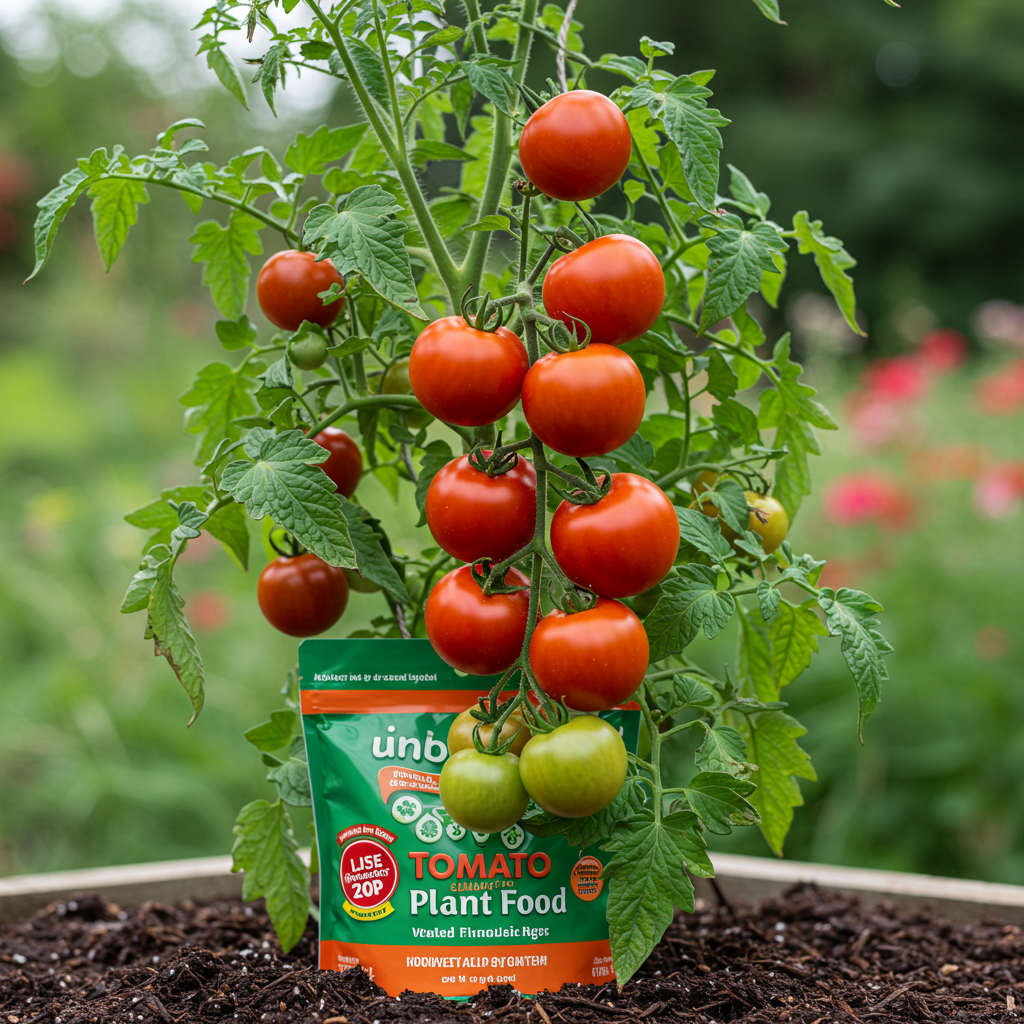
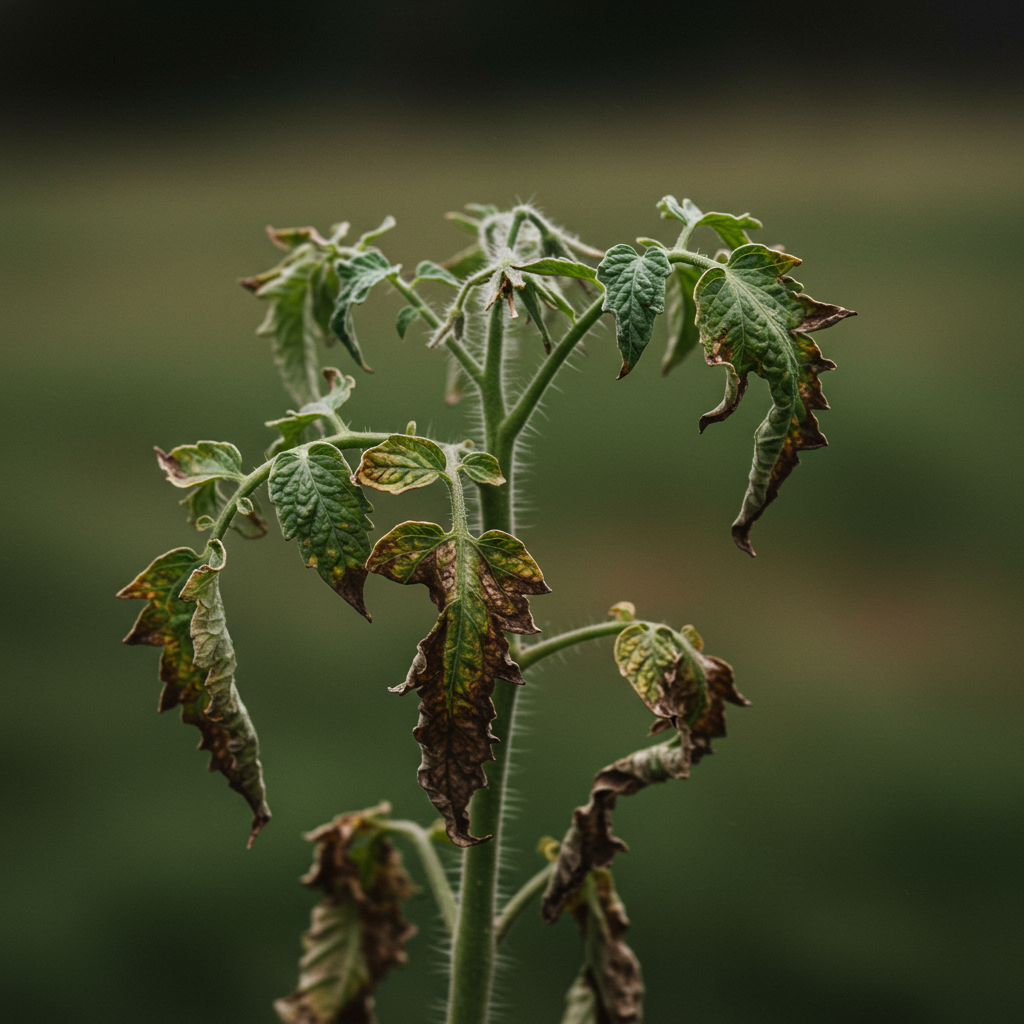
Growing tomatoes can be a rewarding yet challenging endeavor, especially for beginners. One common question is, “What plants work well with tomatoes?” Choosing the right companions can enhance growth, deter pests, and boost yield. With the right information, even beginners can excel.
In this guide, we’ll explore the 12 Plants to Intercrop With Tomatoes, providing you with simple steps to create a thriving garden. You’ll learn about each plant’s benefits and how they interact with tomatoes. Get ready to discover practical tips and real-life examples that will make your gardening journey smoother and more enjoyable.
The 10 Best Companion Plants for Tomatoes
Intercropping tomatoes with the right plants can significantly improve your garden’s health and productivity. Companion planting is a natural way to enhance growth and protect your tomatoes from pests and diseases. In this section, we’ll discuss ten fantastic plants that can be grown alongside tomatoes to maximize their growth potential.
These plants can attract beneficial insects, deter pests, and even improve the soil’s fertility. By learning about these companions, you’ll be able to create a balanced and thriving garden environment that supports healthy tomato plants. Let’s explore these beneficial partnerships and how they can make your gardening experience more rewarding.
1. Basil
Basil is a popular herb that pairs well with tomatoes in both the garden and the kitchen. This aromatic plant can deter pests like aphids, whiteflies, and tomato hornworms, which are common threats to tomatoes. Basil’s strong fragrance confuses these pests, reducing the likelihood of infestations.

Additionally, basil attracts pollinators, enhancing the pollination of nearby plants.
For instance, a study showed that intercropping basil with tomatoes increased the latter’s yield by 20%. This boost is attributed to the herb’s ability to attract pollinators while repelling harmful insects. Basil is easy to grow, making it an excellent choice for beginners.
Simply plant basil around your tomato plants, ensuring they receive similar sunlight and water conditions.
- Plant basil 12-18 inches apart from tomatoes to allow airflow.
- Water regularly, keeping soil moist but not waterlogged.
- Prune basil regularly to encourage bushy growth and prevent flowering.
These simple steps will help you harness the benefits of basil-tomato companionship, resulting in healthier plants and a more abundant harvest.
2. Marigolds
Marigolds are well-known for their pest-repelling properties, making them a favorite companion for tomatoes. These vibrant flowers produce a chemical called alpha-terthienyl, which deters nematodes—microscopic worms that can damage tomato roots. Marigolds also attract predatory insects that feed on common tomato pests.

In a real-life example, a gardener planted marigolds alongside tomatoes and observed a significant reduction in nematode damage. The tomatoes thrived, with fewer pest-related issues. This demonstrates the protective power of marigolds in a tomato garden.
- Plant marigolds between tomato plants to maximize pest deterrence.
- Choose French marigolds for the best nematode control.
- Ensure marigolds receive full sunlight for optimal growth.
Adding marigolds to your tomato patch can create a vibrant and pest-resistant garden, ensuring your tomatoes flourish.
3. Garlic
Garlic is a natural pest repellent that can protect tomatoes from various insects and diseases. Its strong aroma deters spider mites and aphids while also preventing fungal infections like blight. Garlic’s antibacterial properties can promote overall plant health, making it a valuable companion for tomatoes.

An example of garlic’s effectiveness is a gardener who noticed a decrease in aphid infestations after planting garlic alongside tomatoes. The combination of garlic’s pest-repelling properties and tomatoes’ natural defenses resulted in healthier plants with fewer issues.
- Plant garlic cloves around tomato plants, 4-6 inches apart.
- Water sparingly, as garlic prefers well-drained soil.
- Harvest garlic when the leaves turn yellow for best results.
This partnership can help you maintain a healthy tomato garden, free from common pests and diseases.
4. Carrots
Carrots are excellent companions for tomatoes, as they help improve soil structure. Their taproots loosen the soil, promoting better water and nutrient absorption for tomato plants. This partnership can lead to healthier and more robust tomato growth.

For example, a study found that intercropping carrots and tomatoes improved soil aeration, increasing tomato yield by 15%. This demonstrates the mutual benefits of planting these two crops together.
- Sow carrot seeds 2-3 inches apart from tomatoes.
- Thin carrot seedlings to prevent overcrowding.
- Water consistently, keeping soil evenly moist.
By pairing carrots with tomatoes, you can enhance your garden’s soil quality and support thriving tomato plants.
5. Lettuce
Lettuce is a cool-season crop that thrives in the shade provided by taller tomato plants. This partnership benefits both plants, as lettuce helps suppress weeds and retain soil moisture, while tomatoes provide the necessary shade for lettuce to grow.

In a case study, gardeners observed that intercropping lettuce with tomatoes resulted in a 10% increase in lettuce yield. The tomatoes’ shade protected lettuce from heat stress, allowing it to grow more efficiently.
- Plant lettuce seedlings between tomato rows.
- Water regularly to ensure consistent soil moisture.
- Harvest lettuce leaves as needed to encourage continuous growth.
This combination can create a balanced garden environment, promoting healthy growth for both lettuce and tomatoes.
6. Nasturtiums
Nasturtiums are vibrant flowers that attract beneficial insects and deter pests like aphids and whiteflies. These flowers also act as a trap crop, drawing pests away from tomato plants, thereby protecting them from damage.

A gardener reported that planting nasturtiums alongside tomatoes reduced pest infestations by 30%. The flowers’ attractive nature lured pests away from the tomatoes, ensuring their health and productivity.
- Sow nasturtium seeds around the perimeter of your tomato garden.
- Choose a sunny spot for optimal growth.
- Water regularly but avoid overwatering.
This partnership can enhance your garden’s pest management, keeping your tomatoes safe and healthy.
7. Borage
Borage is an herb that improves soil health and attracts pollinators. Its blue flowers are particularly attractive to bees, which can enhance the pollination of nearby tomato plants. Borage also improves soil nutrients, making it a valuable companion for tomatoes.

In a real-life example, a gardener observed a 25% increase in tomato yield when borage was intercropped. This increase was attributed to improved pollination and soil fertility.
- Plant borage seedlings near tomato plants.
- Ensure borage receives full sunlight for best growth.
- Water regularly, keeping soil consistently moist.
By incorporating borage into your tomato garden, you can support healthier plants and boost your harvest.
8. Celery
Celery is a beneficial companion plant for tomatoes, as it attracts predatory insects that feed on common tomato pests. Celery’s strong aroma also helps repel pests, creating a protective barrier around your tomato plants.

A home gardener noticed a decrease in pest-related issues after intercropping celery with tomatoes. The increase in beneficial insects and natural pest deterrence resulted in a healthier garden.
- Plant celery seedlings 10-12 inches apart from tomatoes.
- Water frequently, as celery prefers consistently moist soil.
- Harvest celery stalks as needed for continuous growth.
By adding celery to your tomato garden, you can enhance pest control and encourage a thriving garden ecosystem.
9. Spinach
Spinach is a nutrient-rich crop that benefits from the shade provided by taller tomato plants. In return, spinach helps suppress weeds and retains soil moisture, creating a supportive environment for tomatoes.

In a study, gardeners found that intercropping spinach with tomatoes increased the yield of both crops. The shade from tomatoes protected spinach from excessive heat, while spinach’s moisture retention supported tomato growth.
- Plant spinach seeds between tomato rows.
- Water consistently to maintain soil moisture.
- Harvest spinach leaves regularly to promote new growth.
This combination can create a balanced and productive garden, supporting the health of both spinach and tomatoes.
10. Asparagus
Asparagus and tomatoes are a classic companion planting duo. Asparagus helps deter root-knot nematodes, while tomatoes repel asparagus beetles. This mutual protection creates a healthier garden environment for both plants.

A gardener reported improved asparagus and tomato growth when intercropped. The reduction in pest issues allowed both plants to thrive, resulting in a more productive garden.
- Plant asparagus crowns in well-drained soil near tomatoes.
- Ensure both plants receive full sunlight for optimal growth.
- Water regularly, keeping soil consistently moist.
By pairing asparagus with tomatoes, you can create a mutually beneficial garden environment that supports the health and productivity of both crops.
Frequently Asked Questions
Question: Can I plant all 12 plants together with tomatoes?
Answer: It’s best to select a few companion plants based on your garden space and specific needs. Planting all together may lead to overcrowding and competition for resources.
Question: How do companion plants help improve tomato growth?
Answer: Companion plants can deter pests, attract beneficial insects, improve soil fertility, and enhance pollination, all of which contribute to healthier tomato plants.
Question: Do companion plants need special care when intercropped with tomatoes?
Answer: Generally, companion plants require similar care as when grown alone. Ensure each plant’s specific needs are met, such as sunlight, water, and spacing.
Question: Can I use companion planting with container-grown tomatoes?
Answer: Yes, many companion plants can be grown in containers. Just ensure there’s enough space and resources for each plant to thrive.
Question: Are there any plants that should not be grown with tomatoes?
Answer: Avoid planting tomatoes with potatoes, fennel, and corn, as they can compete for nutrients or attract similar pests and diseases.
Final Thoughts
Growing tomatoes can be easier and more rewarding when you choose the right companion plants. These plants can naturally enhance your tomato garden’s health and productivity. By intercropping with the 12 Plants to Intercrop With Tomatoes, you can improve soil structure, deter pests, and attract beneficial insects.
This guide has highlighted 10 fantastic companions, each offering unique benefits. Whether you’re a beginner or an experienced gardener, incorporating these plants can create a balanced and thriving garden. Experiment with different combinations, observe the results, and enjoy a bountiful tomato harvest.
Happy gardening!