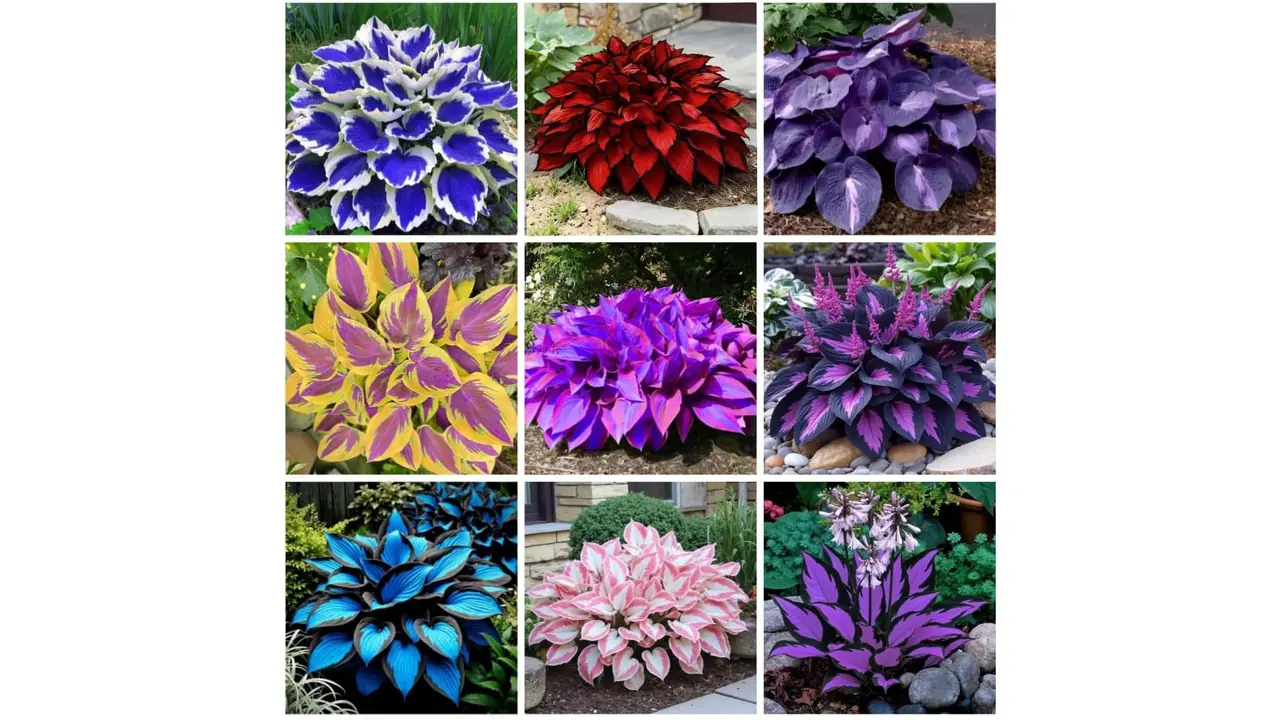
- Transforming those forgotten shady spots in your garden into vibrant oases is now within reach with the 311+ Mixed Hosta Seeds for Planting. If you’re looking for a fuss-free way to introduce stunning, decorative foliage and reliable perennial beauty, these seeds promise a delightful gardening adventure. Get ready to discover the ease and reward of cultivating hostas from seed, bringing life and texture to even the most challenging garden corners.
- Decorative Leaf Focus: Hosta plants are primarily valued for their textured foliage, offering visual appeal from spring through late season, providing continuous interest.
- Adapted to Shaded Areas: Performs best in low-light locations, helping enhance shaded corners, underplanting, and protected garden spaces with their lush growth.
- Flexible Planting Options: Suitable for landscape beds, pathways, container arrangements, and mixed shade plantings, offering versatility in garden design.
- Reliable Perennial Habit: Plants re-emerge annually once established, maintaining consistent garden structure over time and reducing the need for replanting.
- Ornamental Flowering: Upright blooms appear during the growing season, complementing the foliage without overpowering the overall design and adding another layer of beauty.
- Exceptional Foliage Variety: The primary draw is the focus on decorative leaf textures and colors, which are the stars of the show in hosta plants, offering visual interest throughout the growing season.
- Perfect for Shady Niches: Its strong adaptation to shaded areas means you can finally bring life to those dark corners under trees or on the north side of your house that struggle to get sun.
- Versatile Placement Potential: The flexibility in planting options makes it ideal for a wide range of gardening styles, from filling out borders to creating stunning container displays.
- Long-Term Garden Investment: The reliable perennial habit ensures that once established, these plants will return year after year, providing a consistent and evolving garden structure.
- Subtle Ornamental Blooms: The addition of ornamental flowering adds a delicate touch without detracting from the foliage, enhancing the plant’s overall appeal.
- Foliage Dominance: The emphasis on “Decorative Leaf Focus” highlights that the plant’s primary strength and expected performance lies in its foliage. This means gardeners can anticipate attractive leaves that provide color and texture for an extended period, from early spring emergence to late fall.
- Shade Tolerance: The feature “Adapted to Shaded Areas” suggests robust performance in low-light conditions. This indicates that the seeds are likely to yield plants that thrive where many other flowering plants would struggle, making them a reliable choice for understory planting or north-facing gardens.
- Perennial Reliability: The “Reliable Perennial Habit” assures gardeners of the plant’s longevity. Once established, these hostas are expected to return annually, offering consistent garden structure and reducing the annual effort of planting new specimens.
- Bloom Complementarity: The “Ornamental Flowering” aspect suggests that while blooms are present, they are designed to complement rather than dominate the foliage. This implies a balanced aesthetic performance, where the plant’s overall visual appeal is driven by its leaves, with flowers adding a secondary, pleasing element.
- Planting Versatility: The “Flexible Planting Options” point to a plant that demonstrates consistent performance across various garden settings, whether in-ground beds, containers, or as ground cover. This suggests adaptability and a good growth rate in different soil and light conditions typical for shade-loving plants.
- Gardeners with Shady Yards: Anyone struggling to find plants that thrive in low-light conditions will find hostas to be a perfect solution, enhancing previously barren shady spots.
- Beginner Gardeners: The reliable perennial habit and shade tolerance make hostas forgiving and rewarding for those new to gardening, requiring minimal fuss once established.
- Designers Seeking Texture and Color: Those looking to add depth, texture, and year-round visual interest to their garden beds, borders, or even container arrangements will appreciate the decorative foliage.
- Container Garden Enthusiasts: The flexible planting options make these seeds ideal for creating beautiful, low-maintenance arrangements in pots and planters for patios, balconies, or entryways.
- Landscape Professionals and Homeowners: Its suitability for ground cover and underplanting makes it a great choice for mass planting or filling in spaces under trees and shrubs for a cohesive and lush look.
- Foliage Appeal: Prioritize seeds that specifically mention “Decorative Leaf Focus” or similar terms, indicating the plants are primarily grown for their attractive leaves. Look for descriptions of varied textures, colors, and patterns if available.
- Shade Tolerance Claims: As hostas are shade plants, ensure the product explicitly states they are “Adapted to Shaded Areas.” This is crucial for success in the intended planting locations.
- Perennial Reliability: Seek out products that guarantee a “Reliable Perennial Habit.” This means the plants will return year after year once established, offering long-term value and garden structure.
- Versatility in Use: “Flexible Planting Options” is a good indicator that the resulting plants will be adaptable to various garden designs, from beds and borders to containers and ground cover.
- Flowering Characteristics: While foliage is key for hostas, “Ornamental Flowering” ensures that any blooms produced are attractive and complement the leaves, adding to the plant’s overall appeal without being the main focus.
- Intended Planting Location: Since these are shade-loving plants, consider where you plan to sow them. Ensure the chosen spot receives adequate shade, typically partial to full shade, to allow the hostas to thrive.
- Desired Garden Aesthetic: Think about the leaf colors and patterns you prefer. While this is a mixed seed packet, understanding the general characteristics of hostas will help you anticipate the potential outcomes.
- Time and Patience: Growing from seed requires patience. Germination can take time, and hostas will take a season or two to reach a more substantial size and showcase their full decorative potential.
- Container vs. In-Ground Planting: The “Flexible Planting Options” suggest both are viable. If planting in pots, consider the size of the pot needed as the plants grow and the type of potting mix suitable for shade-loving perennials.
Key Features That Stand Out
The 311+ Mixed Hosta Seeds for Planting offers a compelling package for any gardener seeking to enhance their shaded spaces. Here are the key features that truly make this product shine:

311+ Mixed Hosta Seeds for Planting – Perennial Shade Plants with Decorative Foliage, Ideal for Shady Gardens, Borders, Pots & Ground Cover
What We Like
The appeal of the 311+ Mixed Hosta Seeds for Planting lies in its promise of bringing abundant, beautiful foliage to overlooked garden areas. We particularly appreciate the following aspects:
Performance Analysis
When evaluating the 311+ Mixed Hosta Seeds for Planting based on its provided features, several performance indicators stand out:
Best For
The 311+ Mixed Hosta Seeds for Planting is exceptionally well-suited for a variety of gardening needs and gardeners. Based on its features, here’s who would benefit most:
Buying Guide
When considering purchasing seeds for plants like the 311+ Mixed Hosta Seeds for Planting, understanding a few key aspects can help ensure a successful gardening experience. This guide focuses on factors relevant to seed-starting shade perennials.
Key Features to Look For
Important Materials
For seeds, the primary “material” is the seed itself. Ensuring these are from reputable sources and have been stored properly is important. While not a physical material in the traditional sense, the quality and viability of the seeds directly impact the success of your planting endeavors.
Essential Factors to Consider
Budget Planning
Seed packets are generally a very cost-effective way to acquire a large number of plants. The 311+ Mixed Hosta Seeds for Planting, offering over 300 seeds, represents a high quantity for a relatively low price point, especially when compared to purchasing mature hosta plants. Budget for good quality seed-starting mix, pots or trays, and potentially a fungicide or seed starting fertilizer if you are looking to optimize germination and early growth. The long-term value is high due to the perennial nature of hostas.
When to Buy
The best time to purchase seeds for hostas is typically in late winter or early spring, allowing you to start them indoors for transplanting outdoors after the last frost. However, seeds can also be sown directly outdoors in spring or even early fall, depending on your climate. Purchasing seeds allows for this flexibility. Buying early in the season ensures availability, especially for popular varieties or large quantities like this offering.
Frequently Asked Questions
How long does it take for hosta seeds to germinate?
Hosta seed germination can vary significantly, often taking anywhere from 2 weeks to 2 months. Factors like temperature, moisture, and stratification can influence germination rates.
Will the hostas grown from these seeds look exactly like the pictures of mature hostas?
Growing hostas from mixed seed packets means there will be genetic variation. While they will be hostas, individual plants may exhibit different leaf colors, patterns, and sizes compared to specific named varieties.
What type of soil is best for planting hosta seeds?
Hosta seeds generally prefer a well-draining, rich seed-starting mix. Once seedlings are established, they will thrive in moist, humus-rich soil that retains moisture but doesn’t become waterlogged.
Can hostas grown from seed be planted in containers?
Yes, hostas are very well-suited for container planting. Their flexible nature allows them to adapt to the confines of pots, making them excellent choices for patios and balconies.
How much sun do hostas really need?
Hostas are primarily shade plants, performing best in low-light conditions. Most varieties do well with partial to full shade, while some with variegated or yellow leaves may tolerate a bit more morning sun.
When is the best time to plant hosta seedlings outdoors?
It’s generally best to plant hosta seedlings outdoors after the danger of frost has passed in spring. Ensure they have been hardened off gradually to adapt to outdoor conditions.
Will these seeds grow into plants that flower?
Yes, hostas are known for their ornamental flowers, which typically appear as upright spikes during the growing season. The seeds are expected to produce plants with this characteristic.
Final Thoughts
The 311+ Mixed Hosta Seeds for Planting presents a fantastic opportunity for gardeners to introduce a wealth of perennial beauty into their shaded areas. With their focus on decorative foliage and adaptability to low-light conditions, these seeds promise a rewarding experience for both novice and experienced gardeners looking to enhance their landscapes.