If you want vibrant, easy-to-grow flowers that add a splash of color to your garden, nasturtiums are a perfect choice. But did you know that planting them at the right time can make all the difference in how well they thrive?
Especially if you’re in Central Florida and working with the Alaska Mix variety, timing is key to enjoying a flourishing garden full of these cheerful blooms. You’ll discover exactly when and how to plant nasturtium seeds to get the best results—and ensure your garden looks stunning throughout the growing season.
Keep reading to unlock the secrets of perfect nasturtium planting!
Nasturtium Varieties
Nasturtiums come in many types with unique colors and shapes. Each variety offers distinct beauty and growth habits. Gardeners can choose from climbing types or bushy plants. Their flowers range from bright oranges to soft yellows and reds.
The Alaska Mix is a popular variety for Central Florida gardens. It combines several colors and has a charming appearance. This mix is known for its vibrant blooms and easy growth. Choosing the right variety helps ensure success in your garden.
Alaska Mix Features
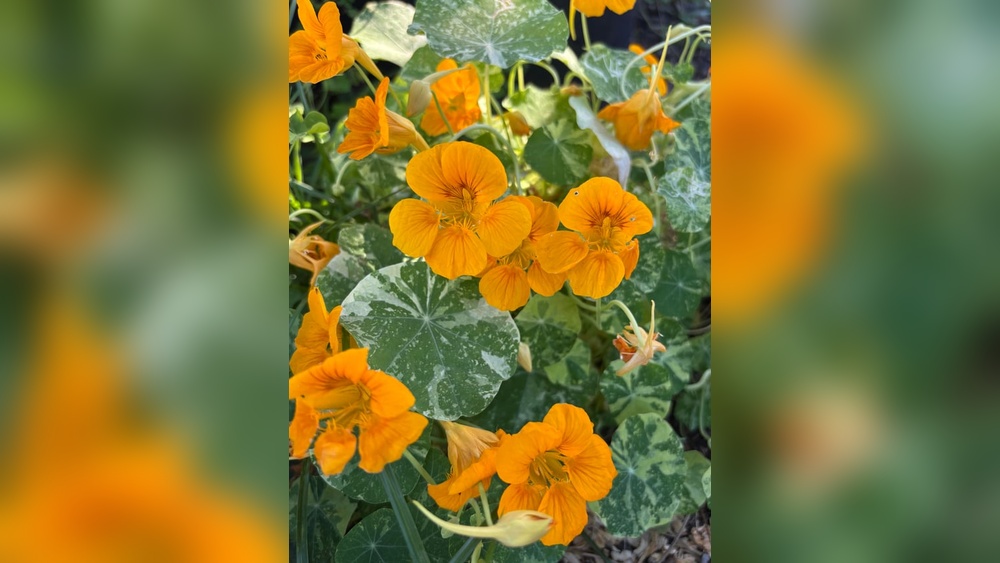
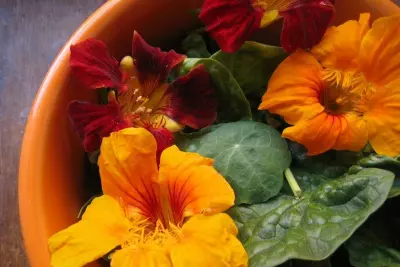
The Alaska Mix includes red, orange, and yellow flowers. These colors create a lively and cheerful garden display. The plants grow with a bushy form, reaching about 12 to 18 inches tall. They have rounded leaves and a spicy scent.
This mix blooms continuously from spring to fall. It attracts pollinators like bees and butterflies. The flowers are edible, perfect for salads and garnishes. This variety resists pests better than others, making it low-maintenance.
Adaptability To Central Florida
Alaska Mix thrives well in Central Florida’s warm climate. It prefers full sun but tolerates some shade. The soil should be well-drained and moderately fertile. This variety handles heat better than many nasturtiums.
Plant seeds after the last frost for best results. The Alaska Mix grows quickly in spring and fall seasons. It does not like very wet soil, so avoid overwatering. This variety often reseeds itself, offering new plants each year.

Credit: www.reddit.com
Optimal Planting Windows
Timing is key to growing healthy nasturtiums in Central Florida Alaska Mix. Choosing the right planting window helps seeds sprout strong. It also protects young plants from harsh weather. Nasturtiums thrive best when planted during specific seasons. Understanding these optimal windows increases your garden’s success.
Spring Planting Timeline
Plant nasturtium seeds outdoors from April to June. Soil warms up after the last frost, perfect for germination. Choose a sunny spot with well-drained soil. Water seeds lightly and keep soil moist for best growth. Avoid transplanting; direct sowing helps roots grow undisturbed. Spring planting ensures vibrant flowers and healthy leaves.
Fall Planting In Warm Climates
In Central Florida’s mild winters, plant nasturtiums in early fall. This timing allows blooms during cooler months. Nasturtiums enjoy the cooler air without frost risk. Prepare soil by adding organic matter to improve fertility. Keep soil evenly moist to support seedling development. Fall planting extends the flowering season into winter.
Avoiding Frost Damage
Frost harms nasturtiums because they are frost-sensitive. Avoid planting before the last spring frost date. Use local frost calendars to pick safe planting days. Cover young plants if frost threatens unexpectedly. Frost protection helps keep plants healthy and growing strong. Waiting for warm soil prevents frost damage and poor growth.
Soil And Sunlight Needs
Nasturtiums thrive best with the right soil and sunlight conditions. Proper soil preparation helps roots grow strong and healthy. Adequate sunlight supports vibrant blooms and healthy leaves. Central Florida’s climate suits nasturtiums well, but meeting their soil and light needs ensures a successful garden.
Soil Preparation Tips
Use well-draining soil for nasturtiums to avoid root rot. Loosen the soil to a depth of 6 to 8 inches. Mix in organic compost to improve fertility and texture. Avoid rich, heavy soils as they reduce flower production. Keep the soil slightly acidic to neutral, with a pH between 6.0 and 7.5. Firm the soil lightly after planting seeds to keep them in place.
Sunlight Requirements
Nasturtiums prefer full sun for at least 6 hours daily. They tolerate partial shade but bloom less in low light. Morning sun with afternoon shade can protect plants from Florida’s intense heat. Bright sunlight encourages vibrant flower colors and healthy growth. Monitor sunlight exposure to avoid wilting during extreme heat. Adjust planting location if leaves show signs of sunburn or stress.

Credit: savvygardening.com
Planting Techniques
Choosing the right planting technique for nasturtiums affects their growth and bloom. Nasturtiums in Central Florida Alaska Mix thrive with proper soil and sunlight. Two main methods exist: direct sowing and transplanting. Each has pros and cons to consider for a healthy garden.
Direct Sowing Benefits
Direct sowing means planting seeds straight into the garden soil. This method lets nasturtiums grow strong roots without disturbance. Seeds germinate quickly in warm soil, typical of Central Florida’s climate.
Direct sowing saves time and effort. There is no need for extra containers or transplant shock. Nasturtiums often reseed themselves, making this a natural and easy choice. This technique also reduces the risk of root damage.
Plant seeds about half an inch deep in loose soil. Keep the soil moist until seedlings appear. Nasturtiums prefer full sun and well-draining soil with organic matter mixed in.
Transplanting Challenges
Starting nasturtiums indoors or buying seedlings requires transplanting later. Nasturtiums dislike root disturbance, which can slow growth or cause plants to fail. Transplants often need careful handling to avoid stress.
The root system is delicate and can break easily. Seedlings must be hardened off before moving outdoors. This means slowly exposing them to outdoor conditions over several days.
Transplanting takes more time and care. Gardeners must water regularly and watch for transplant shock signs. In Central Florida, timing is key to avoid cold snaps that hurt young plants.
Care And Maintenance
Caring for nasturtium Alaska Mix in Central Florida requires simple steps. Proper care ensures healthy growth and vibrant flowers. Nasturtiums adapt well but benefit from regular attention. Focus on watering, feeding, and pest control to keep plants thriving.
Watering Guidelines
Water nasturtiums deeply but infrequently. Allow the soil to dry slightly between waterings. Overwatering can cause root rot and weaken plants. Aim for moist, not soggy, soil conditions. Morning watering helps leaves dry and reduces disease risk.
Fertilization And Organic Matter
Use light feeding for nasturtiums. Too much fertilizer leads to more leaves and fewer flowers. Add compost or organic matter to the soil before planting. This improves soil texture and nutrient availability. A balanced, low-nitrogen fertilizer once a month supports healthy blooms.
Pest Management
Watch for aphids, caterpillars, and whiteflies. Handpick pests or spray with insecticidal soap. Encourage beneficial insects like ladybugs to control pests naturally. Keep the garden clean by removing dead leaves and debris. Healthy plants resist pests better and bloom longer.
Growth And Germination Tips
Nasturtium plants thrive best with the right start. Understanding how to support their growth and germination helps you enjoy vibrant blooms. Proper conditions give seeds the best chance to sprout and develop strong roots. Healthy plants resist pests and produce beautiful flowers throughout the season.
Simple steps can improve seed sprouting and plant health. These tips suit Central Florida’s Alaska Mix varieties. They focus on creating the ideal environment for nasturtiums to flourish in your garden.
Seed Germination Conditions
Nasturtium seeds need warm soil to start growing. The best soil temperature is between 65°F and 75°F. Plant seeds about half an inch deep in loose, well-drained soil. Avoid heavy or waterlogged soil, as it can cause seeds to rot.
Keep the soil moist but not soaked. Water gently after planting and maintain dampness until sprouts appear. Germination usually happens within 7 to 14 days. Bright light helps seeds grow strong once they sprout.
Encouraging Healthy Growth
Plant nasturtiums in full sun to promote vibrant flowers. They tolerate some shade but bloom best with six hours of sunlight daily. Use soil enriched with organic matter to supply nutrients.
Water regularly, especially during dry spells, but let the soil dry slightly between watering. Avoid overwatering to prevent root problems. Thin seedlings if they grow too close to allow space for healthy roots and leaves.
Watch for pests like aphids and treat early to protect your plants. Feeding with a balanced fertilizer once a month supports ongoing growth. With these simple steps, your nasturtiums will thrive and brighten your garden.
Companion Planting
Companion planting helps improve garden health and yield. Nasturtiums are great companions for many plants. They attract beneficial insects and repel harmful pests. Planting them with the right partners can boost growth and protect your garden naturally.
Plants To Avoid Near Nasturtiums
Some plants do not grow well near nasturtiums. Avoid planting them close to potatoes. Nasturtiums may stunt potato growth. Also, avoid planting near fennel. Fennel releases chemicals that can harm nasturtiums. Keep nasturtiums away from large, dense plants. They can block sunlight and reduce airflow.
Best Companion Plants
Nasturtiums work well with many vegetables and flowers. Plant them near tomatoes to repel aphids. They also protect cucumbers from pests. Beans benefit from nasturtiums by attracting pollinators. Marigolds and nasturtiums together deter harmful insects. Lettuce grows better with nasturtiums nearby. Their flowers attract beneficial insects that help pollination.
Re-seeding And Longevity
Nasturtiums are known for their bright flowers and easy growth. Their ability to re-seed plays a big role in their longevity in Central Florida gardens. Understanding how nasturtiums self-seed and how to extend their blooming period helps gardeners enjoy these plants longer. This knowledge aids in planning the best planting time and care.
Self-seeding Habits
Nasturtiums naturally drop seeds around the plant at season’s end. These seeds can sprout the next year without replanting. In Central Florida, mild winters allow many seeds to survive and grow again. This self-seeding habit means less work for gardeners. It also creates a natural, ongoing display of flowers each season. However, some control may be needed to prevent overcrowding. Lightly disturbing the soil can help manage seed spread.
Extending Nasturtium Blooms
Deadheading spent flowers encourages new blooms on nasturtiums. Removing old flowers redirects energy to fresh growth. Regular watering during dry spells supports longer bloom times. Planting nasturtiums in well-drained soil with full sun also helps. In Central Florida, planting from early fall to mid-winter provides cooler growing conditions. These conditions extend the blooming season. Mulching around plants keeps soil moist and cool. This simple care routine boosts flower longevity and garden beauty.
Credit: frugallysustainable.com
Frequently Asked Questions
When To Plant Nasturtium In Central Florida?
Plant nasturtium seeds in central Florida from early fall to mid-winter for best growth. Sow directly in warm soil after frost risk passes. Avoid transplanting to prevent root disturbance. Nasturtiums thrive in full sun with well-drained soil and often self-seed for future blooms.
How To Grow Nasturtium Alaska Mix?
Sow nasturtium Alaska mix seeds directly in well-drained, average soil with full sun. Plant after frost danger passes, keeping soil moist. Amend soil with organic matter for best growth. Avoid transplanting as roots dislike disturbance. Seeds germinate quickly in warm soil from April to June.
What Month Is Best To Grow Nasturtiums?
Plant nasturtium seeds outdoors from April to June, after the last frost. They thrive in warm soil and full sun.
What Should You Not Plant Next To Nasturtiums?
Avoid planting nasturtiums next to potatoes, cucumbers, or aromatic herbs like sage. These plants may inhibit growth.
Conclusion
Nasturtiums thrive best when planted after frost ends. In Central Florida, sow seeds from early fall to mid-winter. Alaska Mix nasturtiums prefer warm soil and full sun for strong growth. Avoid transplanting; direct sowing helps roots stay healthy. These flowers often reseed, giving you blooms year after year.
Plant at the right time for a colorful, easy-care garden. Watch your nasturtiums grow and brighten your outdoor space effortlessly.