Finding the best fertilizer for pineapple plants is the secret to transforming a fun gardening project into a source of sweet, homegrown tropical fruit. The key is to provide a balanced diet rich in potassium, apply it correctly, and understand the unique needs of these fascinating bromeliads. This guide will walk you through everything you need to know to feed your pineapple for optimal growth and a delicious harvest.
Growing your own pineapple is a rewarding experience, but getting that plant to produce a juicy, flavorful fruit requires more than just water and sunlight. Pineapples are heavy feeders, and the right nutrients at the right time are crucial. Choosing the wrong fertilizer—or not fertilizing at all—can lead to slow growth, yellowing leaves, and no fruit.
This comprehensive guide will break down the ideal nutrients, application schedules, and types of fertilizers to ensure your pineapple plant thrives.
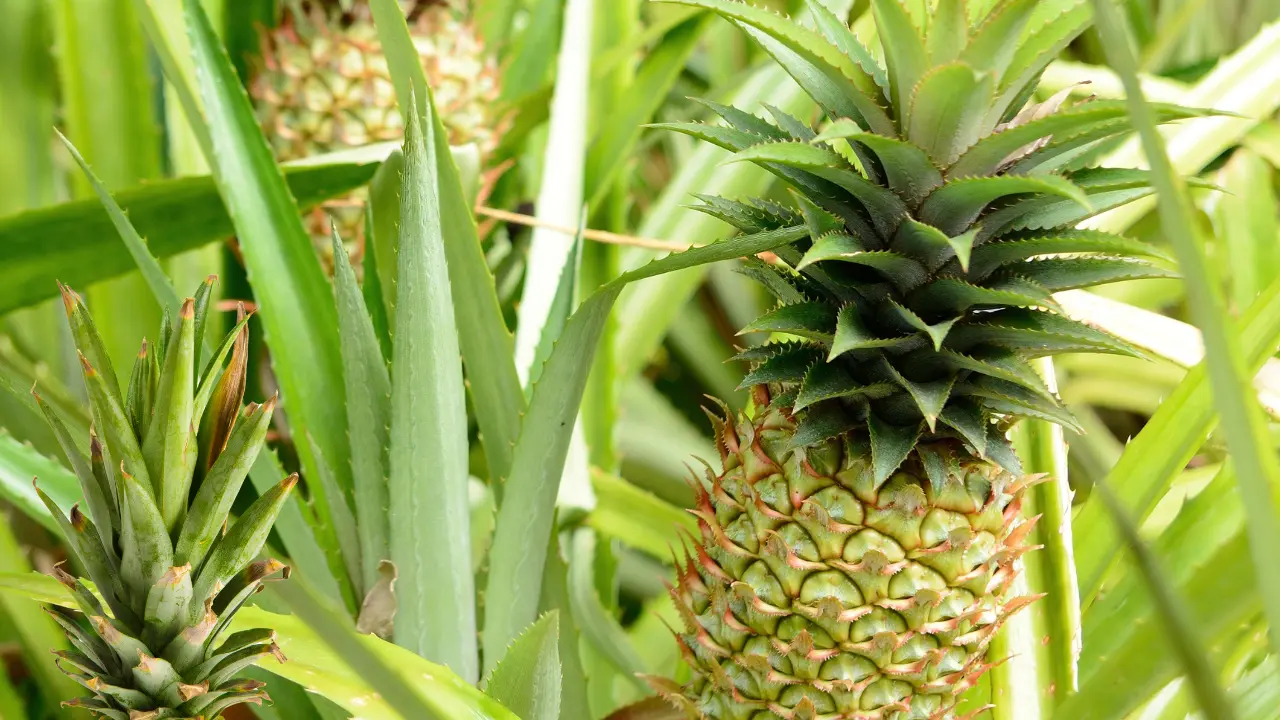
Understanding Pineapple’s Nutritional Needs
Before grabbing any bag of fertilizer, it’s essential to understand what pineapples crave. As members of the bromeliad family, they have specific dietary requirements that differ from many other garden plants.
The Ideal NPK Ratio for Pineapples
NPK stands for Nitrogen (N), Phosphorus (P), and Potassium (K)—the three primary macronutrients in any fertilizer. For pineapples, the magic is in the potassium.
- Nitrogen (N): Promotes healthy, green leaf growth.
- Phosphorus (P): Supports root development and energy transfer. Pineapples need very little of this.
- Potassium (K): This is the star player. Potassium is vital for fruit development, sweetness, and overall plant health and disease resistance.
Look for a balanced fertilizer with a high potassium ratio. Good examples include formulas like 10-5-20, 6-6-12, or 16-4-16. Avoid “bloom booster” fertilizers that are high in phosphorus, as this can hinder the plant’s ability to absorb other essential micronutrients.
Essential Micronutrients (and What to Avoid)
Beyond NPK, pineapples also need micronutrients like magnesium, iron, and manganese for robust health. A lack of these can cause yellowing between the leaf veins.
Crucially, pineapples are sensitive to heavy metals. Avoid fertilizers containing high levels of copper or boron, as these can be toxic to bromeliads and damage or kill your plant. Always check the ingredients list on your fertilizer.
Types of Fertilizers for Pineapple Plants
You have several excellent options when it comes to feeding your pineapple. The best choice often depends on your gardening style and whether your plant is in a pot or the ground.
Liquid vs. Granular Fertilizers
- Liquid Fertilizers: These are fast-acting because the nutrients are immediately available to the plant. They are perfect for foliar feeding (spraying the leaves), which is the primary way bromeliads absorb nutrients. Dilute a balanced liquid fertilizer to half or quarter strength for best results.
- Slow-Release Granular Fertilizers: These granules are sprinkled on the soil and release nutrients over several months. This method provides a steady, consistent food source and is great for gardeners who prefer a “set it and forget it” approach. Be sure to choose a formula suitable for tropical plants or citrus.
Organic vs. Synthetic Options
- Organic: Choices like fish emulsion, compost tea, and kelp meal are excellent for pineapple plants. They not only feed the plant but also improve soil health. They tend to be gentle and release nutrients slowly.
- Synthetic: These man-made fertilizers provide precise and readily available nutrient ratios. They are highly effective but can cause fertilizer burn if over-applied. Always follow the package directions carefully.
When and How to Fertilize Your Pineapple Plant
Timing and technique are just as important as the fertilizer itself. A consistent schedule will keep your plant happy and productive.
A Year-Round Fertilizing Schedule
- Young Plants (First Year): Fertilize every 6-8 weeks during the growing season (spring and summer). This encourages strong leaf and root development.
- Mature Plants (Pre-Fruiting): Continue feeding every 6-8 weeks. A healthy, well-fed plant with at least 30-40 leaves is more likely to flower and produce fruit.
- Fruiting Stage: Once you see a flower stalk or small fruit forming, you can slightly increase the potassium content. Fertilize every 4-6 weeks until the fruit is harvested.
- Winter Months: Reduce fertilizing to once every 2-3 months or stop completely, as the plant’s growth slows down.
Proper Application Techniques
Because pineapples are bromeliads, they can absorb nutrients through both their roots and their leaves.
- Foliar Feeding: This is the most effective method. Mix a balanced liquid fertilizer at half-strength and spray it directly onto the leaves, allowing the liquid to pool in the central cup of the plant.
- Soil Application: If using granular fertilizer, sprinkle it around the base of the plant, being careful not to let it touch the stem. Water it in thoroughly. For liquid fertilizers, you can also drench the soil around the plant.
Common Fertilizing Mistakes to Avoid
- Over-fertilizing: Too much fertilizer can burn the leaves and roots. It’s always better to under-fertilize than over-fertilize.
- Using High-Phosphorus Fertilizers: Formulas designed for flowering annuals can harm your pineapple plant.
- Applying to Dry Soil: Always water your plant before applying fertilizer to the soil to prevent root burn.
- Forgetting Micronutrients: If your plant’s leaves are yellowing despite regular NPK feeding, it may need a boost of magnesium or iron. A pinch of Epsom salts (magnesium sulfate) dissolved in water can help.
Frequently Asked Questions (FAQs)
Q1: What is a good NPK ratio for pineapple fertilizer?
A good NPK ratio for pineapples is one that is high in potassium (K) and low in phosphorus (P). Look for formulas like 10-5-20, 16-4-16, or a balanced ratio like 10-10-10. Fertilizers for citrus or palm trees are often suitable.
Q2: Can I use Miracle-Gro for my pineapple plant?
Yes, you can use an all-purpose liquid fertilizer like Miracle-Gro, but it’s crucial to dilute it to half or quarter strength. Also, ensure the specific formula you choose is not high in copper or boron.
Q3: How often should I fertilize my pineapple plant?
During the spring and summer growing season, fertilize every 6-8 weeks. Reduce this to once every 2-3 months during the fall and winter when growth slows.
Q4: Why are my pineapple leaves turning yellow or reddish?
Yellow or reddish leaves can be a sign of a nutrient deficiency, most commonly nitrogen, magnesium, or iron. It can also be caused by overwatering or too much direct sunlight. Start by checking your fertilizing routine and ensure you’re using a balanced formula.
Conclusion
Choosing the best fertilizer for pineapple plants doesn’t have to be complicated. By focusing on a high-potassium, low-phosphorus formula and applying it consistently, you provide your plant with the fuel it needs to grow strong and produce a sweet, delicious fruit. Remember to use a diluted liquid fertilizer for foliar feeding or a slow-release granular option for the soil. With a little care and the right nutrition, you’ll be well on your way to harvesting your very own tropical treat. Happy growing