If you’re growing a hugelkultur bed in Florida, choosing the right plant food is key to unlocking vibrant, healthy plants. Hugelkultur beds hold moisture and nutrients like no other garden method, but Florida’s unique climate means you need food that matches both the soil and the heat.
You want your squash, tomatoes, and herbs to thrive without struggling through the humidity or sandy soil. You’ll discover the best plant foods tailored for hugelkultur in Florida, practical tips to boost growth, and which plants will reward your efforts the most.
Ready to transform your garden into a flourishing oasis? Keep reading to learn exactly what your hugelkultur bed craves.
Credit: www.buckscountyherald.com
Hugelkultur Basics
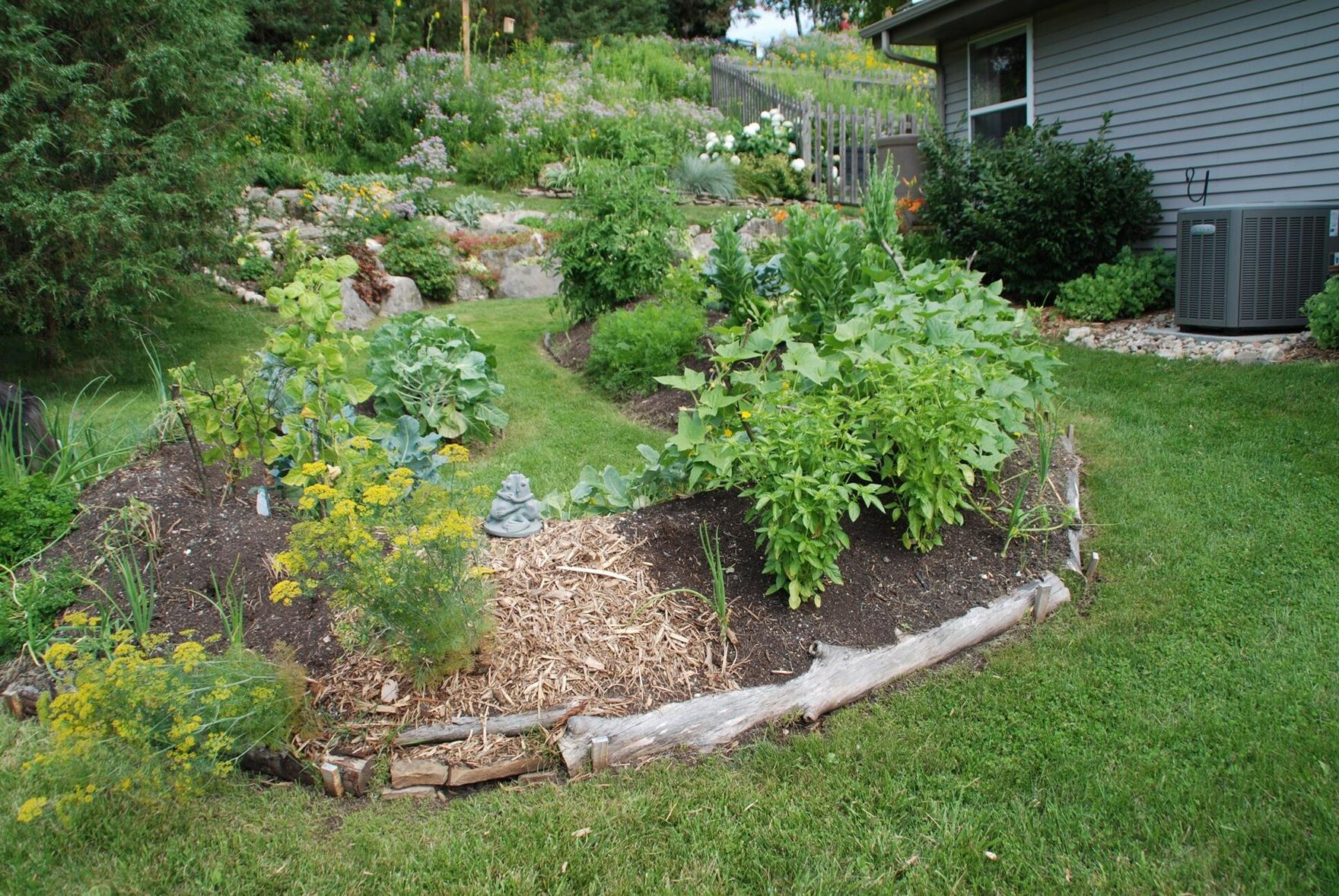
Hugelkultur is a gardening method using decaying wood to build raised beds. These beds hold moisture and nutrients well. They create a rich environment for many plants. This method suits Florida’s warm and humid climate perfectly.
Building a hugelkultur bed involves layering logs, branches, and soil. Over time, the wood breaks down, feeding the plants. It improves soil structure and reduces the need for watering. Understanding the basics helps gardeners choose the best plant food for success.
Benefits For Florida Gardens
Hugelkultur beds keep soil moist longer in Florida’s dry spells. They reduce water needs and help plants survive heat. The decaying wood releases nutrients slowly, feeding plants all season. Raised beds improve drainage, preventing root rot in wet weather. This method supports a variety of plants, from vegetables to herbs.
Ideal Soil Composition
Start with hardwood logs for long-lasting nutrients. Add smaller branches and twigs for structure and air flow. Cover wood with a mix of compost and topsoil. This mix supplies vital nutrients and holds moisture. Avoid using treated wood or pine, which can harm plants. A balanced soil mix promotes healthy roots and strong growth.

Credit: roadtoreliance.com
Top Plant Choices
Choosing the right plants for hugelkultur beds in Florida enhances growth and yield. These beds hold moisture and nutrients well, ideal for many plant types. The deep, rich soil suits sprawling and root crops best. Select plants that thrive in this unique environment for the best results.
Vining Crops
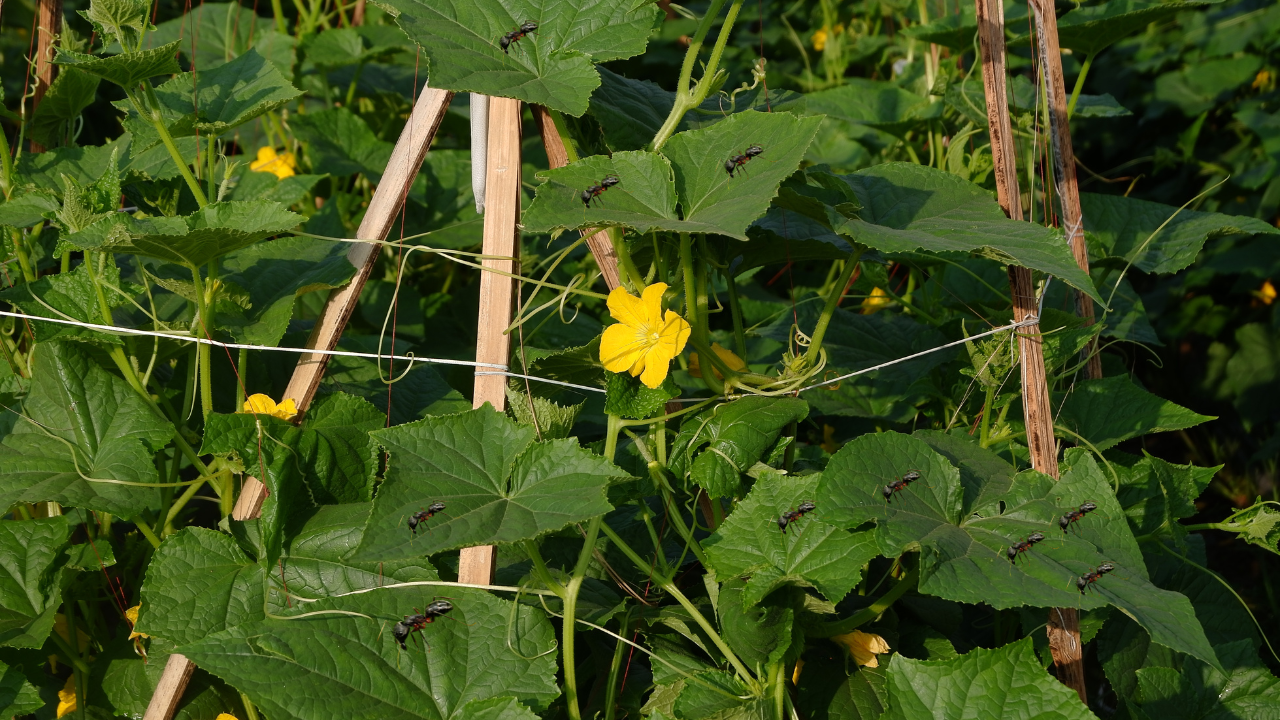
Vining crops like squash, pumpkins, and cucumbers flourish in hugelkultur beds. They spread wide and benefit from the bed’s moisture and nutrients. These plants grow strong and produce abundant harvests in Florida’s warm climate.
Root Vegetables
Root vegetables such as potatoes, carrots, and parsnips thrive in well-drained, nutrient-rich soil. The loose texture of hugelkultur beds helps tubers grow large and healthy. These crops enjoy the deep soil and consistent moisture levels.
Legumes And Beans
Legumes like beans, peas, and lentils perform well in hugelkultur beds. They improve soil by fixing nitrogen, which benefits nearby plants. Tall corn can support climbing beans in a traditional “Three Sisters” planting method.
Fruiting Plants
Tomatoes, peppers, eggplants, and strawberries grow successfully in hugelkultur beds. They enjoy the warm Florida climate and nutrient-rich soil. These plants produce flavorful fruits when given proper care and sunlight.
Herbs And Greens
Many herbs and leafy greens suit hugelkultur beds perfectly. Basil, parsley, lettuce, and spinach thrive in the moist, fertile conditions. These plants grow quickly and add fresh flavors to your garden.
Plants Needing Special Care
Some plants need extra care in a hugelkultur garden in Florida. The unique soil structure can challenge certain crops. These plants require special attention to thrive. Understanding their needs helps improve growth and harvest.
Bulb Crops Challenges
Bulb crops like onions and garlic face difficulty in hugelkultur beds. The coarse wood pieces create air pockets and uneven soil. This disrupts bulb formation and root growth. They need well-settled, fine soil for good development. Without this, bulbs may grow small or misshaped.
High soil moisture can also cause bulbs to rot. Wood decay can create too much wetness near the surface. Bulb crops prefer drier, firm soil with steady moisture levels. Regular monitoring helps prevent rot and pest issues.
Adjusting Bed Design
Adjust the hugelkultur bed to support sensitive plants. Create lower spots or sunken areas for bulb crops. These spots hold finer soil and reduce air pockets. This mimics traditional garden soil for better bulb growth.
Adding extra compost and fine soil on top improves soil texture. Avoid large wood chunks near the planting spot. Layering small wood pieces helps balance moisture and aeration.
Raised or terraced sections can help manage water flow. This prevents excess moisture near delicate roots. Correct bed design ensures all plants get the right environment.
Plants To Avoid
Choosing the right plants for your hugelkultur bed in Florida is crucial. Some plants can harm the soil or slow down the decomposition process. Avoiding these plants will help maintain soil health and boost plant growth. Below are key types of plants to avoid to keep your hugelkultur thriving.
Allelopathic Trees
Allelopathic trees release chemicals that stop other plants from growing nearby. These chemicals can reduce seed germination and stunt growth. Common allelopathic trees include black walnut, eucalyptus, and certain pines. Using wood from these trees in your hugelkultur bed can harm your plants.
These trees lower soil quality and prevent beneficial microbes from thriving. Avoid adding their wood or leaves to the hugelkultur pile. Instead, choose hardwoods that break down safely and support healthy soil life.
Slow Decomposing Woods
Some woods take a long time to break down in hugelkultur beds. Cedar, cypress, and oak are examples of slow decomposing woods. These woods lock up nutrients for years and reduce the soil’s fertility.
Using slow decomposing wood can delay nutrient release and harm plant growth. It also makes the bed less stable. Choose faster decomposing woods like alder, willow, or poplar for better results in Florida’s climate.
Best Plant Foods
Choosing the best plant foods for your hugelkultur bed in Florida ensures strong, healthy growth. Hugelkultur beds hold moisture and nutrients well, but plants still need the right food to thrive. Proper nutrition supports roots, leaves, flowers, and fruit development. Using natural, organic sources enriches the soil without harming the environment. Here are key plant foods to feed your hugelkultur garden effectively.
Nitrogen-rich Additions
Nitrogen is essential for leafy, green growth. Add fresh grass clippings, alfalfa meal, or blood meal to supply nitrogen. These materials break down quickly, releasing nutrients fast. Coffee grounds also provide a mild nitrogen boost. Avoid overloading nitrogen, which can cause too much leaf growth and fewer fruits. Balance nitrogen with other nutrients for best results.
Compost And Organic Layers
Compost is the heart of hugelkultur nutrition. It provides a slow, steady release of nutrients. Use well-rotted kitchen scraps, garden waste, and manure. Layer compost within your hugelkultur bed to feed plants throughout the season. Organic layers improve soil texture and water retention. They also encourage beneficial microbes that help plants absorb nutrients.
Natural Fertilizers For Growth
Natural fertilizers boost plant vigor without chemicals. Bone meal adds phosphorus for strong roots and flowers. Kelp meal supplies trace minerals and growth hormones. Fish emulsion works as a liquid fertilizer, giving plants a quick nutrient lift. Apply these fertilizers carefully, following package instructions. They support healthy, vibrant plants in your Florida hugelkultur garden.

Credit: fruitfulfoodforestry.com
Planting Strategies
Successful planting in hugelkultur beds requires smart strategies. These beds offer rich, well-drained soil that supports many plants. Understanding where and when to plant helps maximize growth. Using companion plants also boosts soil health and plant vigor.
Optimal Planting Locations
Choose the top of the hugelkultur bed for drought-tolerant plants. The upper areas dry faster and get more sun. Plant squash, pumpkins, and cucumbers here for best results. The middle section stays moist longer, ideal for root vegetables like carrots and potatoes. The base holds the most moisture and suits moisture-loving plants like tomatoes and peppers. Avoid planting delicate bulb crops near coarse wood. Instead, place them in lower, more stable soil zones.
Seasonal Timing
Plant warm-season crops after the last frost date in Florida. This timing ensures seedlings grow without cold stress. Cool-season crops, such as peas and lettuce, do well in the mild winter months. Start seeds indoors for early spring planting. Transplant seedlings when soil temperatures rise above 60°F. Adjust planting times based on local weather and microclimates within your garden.
Companion Planting Tips
Use companion plants to improve nutrient uptake and pest control. Plant beans near corn to fix nitrogen in the soil. Squash leaves shade the soil, keeping it cool and moist. Herbs like basil and marigold repel common pests. Avoid planting heavy feeders next to each other to reduce competition. Rotate crops yearly to maintain soil health and reduce diseases.
Building A Hugelkultur Bed
Building a hugelkultur bed creates a fertile, moisture-rich growing space. This method uses layers of wood and organic matter. It slowly breaks down, feeding plants naturally. Ideal for Florida’s warm climate, it improves soil structure and retains water well. Preparing the bed correctly is essential for success.
The process involves careful wood choice, proper layering, and curing time. These steps ensure the bed supports healthy plant growth. Understanding each stage helps gardeners build strong, lasting hugelkultur beds.
Step-by-step Construction
Start by choosing a sunny spot with good drainage. Lay down large logs as the base layer. Stack smaller branches and twigs on top. Add layers of leaves, grass clippings, and compost. Cover the pile with a thick layer of soil. Water the bed thoroughly after construction. This helps settle the materials and starts decomposition.
Wood Selection
Use hardwoods like oak, maple, or hickory for long-lasting beds. Avoid softwoods such as pine or cedar, which break down too fast. Do not use treated or painted wood to avoid chemicals in soil. Mix different wood sizes to create air pockets for microbes. Freshly cut wood can cause nitrogen loss, so balance with green materials.
Curing Process
Let the bed rest for several months before planting. This allows wood to decompose and release nutrients. Cover the bed with tarp to retain moisture and heat. Turn or water the pile occasionally to speed decay. A well-cured hugelkultur bed supports strong plant roots and healthy growth. Patience during curing improves soil quality.
Maintenance And Care
Maintaining a hugelkultur bed in Florida requires consistent care to keep plants healthy and productive. Proper maintenance supports nutrient availability and prevents common issues. Focus on watering, soil health, and pest control to ensure strong growth.
Watering Techniques
Water deeply but less often to encourage strong roots. The raised bed drains quickly, so monitor moisture regularly. Early morning watering reduces evaporation in Florida’s heat. Use drip irrigation or soaker hoses to deliver water directly to roots. Avoid overwatering, which can cause root rot and nutrient loss.
Soil Monitoring
Check soil moisture with your hand or a moisture meter. Hugelkultur beds release nutrients slowly as wood decomposes. Test soil pH and nutrient levels twice a year. Add organic compost to boost fertility and balance nutrients. Adjust soil with lime or sulfur to maintain pH between 6.0 and 7.0. Healthy soil supports vigorous plant growth and disease resistance.
Pest Management
Inspect plants weekly for pests like aphids, caterpillars, and beetles. Use natural predators such as ladybugs and lacewings to control pests. Remove damaged leaves and debris to prevent pest habitat. Apply neem oil or insecticidal soap only when necessary. Plant companion plants like marigolds to repel harmful insects. Avoid harsh chemicals that harm beneficial insects and soil life.
Frequently Asked Questions
What Grows Best In A Hugelkultur Bed?
Vining plants like squash and cucumbers, root vegetables such as potatoes and carrots, and legumes thrive best in hugelkultur beds. Tomatoes, peppers, strawberries, and various herbs also grow well. Avoid bulb crops like onions unless bed adjustments are made. Use nitrogen-rich layers for optimal growth.
What Are The Drawbacks Of Hugelkultur?
Hugelkultur beds may cause uneven settling, nitrogen depletion, and can be hard to build. Bulb crops struggle with coarse wood and air pockets. Some woods decompose slowly or release toxins. Regular maintenance is necessary to manage moisture and nutrient balance.
What Is The Best Fertilizer For Raised Bed Gardens?
The best fertilizer for raised bed gardens is balanced organic compost enriched with nitrogen, phosphorus, and potassium. It improves soil fertility and plant growth effectively.
What Not To Use For Raised Garden Beds?
Avoid using black walnut, black cherry, cedar wood, treated lumber, and toxic or slow-decomposing materials in raised garden beds.
Conclusion
Choosing the right plant food helps your hugelkultur bed thrive in Florida’s climate. Use nutrient-rich compost and organic matter to feed plants naturally. Focus on foods that support root growth and moisture retention. Avoid synthetic fertilizers that can disrupt soil life.
Regular feeding keeps plants healthy and productive. Watch your plants and adjust feeding as needed. Healthy soil means stronger plants and better harvests. Hugelkultur beds can grow many crops with the right care. Start feeding your garden well, and enjoy the benefits all season.