If you’re looking to boost honey production right in your Florida backyard, choosing the best plants is key. The right flowers not only attract more bees but also help produce richer, tastier honey.
But with so many options, how do you pick the perfect plants for your hive? You’ll discover which plants thrive in Florida’s unique climate and bring the sweetest rewards for your bees. Whether you’re a beginner or a seasoned beekeeper, knowing these top honey-producing plants will help you create a buzzing paradise—and a bountiful honey harvest.
Keep reading to find out which plants can transform your garden into a honey-making haven.

Credit: www.reddit.com
Top Nectar Plants
Florida’s climate supports many flowering plants that produce rich nectar. These plants help bees make high-quality honey. Choosing the right nectar plants boosts honey production and bee health. Below are some of the top nectar plants ideal for honey production in Florida.
Goldenrod
Goldenrod blooms late summer to fall. Bees gather nectar as other flowers fade. Its bright yellow flowers attract many pollinators. Goldenrod honey has a smooth, rich flavor. It is a key source for fall honey in Florida.
Sourwood
Sourwood trees grow well in Florida’s warm areas. Their white flowers bloom in early summer. Bees collect abundant nectar from sourwood blossoms. The honey has a light, buttery taste with floral notes. Sourwood is prized for premium honey production.
Clover
Clover is a favorite nectar plant for bees. It grows easily in pastures and gardens across Florida. Clover flowers produce a mild, sweet nectar. Clover honey is light in color and flavor. It is popular among honey lovers and beekeepers alike.
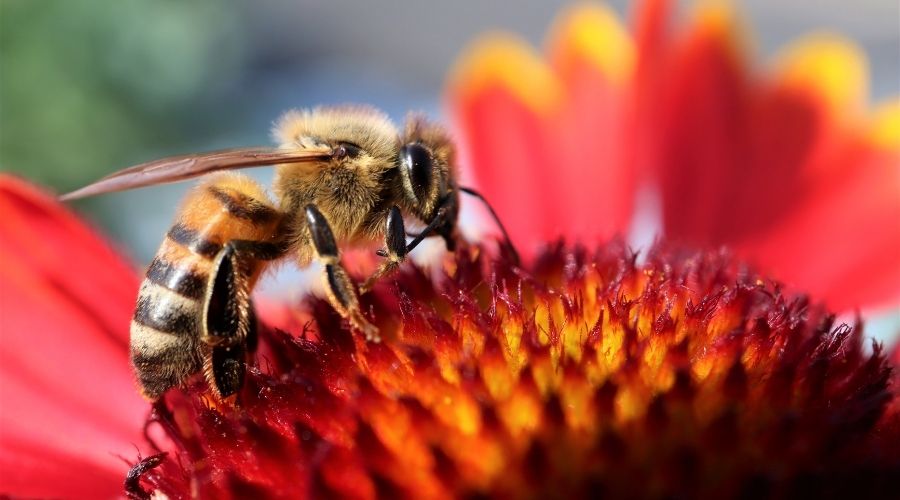
Wildflowers
Florida hosts many native wildflowers that bloom all year. These flowers provide diverse nectar sources for bees. Wildflower honey has a complex, unique flavor. Planting native wildflowers supports local bees and encourages natural honey production.
Credit: rockledgegardens.com
Popular Florida Natives
Florida’s native plants offer rich nectar sources ideal for honey production. These plants thrive in local climates, supporting healthy bee populations. Choosing native species helps beekeepers produce flavorful, natural honey. Below are some popular Florida native plants that attract bees and boost honey yields.
Tea Bush
Tea Bush blooms with small white flowers full of nectar. Bees visit these flowers frequently, collecting ample nectar. This plant grows well in sandy soils common in Florida. Its long blooming season provides steady nectar supply. Tea Bush supports diverse pollinators, enhancing honey production.
Bidens Alba
Bidens Alba, also called Spanish needles, has bright white petals. It flowers almost year-round, making it a vital nectar source. Bees love its easy-to-access nectar and pollen. This plant grows wild in many Florida areas. It helps maintain strong bee colonies through all seasons.
Dune Sunflowers
Dune Sunflowers flourish along Florida’s coastlines and sandy dunes. Their large yellow blooms attract many pollinators, including honeybees. These sunflowers produce abundant nectar with a mild sweetness. They bloom mainly in summer and fall. Dune Sunflowers add variety to honey’s flavor profile.
Blue Porterweed
Blue Porterweed displays spikes of vibrant blue flowers rich in nectar. It thrives in Florida’s warm climate and dry soils. Bees prefer this plant for its high nectar content. The flowers bloom from spring to fall. Blue Porterweed helps extend the nectar flow period for bees.
Tropical Sage
Tropical Sage shows off bright purple flowers that attract honeybees. It grows well in Florida’s tropical and subtropical regions. Bees collect nectar from Tropical Sage for its sweet fragrance. The plant blooms throughout much of the year. This sage variety supports strong honey production and healthy hives.
Herbs That Attract Bees
Herbs play a vital role in attracting bees for honey production in Florida. Bees seek nectar and pollen from herbs that bloom frequently and produce fragrant flowers. Planting herbs that attract bees supports healthy hives and boosts honey yield. These herbs thrive well in Florida’s climate and offer a rich source of food for bees throughout the year.
Borage
Borage is a favorite among bees due to its star-shaped blue flowers. It blooms almost all year in Florida’s warm climate. Bees collect both nectar and pollen from borage, which helps produce a light, mild honey. Borage also grows easily and spreads quickly, making it a practical choice for beekeepers.
Sage
Sage offers strong fragrance and colorful blooms that attract many bees. Its flowers provide ample nectar, especially in late summer and fall. Sage is drought-tolerant and adapts well to Florida soil. This herb supports bee activity during critical honey production months.
Mint
Mint is a robust herb loved by bees for its sweet-smelling flowers. It grows fast and can cover large areas, providing a steady nectar supply. Bees visiting mint produce a fresh, aromatic honey. Mint’s resilience to Florida heat makes it a reliable plant for attracting pollinators.
African Blue Basil
African Blue Basil is a hybrid herb with striking purple flowers. Bees are drawn to its strong scent and abundant nectar. This basil thrives in Florida’s warm weather and blooms for a long season. African Blue Basil enriches the honey with a unique, herbal flavor.
Chaya
Chaya is a leafy green herb that flowers attract bees during Florida’s warm months. Its nectar supports healthy bee colonies and honey flow. Chaya grows well in the state’s tropical conditions and adds diversity to bee forage. It is a valuable herb for beekeepers aiming for consistent honey production.
Credit: www.backyardboss.net
Trees Beneficial For Honey
Trees play a vital role in honey production in Florida. They provide abundant nectar and pollen sources for honeybees. Planting the right trees helps support healthy bee populations and improves honey yield. Some trees stand out for their exceptional benefits to honey production. Their flowers offer rich nectar that bees love. Below are a few important trees beneficial for honey in Florida.
Linden
Linden trees produce fragrant flowers full of nectar. Bees visit linden blossoms in late spring and early summer. The honey made from linden nectar is light and mild. It has a smooth taste that many people enjoy. Linden trees grow well in Florida’s climate. Their large, dense canopies provide shade and shelter for bees.
Chestnut
Chestnut trees bloom in early summer with small, creamy flowers. These flowers attract honeybees and other pollinators. Chestnut honey is dark and rich in flavor. It contains minerals and antioxidants. Bees gather chestnut nectar in large amounts. This tree is a great choice for beekeepers seeking robust honey production.
Sabal Palmetto
Sabal palmetto, also called the cabbage palm, is native to Florida. It produces tiny flowers in spring that bees frequent. The nectar from sabal palmetto yields a mild, golden honey. This tree thrives in sandy soils and coastal areas. It supports honeybees in diverse Florida habitats. Sabal palmetto also provides lasting forage during dry seasons.
Seasonal Blooming Plants
Seasonal blooming plants play a vital role in honey production in Florida. Bees depend on a steady flow of nectar and pollen throughout the year. Different plants bloom in different seasons, creating a continuous food source for honeybees. Choosing the right plants for each season helps maintain healthy bee colonies and boosts honey yield.
Florida’s climate supports a wide variety of flowering plants. From hot summers to mild winters, each season brings unique plants that attract bees. Let’s explore the best seasonal bloomers for honey production in Florida.
Summer Annuals
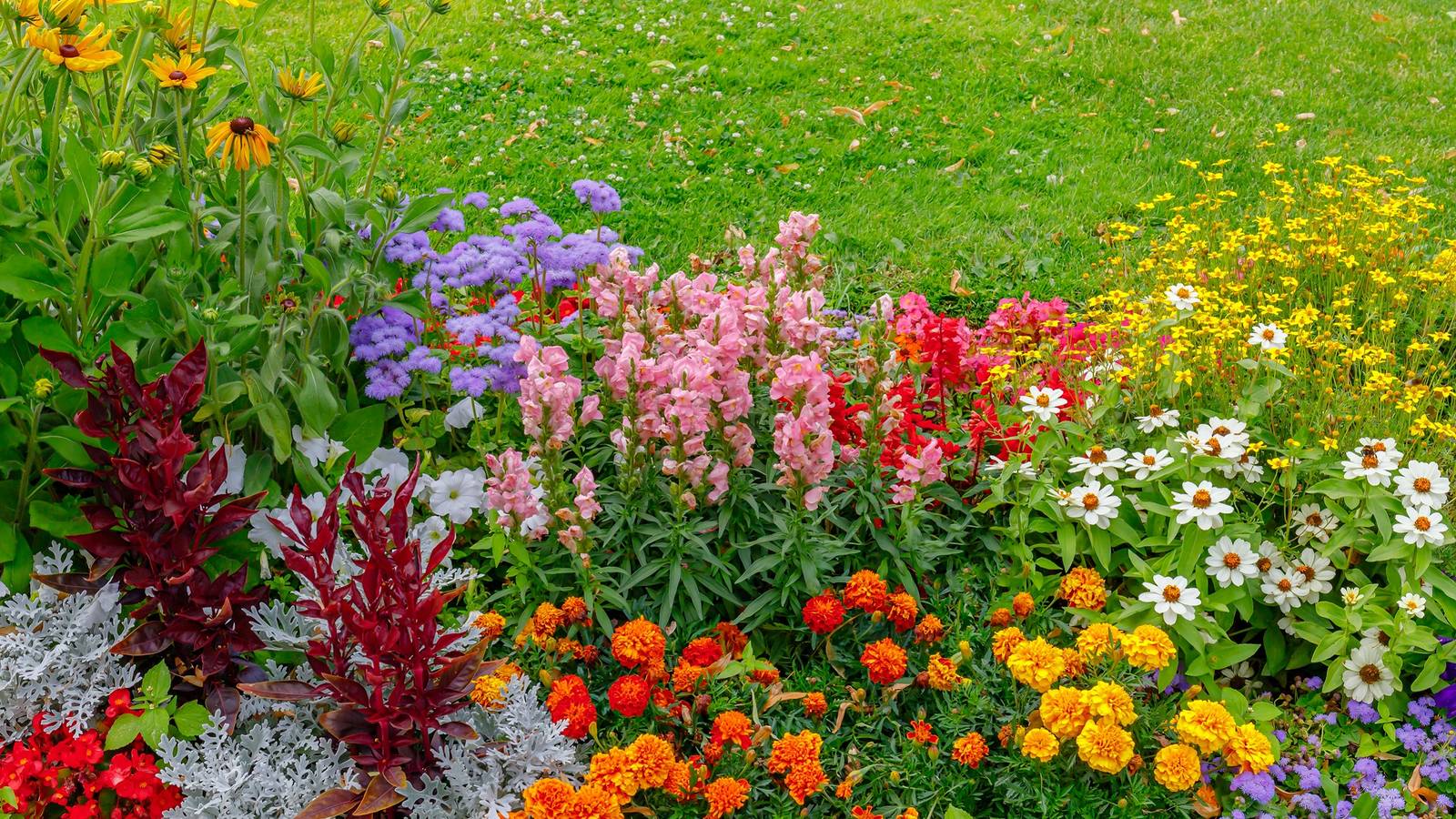
Summer annuals bloom quickly and produce abundant nectar. Sunflowers stand out as a top choice. They offer large flower heads filled with pollen. Zinnias are another favorite. Their bright colors attract many bees. Basil and borage also thrive in Florida summers. These herbs provide both nectar and pollen. Planting summer annuals ensures bees stay active during hot months.
Fall Perennials
Fall perennials extend the nectar flow into cooler months. Goldenrod is a key plant in fall. It blooms late and produces rich nectar. Asters also bloom in fall and attract numerous bees. Sedum offers thick clusters of flowers that bees love. Chrysanthemums provide a last burst of pollen before winter. These plants support bees preparing for colder days ahead.
Winter Bloomers
Winter bloomers keep bees fed in mild Florida winters. Florida’s native tea bush flowers during this time. Blue porterweed is another winter favorite. It offers nectar in the cooler months. Tropical sage and scorpiontail also bloom in winter. These plants provide vital resources when many others are dormant. Including winter bloomers helps maintain hive strength year-round.
Planting Tips For Florida
Planting the best plants for honey production in Florida needs careful planning. This helps bees gather nectar and pollen easily. Follow simple tips to create a thriving garden for honeybees.
Garden Layout
Place plants in groups to help bees find flowers faster. Mix different flowering plants that bloom at various times. This provides a continuous food source for bees throughout the year. Leave some open spaces for bees to fly freely. Avoid planting all the same species in one spot.
Soil And Water Needs
Use well-draining soil to keep roots healthy. Florida’s sandy soil works well for many bee-friendly plants. Water plants regularly but avoid waterlogging. Morning watering is best to reduce disease risk. Mulch around plants to keep soil moist and cool.
Pest Management
Watch plants for pests that harm flowers or leaves. Use natural pest control methods like neem oil or insecticidal soap. Avoid chemical pesticides that can kill bees. Encourage beneficial insects like ladybugs to control pests. Regularly remove dead or diseased plant parts to keep the garden healthy.
Enhancing Honey Flavor
Enhancing honey flavor depends on several natural factors. The type of flowers bees visit affects the taste deeply. Nectar quality and timing of harvest also change honey’s flavor. Understanding these helps beekeepers produce the best honey in Florida.
Flower Variety
Different flowers give honey unique tastes. Florida offers many plants like citrus, wildflowers, and herbs. Citrus blossoms add a light, fruity flavor. Wildflowers create a rich, complex taste. Herbs like rosemary give a strong, herbal note. Mixing flower sources can create balanced honey flavors.
Nectar Composition
Nectar contains sugars and other compounds that shape honey’s sweetness. The sugar type varies by plant species. Some nectars have higher fructose, making honey sweeter. Others have more glucose, giving a firmer texture. Minerals and acids in nectar add subtle flavor layers. Bees collect nectar carefully to keep these flavors pure.
Harvest Timing
When honey is harvested affects its flavor and quality. Early harvests capture fresh, light flavors. Later harvests can produce stronger, darker honey. Weather and plant bloom cycles guide the best harvest time. Proper timing ensures honey keeps its natural aroma and taste. Beekeepers watch plants closely to pick the right moment.
Frequently Asked Questions
What Plant Produces The Most Honey?
Clover produces the most honey worldwide due to its high nectar yield. Goldenrod and sourwood also support abundant honey production.
What Plant Makes The Best Tasting Honey?
Clover, lavender, and wildflowers produce the best tasting honey. Sourwood and goldenrod also yield flavorful honey. These plants attract bees and create rich, unique honey flavors.
What Plants Are Best For Honey Production?
The best plants for honey production include clover, goldenrod, lavender, borage, wildflowers, sourwood, and sunflowers. These plants provide abundant nectar and pollen, attracting bees and boosting honey yield. Planting diverse blooms ensures steady honey flow throughout the seasons.
What Flowers Are Good For Honey Bees In Florida?
Florida honey bees favor native flowers like Tea Bush, Bidens alba, dune sunflowers, blue porterweed, tropical sage, scorpiontail, rudbekia, and coreopsis. Herbs such as African blue basil, chaya, mint, lavender, and sage also attract many bees. These plants support strong honey production and pollination.
Conclusion
Choosing the right plants helps boost honey production in Florida. Native flowers like Bidens alba and dune sunflowers attract many bees. Herbs such as mint and tropical sage thrive well here. Planting a mix of these supports bees all year round.
Healthy bees mean more honey and a stronger ecosystem. Start with easy-to-grow plants to enjoy sweet, natural honey soon.