If you’re looking to create a beautiful and effective hedge in South Florida, choosing the right plant is key. You want something that thrives in the warm climate, stays lush year-round, and offers privacy without demanding constant care.
Imagine stepping outside to a vibrant green wall that not only defines your space but also boosts your home’s curb appeal. You’ll discover the best plants for hedges that fit South Florida’s unique environment perfectly. Whether you’re after fast growth, low maintenance, or stunning flowers, we’ve got you covered.
Keep reading to find the perfect hedge plant that will transform your yard effortlessly.
Top Hedge Plants For South Florida
Choosing the right hedge plants in South Florida means considering climate, soil, and maintenance needs. The best plants thrive in warm temperatures and handle humidity well. They create beautiful, dense barriers that last year-round. Below are top hedge plants that suit South Florida’s environment perfectly.
Evergreen Options
Evergreen plants keep their leaves all year. They provide privacy and greenery in every season. Arborvitae is a popular choice because it grows tall and dense. Waxleaf Privet is another excellent evergreen that is fast-growing and easy to trim. Dwarf English Laurel is perfect for smaller spaces and stays lush throughout the year.
Flowering Shrubs
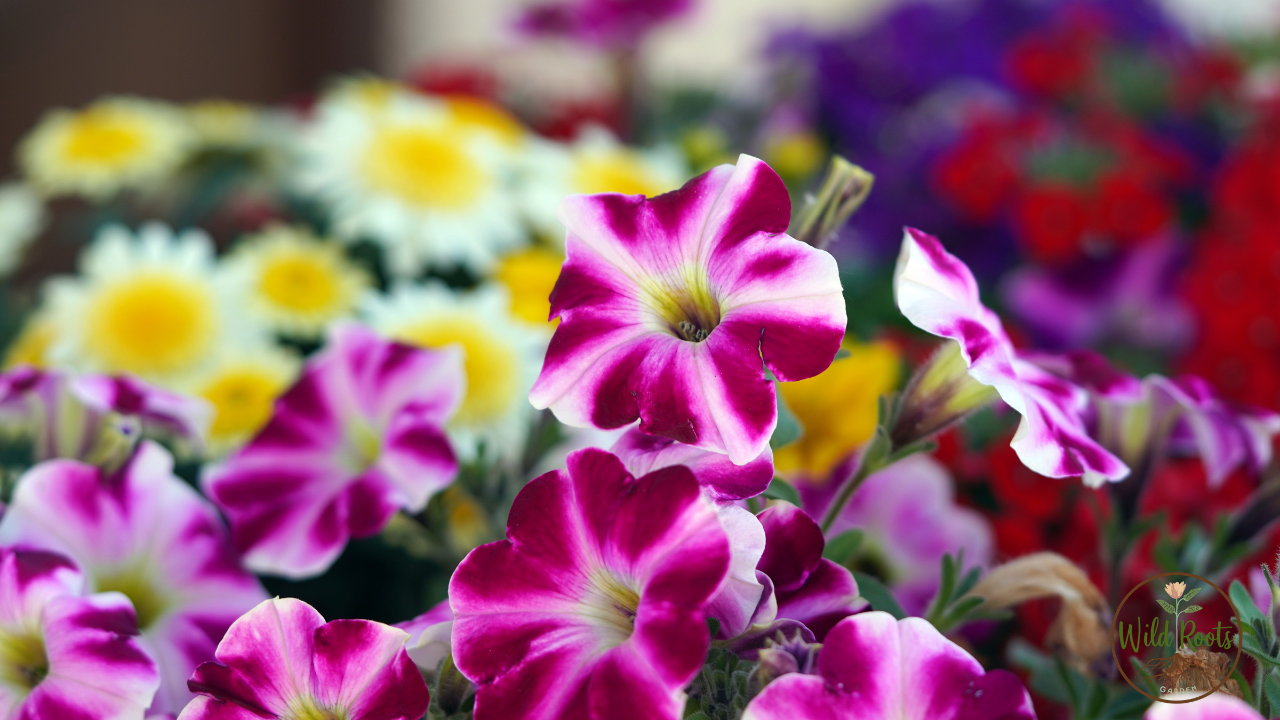
Flowering shrubs add color and charm to hedges. The Hibiscus shrub thrives in South Florida’s heat and blooms with bright flowers. Bougainvillea offers vibrant colors and grows quickly as a hedge. Oleander is hardy and blooms continuously, making it a lovely flowering hedge option.
Native Plants
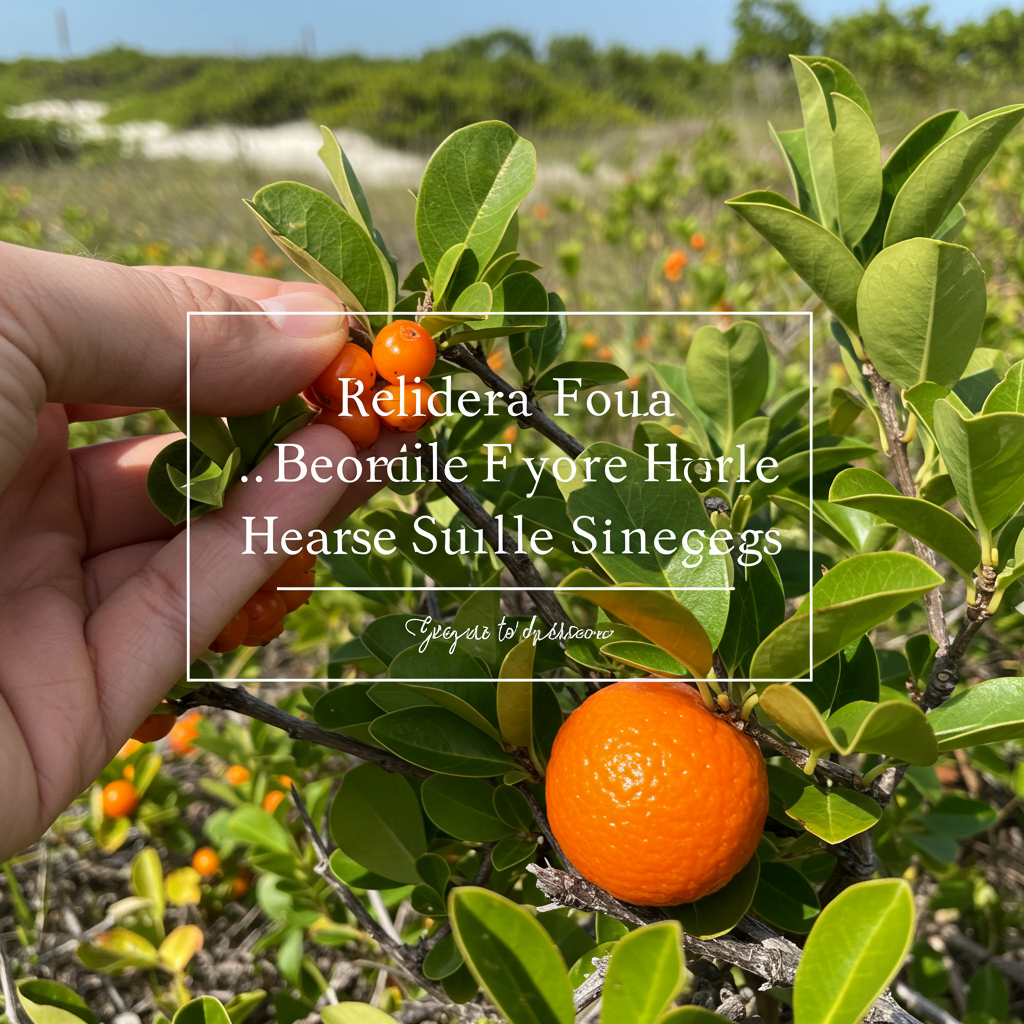
Native plants adapt well to local conditions and support wildlife. Simpson’s Stopper is a great native hedge with small white flowers and red berries. Cocoplum grows thick and works well as a privacy screen. Wild Coffee is another native choice, offering dense green foliage and attracting birds.
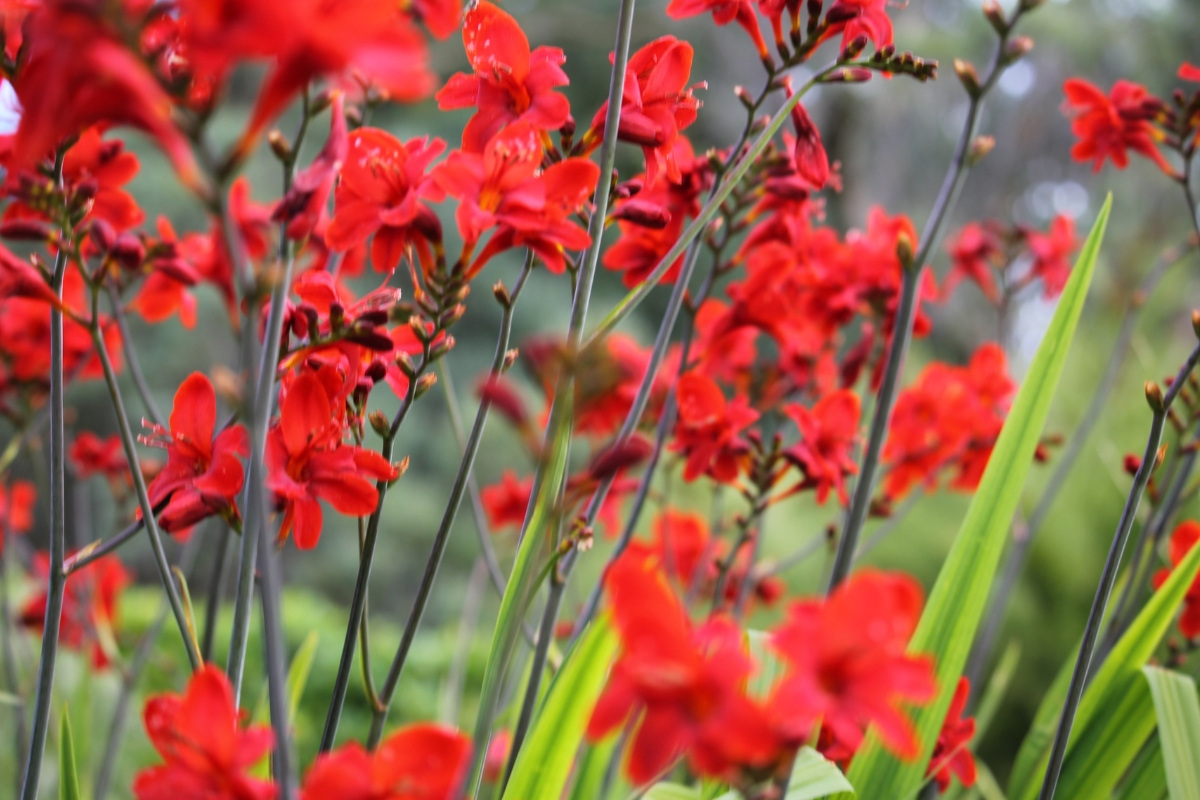
Credit: sherlocktree.com
Arborvitae For Privacy
Arborvitae is a popular choice for privacy hedges in South Florida. It offers a dense, lush screen that blocks views and noise effectively. This evergreen plant grows tall and narrow, making it perfect for tight spaces. It stays green all year, adding beauty to your landscape in every season.
Growth And Shape
Arborvitae grows in a cone shape, reaching heights of 10 to 15 feet. It grows steadily, about 1 to 2 feet per year. The branches are tightly packed, creating a thick wall of greenery. Its slim form fits well along fences or property lines. This plant adapts well to the warm, humid climate of South Florida.
Maintenance Tips
Arborvitae requires little care once established. Water regularly during dry spells but avoid overwatering. Trim the hedge lightly each year to keep its shape neat. Use mulch around the base to retain soil moisture. Watch for pests like spider mites and treat early to prevent damage. Proper care ensures a healthy, long-lasting privacy hedge.
Low Maintenance Hedge Choices
Choosing low maintenance hedges is smart for South Florida gardens. These plants save time and water. They thrive with little care under the hot sun. Strong against pests and diseases, they keep your hedge healthy. They also stay attractive year-round with minimal pruning. Here are three great options that fit these needs.
Boxwood Varieties
Boxwoods are classic hedges with dense, green leaves. They grow well in South Florida’s warm climate. These shrubs need little water once established. Their slow growth means less trimming is required. Boxwoods handle both sun and shade. They create neat, formal borders or soft privacy screens.
Dwarf Golden False Cypress
Dwarf Golden False Cypress is a compact, colorful evergreen. It has bright yellow-green foliage that adds charm. This plant tolerates heat and humidity well. It grows slowly, keeping its shape with little pruning. It also resists pests and drought. Ideal for small spaces or mixed hedges.
Glossy Abelia
Glossy Abelia is a tough shrub with shiny leaves. It blooms small, fragrant flowers from spring to fall. This plant loves full sun and well-drained soil. It requires almost no pruning to keep a tidy shape. Glossy Abelia attracts butterflies and birds. A beautiful, wildlife-friendly choice for low maintenance hedges.

Credit: jungleplants.com
Planting Time For Hedges
Planting time plays a big role in the success of hedges in South Florida. Choosing the right months to plant helps hedges grow strong and healthy. Proper timing also reduces stress on plants and boosts their survival rate. Understanding the best time to plant lets gardeners enjoy lush, full hedges faster.
Best Months To Plant
In South Florida, the best months to plant hedges are from October to March. These months offer cooler temperatures and less humidity, which helps young plants settle. Planting during this period allows roots to grow before the hot summer arrives. Avoid planting in the peak summer months to prevent heat stress and water loss.
Benefits Of Dormant Planting
Dormant planting means planting when hedges are not actively growing. This usually happens in the cooler months. Dormant planting helps roots focus on growth without the stress of supporting leaves. It reduces water needs and lowers the risk of pests and diseases. This method gives plants a strong start for the growing season.
Hedge Care And Upkeep
Maintaining healthy hedges in South Florida requires consistent care and attention. Proper upkeep ensures your plants stay vibrant and dense. Regular watering, pruning, and pest control are key. These steps help hedges grow strong and beautiful year-round.
Watering Guidelines
South Florida’s climate is warm and often humid. Water hedges deeply once or twice a week. Early morning is the best time to water. Avoid overwatering as it can cause root rot. Use mulch around the base to retain moisture and reduce watering frequency.
Pruning Techniques
Prune hedges regularly to keep their shape neat and compact. Use sharp, clean tools to avoid damaging the plants. Trim new growth lightly every few weeks during the growing season. Remove dead or diseased branches promptly to promote healthy growth.
Pest Management
Monitor hedges for common pests like aphids, scale, and spider mites. Use insecticidal soap or neem oil to control infestations naturally. Keep the area clean from fallen leaves and debris to reduce pest hiding spots. Encourage beneficial insects like ladybugs to help manage pests.
Design Ideas For South Florida Hedges
Designing hedges in South Florida offers many creative options. The climate supports a variety of plants that fit different styles and purposes. Choosing the right design enhances both privacy and the beauty of your outdoor space. Planting hedges can define areas, add color, and create a natural barrier.
Explore ideas that match your style and needs. Whether you prefer a neat look or a natural feel, South Florida plants provide excellent choices. Mixing plants can also create interesting textures and colors for your hedge.
Formal Vs. Informal Styles
Formal hedges have clean, straight lines and uniform height. They give a polished, classic appearance. Plants like Boxwood or Podocarpus work well for this look. Regular trimming keeps the shape sharp and tidy.
Informal hedges grow more freely with varied shapes. They create a relaxed and natural vibe. Plants such as Viburnum or Simpson’s stopper fit this style. This approach needs less pruning and allows plants to bloom naturally.
Using Hedges For Privacy And Beauty
Hedges block views and reduce noise, offering privacy. Taller plants like Arborvitae or Clusia provide dense coverage. These evergreens stay lush year-round in South Florida.
Hedges also add color and texture. Flowering varieties like Viburnum add seasonal blooms. Mixing different green shades enhances visual interest. Hedges can frame walkways or create cozy garden rooms.
Combining Different Plants
Mixing plant types creates depth and variety in your hedge. Combine tall evergreens with flowering shrubs for color contrast. Use shorter plants in front to add layers.
Choose plants with similar water and sunlight needs. This keeps maintenance easier and plants healthy. Combining textures, like broad leaves and fine needles, creates a rich look. Experiment with native South Florida plants for best results.
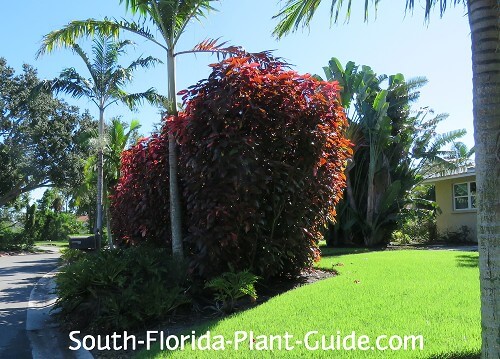
Credit: www.south-florida-plant-guide.com
Frequently Asked Questions
What Is The Best Hedge For Privacy In South Florida?
Arborvitae is the best hedge for privacy in South Florida. It grows tall, dense, evergreen, and requires low maintenance.
What Are The Best Low Maintenance Hedge Plants?
Arborvitae, Boxwood, and Dwarf Golden False Cypress offer low maintenance, dense privacy hedges. Flowering Quince and Glossy Abelia add beauty with minimal care.
What Is The Best Month To Plant A Hedge?
The best months to plant a hedge are November through April. Plants are dormant and focus on root growth then.
What Plant Makes The Perfect Hedge?
Boxwood, Holly, and Arborvitae make perfect hedges due to their dense foliage and easy maintenance. These evergreens suit various climates and privacy needs.
Conclusion
Choosing the right hedge plant ensures a beautiful, green privacy screen. South Florida’s climate suits many evergreen and flowering shrubs well. Plants like Arborvitae, Boxwood, and Privet grow quickly and need little care. They keep your garden lush and private all year.
Planting during cooler months helps roots settle faster. Healthy hedges add value and charm to any home. Start your hedge project today for lasting beauty and privacy.