If you live in Orlando and want a thriving garden, knowing the best planting dates is key. When you plant at the right time, your vegetables, herbs, and flowers grow faster and stronger.
But with Florida’s unique climate, it can be tricky to figure out exactly when to start. This guide will help you discover the ideal months to plant different crops so you can enjoy a vibrant garden all year round. Whether you’re a beginner or a seasoned gardener, understanding the best planting dates will save you time, effort, and disappointment.
Ready to grow your best garden yet? Keep reading to learn the secrets of planting success in Orlando!
Climate And Growing Seasons
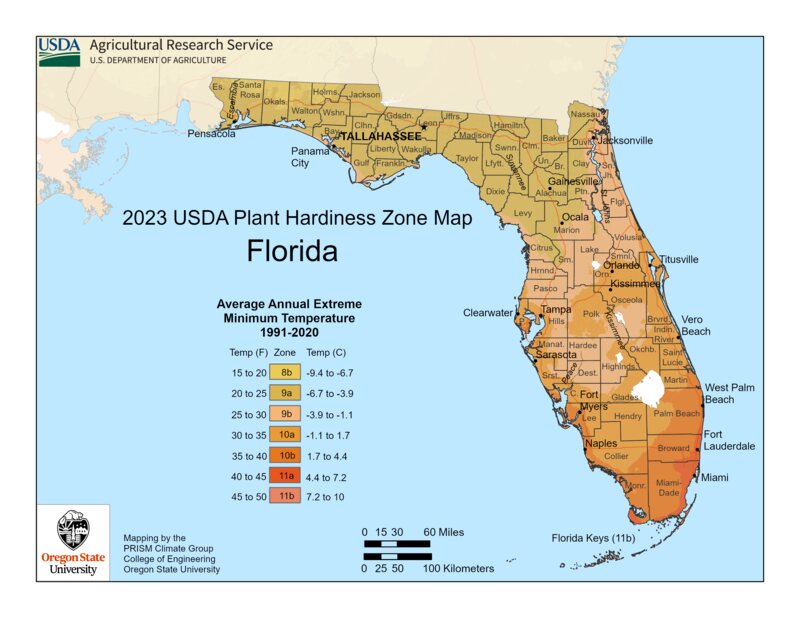
Orlando, Florida, enjoys a warm and humid climate ideal for gardening. The city has long growing seasons that allow planting almost all year. Understanding the climate helps choose the best planting dates. The seasons affect plant growth speed and success.
Year-round Planting Benefits
Orlando’s mild winters and hot summers support planting at any time. Plants grow faster in warm months but can survive cooler months. Gardeners can enjoy fresh vegetables and flowers year-round. This flexibility reduces the risk of crop failure.
Spring And Summer Growth
Spring and summer are the fastest growing seasons in Orlando. Warm temperatures and longer daylight help plants thrive. Most vegetables and flowers grow best from March to August. Watering regularly is important due to summer heat.
Fall And Winter Growth
Fall and winter are cooler but still good for certain plants. Cool-season vegetables like broccoli and lettuce grow well in these months. Growth slows but plants require less water and care. Planting in fall prepares the garden for spring harvest.
Best Planting Months
Choosing the best planting months in Orlando, Florida, can boost your garden’s success. The region’s warm climate lets you plant many crops throughout the year. Still, some months provide better conditions for seed germination and growth. Understanding these months helps you decide when to sow your vegetables, herbs, and flowers. Below are key planting periods to consider for vibrant, healthy plants.
Early Spring To Mid-april
Early spring is ideal for starting many warm-season crops. By this time, the last cold spells have usually passed. Soil warms up, helping seeds to sprout quickly. Plant tomatoes, peppers, squash, and cucumbers during this period. These vegetables thrive in warm soil and longer daylight. Early spring planting gives your crops enough time to mature before summer heat peaks.
October Planting Guide
October is perfect for cool-season vegetables in Orlando. You can plant broccoli, cabbage, carrots, and leafy greens like lettuce and spinach. These plants prefer cooler temperatures and shorter days. October also suits fast-growing warm-season crops like green beans and peppers. Herbs such as parsley and cilantro do well now. This month also supports planting strawberries and spring-blooming bulbs.
August Planting Tips
August can be a good month for planting in Orlando if you choose the right crops. Focus on heat-tolerant vegetables like okra and sweet potatoes. Start seeds indoors for fall crops such as broccoli and cabbage. Maintain soil moisture with regular watering to combat summer heat. Using mulch helps keep soil cool and retains moisture. August planting prepares your garden for a productive fall harvest.
Cool-season Vegetables
Orlando’s mild winters create ideal conditions for growing cool-season vegetables. These crops thrive in cooler temperatures and shorter days. Planting at the right time ensures healthy growth and a good harvest. Most cool-season vegetables do well when planted from late September through February.
Brassicas Varieties
Brassicas include broccoli, cabbage, cauliflower, and kale. These vegetables prefer cool weather to develop their best flavor. Plant seeds or seedlings in October or November for a winter harvest. They need well-drained soil and full sun. Keep the soil moist but not waterlogged to avoid diseases.
Root Vegetables
Root crops like carrots, beets, radishes, and turnips grow well in Orlando’s cool season. Sow seeds directly into loose, sandy soil from September to December. These vegetables need consistent moisture and full sun. Harvest before the weather gets too warm to keep roots tender and sweet.
Leafy Greens
Leafy greens such as lettuce, spinach, Swiss chard, and arugula flourish in cooler months. Plant seeds or transplants between October and January for best results. These crops grow quickly and can be harvested multiple times. Provide partial shade if the sun becomes too strong late in the season.
Other Cool-season Crops
Celery, leeks, onions, and kohlrabi also prefer cooler weather. Start seeds indoors in September or plant transplants in October. These vegetables require regular watering and rich soil. Protect young plants from occasional cold snaps with row covers or frost cloths.
Warm-season Vegetables
Warm-season vegetables thrive in Orlando’s hot and sunny climate. These crops grow best when temperatures stay above 60°F. Planting at the right time ensures healthy plants and a bountiful harvest. Most warm-season vegetables need plenty of sunlight and warm soil to develop quickly.
Orlando gardeners can start planting warm-season vegetables in mid-spring. This timing avoids late frosts that can harm young plants. Warm-season crops keep producing through the summer until early fall. Proper planting dates help avoid pests and diseases common in hot weather.
Fast-growing Crops
Fast-growing warm-season vegetables give quick rewards. Green beans, cucumbers, and summer squash mature in about 50 to 60 days. These crops grow well in Orlando’s warm climate. Plant seeds outdoors after mid-March for best results. Regular watering and fertile soil boost growth speed. Fast growers fill the garden with fresh produce in a short time. They also fit well in small spaces or containers.
South Florida Favorites
Some warm-season vegetables are especially popular in South Florida. Tomatoes, peppers, and sweet corn thrive in the heat and humidity. Start these plants indoors in early spring. Transplant them outside when temperatures rise steadily. These favorites handle Orlando’s long growing season well. They provide vibrant colors and flavors to home gardens. Choosing varieties bred for the region increases success rates. South Florida favorites offer diverse options for gardeners.
Herbs And Fruits
Growing herbs and fruits in Orlando’s climate is rewarding. The warm weather supports many varieties year-round. Planting at the right time improves growth and flavor. Below are key planting dates and tips for popular herbs and fruits.
Popular Herbs
Herbs like basil, parsley, and cilantro thrive in Orlando’s warm seasons. Plant these herbs from early spring to late summer. Avoid planting during the coldest months to prevent damage. Herbs prefer well-drained soil and plenty of sunlight. Regular watering helps herbs grow strong and healthy. Harvest leaves often to encourage new growth.
Strawberries
Strawberries grow best when planted in late fall or early winter. This timing helps plants establish before the hot summer. Use raised beds or containers with rich soil for better drainage. Keep the soil moist but avoid waterlogging. Mulch around plants to control weeds and keep roots cool. Expect fruit in early spring, with sweet, juicy berries.
Ornamentals And Other Plants
Ornamentals and other plants add beauty and texture to Orlando gardens. Choosing the right planting dates helps these plants thrive. Knowing when to plant ensures strong roots and vibrant blooms. This section covers spring-blooming bulbs and lawn care tips for Orlando.
Spring-blooming Bulbs
Plant spring-blooming bulbs like tulips and daffodils in late fall. This timing lets bulbs develop roots before winter. Orlando’s mild winters protect bulbs from frost damage. Bulbs will bloom beautifully in early spring. Use well-drained soil and a sunny spot for best results. Water bulbs after planting to start root growth.
Lawns And Turf
Plant new lawns or overseed existing turf in early spring or fall. These seasons offer cooler temperatures and regular rainfall. Choose grass types suited for Orlando’s climate, like St. Augustine or Bermuda grass. Prepare soil by removing weeds and loosening the surface. Water lawns daily until grass establishes. Proper planting dates help lawns grow lush and green.
Tree And Shrub Planting
Planting trees and shrubs in Orlando requires understanding the best times and methods. These plants add beauty and value to your garden. Choosing the right planting dates helps them grow strong and healthy.
Orlando’s warm climate allows some flexibility in planting. Still, timing and care make a big difference for success. Follow simple tips to give your trees and shrubs a good start.
Best Timing
Plant trees and shrubs in Orlando from late winter to early spring. This period, from February to April, avoids extreme heat. The soil stays moist, helping roots establish well. Fall planting is also possible but needs extra watering. Avoid the hottest summer months to reduce stress on new plants.
Planting Tips
Dig a hole twice as wide as the root ball. Place the plant at ground level to avoid root rot. Fill the hole with native soil mixed with compost. Water deeply right after planting to settle the soil. Mulch around the base to keep moisture and reduce weeds. Regular watering during the first year is crucial for growth.

Credit: www.youtube.com
Monthly Planting Calendar
Understanding the monthly planting calendar helps gardeners in Orlando plan their gardens effectively. The climate here allows planting throughout the year. Each season supports different crops for best growth and harvest.
Knowing what to plant and when improves success rates. It saves time and resources while increasing yield. Below is a simple guide divided by quarters of the year.
January To March
These months are great for starting cool-season vegetables. Plant broccoli, cabbage, and leafy greens like lettuce. Root vegetables such as carrots and radishes also do well now. It is the last chance to plant before the warmer weather.
Start herbs like parsley and cilantro indoors. This period prepares the garden for the busy spring season. Keep soil moist and watch for early pests.
April To June
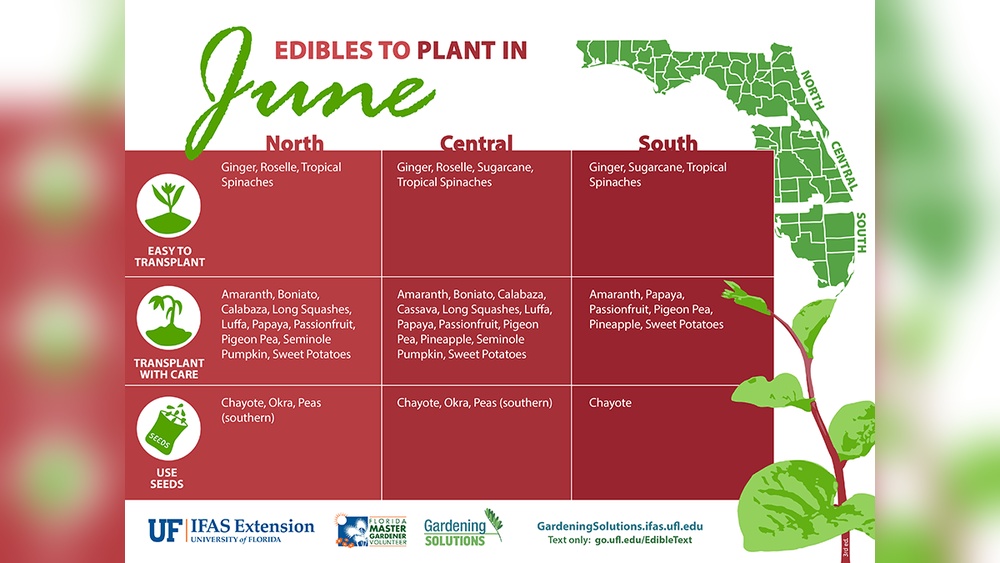
Warm-season vegetables thrive during these months. Plant tomatoes, peppers, squash, and beans outdoors. This is the best time for corn and cucumbers too. Water regularly to support fast growth.
Summer flowers and herbs can be added now. Mulching helps retain moisture in the hot sun. Gardeners should check for signs of heat stress in plants.
July To September
Focus on heat-tolerant plants during this hot period. Okra, sweet potatoes, and eggplant grow well. Start seeds for fall vegetables indoors. Keep watering deeply and protect young plants from intense sun.
This is also a good time to plant herbs like basil and thyme. Monitor for pests that thrive in warm, humid weather. Proper care during this time ensures a strong fall garden.
October To December
This season favors cool-season crops again. Plant broccoli, cabbage, carrots, and spinach now. Leafy greens like lettuce and Swiss chard also do well. It is a good time to sow herbs and spring bulbs.
Gardeners can start preparing soil for next year’s planting. Protect young plants from occasional cold snaps. Regular watering and mulching help plants stay healthy.
Soil Preparation And Care
Preparing the soil is a vital step before planting in Orlando, Florida. Healthy soil supports strong plants and better yields. Proper care improves soil structure and nutrient levels. It also helps retain moisture during dry spells. Follow these steps to prepare your garden soil effectively.
Soil Testing
Start with a soil test to know its condition. Testing shows pH levels and nutrient content. You can get a kit from garden centers or send samples to a lab. This information guides you on what your soil lacks. Testing prevents over-fertilizing and saves money.
Amendments And Fertilization
Based on test results, add soil amendments to improve quality. Organic matter like compost or manure boosts soil health. Amendments help loosen heavy clay or sandy soils. Use balanced fertilizers to supply essential nutrients. Follow recommended amounts to avoid plant damage.
Mulching Techniques
Mulching keeps soil moist and controls weeds around plants. Spread a 2-3 inch layer of organic mulch like bark or straw. Mulch also moderates soil temperature in hot Florida weather. Replace mulch as it breaks down to maintain its benefits.

Credit: www.orlandosentinel.com
Pest And Disease Management
Managing pests and diseases is key to a healthy garden in Orlando, Florida. The warm climate encourages many insects and plant diseases. Knowing which pests attack and how to stop them helps protect your plants. Using safe and natural methods keeps your garden eco-friendly and thriving.
Common Pests In Orlando
Orlando gardens often face pests like aphids, whiteflies, and spider mites. These small insects suck plant juices, causing leaves to yellow and curl. Caterpillars and beetles also chew leaves and stems. Some pests spread diseases that harm plants further. Identifying these pests early can save your garden from damage.
Organic Control Methods
Use neem oil or insecticidal soap to control soft-bodied insects naturally. Introducing ladybugs and lacewings helps reduce aphid populations. Handpick larger pests like caterpillars and beetles to protect plants. Avoid chemical pesticides to keep beneficial insects safe. Regular spraying with water can wash off pests and eggs.
Preventative Practices
Plant disease-resistant varieties suited for Orlando’s climate. Rotate crops yearly to avoid soil-borne diseases. Keep garden clean by removing dead leaves and weeds. Water plants early in the day to prevent fungal growth. Space plants properly to improve air circulation and reduce humidity. Mulch helps retain moisture and limits weed growth.
Credit: www.lawnstarter.com
Frequently Asked Questions
What Is The Best Month To Plant In Florida?
The best month to plant in Florida is March through April, after the last cold spell passes. Spring and summer promote faster growth, while fall and winter slow it down. Florida’s warm climate allows year-round planting, but spring offers optimal conditions for most plants.
What Can I Plant In October In Florida?
Plant cool-season vegetables like broccoli, cabbage, carrots, lettuce, and spinach in October across Florida. South Florida suits warm-season crops such as green beans, cucumbers, peppers, and tomatoes. Herbs like dill, parsley, and cilantro, plus strawberries and spring bulbs, also thrive when planted this month.
What To Plant In Central Florida In August?
Plant heat-tolerant vegetables like okra, sweet potatoes, and southern peas in Central Florida in August. Start herbs such as basil and oregano. Also, sow warm-season flowers like zinnias and sunflowers for vibrant summer blooms.
What To Plant In Fl In September?
Plant cool-season vegetables like broccoli, cabbage, carrots, and leafy greens in Florida during September. Also, sow herbs such as dill and cilantro. In South Florida, try warm-season crops like green beans, cucumbers, peppers, and tomatoes. September suits planting spring-blooming bulbs and starting new lawns too.
Conclusion
Planting at the right time helps your garden grow strong. Orlando’s warm climate allows year-round planting, but spring and summer are best. Choose cool-season vegetables like broccoli and lettuce for fall planting. Warm-season crops like beans and peppers do well too.
Follow these dates to enjoy healthy plants and a bountiful garden. Start planting today and watch your garden thrive in Orlando’s unique weather.