Are you ready to transform your Florida garden into a thriving food forest bursting with delicious, homegrown bounty? Choosing the best plants is the key to creating a lush, productive space that suits Florida’s unique climate.
Whether you want juicy tropical fruits, flavorful berries, or heat-loving vegetables, this guide will help you pick the perfect plants for your food forest. Keep reading to discover which plants will thrive in your backyard, boost your harvest, and make your gardening experience both enjoyable and rewarding!
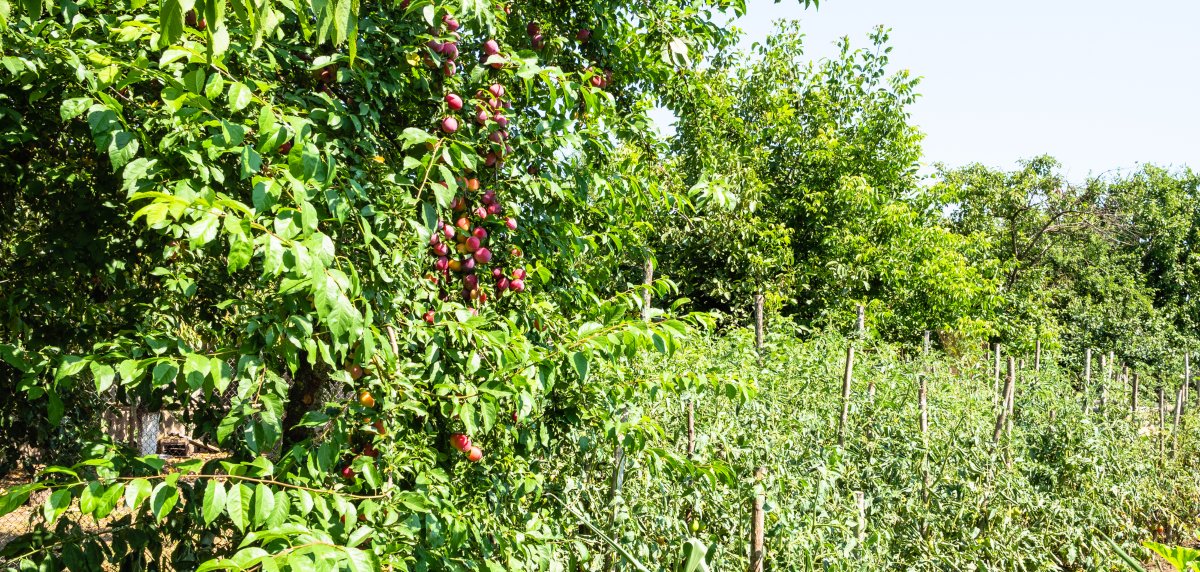
Credit: grocycle.com
Tropical Fruit Trees
Tropical fruit trees thrive in Florida’s warm climate and rich soil. They bring lush greenery and delicious harvests to any food forest. These trees not only provide tasty fruits but also support local wildlife. Planting tropical fruit trees adds beauty and abundance to your garden.
Mangoes And Papayas
Mango trees grow well across Florida. They produce sweet, juicy fruits in summer. Papayas are fast-growing and fruit quickly. Their soft, orange flesh is rich in vitamins. Both trees need full sun and good drainage. They make excellent choices for home orchards.
Passion Fruit And Citrus Varieties
Passion fruit vines climb easily and bear fragrant, tangy fruits. Citrus trees like oranges, lemons, and limes are staples in Florida gardens. These trees offer fresh juice and zest for cooking. They prefer well-drained soil and plenty of sunlight. Citrus trees also attract pollinators and beneficial insects.
Sugarcane And Lemongrass
Sugarcane adds a sweet touch and grows tall in Florida’s heat. It can be harvested for juice or used as mulch. Lemongrass grows in clumps and releases a lemon scent. It repels pests and adds flavor to meals. Both plants are hardy and low-maintenance, perfect for tropical food forests.
Native Edible Plants
Florida’s native edible plants thrive in its warm climate and rich soil. These plants have adapted naturally and need less care. They provide food and support local wildlife. Including native plants in a food forest helps create a balanced ecosystem. Native plants often resist pests and diseases better than non-natives. They also use water efficiently, making them eco-friendly choices for gardeners.
Many native Florida plants bear fruits and other edible parts. They add variety and nutrition to your food forest. Here are some of the best native edible plants to consider.
Sabal Palm Hearts
The Sabal Palm is Florida’s state tree. Its heart, found at the center of the trunk, is edible and tender. People have harvested palm hearts for centuries. The flavor is mild and slightly nutty, perfect for salads or cooking. Sabal Palms grow well in sandy soils and full sun. They require little maintenance once established. Harvesting the heart kills the palm, so plant several to ensure a steady supply.
Seagrape And Beautyberry
Seagrape is a coastal native with large, round leaves and grape-like fruit clusters. The fruit ripens to a purple color and tastes sweet with a hint of tartness. It can be eaten fresh or made into jellies and jams. Beautyberry is a shrub with striking purple berries that grow in clusters. The berries have a mild flavor and are often used in preserves. Both plants attract birds and pollinators, adding life to your garden.
Wild Muscadine Grapes
Wild Muscadine grapes grow in many parts of Florida. These thick-skinned grapes have a rich, sweet flavor. They are excellent for fresh eating, juice, and wine-making. Muscadine vines are hardy and tolerate heat and humidity. They climb naturally, making them suitable for fences or trellises. These grapes add a unique taste and nutritional boost to your food forest.
Berries For Florida Gardens
Berries are a delightful addition to any Florida food forest. They provide tasty fruits that attract wildlife and support biodiversity. Many berry plants grow well in Florida’s warm climate and rich soil. Their vibrant colors add beauty to gardens while offering fresh, nutritious treats. Choose berry varieties that thrive locally for the best results. They need little care and reward gardeners with bountiful harvests each season.
Blackberries And Dewberries
Blackberries and dewberries are hardy and easy to grow in Florida. They produce sweet, juicy fruits in late spring to summer. These plants prefer sunny spots and well-drained soil. Dewberries spread along the ground, making them good ground cover. Blackberries grow as thorny shrubs or trailing vines. Both attract pollinators and birds to the garden. Regular pruning helps increase berry production and maintain plant health.
Blueberries And Strawberries
Blueberries thrive in Florida’s acidic, sandy soils. They need full sun and consistent moisture for best fruit. Blueberries offer antioxidant-rich berries from spring to early summer. Strawberries grow well in Florida’s mild winters and warm springs. They produce sweet berries that are perfect for fresh eating or desserts. Both plants benefit from mulching to keep roots cool and moist. Choose varieties bred for Florida’s climate to ensure success.
May-haw And Red-haw Berries
May-haw and red-haw berries come from native hawthorn trees. These trees grow well in moist, well-drained soils across Florida. Their fruits ripen in late spring and attract wildlife like birds and butterflies. The berries have a tart flavor and are great for jellies and jams. Hawthorns also have beautiful white flowers that add charm to food forests. They require little maintenance once established and add seasonal interest.
Heat-tolerant Vegetables
Heat-tolerant vegetables thrive in Florida’s hot and humid climate. These plants produce well despite high temperatures. Growing them in a Florida food forest ensures fresh, healthy food year-round. Choose varieties that resist heat stress and pests. This section highlights some top heat-tolerant vegetables perfect for Florida gardens.
Okra And Eggplants
Okra loves the heat and grows quickly in Florida. It produces tender pods ideal for cooking or frying. Okra plants also add height and texture to food forests. Eggplants handle heat well and offer colorful, flavorful fruits. Choose heat-tolerant varieties for best results. Eggplants need full sun and well-drained soil to thrive. Both plants require moderate watering and can resist many common pests.
Peppers And Everglades Tomatoes
Peppers flourish in warm climates and come in many shapes and colors. They add spice and nutrition to meals. Everglades tomatoes are a Florida favorite, bred to withstand heat and humidity. These tomatoes produce sweet, juicy fruits even in tough conditions. Plant peppers and Everglades tomatoes together for a vibrant, productive garden bed. They need consistent watering and full sun exposure. Mulching helps retain soil moisture and control weeds.
Okinawan Spinach And Heat-resistant Kales
Okinawan spinach is a leafy green that loves heat and humidity. It grows rapidly and can be harvested multiple times. This spinach adds a mild, slightly sweet flavor to salads and stir-fries. Heat-resistant kales also perform well in Florida’s heat. They provide nutritious leaves rich in vitamins and minerals. These greens tolerate drought and warm weather better than common spinach. Plant them in well-drained soil with partial to full sun.
Root And Leafy Crops
Root and leafy crops form the backbone of a thriving Florida food forest. These plants offer nutritious greens and hearty roots, perfect for diverse meals. They grow well in Florida’s warm climate and rich soil. Choose varieties that handle heat and occasional humidity. These crops also improve soil health by adding organic matter and nutrients. Incorporate them to create a sustainable and productive garden space.
Sweet Potatoes And Carrots
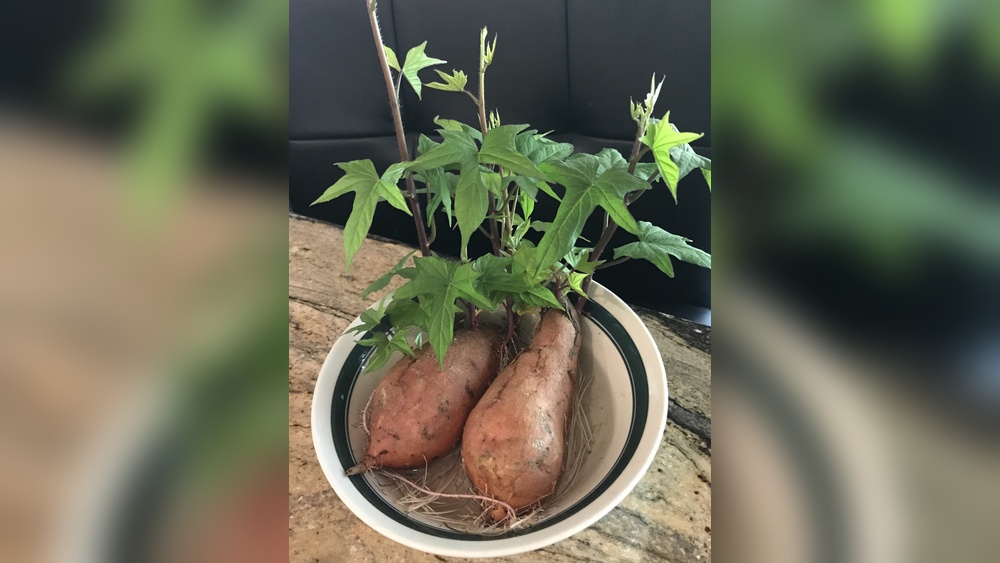
Sweet potatoes thrive in Florida’s sandy, well-drained soils. They need full sun and moderate water to develop their sweet, dense roots. These tubers store well and provide essential vitamins. Carrots prefer loose soil for their long roots to grow straight. Orange and purple carrot varieties add color and nutrients. Both crops help loosen soil, benefiting nearby plants.
Radishes And Beets
Radishes grow quickly and tolerate Florida’s heat better than many root crops. They add peppery flavor to salads and cook well. Beets offer deep red roots and edible leafy tops. They prefer cooler months but can handle Florida’s mild winters. Both plants enrich the soil with minerals and organic matter when their leaves decay.
Collards And Spinach
Collards are hardy greens that resist heat and pests. They provide large, nutritious leaves throughout the year. Spinach grows best in cooler seasons but some heat-tolerant varieties do well in Florida. Both crops supply vitamins A, C, and K. Their leafy growth shades soil, helping retain moisture and reduce weeds.

Credit: www.youtube.com
Tropical Herbs And Spices
Tropical herbs and spices bring vibrant flavors and health benefits to Florida food forests. These plants thrive in warm, humid conditions and add variety to your garden. They are easy to grow and require minimal care once established.
Including tropical herbs and spices in your food forest supports sustainable living. They attract beneficial insects and enrich the soil. Growing these plants close to your home means fresh ingredients always at hand.
Turmeric And Ginger
Turmeric and ginger are roots with powerful medicinal properties. Both prefer rich, well-drained soil and partial shade. Turmeric has bright orange flesh used in cooking and natural dyeing. Ginger offers a spicy flavor that enhances teas and dishes.
These plants need warm temperatures and regular watering. They grow well in Florida’s climate and can be harvested after several months. Fresh turmeric and ginger add depth to meals and boost immunity.
Roselle And Lemongrass
Roselle and lemongrass thrive in Florida’s tropical environment. Roselle produces deep red calyces used for teas and jams. Lemongrass has a citrus scent, perfect for seasoning and herbal infusions.
Both plants prefer full sun and well-drained soil. Roselle is drought tolerant once established. Lemongrass spreads quickly and can act as a natural pest repellent.
Adding roselle and lemongrass to your food forest enhances flavor diversity. They also contribute to a healthy ecosystem by attracting pollinators and beneficial insects.
Container Gardening Choices
Container gardening offers a flexible way to grow food forest plants in small spaces. It suits patios, balconies, and even indoors. Containers help control soil quality and moisture, important in Florida’s climate. Choosing the right plants for containers maximizes yield and ease of care.
Dwarf Avocado Trees
Dwarf avocado trees fit perfectly in containers. They grow smaller than regular trees but still produce tasty fruit. These trees need well-draining soil and full sun. Water regularly but avoid waterlogging. Dwarf varieties are easier to manage and harvest. They add greenery and fresh avocados to your home garden.
Fig Trees And Strawberries
Fig trees adapt well to container growing. They prefer warm weather and can thrive in Florida’s heat. Use large pots with good drainage. Prune to keep size manageable. Strawberries also do great in containers. They need plenty of sunlight and consistent watering. Both plants provide sweet, fresh fruits that brighten any container garden.
:max_bytes(150000):strip_icc()/ms-food-forest-a4c1bd83a50f4502a1ffc834504d2230.jpg "Best Florida Food Forest Plants: Top Picks for Thriving Gardens 4")
Credit: www.marthastewart.com
Companion Planting Tips
Companion planting helps plants grow better together. It improves soil, repels pests, and boosts harvests. Choosing the right partners makes your Florida food forest stronger. Use plants that support each other’s needs and growth. This method saves space and time. It also creates a balanced ecosystem in your garden.
Pairing Carrots With Peppers
Carrots and peppers are great companions in Florida gardens. Carrots grow deep roots that loosen the soil. Peppers stay above ground and do not compete for root space. This pairing allows both plants to thrive without crowding. Peppers can also provide shade for young carrots in hot weather. Together, they use garden space efficiently and improve yields.
Maximizing Growing Seasons
Florida’s warm climate allows year-round planting. Use companion planting to extend your growing seasons. Plant fast-growing crops next to slower ones. For example, sow radishes near slow-growing tomatoes. Harvest radishes early and let tomatoes grow in their place. Rotate crops to keep soil healthy and reduce pests. This keeps your food forest productive all year long.
Soil And Climate Strategies
Creating a thriving food forest in Florida requires smart soil and climate strategies. The state’s unique soil types and intense heat challenge gardeners. Adapting to these conditions is key to growing healthy, productive plants. Proper soil care and managing Florida’s heat and humidity boost plant survival and yield.
Soil Preparation For Abundance
Florida soils often lack nutrients and organic matter. Start by testing soil pH and nutrient levels. Most food forest plants prefer slightly acidic to neutral soil. Add compost or well-rotted manure to enrich the soil. Mulching helps retain moisture and improves soil structure. Use local organic materials like pine needles or leaf litter. Proper drainage is important since Florida soils can be sandy or clay-heavy. Raised beds or mounds improve root growth and prevent waterlogging. Regular soil feeding supports strong plant roots and abundant harvests.
Managing Florida Heat And Humidity
Florida’s heat can stress plants and reduce productivity. Select heat-tolerant species suited for tropical and subtropical climates. Provide shade during peak sun hours using taller plants or shade cloth. Mulch helps keep soil cool and moist. Water early in the morning to minimize evaporation and fungal risks. Good airflow around plants reduces humidity-related diseases. Group plants with similar water and light needs to optimize care. Adapting to Florida’s climate keeps your food forest healthy and productive year-round.
Frequently Asked Questions
What Tropical Plants Grow Well In Florida?
Tropical plants thriving in Florida include crotons, hibiscus, bougainvillea, ixora, shefflera, alcantarea, and various palms. These plants handle Florida’s heat and humidity well.
What Edible Plants Grow In Florida?
Florida grows diverse edible plants including mangoes, citrus, berries, sweet potatoes, okra, tropical fruits, leafy greens, and native wild berries. Heat-tolerant vegetables like tomatoes, peppers, and Okinawan spinach thrive. Native options include sabal palm hearts, seagrape, mulberries, and muscadine grapes.
What Is The Easiest Crop To Grow In Florida?
Okra, sweet potatoes, and heat-tolerant leafy greens like Okinawan spinach grow easily in Florida’s warm climate. These crops thrive with minimal care.
Is Foraging Legal In Florida?
Foraging in Florida is legal on private property with permission. Collecting plants in state or federal parks without permits is prohibited. Always check local laws before foraging to avoid fines and protect native ecosystems.
Conclusion
Choosing the best plants for your Florida food forest makes growing food easier. Tropical fruits like mangoes and papayas thrive in warm weather. Native plants such as mulberries and sabal palms add diversity and resilience. Vegetables like okra and sweet potatoes grow well year-round.
Planting heat-tolerant varieties helps your garden stay healthy. Using companion planting can improve growth and reduce pests. Start small and enjoy watching your food forest grow. A well-planned garden provides fresh, tasty food close to home. Your Florida food forest can bring joy and good harvests.