If you’ve ever dreamed of adding a lush, green bamboo grove to your Florida landscape, timing is everything. Planting bamboo at the right moment can mean the difference between slow growth and a thriving, vibrant garden feature.
You want your bamboo to establish strong roots and grow quickly, but Florida’s unique climate means you need to choose your planting time carefully. You’ll discover exactly when to plant bamboo in Florida to give your plants the best start—and how to avoid common pitfalls that could slow their growth.
Keep reading to make sure your bamboo flourishes all year round!
Ideal Bamboo Varieties
Bamboo thrives in Florida’s warm and humid climate. Choosing the right variety ensures healthy growth. Some types handle heat and moisture better than others. The ideal bamboo varieties for Florida offer durability, fast growth, and attractive foliage. These varieties fit well in gardens and landscapes across the state.
Seabreeze Bamboo
Seabreeze Bamboo is perfect for privacy screens. It grows dense and tall, creating a natural wall. This variety resists salty air, making it great near the coast. It stays green all year and needs moderate watering. Seabreeze Bamboo adapts well to Florida’s sandy soils.
Multiplex Bamboo
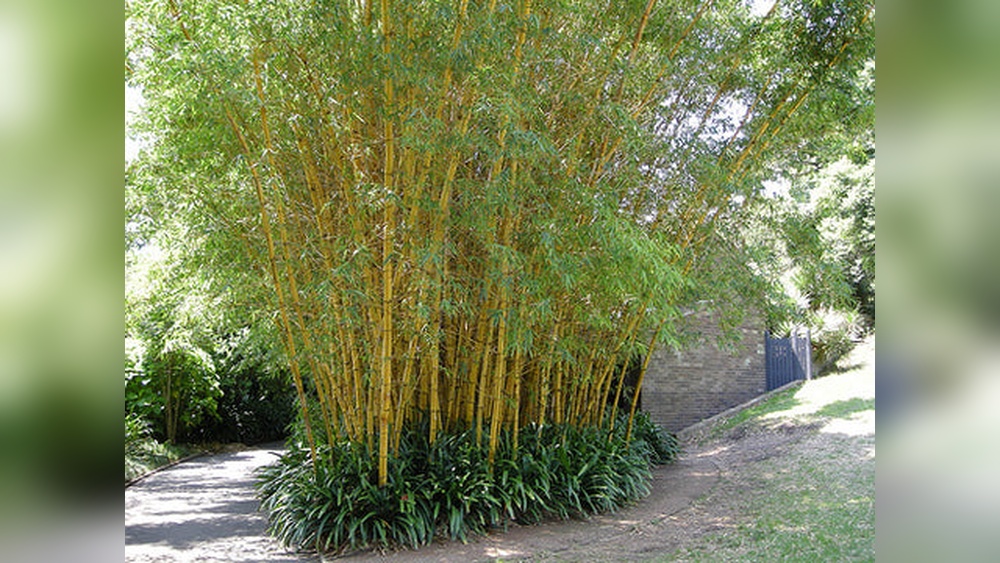
Multiplex Bamboo grows quickly and spreads evenly. It has slender, upright canes with lush green leaves. This variety handles Florida heat and humidity with ease. Multiplex Bamboo works well as a hedge or windbreak. It requires little maintenance once established.
Oldhamii Bamboo
Oldhamii Bamboo is known for its large, thick culms. It creates a dramatic, tropical look in any garden. This variety tolerates Florida’s wet and dry seasons. Oldhamii Bamboo prefers partial shade and regular watering. It grows tall but stays manageable with pruning.

Credit: www.growingagreenerworld.com
Optimal Planting Seasons
Choosing the best time to plant bamboo in Florida helps the plant grow strong and healthy. The state’s warm climate allows for multiple planting seasons. Selecting the right season gives bamboo a better chance to establish roots before facing extreme weather. Below are the optimal planting seasons to consider.
Early Spring Advantages
Early spring offers mild temperatures and steady rainfall. Bamboo planted now can develop roots before summer heat arrives. The soil is warm enough for growth but not too hot to stress young plants. This season supports rapid establishment and healthy shoots. Early spring planting helps bamboo adapt to Florida’s climate smoothly.
Late Fall Benefits
Late fall brings cooler temperatures and less intense sunlight. Bamboo planted in this season avoids the summer heat stress. The soil retains moisture longer, aiding root growth. Bamboo planted now can settle in during the cooler months. It prepares the plant for strong growth when spring arrives.
Summer Planting Tips
Summer planting is possible but requires care due to high heat. Use shade cloth to protect bamboo from strong sun. Water regularly to keep soil moist and prevent drying. Mulch helps maintain soil temperature and moisture levels. Summer planting demands attention but can succeed with proper care.
Soil And Location Tips
Choosing the right soil and location is key to growing healthy bamboo in Florida. Bamboo thrives best in well-prepared soil and the right spot. This section covers essential tips to help your bamboo grow strong and vibrant.
Understanding soil needs, using rocks or pebbles for support, and balancing sunlight with shade can improve your bamboo’s growth. These simple steps make a big difference in your planting success.
Soil Requirements
Bamboo prefers loose, well-drained soil rich in organic matter. Clay soils hold too much water and can harm roots. Sandy soils drain quickly but may need extra compost for nutrients. Aim for soil that stays moist but not soggy. Test soil pH to keep it slightly acidic to neutral (pH 6.0 to 7.0). Adding mulch helps keep moisture and improves soil quality.
Using Rocks And Pebbles
Rocks and pebbles create good drainage around bamboo roots. Place a layer of small stones under the soil to prevent water buildup. This stops root rot and keeps plants healthy. Pebbles also help stabilize bamboo in windy areas. Use them as a base in pots or garden beds to support strong root growth.
Sunlight And Shade Considerations
Bamboo needs a balance of sunlight and shade in Florida’s climate. Most bamboo varieties grow well with 4 to 6 hours of sunlight daily. Morning sun with afternoon shade protects bamboo from intense heat. Too much direct sun can dry out leaves quickly. Plant bamboo near trees or structures that provide light shade during the hottest part of the day.

Credit: www.bamboogarden.com
Planting Techniques
Planting bamboo in Florida requires careful techniques for strong growth. Proper steps ensure bamboo thrives in the warm climate. Follow these planting methods to give your bamboo the best start.
Preparing The Ground
Choose a spot with well-drained soil and good sunlight. Clear weeds and rocks to make space for roots. Loosen soil deeply to help roots spread easily. Mix organic compost to enrich the soil with nutrients. This prepares a healthy base for bamboo growth.
Transplanting Bamboo
Dig a hole twice as wide as the root ball. Gently remove bamboo from its pot to avoid root damage. Place the plant in the hole, keeping roots spread out. Fill the hole with soil and press firmly to remove air pockets. Mulch around the base to keep soil moist and cool.
Watering Practices
Water bamboo thoroughly after planting to settle the soil. Keep soil consistently moist but not soggy during the first months. Water early in the morning or late in the afternoon to reduce evaporation. Reduce watering as bamboo establishes and grows stronger. Proper watering supports healthy shoots and strong roots.
Growth Patterns In Florida
Bamboo grows well in Florida’s warm and humid climate. The state’s mild winters and long growing season help bamboo thrive. Understanding bamboo’s growth patterns can help you plant at the best time. This ensures strong, healthy plants that establish quickly and grow fast.
Florida’s unique weather influences how bamboo develops. Growth happens in stages, from root establishment to shoot emergence. Each phase depends on temperature, soil moisture, and sunlight. Knowing these phases helps gardeners plan their planting schedule.
Establishment Timeline
Bamboo roots start growing soon after planting. In Florida, roots can establish within 4 to 6 weeks. Warm soil speeds this process. Strong roots help bamboo absorb nutrients and water. A well-established root system supports healthy shoots later.
During the first few months, focus on watering regularly. Avoid letting the soil dry out. This helps bamboo settle in and prepare for rapid growth. Early care sets the stage for a vigorous plant.
Shoot Development
Shoots appear mostly in spring and summer. Florida’s warm temperatures trigger shoot growth. New shoots grow quickly, sometimes several inches per day. Young shoots need plenty of water and partial shade at first.
Watch shoots for signs of stress like browning or wilting. Adjust watering or shade if needed. Healthy shoots turn into strong bamboo stalks. Proper care during this phase ensures a lush bamboo grove.
Growth Rate Factors
Several factors affect bamboo growth speed in Florida. Soil quality is important; rich, well-drained soil encourages fast growth. Consistent moisture helps bamboo stay healthy. Too much or too little water slows growth.
Sunlight also matters. Bamboo usually prefers full sun to partial shade. Too much direct sun can stress plants during hot summer days. Protect young bamboo with shade cloth if needed. Fertilizer boosts growth by providing essential nutrients.
Care And Maintenance
Caring for bamboo in Florida requires regular attention. Proper care helps bamboo grow healthy and strong. The right maintenance prevents problems and keeps your bamboo looking good. Follow simple steps for fertilizing, pest control, and pruning.
Fertilizing Bamboo
Bamboo grows fast and needs nutrients often. Use a balanced fertilizer with nitrogen, phosphorus, and potassium. Apply fertilizer every two to three months during growing season. Avoid over-fertilizing, which can harm roots. Organic options like compost or manure also work well. Water bamboo after fertilizing to help absorption.
Pest And Disease Control
Bamboo in Florida may face pests like aphids and mites. Check leaves and stems regularly for bugs. Use insecticidal soap or neem oil to control pests safely. Watch for signs of disease, such as yellowing leaves or spots. Remove affected parts quickly to stop spread. Good air circulation reduces risk of fungal infections.
Pruning Methods
Pruning keeps bamboo tidy and healthy. Cut old or weak canes near the base. Thin dense clumps to improve light and airflow. Use sharp, clean tools to avoid damage. Pruning also controls bamboo size and shape. Remove dead leaves and debris to reduce pests and disease.
Common Challenges
Growing bamboo in Florida offers many rewards, but it also brings challenges. The state’s unique climate can stress bamboo plants. Successful growth requires understanding these common issues. Heat, rapid growth, and occasional cold snaps all affect bamboo health. Addressing these problems early keeps bamboo thriving and beautiful.
Heat Stress Solutions
Florida’s heat can harm bamboo leaves and stems. Provide shade during the hottest parts of the day. Use mulch to keep soil moist and cool. Water bamboo deeply and regularly, especially in dry spells. Choose heat-tolerant bamboo varieties for better survival. These steps reduce heat stress and keep bamboo healthy.
Managing Overgrowth
Bamboo grows fast and can spread quickly in Florida. Regular pruning controls size and shape. Use root barriers to stop unwanted spreading. Remove old or weak canes to encourage new growth. Keeping bamboo trimmed prevents it from taking over your yard. Proper management maintains a neat and attractive bamboo patch.
Protecting From Cold Snaps
Cold snaps sometimes hit Florida, risking bamboo damage. Cover young plants with frost cloth or blankets. Mulch around the base to insulate roots. Move potted bamboo indoors or to a sheltered spot. Choose cold-hardy bamboo species for extra protection. These actions help bamboo survive sudden temperature drops.
Bamboo Uses In Florida Gardens
Bamboo is a versatile plant for Florida gardens. It adapts well to the climate and grows quickly. Gardeners use bamboo for many purposes. Its uses go beyond just decoration. Bamboo adds value and function to outdoor spaces.
Choosing the right bamboo and planting time helps maximize its benefits. Gardeners find bamboo useful for privacy, beauty, and soil health. Below are some common uses of bamboo in Florida gardens.
Privacy Screens
Bamboo creates tall, dense barriers fast. It blocks neighbors’ views and reduces noise. This makes it ideal for privacy screens in small yards. Bamboo grows thick and tall, forming a natural fence. It stays green year-round, offering constant coverage. Planting bamboo along fences or property lines works well.
Ornamental Features
Bamboo adds a tropical look to gardens. Its slender canes and lush leaves bring texture and color. Bamboo fits well in modern and traditional garden styles. Use bamboo in pots or as a standalone plant. It creates a peaceful, calming space. Many Florida gardeners use bamboo to highlight walkways or patios.
Erosion Control
Bamboo roots hold soil firmly in place. This helps stop soil erosion on slopes or near water. Bamboo’s root system grows deep and spreads wide. It stabilizes land and reduces runoff during heavy rains. Using bamboo on hillsides protects your garden and nearby areas. It is a natural and eco-friendly solution for erosion.

Credit: floridabamboo.com
Frequently Asked Questions
What Is The Best Bamboo To Grow In Florida?
Seabreeze, Multiplex, and Oldhamii bamboo grow best in Florida’s warm, humid climate. Plant in early spring or late fall for best results.
When To Plant Bamboo In Florida?
Plant bamboo in Florida during early spring or late fall for best growth. Milder weather and rain help establishment. Avoid intense summer sun without shade.
How Long Does It Take Bamboo To Grow 20 Ft?
Bamboo can grow 20 feet in 3 to 5 years, depending on species, climate, and soil conditions. Fast-growing varieties show quicker results.
Is It Better To Plant Bamboo In Rocks Or Soil?
Plant bamboo in well-draining soil for best growth. Rocks can provide support but do not replace nutrient-rich soil.
Conclusion
Plant bamboo in Florida during early spring or late fall. These seasons offer cooler weather and more rain. Bamboo roots grow better in mild conditions. Avoid the hottest summer months to protect young plants. Using shade cloth can help if planting in summer.
Choose the right bamboo type for Florida’s climate. Regular watering and care will help bamboo thrive. Start planting at the best time for strong growth. Your bamboo will create a beautiful, green space quickly. Enjoy the natural beauty bamboo brings to your garden.