Are you looking to create a beautiful, low-maintenance garden that thrives in Florida’s unique climate? Choosing native plants is the smartest way to ensure your landscape stays healthy, vibrant, and eco-friendly all year round.
Florida’s best native landscape plants are perfectly adapted to local soil, weather, and wildlife, which means they need less water and care while attracting butterflies, birds, and beneficial insects. You’ll discover the top native plants that can transform your yard into a stunning, sustainable oasis.
Ready to make your garden flourish with nature’s best? Keep reading to find the perfect plants for your Florida landscape.
Top Florida Native Shrubs
Native shrubs are essential for Florida landscapes. They thrive in local soil and weather. These shrubs need less water and care. They also support local wildlife like birds and butterflies. Using native shrubs creates a natural and beautiful garden. Here are some top Florida native shrubs to consider for your garden.
Beautyberry
Beautyberry is famous for its bright purple berries. These berries attract birds and small animals. The shrub has green leaves that turn yellow in fall. It grows well in sun or partial shade. Beautyberry is drought-tolerant and easy to maintain. It adds color and life to any garden.
Firebush
Firebush has vibrant red-orange flowers that bloom year-round. This shrub attracts hummingbirds and butterflies. Firebush grows quickly and can reach six feet tall. It prefers full sun but tolerates some shade. Firebush is great for adding bright color to your landscape.
Plumbago
Plumbago features clusters of pale blue flowers. It blooms mostly in warm months. This shrub can grow as a hedge or a loose bush. Plumbago needs well-drained soil and full sun. It is low-maintenance and drought-resistant. Plumbago adds a soft, cool tone to gardens.

Credit: www.fnps.org
Popular Native Trees
Florida’s native trees offer beauty and support local wildlife. They suit the state’s climate well. These trees need less water and care than non-native types. They help create a natural, healthy landscape.
Here are some popular native trees that thrive in Florida gardens. Each has unique features that add charm and value to your outdoor space.
Bald Cypress
The Bald Cypress is famous for its tall, straight trunk and feathery leaves. It grows well in wet areas like swamps and ponds. This tree’s roots form “knees” that stick out of the water. These help stabilize the tree and add interest to the landscape. The Bald Cypress changes color in fall, turning a rich orange-brown.
Tupelo Tree
The Tupelo Tree is known for its brilliant fall colors. Its leaves turn bright red, orange, and yellow. This tree thrives in moist soil and wetlands. The Tupelo produces small fruits that attract birds and wildlife. It grows fast and offers good shade in hot Florida summers.
Chickasaw Plum
The Chickasaw Plum is a small tree with pretty white flowers in spring. It produces edible plums that attract birds and animals. This tree grows well in dry or sandy soil. It is drought-tolerant and adds a splash of color with its fruit. The Chickasaw Plum also works well as a natural hedge or screen.
Vibrant Native Flowers
Florida’s native flowers bring bright colors and life to any garden. These plants thrive in local conditions. They attract butterflies and bees, supporting the ecosystem. Choose native flowers for beauty and easy care. Here are three vibrant native flowers perfect for Florida landscapes.
Black-eyed Susan
The Black-Eyed Susan has bright yellow petals with a dark center. It blooms from summer to fall. This flower grows well in full sun and dry soil. It is drought-tolerant and low maintenance. Birds love the seeds it produces in late season. Plant Black-Eyed Susan for cheerful color and wildlife support.
Tickseed
Tickseed shows golden-yellow blooms that light up gardens. It grows well in sandy, well-drained soil. This flower attracts butterflies and adds movement to landscapes. Tickseed blooms for a long time with little care. It is perfect for borders and wildflower gardens. Tickseed adds charm and resilience to your planting.
Yellow Jessamine
Yellow Jessamine is a fragrant, climbing vine with bright yellow flowers. It blooms in late winter and early spring. This native plant grows well on fences or trellises. It prefers partial shade but adapts to full sun. Yellow Jessamine draws hummingbirds and pollinators. Use it to add scent and color to vertical spaces.

Credit: www.amazon.com
Ground Cover Options
Ground covers play a vital role in Florida landscapes. They protect soil, reduce weeds, and add color and texture. Choosing native ground covers helps support local wildlife and thrives in Florida’s climate with less water and care. Several native plants make excellent ground covers that suit various garden styles and conditions.
Coontie
Coontie is a slow-growing, low-maintenance ground cover. It has dark green, fern-like leaves that stay attractive year-round. This plant tolerates shade and dry soil well. Coontie is deer-resistant and attracts butterflies, especially the native Atala butterfly. It grows best in well-drained soil and needs little watering once established.
Coral Honeysuckle
Coral Honeysuckle is a fast-growing ground cover with bright red tubular flowers. It attracts hummingbirds and butterflies with its nectar. This vine-like plant can spread quickly along fences or walls. Coral Honeysuckle prefers full sun to partial shade and moist, well-drained soil. It adds vibrant color and supports wildlife in your garden.
Zamia Integrifolia
Zamia Integrifolia, or Coontie Palm, is a tough, low-growing cycad. It has glossy green leaves and forms dense clumps. This plant is highly drought-tolerant and grows well in sandy soils. Zamia Integrifolia provides excellent ground cover in sunny or partly shaded areas. It also serves as a host plant for several butterfly species.
Native Plants For Full Sun
Florida’s sunny climate calls for tough plants that thrive in full sun. Native plants suited for these bright spots grow strong without extra care. They save water and support local wildlife. These plants brighten gardens with color and texture all year.
Beach Sunflower
Beach Sunflower is perfect for hot, sunny spots. It grows tall with bright yellow flowers. Butterflies and bees love it. This plant handles sandy, dry soil well. It spreads easily, making a cheerful ground cover. Beach Sunflower needs little water once set.
Porterweed
Porterweed is a low-growing shrub with small blue flowers. It blooms almost all year long. Hummingbirds visit often for nectar. Porterweed stands strong in full sun and heat. It works well along borders or in containers. This plant helps attract pollinators to your yard.
Joe Pye Weed
Joe Pye Weed grows tall with pinkish-purple flower clusters. It blooms in late summer and fall. Butterflies flock to its nectar-rich flowers. This plant prefers moist soil but tolerates full sun. Joe Pye Weed adds height and color to sunny garden beds. It supports local pollinators and wildlife.
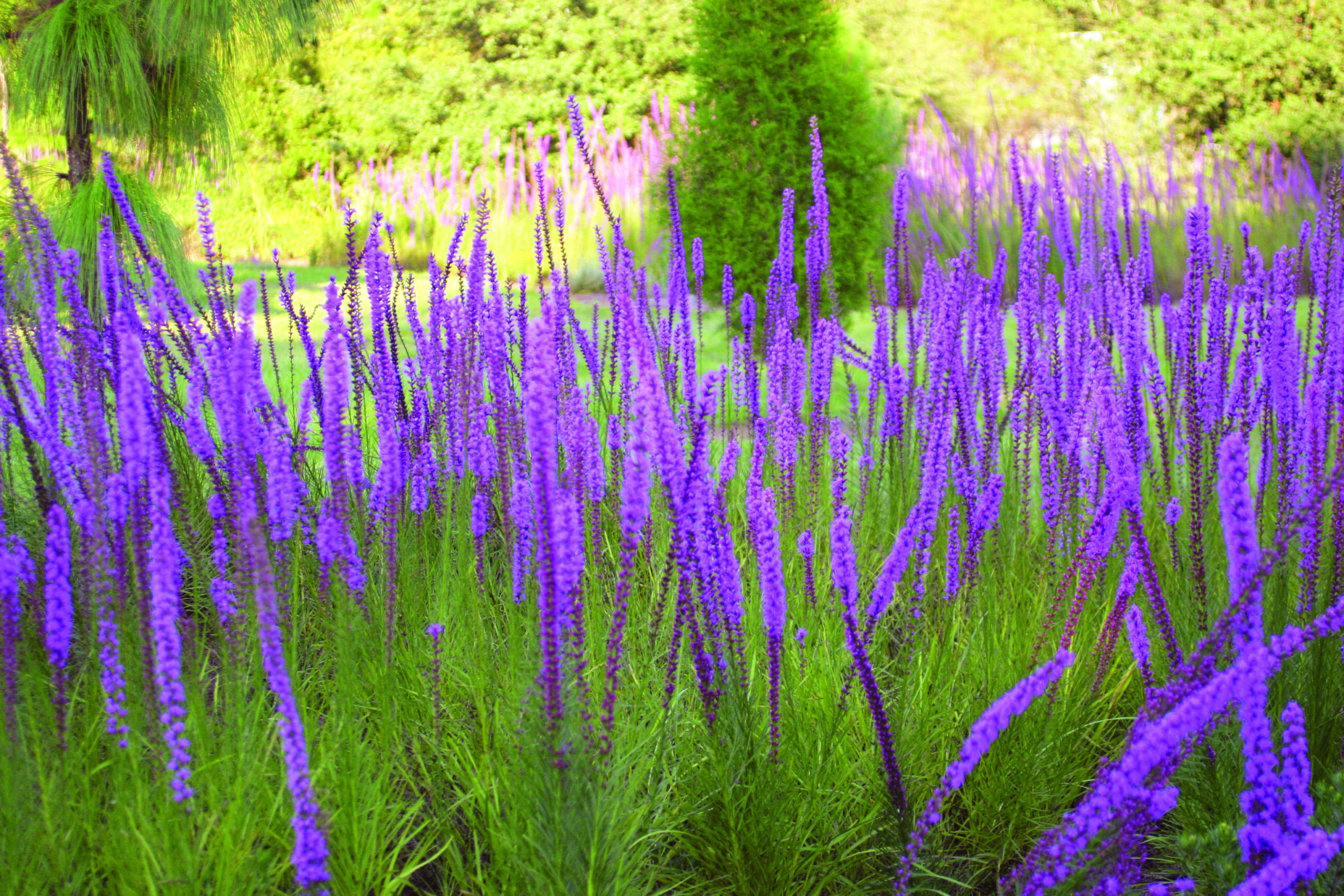
Credit: www.flawildflowers.org
Low Maintenance Picks
Choosing native plants that need little care saves time and water. Florida’s climate suits many low maintenance plants. These plants thrive with minimal watering and pruning. They also resist pests and diseases well. Perfect for busy gardeners or beginners.
Plumbago Hedge
Plumbago is a medium-sized shrub with bright blue flowers. It grows well as a hedge or border. This plant stays green year-round in Florida’s warm weather. It needs little watering after it settles in. Prune it lightly to keep shape. Plumbago attracts butterflies and bees, adding life to your garden.
Beautyberry Shrub
Beautyberry is famous for its bright purple berries in fall. The berries attract birds and wildlife. This shrub grows quickly and spreads easily. It tolerates dry spells once established. Beautyberry’s green leaves provide shade and privacy. It needs little attention and few nutrients. A colorful and useful addition to any landscape.
Firebush Flowers
Firebush is a hardy shrub with red-orange flowers. It blooms most of the year in Florida. Hummingbirds and butterflies love its nectar. Firebush withstands heat and drought very well. It requires only occasional trimming to control size. This plant brightens gardens with vibrant color and movement.
Native Plants For Wildlife
Native plants play a vital role in supporting Florida’s wildlife. They provide food, shelter, and breeding grounds for many local animals. Using native plants in your landscape helps maintain natural ecosystems. Wildlife such as birds, butterflies, and bees depend on these plants for survival.
Choosing native plants encourages biodiversity and creates a balanced environment. These plants are adapted to Florida’s climate and soil, making them easier to grow. They require less water and care compared to non-native species. Native plants also resist pests better, reducing the need for chemicals.
Carolina Jessamine
Carolina Jessamine is a popular native vine with bright yellow flowers. It blooms in early spring, attracting hummingbirds and butterflies. The sweet scent of its flowers draws pollinators to your garden. This plant grows well in sun or partial shade. It provides cover and food for many small animals.
Wildflowers
Florida’s wildflowers add color and life to any landscape. They offer nectar and pollen to bees, butterflies, and other insects. Wildflowers like Black-eyed Susan and Coreopsis are easy to grow and maintain. They bloom at different times, providing food throughout the year. Wildflowers support a variety of wildlife, from insects to birds.
Scented Blooms
Scented native plants fill the air with pleasant fragrances. Plants such as Coral Honeysuckle and Wild Coffee attract pollinators with their smell. These blooms create a sensory garden that wildlife loves. Scented flowers help guide bees and butterflies to nectar sources. Including them in your yard boosts wildlife activity and garden beauty.
Native Plants For South Florida
South Florida’s climate supports a wide range of native plants. These plants thrive in heat, humidity, and sandy soils. Using native plants helps conserve water and supports local wildlife. Native plants also reduce garden pests and require less care. Here are some top native choices for landscaping in South Florida.
Fairchild Tropical Selections
Fairchild Tropical Botanic Garden highlights many native plants for this region. Their selections include colorful flowers and hardy shrubs. These plants fit well in home gardens and public spaces. They provide beauty and attract butterflies and birds. Many are drought-tolerant and resist local pests. Choosing Fairchild selections ensures the plants suit South Florida’s environment perfectly.
Palms
Palms are iconic in South Florida landscapes. Native palms like the Sabal Palm and the Florida Thatch Palm do well here. These palms grow tall and create a tropical feel. They require little water once established. Palms offer shade and shelter for wildlife. Their unique shapes add texture and height to gardens. Planting native palms supports the natural ecosystem.
Vines
Native vines add vertical interest to gardens and fences. Passionflower and Coral Honeysuckle are popular native vines. They bloom with bright, attractive flowers that bring color year-round. Vines provide food and habitat for pollinators and birds. These plants grow quickly and cover structures well. Using native vines helps maintain the natural balance in South Florida gardens.
Native Plants For North Florida
North Florida’s climate supports a rich variety of native plants. These plants thrive in local soil and weather. They need less water and care than non-native species. Choosing native plants helps local wildlife and keeps your garden healthy. Here are some great native options for your North Florida landscape.
Shade Tolerant Shrubs
Shade tolerant shrubs grow well under trees or in shadowed areas. American Beautyberry (Callicarpa americana) is a colorful choice. It produces bright purple berries that attract birds. Inkberry Holly (Ilex glabra) offers glossy green leaves year-round. It is hardy and low maintenance. Sweetshrub (Calycanthus floridus) has fragrant flowers and adapts well to shade. These shrubs add texture and life to shaded garden spots.
Hardy Trees
Hardy trees survive cold snaps and strong winds common in North Florida. The Bald Cypress (Taxodium distichum) is a popular native tree. It grows tall and has unique, feathery foliage. Live Oak (Quercus virginiana) is strong and long-living. It provides excellent shade and habitat for wildlife. Southern Magnolia (Magnolia grandiflora) adds beauty with large white flowers and glossy leaves. These trees create a solid foundation for any landscape.
Spring Bloomers
Spring bloomers bring bright colors after winter ends. The Eastern Redbud (Cercis canadensis) bursts into pink flowers early in spring. Wild Azalea (Rhododendron canescens) has soft pink to white blooms. Carolina Jessamine (Gelsemium sempervirens) produces fragrant yellow flowers. These plants provide vibrant colors and attract pollinators like bees and butterflies. Planting spring bloomers lifts the spirit and welcomes the new season.
Buying And Sourcing Tips
Finding the right Florida native plants requires careful buying and sourcing. Native plants thrive in local conditions and support wildlife. Choosing healthy plants improves garden success and saves money. This section guides you on where to buy and how to choose quality plants for your landscape.
Local Nurseries
Local nurseries offer native plants adapted to Florida’s climate. Staff can provide advice on plant care and selection. Visiting in person helps you inspect plant health. Nurseries often have seasonal sales and special offers. Supporting local growers boosts the community and ensures fresh stock.
Online Plant Sales
Online plant shops provide a wide variety of native plants. They ship directly to your door, saving travel time. Check reviews and ratings before buying. Look for detailed descriptions and photos of plants. Verify the seller’s reputation for healthy and true-to-type plants.
Seed And Bulb Options
Seeds and bulbs are affordable ways to start native plants. They offer a larger selection than live plants. Growing from seed takes patience but can be rewarding. Choose seeds from reputable suppliers to ensure quality. Follow planting instructions carefully for best results.
Frequently Asked Questions
What Are The Best Native Plants For Florida Landscapes?
The best native plants for Florida include Beautyberry, Coontie, Black-Eyed Susan, and Bald Cypress. These plants thrive in local soil and climate conditions. They require less water and maintenance, supporting Florida’s ecosystem and wildlife effectively.
Why Choose Native Plants For Florida Gardening?
Native plants are adapted to Florida’s climate and soil, making them drought-tolerant and pest-resistant. They support local wildlife, including pollinators and birds. Using native plants reduces water usage and fertilizer needs, promoting a sustainable and eco-friendly garden.
How Do Native Florida Plants Benefit Local Wildlife?
Native plants provide essential food and shelter for Florida’s native birds, butterflies, and pollinators. They help maintain biodiversity and ecological balance. Planting natives fosters a healthy habitat, encouraging native species to thrive naturally in your garden.
Can Native Plants Reduce Garden Maintenance In Florida?
Yes, native plants require less watering, fertilizing, and pest control because they are adapted to Florida’s environment. This makes them low-maintenance and cost-effective. Using natives saves time and effort while supporting sustainable landscaping practices.
Conclusion
Choosing Florida native plants supports local wildlife and conserves water. These plants thrive in Florida’s climate with less care. They add natural beauty and help your garden stay healthy. Native plants resist pests better, reducing the need for chemicals. By planting them, you create a balanced, eco-friendly landscape.
Start small and enjoy watching your garden grow naturally. Native landscaping benefits both you and the environment. Embrace Florida’s best native plants for a vibrant, sustainable yard.