If you’re eager to grow fresh, nutritious collard greens right in your Florida garden, timing is everything. Planting collards at the right time ensures you get tender, flavorful leaves that thrive in the Sunshine State’s unique climate.
But when exactly should you plant collard greens in Florida? Whether you live in North, Central, or South Florida, knowing the best planting window can make all the difference between a bountiful harvest and a disappointing crop. Keep reading to discover the ideal months to plant collards in your region, how to prepare your soil, and tips to help your greens flourish.
Your perfect collard greens garden starts here!

Credit: www.youtube.com
Planting Seasons By Region
Planting collard greens in Florida varies by region due to climate differences. Each area has its own ideal planting season. Understanding these seasons helps you grow healthy, productive plants. This guide breaks down the best planting times for North, Central, and South Florida.
North Florida Schedule
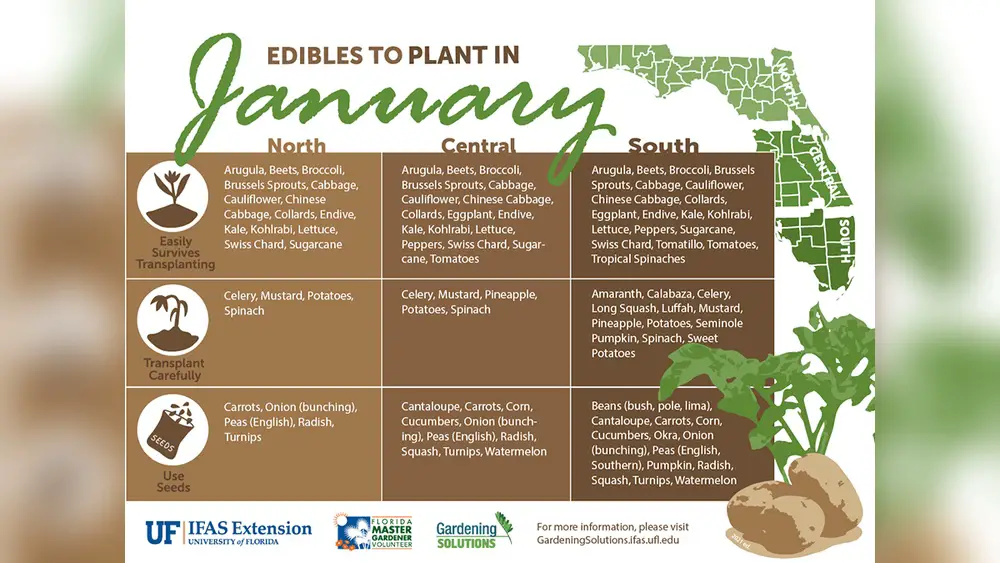
In North Florida, plant collard greens from August to February. The cooler months offer the best growing conditions. Start seeds or transplants in late summer or early fall. This timing allows plants to mature before spring heat arrives. Collards thrive in mild winters here.
Central Florida Timing
Central Florida gardeners should plant collards between September and February. The region’s warm climate extends the growing window. Planting in early fall gives greens time to grow before cold weather. Collards do well with cooler nights and warm days. Avoid planting in the hottest summer months.
South Florida Window
South Florida has the shortest planting window, from September to January. The tropical climate limits cool-season crops. Plant collards in early fall to avoid summer heat stress. Harvest before the late winter warmth. Choose heat-tolerant varieties to improve success here.
Choosing Collard Varieties
Choosing the right collard green varieties plays a key role in a successful harvest in Florida. The state’s warm climate and long growing seasons mean some cultivars perform better than others. Selecting varieties adapted to Florida’s conditions helps ensure healthy plants and abundant leaves. Consider traits like heat tolerance, growth speed, and leaf texture. These factors affect how well collards thrive and how delicious they taste.
Top Cultivars For Florida
Several collard varieties suit Florida’s climate well. ‘Georgia Southern’ is popular for its heat tolerance and large, tender leaves. ‘Vates’ offers good resistance to pests and diseases. ‘Top Bunch’ grows quickly and produces a high yield of smooth, dark-green leaves. ‘Morris Heading’ is another strong choice with thick, flavorful leaves. These cultivars mature in about 60 to 90 days, fitting Florida’s long growing seasons perfectly.
Traits To Consider
Heat tolerance is crucial for Florida’s warm weather. Choose varieties that handle high temperatures without bolting or becoming bitter. Leaf texture matters too; smooth leaves cook evenly and taste better. Disease resistance helps reduce losses to common pests like aphids or cabbage worms. Early maturity allows for multiple harvests in one season. Finally, select varieties that match your taste preferences, whether mild or more robust in flavor.
Starting Seeds And Transplants
Starting collard greens from seeds or transplants offers control over growing conditions. This approach helps young plants avoid harsh weather. It also gives a head start on the growing season. In Florida, starting seeds indoors or in protected areas improves success. Transplants adapt faster to the garden soil and climate.
Timing is important for both methods. Seeds need warm soil to germinate well. Transplants should be strong enough to handle outdoor conditions. Proper care during these stages leads to healthy, productive plants.
Direct Seeding Tips
Plant collard seeds directly in the garden after soil warms. In Florida, this usually means late summer to early fall. Sow seeds ¼ to ½ inch deep. Space seeds 12 to 18 inches apart to allow room for growth. Keep soil moist but not waterlogged. Thin seedlings once they sprout to avoid crowding. Use mulch to keep soil cool and moist. Watch for pests that can damage young plants.
Transplanting Seedlings
Start collard seedlings indoors 4 to 6 weeks before the last frost. Use seed trays with light, well-draining soil. Keep seedlings in bright, warm places. Harden off plants by slowly exposing them to outdoor conditions for several days. Transplant seedlings when they have 4 to 6 true leaves. Space transplants 12 to 18 inches apart in the garden. Water well after planting to reduce transplant shock. Protect young plants from strong sun and wind until established.
Credit: faitc.org
Soil And Site Selection
Selecting the right soil and site is key to growing healthy collard greens in Florida. Good soil and location help plants grow strong and produce tasty leaves. Collard greens like rich soil and plenty of sunlight. Proper site choice also reduces pest problems and makes care easier.
Understanding soil preparation and sunlight needs improves your harvest. This guide covers the best practices for soil and site selection to plant collard greens successfully in Florida.
Soil Preparation
Collard greens grow best in loose, well-drained soil. The soil should be rich in organic matter. Add compost or aged manure to improve soil quality. Test the soil pH; collards prefer a pH between 6.0 and 7.5. Avoid soil that stays wet or heavy clay soils. Till the soil to loosen it before planting. This helps roots spread easily and absorb nutrients. Remove any weeds to reduce competition for nutrients and water.
Sunlight And Location
Choose a spot that gets full sun for at least six hours daily. Collard greens thrive with plenty of sunlight. In hotter parts of Florida, some afternoon shade helps prevent leaf scorch. Avoid planting near tall trees or large shrubs that block light. Good air circulation around plants reduces disease risks. Select a location that is easy to water and maintain. Proper sunlight and site conditions lead to healthy, flavorful collard greens.
Frost Dates And Growth Timing
Understanding frost dates and growth timing is crucial for planting collard greens in Florida. Collards thrive in cooler weather, so timing planting around frost helps ensure a healthy harvest. Knowing when the first frost typically occurs in your region guides the best planting schedule. Proper timing allows the plants to mature before cold weather affects growth.
First Frost Impact
In Florida, the first frost date varies by region. North Florida usually sees frost from late October to early November. Central Florida experiences frost later, around November to December. South Florida rarely has frost, sometimes not at all.
Collard greens can tolerate light frost well. In fact, frost can improve their flavor, making leaves sweeter. Heavy frost or freezing temperatures can damage or kill young plants. Planting so collards mature before the first hard frost is ideal. This timing ensures the plants develop strong leaves and roots.
Maturity Periods
Collard greens take about 60 to 90 days to mature. This period depends on the variety and growing conditions. Fast-maturing varieties may be ready in two months. Slower types may need up to three months.
Starting seeds indoors or buying transplants can speed up growth. Transplants planted in late summer or early fall usually mature by frost time. Direct sowing seeds should happen early enough to allow full growth before cold weather.
Planning planting dates around frost helps avoid losses and boosts yield. In Florida, aim to plant collards from August to February, adjusting by region. This schedule fits well with their maturity periods and frost timing for best results.
Pest And Weed Management
Managing pests and weeds is crucial for growing healthy collard greens in Florida. These plants can attract several pests that harm leaves and reduce yield. Weeds compete for nutrients and water, making it harder for collards to grow strong. Proper pest and weed management helps protect your crop and ensures a good harvest.
Common Pests In Florida
Florida’s warm climate invites many pests that attack collard greens. Cabbage loopers chew holes in leaves. Aphids suck plant sap and weaken growth. Flea beetles create small, round holes in the foliage. Imported cabbageworms leave green droppings on leaves. Regularly check plants for these pests to catch infestations early. Use natural predators or organic sprays to control them safely.
Keeping The Area Clean
Keeping the garden area clean lowers pest and weed problems. Remove old plant debris where insects hide and breed. Pull weeds regularly to stop them from spreading seeds. Mulching helps block weeds and keeps soil moist. Clear spaces reduce hiding places for pests. Clean tools and avoid overcrowding plants to improve air circulation and reduce disease risks.
Harvesting And Storage
Harvesting and storing collard greens properly ensures you enjoy fresh, tasty leaves for weeks. Knowing when to pick the leaves and how to keep them fresh matters. This section guides you on the best time to harvest and how to store collard greens to maintain their flavor and nutrition.
When To Harvest
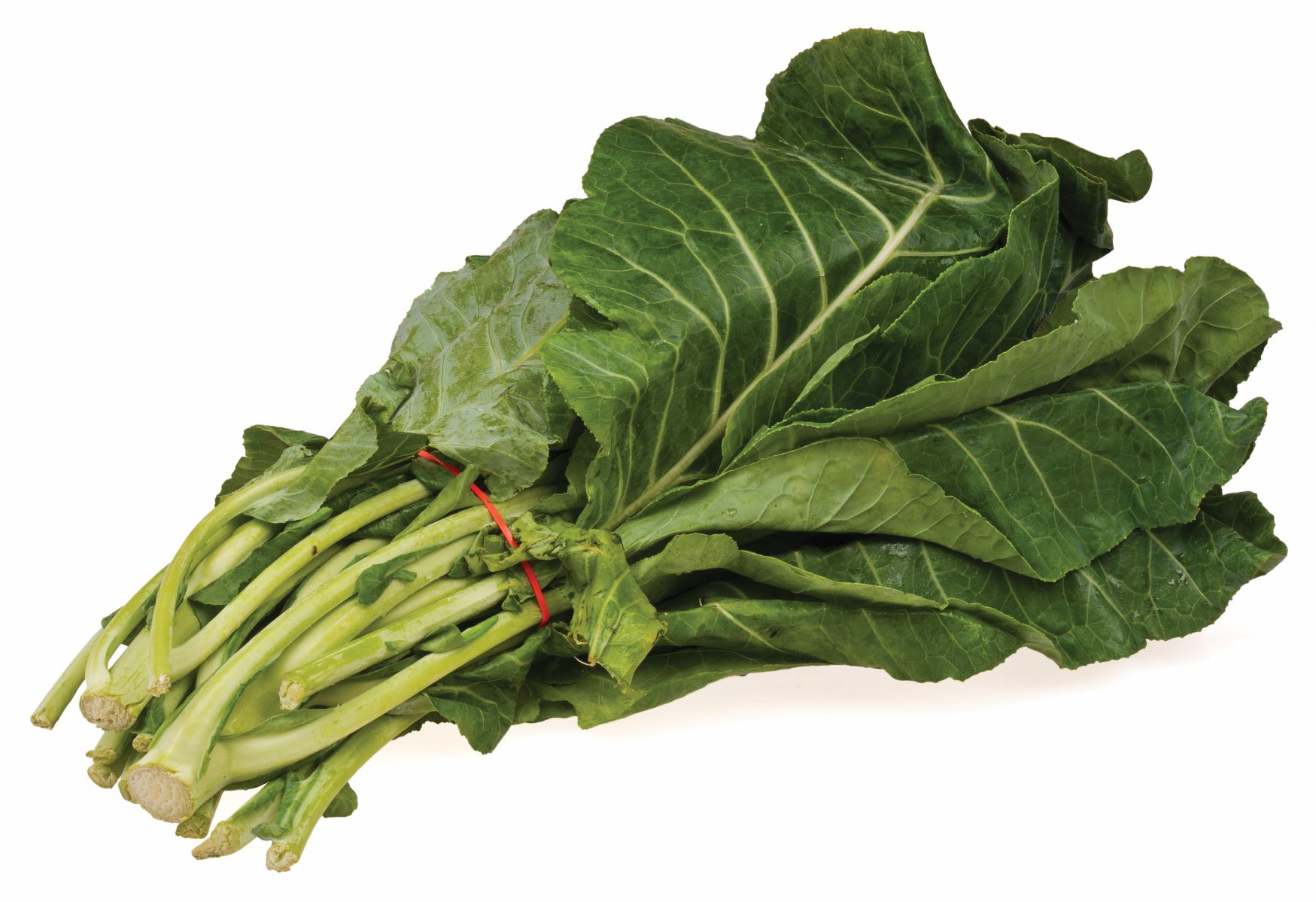
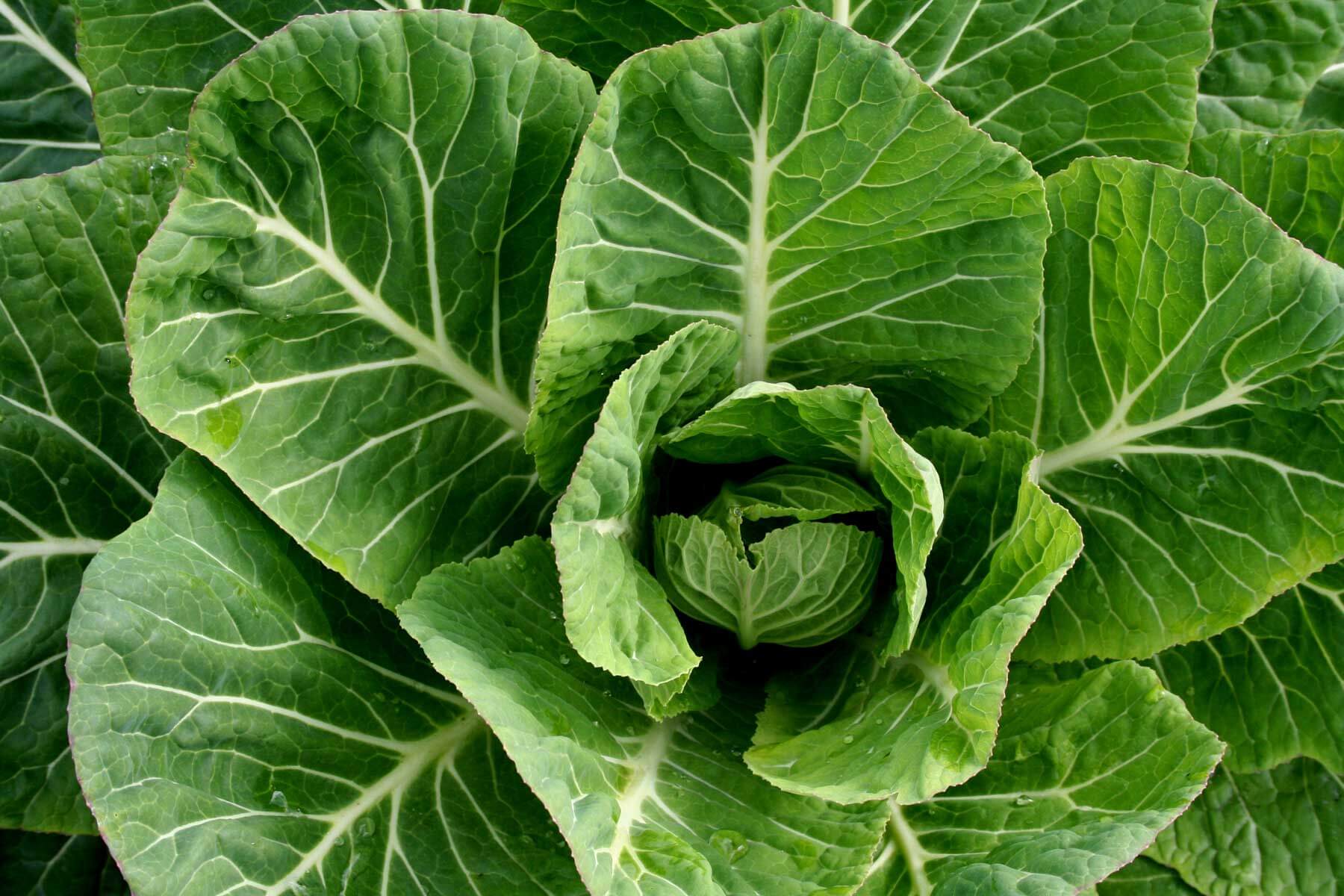
Harvest collard greens when leaves reach 8 to 10 inches long. Pick the outer leaves first, leaving the inner leaves to grow. This method allows continuous harvest over several weeks. Harvest in the morning for the best flavor and freshness. Avoid picking leaves that look yellow or damaged. Collards taste sweeter after a light frost, so plan your harvest accordingly.
Storing Fresh Collards
Store fresh collard greens in the refrigerator to keep them crisp. Wrap the leaves loosely in a damp paper towel, then place them in a plastic bag. Keep them in the crisper drawer for up to two weeks. Avoid washing leaves before storage to prevent spoilage. Wash just before use with cool water. For longer storage, collards can be blanched and frozen to preserve taste and nutrients.
Credit: bonnieplants.com
Tips For Year-round Growing
Growing collard greens year-round in Florida is achievable with the right care. These hardy greens adapt well but need some attention to thrive through all seasons. Follow simple tips to keep your plants healthy and productive throughout the year.
Extending The Season
Start planting collards early in the cooler months. This helps you harvest before the hot summer arrives. You can also plant a second crop in late summer for fall and winter harvest. Use succession planting by sowing seeds every few weeks. This method ensures fresh leaves all year long. Keep soil moist and rich in nutrients to support continuous growth.
Using Shade And Protection
Collard greens dislike extreme heat and strong sun. Use shade cloth during Florida’s hot summer days. This reduces leaf stress and keeps plants growing. Protect plants from cold snaps by covering them with frost cloth or row covers. Raised beds improve drainage and prevent root rot. These simple steps help maintain healthy plants in all weather conditions.
Frequently Asked Questions
What Month Do You Plant Collard Greens In Florida?
Plant collard greens in Florida from August to February in North Florida, September to February in Central Florida, and September to January in South Florida.
What Are The Best Collards To Grow In Florida?
The best collards to grow in Florida are Georgia, Georgia Southern, Top Bunch, and Vates cultivars. These varieties thrive in Florida’s climate.
Is October Too Late To Plant Greens?
October is not too late to plant greens in most regions. Plant them a few weeks before the first frost. Choose cool-season greens and well-drained soil for best growth.
Can I Plant Collards In September?
Yes, planting collards in September works well for a fall or winter harvest. Ensure planting occurs weeks before your area’s first frost. Choose full sun, well-drained soil, and consider your USDA hardiness zone for best results.
Conclusion
Planting collard greens at the right time boosts growth and yield. In Florida, choose months based on your region’s climate. North Florida favors August to February planting. Central Florida works best from September to February. South Florida’s ideal time runs September to January.
Collards thrive in cool weather and may taste sweeter after frost. Healthy soil and plenty of sunlight also help plants grow strong. Starting with good timing and care leads to a fresh, tasty harvest. Keep these tips in mind for successful collard greens gardening in Florida.